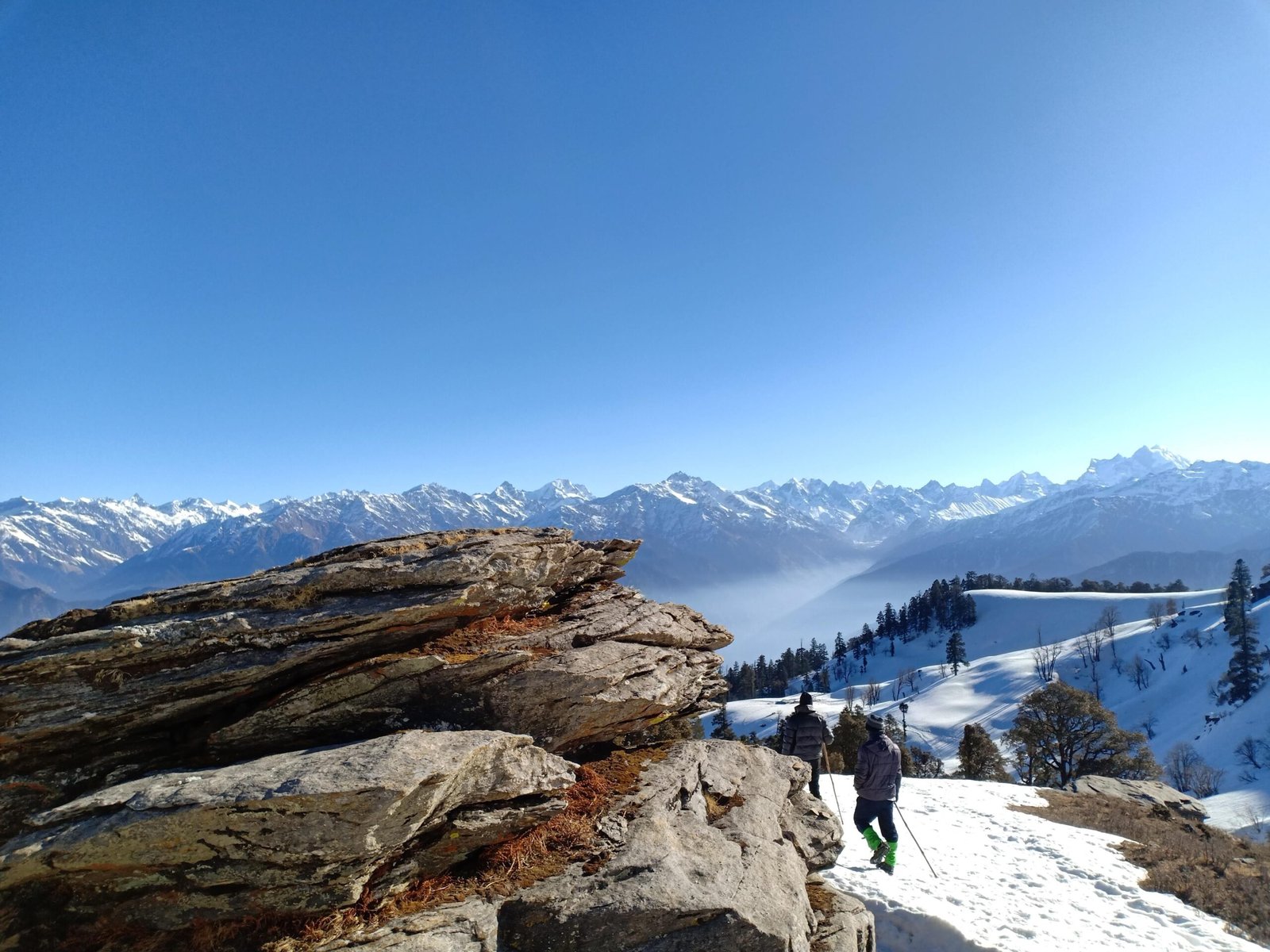
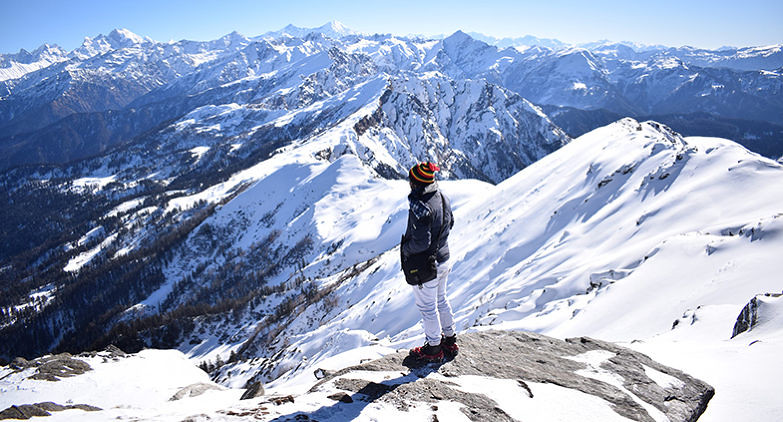
The Kedarkantha trek essentials you must carry are warm layered clothing, waterproof trekking shoes, gloves, a cap, a rain cover, water bottles, medicines, ID documents, and snow gear if your batch needs it. The Kedarkantha Trek is a beginner-friendly Himalayan trek and is widely regarded as one of the best first summit treks in India. It still reaches about 12,500 ft (3,810 m). Most itineraries take 4–5 days and cover roughly 18–23 km, depending on the route and campsite plan. The main snow season usually runs from December to April, while autumn treks are popular from October to November.
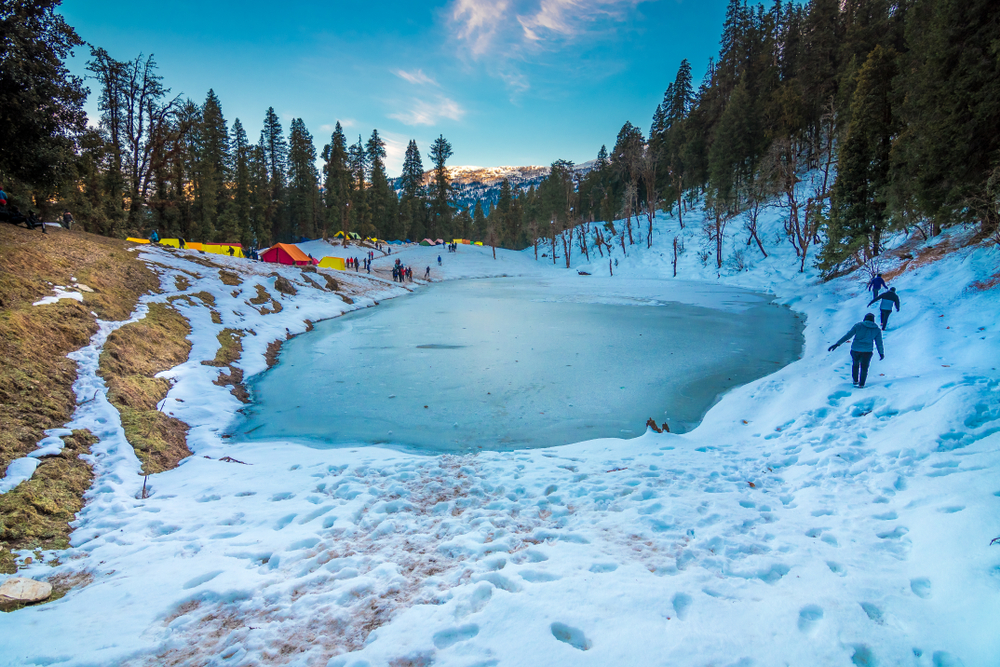
The trail starts from Sankri, passes through beautiful pine forests and camps such as Juda Ka Talab, and climbs to a high summit where wind chill can make the morning feel much colder than the temperature shown on your phone. A clear base-camp morning can also turn cloudy or snowy later in the day. This is why a proper packing list matters. You do not need luxury gear. You need the right items in the right quantity.
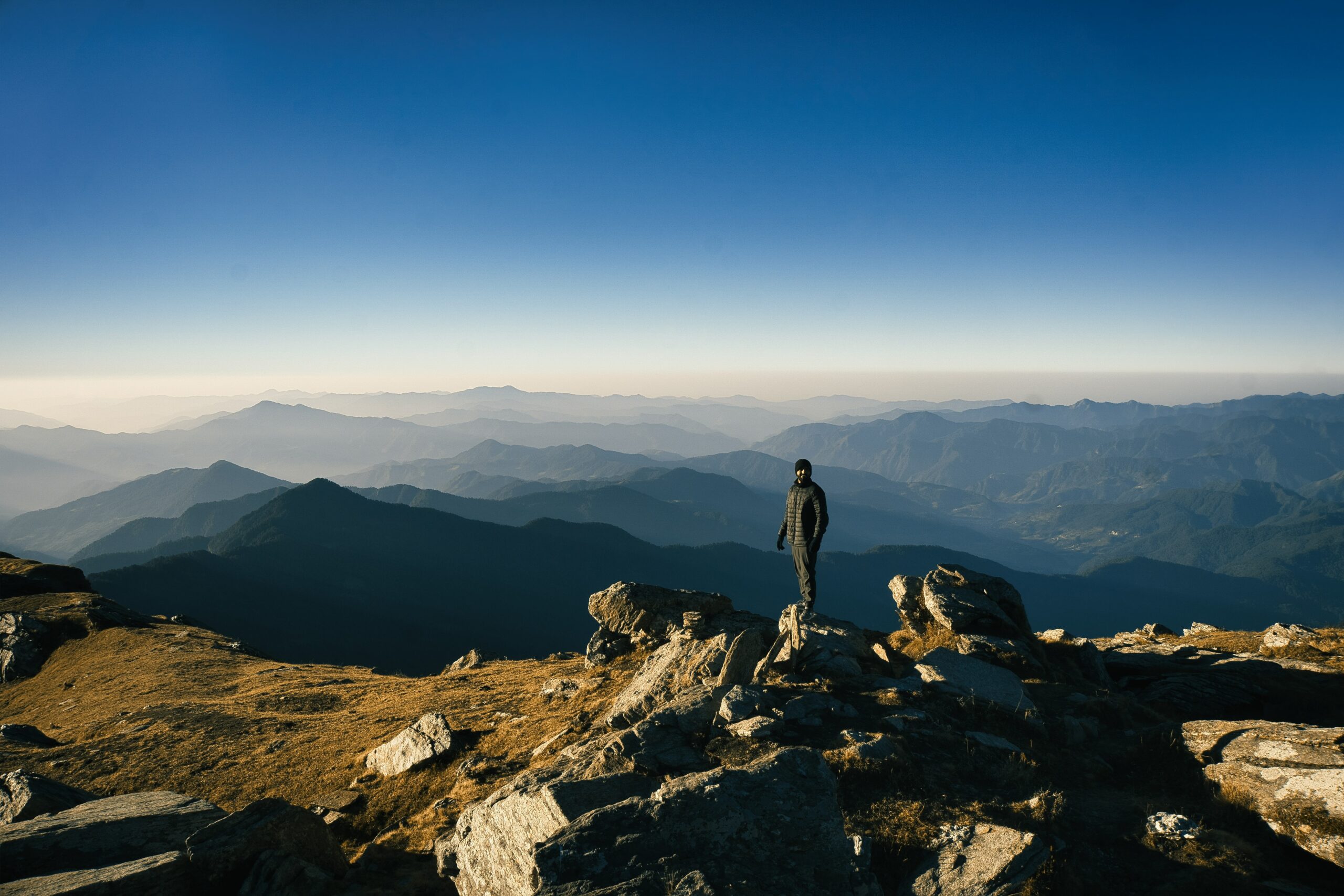
Kedarkantha Trek Quick Facts Before You Pack
Detail | What to Expect |
Maximum altitude | About 12,500 ft (3,810 m) |
Trek duration | Usually 4–5 days |
Trek distance | About 18–23 km, depending on the itinerary |
Best snow season | December to April |
Difficulty | Easy to moderate for fit beginners |
Base village | Sankri, Uttarakhand |
Forest permit | Required for the sanctuary area; operators usually arrange it |
Clothing: 10 Kedarkantha Trek Essentials Must Carry
Cold weather is easier to manage when you wear layers instead of one huge jacket. Following a proper layer system for Kedarkantha helps you stay warm without overheating during steep climbs.
- Thermal Top – 2 Pairs
Carry one to wear and one as a backup.
2. Thermal Bottom – 2 Pairs
Useful for cold nights and summit morning.
3. Quick-Dry T-Shirts – 3 or 4
Avoid cotton because it stays wet after sweating.
4. Trekking Pants – 2 Pairs
Choose quick-dry or water-resistant fabric.
5. Fleece Jacket – 1
This is your main warm mid-layer.
6. Down or Padded Jacket – 1
Needed for camp and the summit push in winter.
7. Waterproof and Windproof Shell Jacket – 1
Keep it easy to reach, not buried at the bottom of your bag.
8. Woollen Cap or Balaclava – 1
A lot of body heat escapes from your head.
9. Inner Gloves and Waterproof Outer Gloves – 2 Pairs
Wet gloves are miserable in snow.
10. Woollen Trekking Socks – 3 Pairs
Carry one extra pair in case a pair gets wet.
In winter, summit-day layering often means a base layer, fleece, insulated jacket, and windproof shell together.
Footwear and Snow Gear: 6 Items You Should Not Skip
11. Waterproof Trekking Shoes with Ankle Support
Your shoes are one of the most important pieces of gear you’ll carry. Choose the best shoes for the Kedarkantha Trek with good grip, ankle support, and water resistance. Most importantly, break them in before the trek. Wearing brand-new shoes for the first time in Sankri is one of the quickest ways to get painful blisters.
12. Trekking Pole – 1
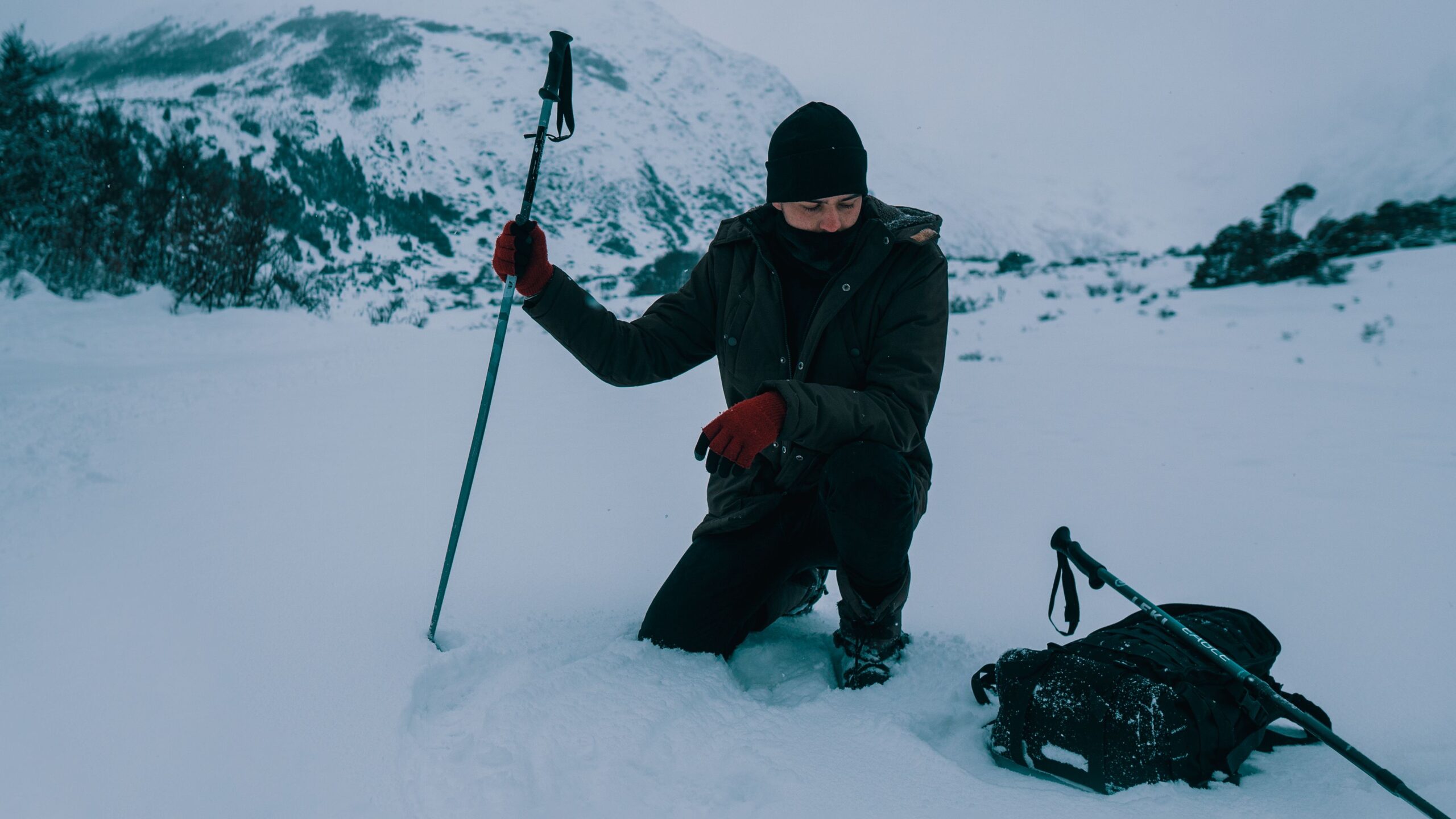
A trekking pole helps on steep climbs, loose rocks, and especially slippery descents. It is not compulsory for every trekker, but many beginners find it very useful on snow.
13. Microspikes or Snow Grips
Ask your trek operator whether they provide them. Packed snow can become very slippery.
14. Gaiters
These stop snow from entering your shoes and socks during deeper snow sections.
15. Sunglasses with UV Protection
Snow reflects sunlight strongly and can make your eyes water.
16. Sunscreen SPF 30 or Higher and Lip Balm
Cold wind and reflected sunlight can dry or burn your skin faster than you expect.
Backpack and Camping Gear: 5 Practical Items
17. Backpack with Rain Cover
For most trekkers, a 40–50 litre bag is enough if the operator carries tents and group equipment.
18. Daypack or Small Pouch
Keep water, snacks, sunglasses, gloves, and your phone easy to reach.
19. Headlamp with Spare Batteries
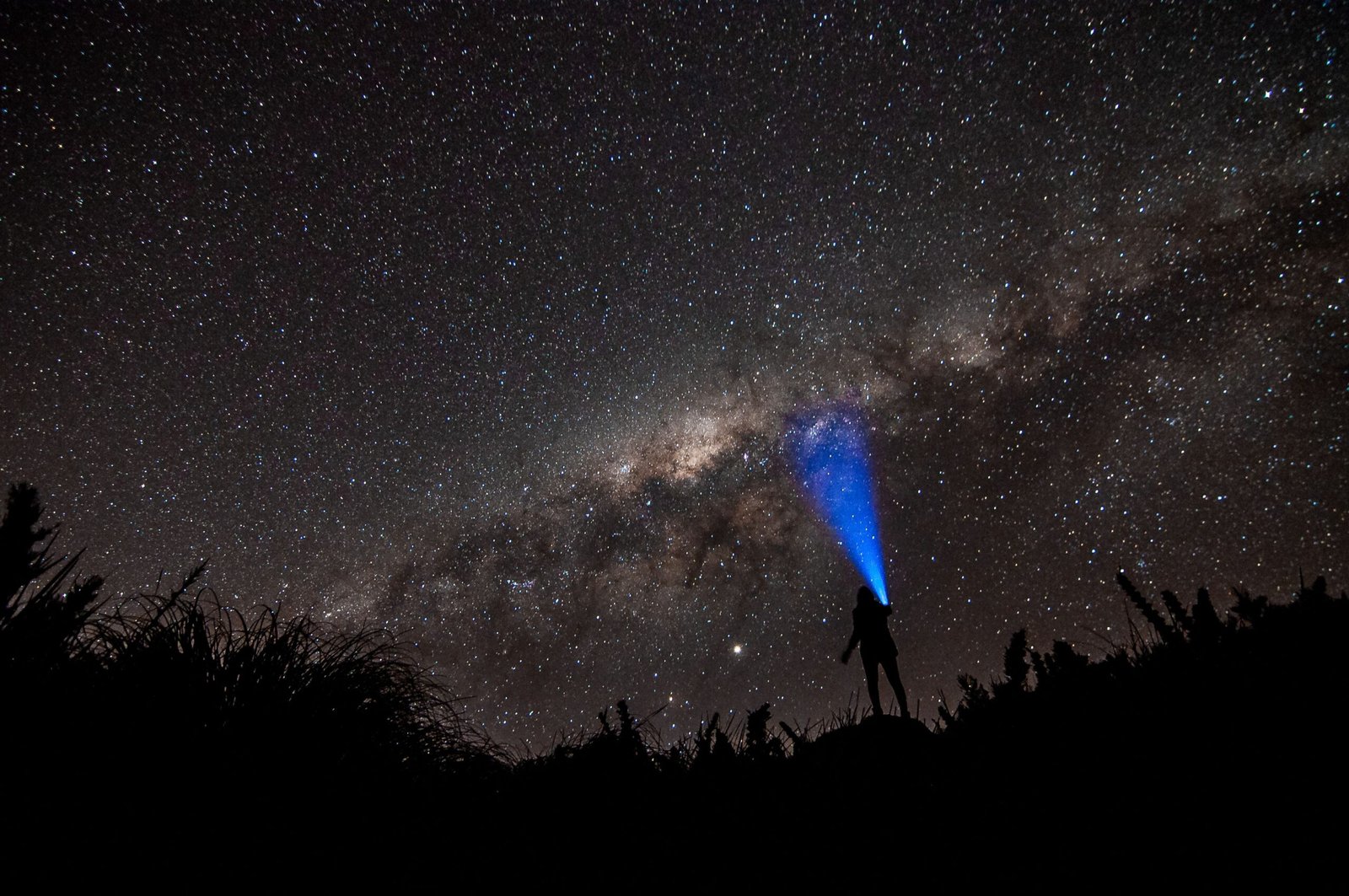
Summit starts are often before sunrise, and a headlamp is much safer than using your phone torch.
20. Reusable Water Bottles – 2 Litres Total Capacity
Carry insulated bottles if possible so water stays less icy in winter.
21. Sleeping Bag and Sleeping Mat
Check what your operator provides. Many organised treks include these, but confirm before packing. If you’re carrying your own gear, choosing the right sleeping bag for Kedarkantha will make cold nights far more comfortable.
Documents and Permits: 4 Things to Keep in a Waterproof Pouch
22. Government Photo ID
Carry a government-issued photo ID such as Aadhaar, Voter ID, or Passport. Along with your ID, make sure you have all the required Kedarkantha Trek documents before leaving home. Keeping both digital and printed copies is always a good idea.
23. Medical Fitness Certificate
Many trek operators ask for a certificate from a registered doctor stating that you are fit for trekking. Requirements can vary between operators, so confirm this before your trip.
24. Trek Booking Confirmation and Emergency Contact Details
Keep both a phone copy and a printed copy of your booking confirmation, along with emergency contact numbers.
25. Forest Permit Documents
The route passes through the Govind Pashu Vihar Wildlife Sanctuary, so forest permits are required. If you’re trekking with an organised group, these permits are usually arranged by the operator.
Medical and Personal Care: 5 Small Items That Can Save the Day
26. Personal Medicines
Carry enough medicines for the entire trek, plus an extra day’s supply in case of delays.
27. Basic First-Aid Kit
Include bandages, antiseptic wipes, gauze, medical tape, blister plasters, ORS, and pain relief medicine that is suitable for you.
28. ORS Packets
Cold weather often hides dehydration. ORS packets can help if you feel weak or dehydrated after a long day of trekking.
29. Altitude-Related Medicine Only if Prescribed
Do not self-medicate for altitude sickness. If your doctor recommends medication like Diamox, use it only as prescribed. It is also worth understanding altitude sickness on the Kedarkantha Trek so you can recognise early symptoms and inform your trek leader immediately.
30. Toiletries and Biodegradable Wet Wipes
Carry only the essentials in a small pouch. Remember to bring all waste back with you and avoid littering on the trail.
How Much Should Your Kedarkantha Backpack Weigh?
Try to keep your personal backpack around 8–10 kg if your trek operator is carrying tents, food, and group equipment. If you are carrying your own sleeping bag or extra camera gear, the weight may increase.
A simple test works well before the trek: pack your bag fully and walk for 30–45 minutes. If your shoulders hurt badly or the bag keeps pulling you backwards, remove non-essential items. A little Kedarkantha Trek preparation before your trip makes carrying your backpack much easier on the mountain.
What Not to Carry for Kedarkantha Trek
You can leave these at home unless you have a special need.
- Heavy jeans
- Large perfume bottles
- Extra shoes
- Bulky blankets
- Too many snacks
- Expensive jewellery
- Large power banks or unnecessary gadgets
- Disposable plastic bottles
- Cotton socks for trekking
The 10-Second Screenshot Checklist
If you want a quick checklist to save on your phone, keep this handy.
- 2 thermal tops
- 2 thermal bottoms
- 3–4 quick-dry T-shirts
- 2 trekking pants
- 1 fleece
- 1 padded jacket
- 1 waterproof shell
- Woollen cap
- 2 pairs of gloves
- 3 pairs of woollen socks
- Waterproof trekking shoes
- Trekking pole
- Sunglasses
- Sunscreen and lip balm
- Backpack rain cover
- Headlamp
- 2-litre water capacity
- Personal medicines
- First-aid kit
- Photo ID
- Medical fitness certificate
- Booking confirmation
Common Packing Mistakes First-Time Trekkers Make
The biggest mistakes are not dramatic. They are small decisions that become painful on day two or three.
- Wearing new shoes for the first time on the trek
- Carrying one thick jacket instead of layers
- Packing too many clothes
- Forgetting waterproof gloves
- Not carrying a rain cover
- Keeping the headlamp deep inside the backpack
- Bringing only one water bottle
- Ignoring the medical certificate requirement until the last day
- Assuming snow grips will always be available without checking
- Carrying cotton clothes that stay damp after sweating
Conclusion
The best Kedarkantha trek essentials are not the most expensive ones. They are the items that keep you warm, dry, comfortable, hydrated, and prepared for changing mountain weather. If you get five things right broken-in trekking shoes, layered clothing, waterproof gloves, a backpack with a rain cover, and all the required document, you have already avoided most of the problems that first-time trekkers face.
Pack light, keep important items easy to reach, and check your operator’s latest gear list before leaving for Sankri. A little planning before you start the journey goes a long way, allowing you to focus on what really matters enjoying every step of your Kedarkantha adventure.
FAQs
Is Kedarkantha Easy for Beginners?
Yes. Kedarkantha is generally considered an easy-to-moderate Himalayan trek and is one of the most popular choices for first-time trekkers. However, you still need basic fitness, warm clothing, and proper trekking shoes because the trail reaches 12,500 ft.
How Cold Does Kedarkantha Get?
In winter, camps can go below freezing at night, and summit mornings often feel much colder because of wind chill. Pack proper layers, gloves, a woollen cap, and a warm jacket.
Do I Really Need a Trekking Pole for Kedarkantha?
You can complete the trek without one, but a trekking pole provides extra balance on steep climbs, uneven forest trails, and slippery snow descents. Most beginners find that it reduces knee strain and makes the trek much more comfortable.
Are Microspikes Compulsory?
Not always. It depends on the snow conditions and your trek operator’s safety guidelines. Check with your operator before the trek to know whether microspikes are included or available for rent.
What Documents Are Required for Kedarkantha Trek?
Carry a government-issued photo ID, your trek booking confirmation, emergency contact details, and a medical fitness certificate if your operator requires one. Forest permits for the sanctuary are usually arranged by organised trek operators.
What Is the Best Time for Snow on Kedarkantha?
December to April is generally the best period for snow on Kedarkantha, although snowfall varies every year. If you’re planning your trip around fresh snowfall or clear summit views, it’s worth checking the best time to visit Kedarkantha Trek before finalising your dates.