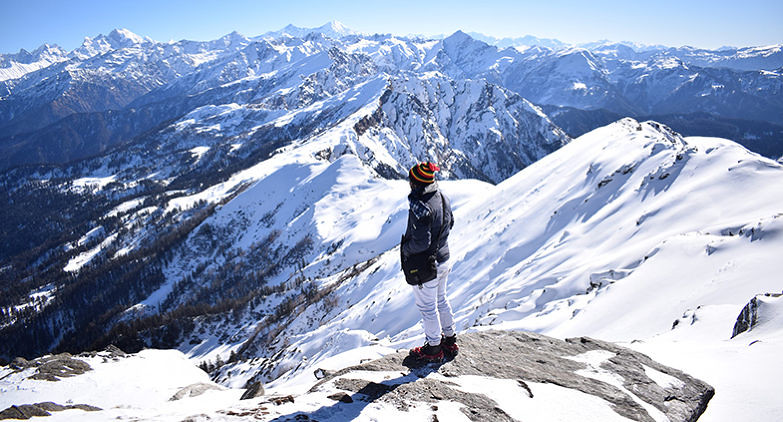
Kedarkantha is in the Uttarkashi district of Uttarakhand, inside Govind Wildlife Sanctuary in the Garhwal Himalayas. The trek starts from Sankri village, around 200 km from Dehradun.
Kedarkantha GPS Coordinates:
31°01′21″N 78°10′19″E
Many people search “where is Kedarkantha” because they get confused between Kedarkantha and Kedarnath, or between Uttarkashi and Uttarakhand. The answer is simple. Uttarakhand is the state, while Uttarkashi is the district where the trek is located.
But once you begin the journey towards Sankri, Kedarkantha stops feeling like a location on a map. It starts feeling like one of those rare mountain places that still carry silence, old legends, and proper Himalayan charm.
Also read here about: The route & Trail Map
Where Is Kedarkantha Located Exactly?
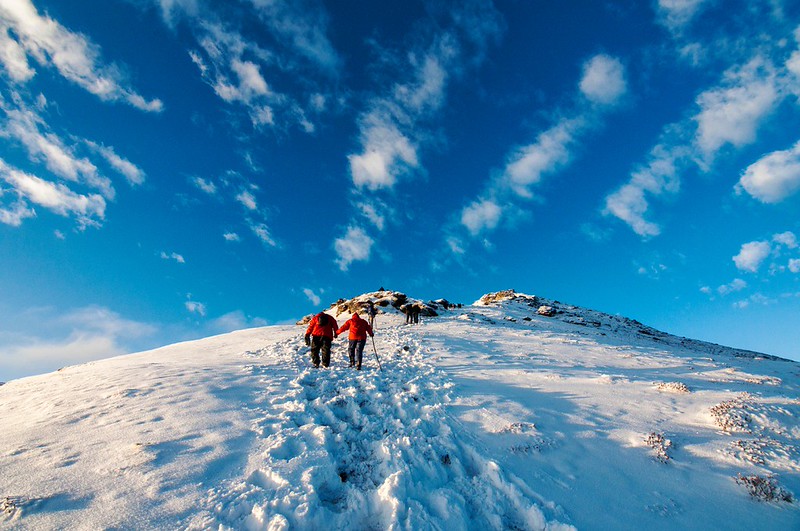
Kedarkantha is a mountain peak in the Govind Pashu Vihar National Park area of western Uttarakhand. The summit stands at around 12,500 feet above sea level.
Here is the exact geographical breakdown:
- State: Uttarakhand
- District: Uttarkashi
- Region: Garhwal Himalayas
- Base Village: Sankri
- Sankri Altitude: 6,400 ft (1,950 m)
- Nearest City: Dehradun
- Nearest Airport: Jolly Grant Airport, Dehradun
- Nearest Railway Station: Dehradun Railway Station
The trek route usually follows this path:
Dehradun → Purola → Mori → Netwar → Sankri → Kedarkantha Trek
Sankri is the last proper village before the trek begins. After this point, roads end and forest trails take over.
Kedarkantha in Which State? Uttarkashi or Uttarakhand?
This is one of the most searched doubts online. Kedarkantha is in the state of Uttarakhand and in the district of Uttarkashi. Both are correct, but they refer to different things.
Think of it like this:
- Uttarakhand = State
- Uttarkashi = District inside Uttarakhand
The trek lies close to the border of Himachal Pradesh, which is why some travellers assume it belongs there. But administratively and geographically, Kedarkantha is fully part of Uttarakhand.
Get here the full details on: Hargaon Basecamp
What Does the Name Kedarkantha Mean?
This is the part many travel blogs skip, even though it is one of the most interesting things about the mountain. The word “Kedarkantha” comes from two Sanskrit words:
- Kedara meaning Lord Shiva
- Kantha meaning throat
So Kedarkantha roughly translates to “The Throat of Lord Shiva.” There are several local legends connected to this name. One popular story says Lord Shiva came here to meditate. He wanted to build a temple on the summit, but a cow from a nearby village disturbed his meditation by mooing loudly. Shiva took it as a bad sign and left the place unfinished before moving towards Kedarnath. Locals believe the temple remained incomplete till Shiva’s throat, which gave the mountain its name.
Another legend links the mountain to the story of Samudra Manthan, where Lord Shiva consumed poison to save the universe, turning his throat blue. Some locals associate that sacred act with this peak.
Whether you believe the stories or not, they add a deeper layer to the trek. Once you hear these legends while walking through snowy forests, the mountain feels less like a tourist spot and more like an old Himalayan tale.
Why Is Kedarkantha Famous?
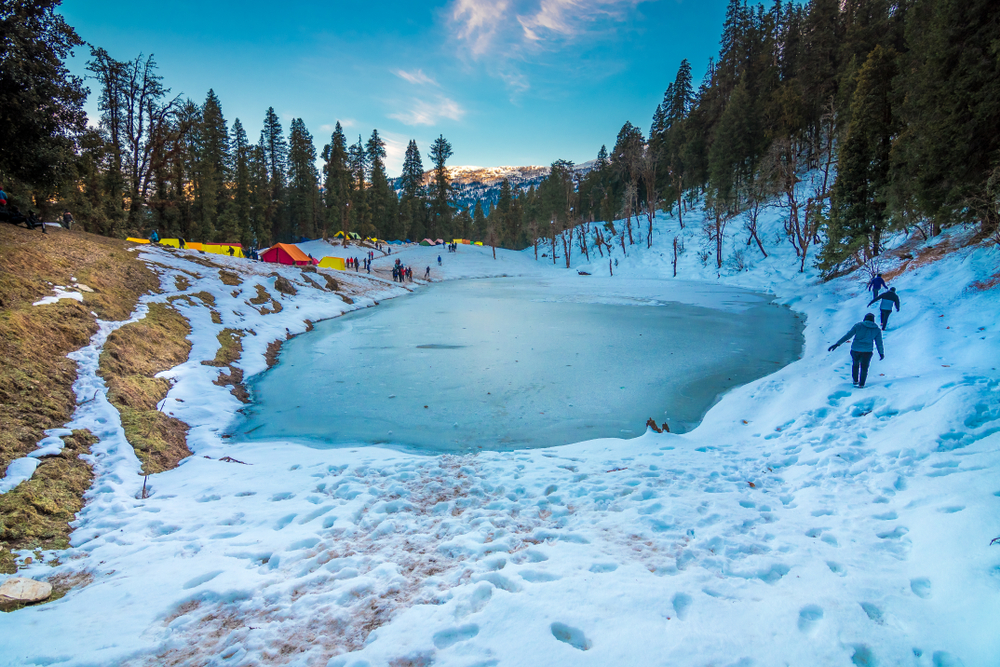
Kedarkantha became famous mainly because it offers a proper Himalayan snow trek without requiring advanced trekking experience. You get dense pine forests, snowy campsites, frozen lakes, and wide summit views without needing technical climbing skills.
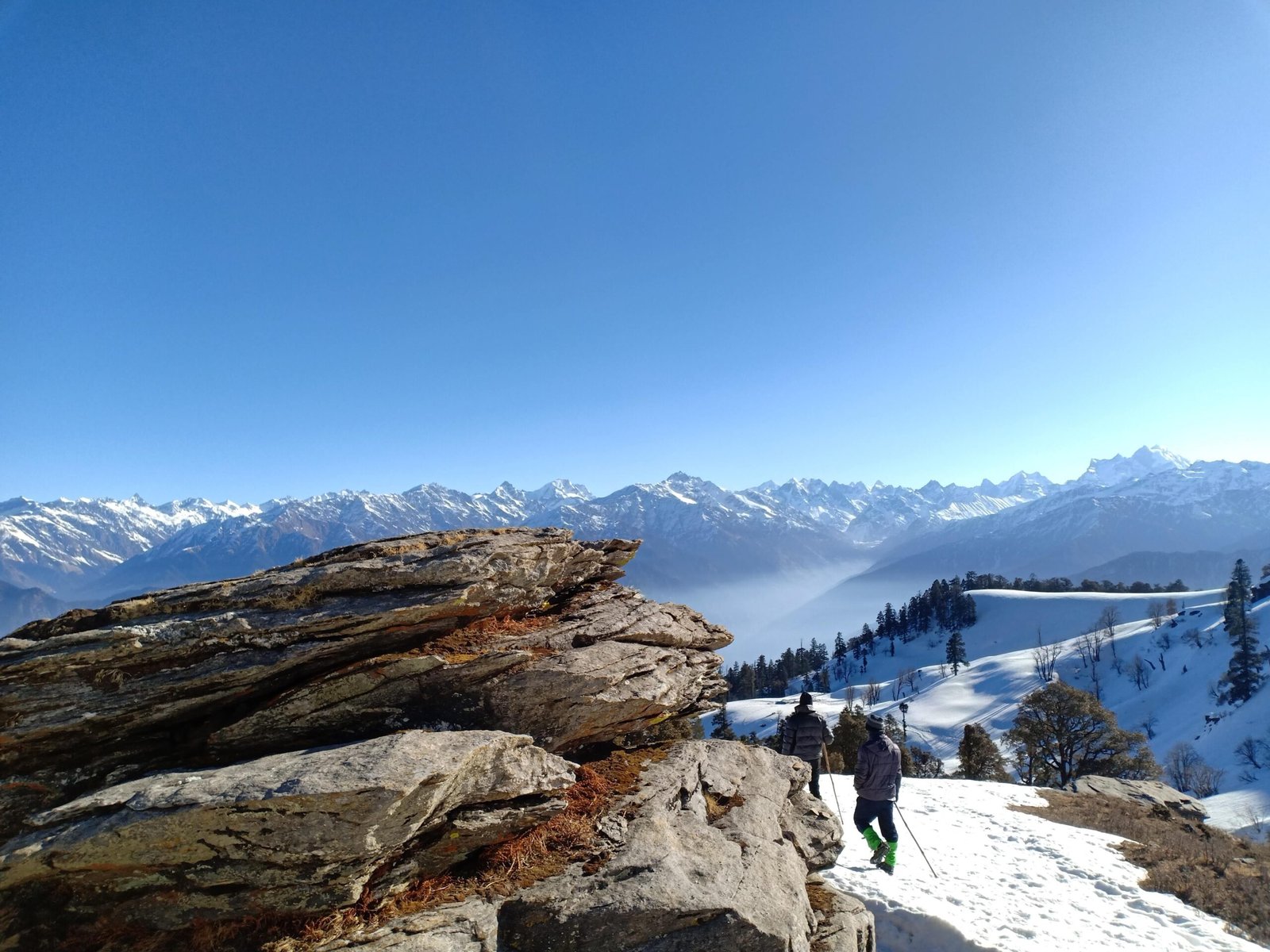
The summit itself feels surprisingly dramatic for a beginner-friendly trek. On clear days, you can spot peaks like:
- Swargarohini
- Bandarpoonch
- Black Peak
- Ranglana
- Har Ki Dun valley region
And unlike some treks where the beauty starts only near the top, Kedarkantha stays scenic almost throughout.
The Kedarkantha Summit Temple and Shiva Shrine
Another reason people confuse Kedarkantha with Kedarnath is the religious presence on the summit. At the top of Kedarkantha, there is a small shrine dedicated to Lord Shiva and Goddess Parvati. You will also notice a Trishul planted near the summit point and a small Ganesha shrine nearby.
It is not a large temple complex like Kedarnath. The atmosphere is much quieter and simpler. During winter, snow often covers parts of the shrine, which makes the summit look even more surreal.
Many trekkers are surprised to see this spiritual side of the mountain. After hours of climbing through forests and snowfields, finding a Shiva shrine at the top gives the summit a different emotional feel.
Where Is Kedarkantha on the Map?
If you search Kedarkantha on Google Maps, you will notice that vehicles can only reach till Sankri village. The actual trekking route starts from there.
The main trekking trail usually follows:
- Sankri
- Juda Ka Talab
- Kedarkantha Base Camp
- Kedarkantha Summit
The drive from Dehradun to Sankri takes around 8 to 10 hours depending on traffic, weather, and road conditions. After Purola, mountain roads become narrower and more winding. The Tons river flows beside large sections of the road, and small Garhwali villages begin appearing every few kilometres. Purola is also the last major town with reliable ATMs before Sankri. Many trekkers ignore this detail and regret it later when online payments stop working in remote areas.
How to Reach Kedarkantha
For most travellers, the journey starts from Delhi or Dehradun.
By Train
Popular trains from Delhi to Dehradun include:
- Nanda Devi Express
- Dehradun Shatabdi
- Mussoorie Express
Most trekkers prefer overnight trains because they reach Dehradun early morning.
By Bus
You can take overnight buses from:
- ISBT Kashmere Gate, Delhi
- Chandigarh
- Rishikesh
Both private and government buses operate regularly to Dehradun.
By Flight
The nearest airport is Jolly Grant Airport in Dehradun.
From the airport, you need to travel to Dehradun city and then continue towards Sankri by taxi or shared jeep.
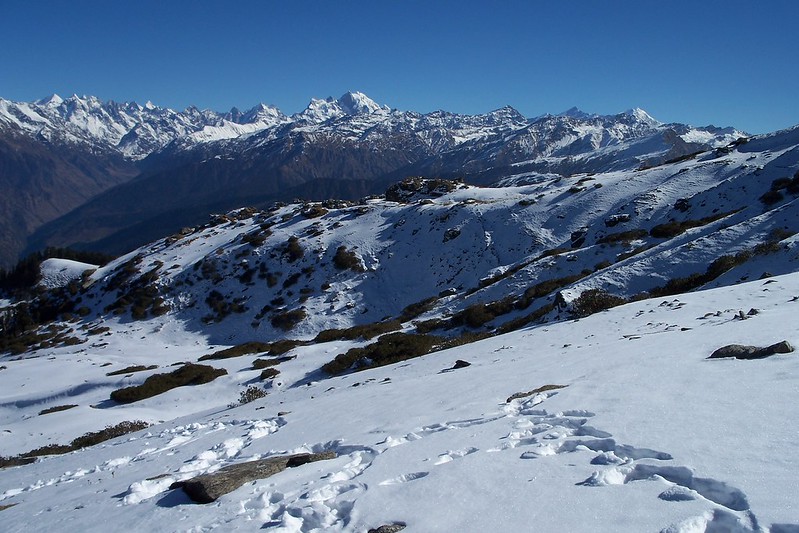
Dehradun to Sankri
Trekkers usually choose:
- Shared jeeps
- Private taxis
- Trek operator vehicles
The route passes through Mussoorie bypass, Purola, Mori, and Netwar before reaching Sankri. If you get motion sickness on mountain roads, carry medicines beforehand. The bends after Purola can feel endless during winter drives.
Govind Wildlife Sanctuary and Kedarkantha
Kedarkantha lies inside the Govind Wildlife Sanctuary area, which is one of the most beautiful forest regions in Uttarakhand.
The forests here mainly include:
- Deodar
- Oak
- Pine
- Rhododendron
The word Deodar itself comes from Sanskrit words meaning “wood of the gods.” Locals traditionally used this wood in temple construction across the Himalayas. During winter, these forests turn completely white after snowfall. In spring, rhododendron flowers begin appearing across some sections of the trail. The sanctuary is also home to wildlife like Himalayan langurs, barking deer, and mountain birds, though sightings depend heavily on season and luck.
Kedarkantha and Har Ki Dun Connection
Kedarkantha and Har Ki Dun are closely connected geographically because both treks start from Sankri village. That is why Sankri stays busy throughout the trekking season. Some trekkers even combine both experiences during longer Uttarakhand trips.
The difference is simple:
- Kedarkantha is more famous for winter snow trekking
- Har Ki Dun is known for valley landscapes and ancient villages
Still, both share the same mountain culture, forest routes, and Garhwali atmosphere.
FASs
Is Kedarkantha in Himachal Pradesh?
No. Kedarkantha is in Uttarakhand, specifically in Uttarkashi district.
How far is Kedarkantha from Delhi?
Delhi to Sankri distance is roughly 430 to 450 km.
Is Kedarkantha near Kedarnath?
No. Kedarkantha and Kedarnath are different places located in different districts of Uttarakhand.
What is the base village of Kedarkantha?
Sankri village is the main base camp for the kedarkantha trek.
What is the altitude of Kedarkantha summit?
The summit stands at around 12,500 feet.
Can beginners do the Kedarkantha trek?
Yes. Kedarkantha is considered one of the best beginner-friendly Himalayan treks in India.
By the time you finally stand on the summit with snow crunching beneath your boots and layers of Himalayan peaks stretching across the horizon, the question stops being “where is Kedarkantha?” and quietly becomes “when can we come back again?”