Wet wipes are banned or strongly discouraged on the Kedarkantha trekking because they do not break down easily and can harm the mountains, forests, water sources, and wildlife.
Many trekkers feel surprised when they hear this rule. A wet wipe looks small. It does not seem like a big problem. But when thousands of trekkers use them every year, the waste quickly adds up. If you are planning the trek, it helps to understand why this rule exists. Once you know the reason, it becomes much easier to follow.
Also checkout: Best shoes for Kedarkantha
Why Wet Wipes Are Not Good for the Mountains
Most people think wet wipes are made of paper. They are not. Most wet wipes contain plastic fibres. These fibres help the wipes stay strong and wet. The problem is that plastic does not break down quickly in nature.
A wet wipe thrown on the trail may stay there for many years. This is one reason why many trek operators follow a sustainable and eco-friendly approach on the Kedarkantha winter trek. They want to keep the mountain clean for future trekkers.
What Happens When Wet Wipes Are Left Behind?
Many people think a wet wipe will disappear after a few months. That usually does not happen. Snow covers the ground during winter. When the snow melts, the wipes often appear again. They get stuck in bushes, near campsites, or along the trail.
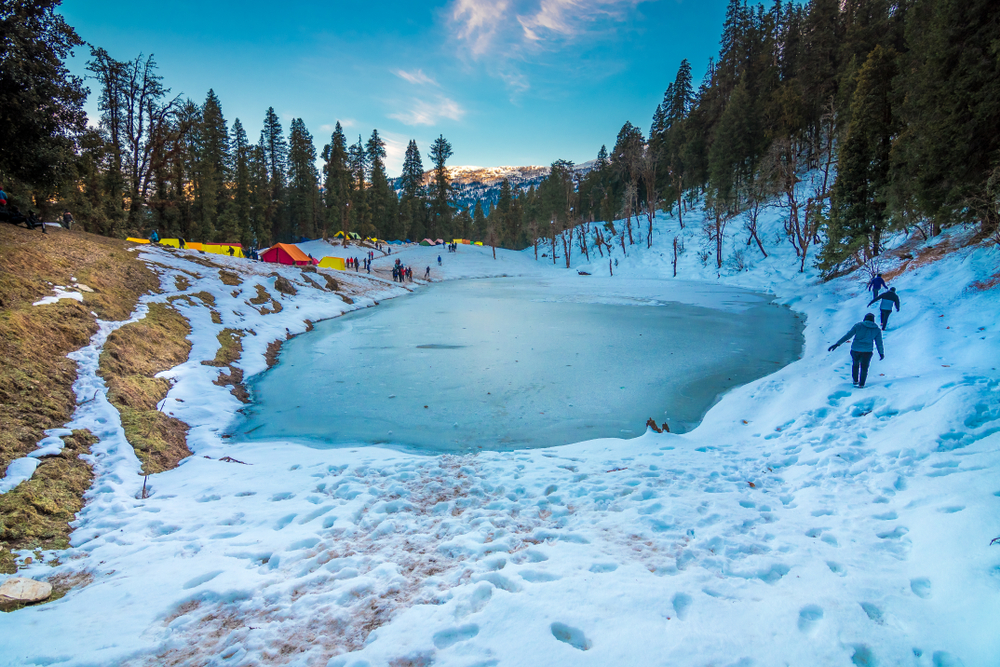
Over time, this waste spoils the beauty of the trek. The Kedarkantha trail passes through beautiful forests, open meadows, and peaceful campsites. Places like Juda Ka Talab are known for their natural beauty, and nobody wants to see plastic waste scattered around them.
Wet Wipes Can Harm Wildlife
The problem is not only about litter. Animals can also suffer. Used wipes may carry food smells, soap, or other scents. Wild animals can be attracted to them. Some animals may chew or swallow them by mistake.
Plastic can make animals sick. The forests around the trek are part of the Govind Pashu Vihar Wildlife Sanctuary, which is home to many birds and animals. Keeping the trail clean helps protect their home.
How Zero-Waste Trekking Works
Many trekking companies now follow strict waste rules. As you move from Sankri Village to Juda Ka Talab and then towards Kedarkantha Base Camp, guides often remind trekkers not to leave anything behind.
The idea is simple. Whatever you carry up the mountain should come back down with you. This is the heart of zero-waste trekking. It helps keep campsites clean and reduces the amount of rubbish left in the mountains.
Why Trek Operators Use Steel Cutlery
You may notice that many trek companies use steel plates, steel mugs, and steel spoons. There is a good reason for this. Steel items can be washed and used again and again. They create almost no waste. Plastic plates and disposable cups are used once and then thrown away.
This is why the no wet wipes and steel cutlery model has become popular among responsible trekking companies. A small change like using steel cutlery can prevent a lot of waste.
What Can You Use Instead of Wet Wipes?
Many first-time trekkers worry about staying clean. The good news is that there are better options.
You can carry:
- A small quick-dry towel
- A handkerchief
- Hand sanitiser
- Biodegradable soap sheets
- A reusable cloth
These items work well and create much less waste. Many experienced trekkers use them on every trek. If you are preparing your gear, a good Kedarkantha packing list can help you choose eco-friendly essentials before you leave home.
What About Toilets on the Trek?
This is a common question. Most organised treks provide toilet tents or eco-friendly toilet setups at campsites. These systems work better when plastic waste stays out. Wet wipes do not break down properly. They make waste handling much harder.
That is why guides often ask trekkers to carry such waste back to the base. It may seem like a small effort, but it helps keep the campsites clean.
Also chekout: Sleeping bag for Kedarkantha
Menstrual Waste on the Trek
Women complete the trek every season. The key is planning ahead. Some trekkers prefer menstrual cups because they can be reused and create very little waste.
Others use sanitary products and carry them back in sealed bags. The rule is simple. Nothing should be left on the mountain. This helps keep the trail clean for everyone.
Why These Rules Matter
Kedarkantha has become one of the best winter treks in India and attracts thousands of trekkers every year. If every trekker leaves behind even a small amount of waste, the problem becomes huge.
Clean trails do not stay clean by luck. They stay clean because trekkers, guides, and local teams work together to protect them. When everyone does their part, the mountain stays beautiful.
Simple Zero-Waste Tips for Trekkers
You do not need to change everything. A few simple habits make a big difference.
- Carry a reusable water bottle.
- Avoid wet wipes when possible.
- Use a quick-dry towel.
- Bring reusable items.
- Carry your waste back.
- Avoid single-use plastic.
- Follow your guide’s instructions.
- Respect nature and water sources.
Small actions from many people create a big result.
FAQs
Are wet wipes banned on the Kedarkantha Trek?
Many trek operators discourage or ban them because they create waste that does not break down easily.
Can I bury wet wipes?
No. Most wet wipes contain plastic fibres and can stay in the soil for many years.
Are biodegradable wipes allowed?
Some operators may allow them, but rules can differ. Always check before your trek.
Why do trek companies use steel cutlery?
Steel cutlery can be reused many times and creates almost no waste.
Is zero-waste trekking really important?
Yes. Thousands of trekkers visit Kedarkantha every year. Without good waste rules, the trail would quickly become polluted.
The mountains give us clean air, beautiful views, and unforgettable memories. The least we can do is leave them as clean as we found them for the next person who walks the same trail.