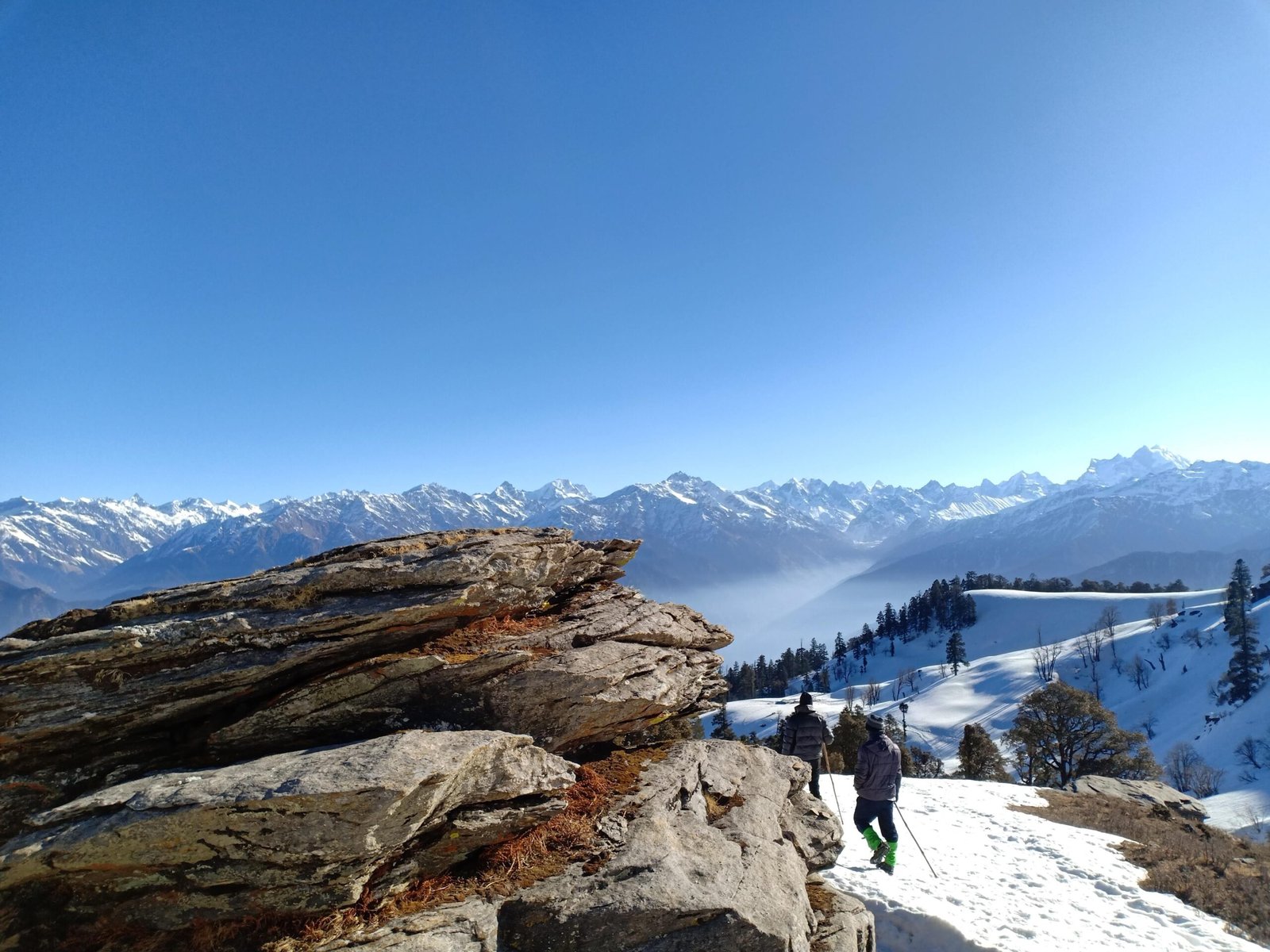
The view of Bandarpoonch Peak from Kedarkantha is one of the biggest rewards of the trek, with the massive snow-covered mountain dominating the horizon from the summit on a clear day. Many people book the Kedarkantha Trek for the snow, the forests, or the famous summit climb. Then they reach the top and realise the real show is happening all around them. One of the stars of that show is Bandarpoonch.
If you are wondering whether you can see Bandarpoonch from Kedarkantha, the answer is yes. In fact, for many trekkers, it becomes one of the most memorable parts of the summit morning.
The first time we stood on the Kedarkantha summit, everyone was busy taking photos. Some were celebrating. Others were catching their breath after the final climb. Yet almost every person eventually stopped talking and stared towards the distant snow giants. Bandarpoonch was one of those peaks that seemed to pull everyone’s attention without trying.
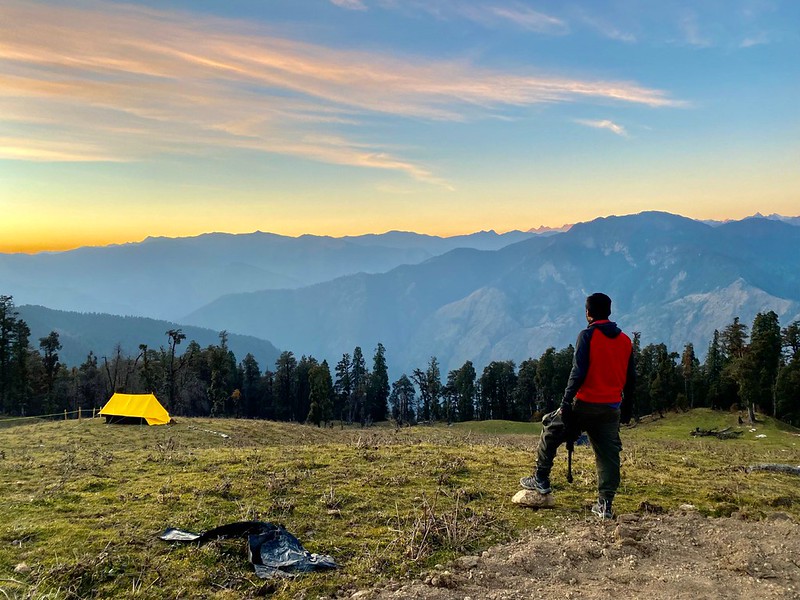
Why the Peak Bandarpoonch from Kedarkantha View Is Special
The Kedarkantha summit stands at about 12,500 feet. While that is impressive, it is not the highest mountain in the region. What makes it special is its position. The summit sits in a location that offers wide views in nearly every direction. Instead of being surrounded by taller peaks, you stand on an open viewpoint. This allows you to see some of the most famous mountains of the Garhwal Himalayas.
Bandarpoonch rises prominently among them. At around 6,316 metres or 20,722 feet, Bandarpoonch is much higher than Kedarkantha. Its broad snow-covered slopes and striking profile make it easy to recognise even for first-time trekkers. Many people expect the summit itself to be the highlight. Surprisingly, the views often steal the show.
You Can See Bandarpoonch Before the Summit
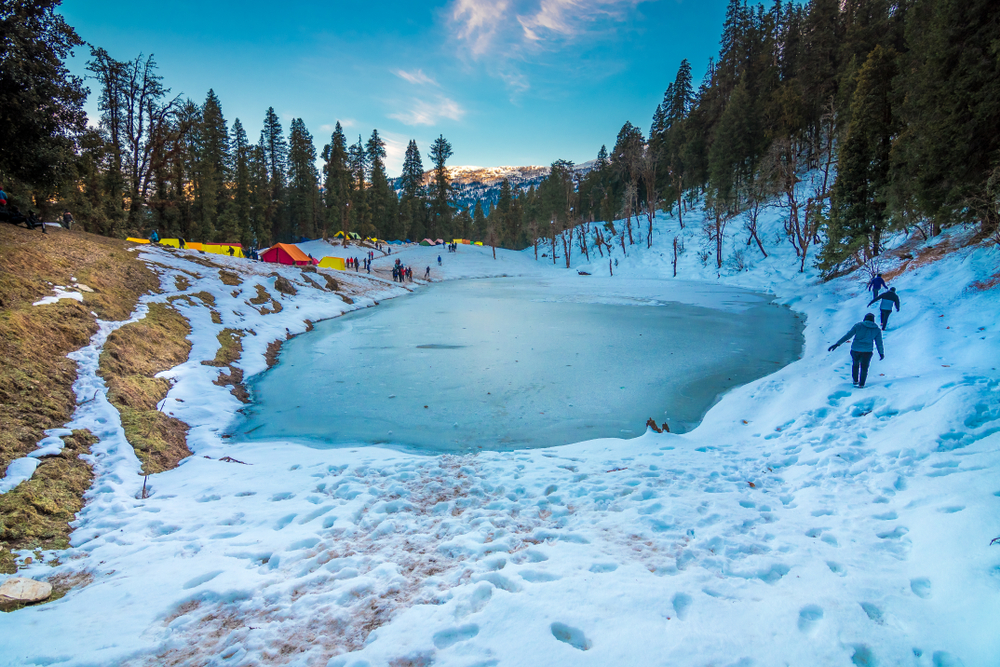
One common misconception is that Bandarpoonch appears only after reaching the summit. That is not usually the case. On clear days, trekkers often get their first glimpse of the mountain from Sankri, the starting point of the trek. As you move towards Juda Ka Talab at around 8,900 feet and later reach Kedarkantha Base Camp near 11,200 feet, the views gradually improve.
The summit simply provides the grand finale. Think of it like watching a film trailer before the main movie. The mountain reveals itself little by little during the trek. Then it finally takes centre stage on summit morning. This gradual build-up is one reason many trekkers remember the view so clearly.
What Does Bandarpoonch Look Like from Kedarkantha?
Bandarpoonch does not look like a sharp needle-shaped peak. Instead, it appears broad, powerful, and heavily covered in snow. During winter, the mountain often glows white under the morning sun. The name Bandarpoonch translates roughly to “Monkey’s Tail.” Local stories connect it to the Ramayana and the journey of Lord Hanuman. Whether you believe the legend or simply enjoy mountain folklore, it adds another layer of character to the landscape.
When sunlight first touches the peak, the colours can change quickly. Soft pink shades appear for a few moments. Then the mountain turns golden before settling into brilliant white. That short display is one reason why the Kedarkantha summit day begins well before sunrise.
Bandarpoonch Is More Than a Single Peak
Many trekkers refer to Bandarpoonch as a single mountain. In reality, it is a mountain massif made up of several peaks and ridges. Bandarpoonch I is the main summit, while Bandarpoonch II and nearby summits form part of the wider mountain system. This detail becomes important when people start identifying peaks from Kedarkantha.
Black Peak, also known as Kala Nag, is often discussed separately because of its distinctive shape and popularity among mountaineers. Yet it belongs to the broader Bandarpoonch range rather than standing as a completely unrelated mountain.
Understanding this makes the panorama easier to appreciate. You are not looking at one isolated peak. You are looking at an entire Himalayan mountain complex.
Peak Bandarpoonch from Kedarkantha During Sunrise
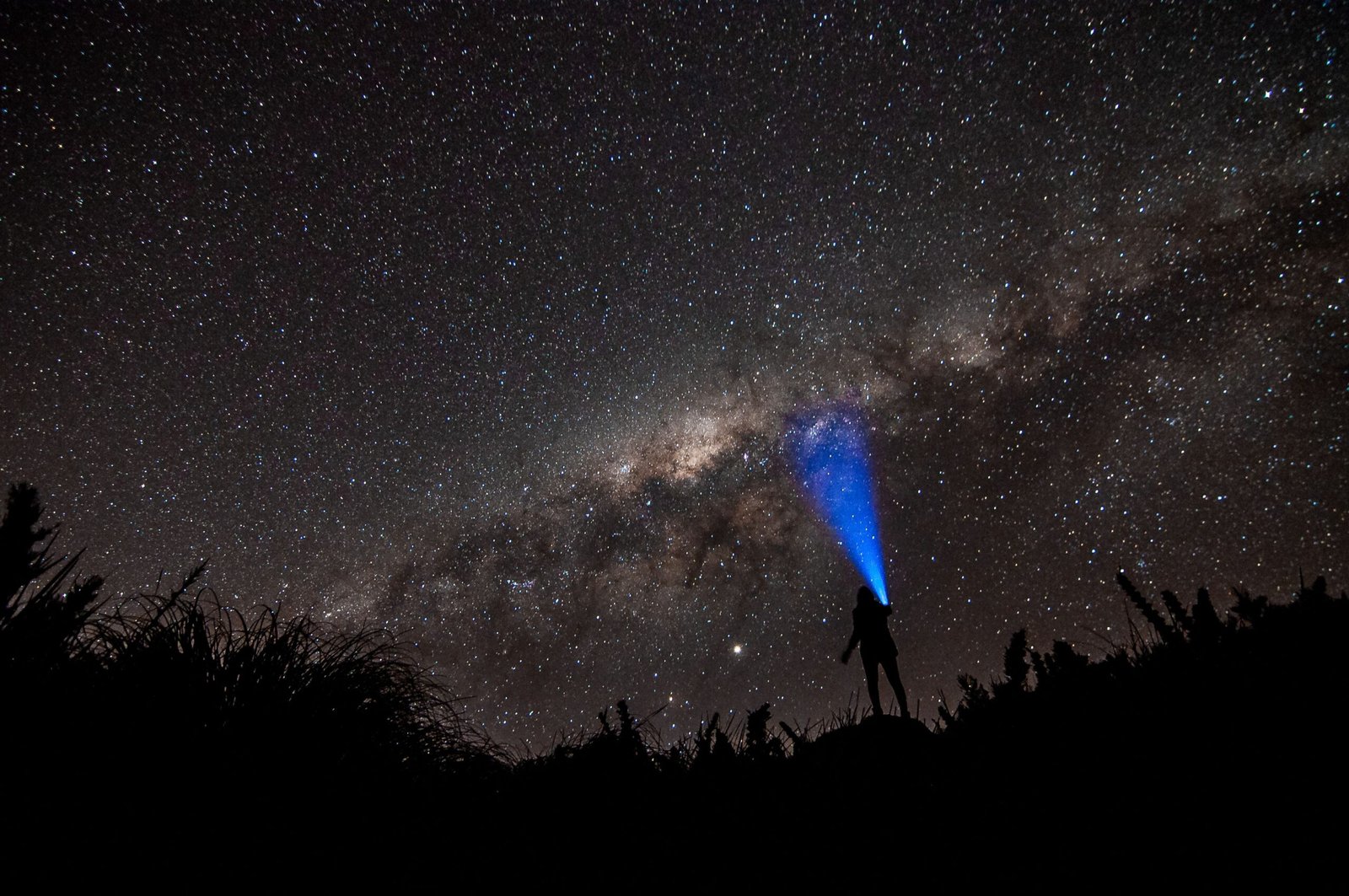
Most trekkers leave camp in darkness. Headlamps move slowly through the snow like a line of tiny stars. At that moment, many people question their decision to wake up so early. Then sunrise arrives. The sky begins changing colour. The surrounding peaks slowly emerge from the shadows. Bandarpoonch starts catching the first light.
This is usually when people stop thinking about cold fingers or tired legs. A good Himalayan sunrise feels almost unreal. Photos rarely capture what your eyes actually see. That is especially true after fresh snowfall.
Bandarpoonch Kedarkantha Summit View Height Range Explained
Many trekkers become curious about the height difference between the mountains they see. Kedarkantha stands at roughly 12,500 feet, and understanding the altitude becomes easier if you know more about what Kedarkantha feels like at 12,000 ft. Bandarpoonch rises to more than 20,700 feet.
That means the Bandarpoonch Kedarkantha summit view height range difference is over 8,000 feet. This dramatic difference is one reason Bandarpoonch appears so dominant from the summit. You immediately realise that you are looking at a true Himalayan giant.
Yet the beauty of Kedarkantha is that you do not need technical climbing skills to enjoy views normally associated with far tougher expeditions.
The Mountaineering History Behind Bandarpoonch
Bandarpoonch is not only beautiful. It also has an important place in Himalayan climbing history. In 1950, a team that included the legendary mountaineer Tenzing Norgay successfully climbed Bandarpoonch. Just three years later, Tenzing would become world famous after reaching the summit of Mount Everest alongside Sir Edmund Hillary.
Knowing this history adds extra meaning to the view. The mountain standing before you is not just another snowy peak. It is part of the story of Himalayan exploration and mountaineering.
Many trekkers discover this fact only after returning home. Learning it before the trek often makes the summit experience even richer.
Other Peaks Visible Alongside Bandarpoonch
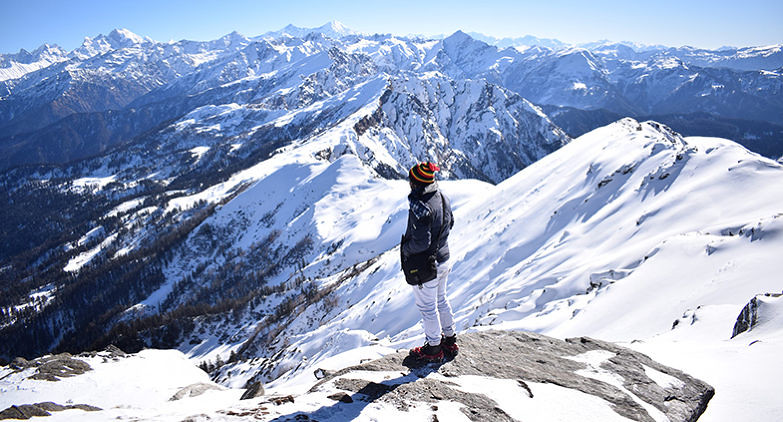
Bandarpoonch often gets most of the attention, but it is not alone. On a clear day, the summit offers views of several famous Himalayan peaks and ranges. Many trekkers also enjoy identifying the other peaks visible from the summit panorama.
Some of the mountains commonly visible include:
- Swargarohini
- Black Peak (Kala Nag)
- Ranglana
- Gangotri ranges
- Yamunotri region peaks
This is why many trekkers spend longer at the summit than expected. They arrive expecting a quick photo stop. Instead, they end up studying the skyline and trying to identify mountains. Every direction reveals something new.
Also read here about: The kedarkantha summit temples
Best Time to See Bandarpoonch from Kedarkantha
The view depends heavily on weather. A cloudy day can hide even the largest mountains. A clear winter morning can reveal peaks stretching far into the distance.
Generally, the best visibility comes during the months covered in our guide to the best time to visit Kedarkantha Trek:
- December
- January
- February
- Early March
Winter air often feels cleaner and clearer. Snow on the surrounding mountains also creates stronger contrast, making Bandarpoonch easier to spot. After fresh snowfall, the landscape can look especially dramatic. Those are the mornings photographers secretly hope for.
What If the Weather Is Bad?
This is a realistic concern. Many trekkers spend weeks planning their trip. Nobody wants clouds hiding the views on summit day. The truth is that weather always has the final word in the Himalayas. Sometimes Bandarpoonch appears crystal clear. Sometimes it hides behind clouds. Occasionally the summit itself sits inside mist.
That uncertainty is part of mountain travel. We often tell trekkers not to judge the experience only by visibility. The forests, campsites, snow-covered trails, and summit climb remain rewarding even when the mountains play hide and seek. And sometimes the best views appear for only a few minutes between moving clouds.
Is Seeing Bandarpoonch Worth the Early Summit Push?
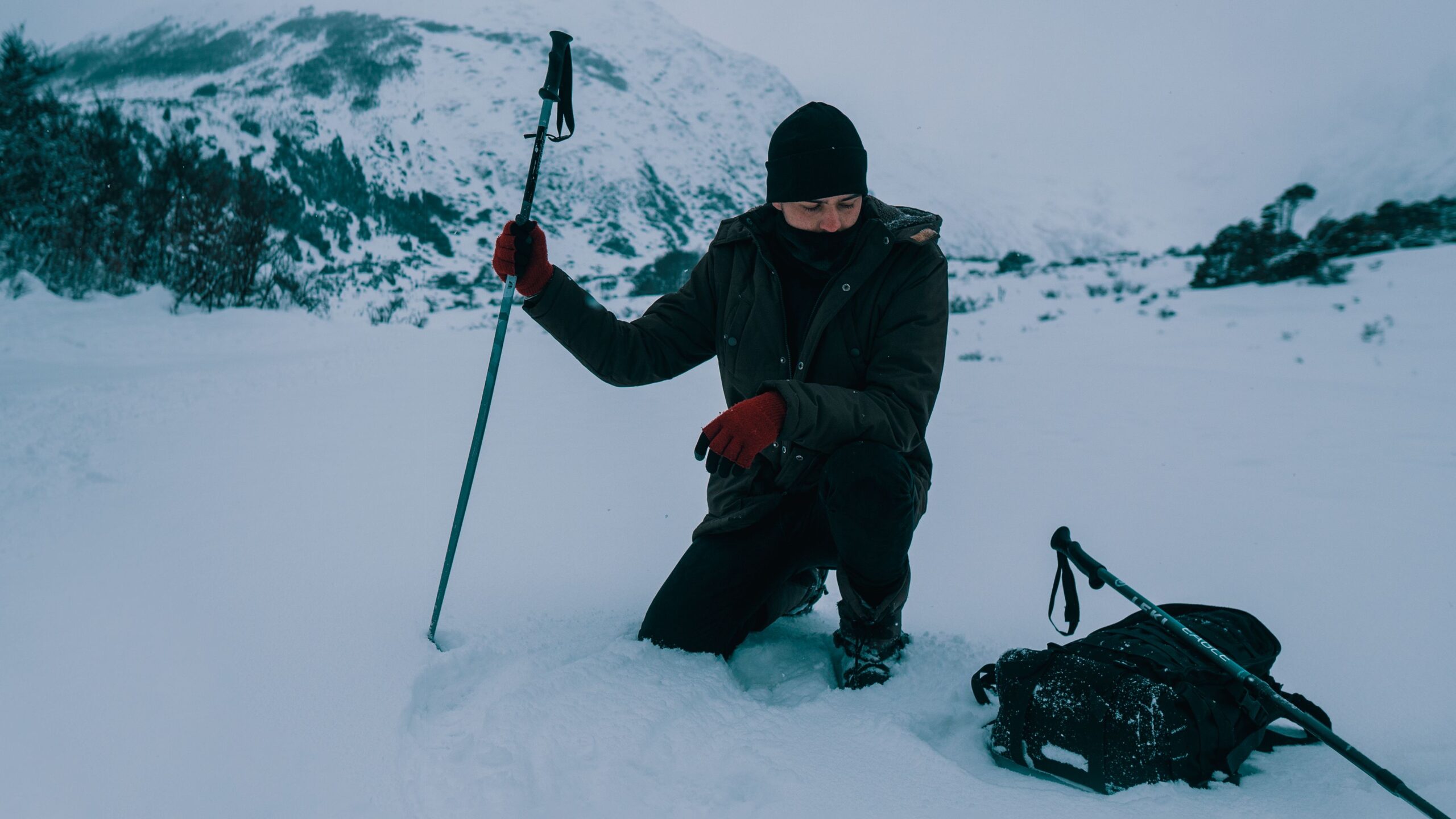
Absolutely. The summit climb usually begins long before sunrise. It is cold. The trail feels steeper than it did the previous day. Sleep often feels more appealing than another uphill walk.
Then you reach the top. Suddenly the effort makes sense. Seeing the peak Bandarpoonch from Kedarkantha is not just about spotting another mountain. It is about experiencing the scale of the Himalayas. It gives context to everything around you.
The mountain reminds you how small you are and how vast the landscape really is. That feeling stays with many trekkers long after the trek ends.
Practical Tips for Enjoying the Summit View
A little preparation can make the experience much better. Following a proper Kedarkantha trek packing list helps you stay comfortable during the cold summit morning.
Keep these points in mind:
- Start the summit climb with enough warm layers.
- Carry gloves that allow easy phone use.
- Keep your camera or phone battery warm.
- Reach the summit before sunrise if possible.
- Spend time looking around, not only taking photos.
- Learn the names of major peaks before the trek.
Many trekkers spend the entire summit taking selfies. Hours later, they struggle to remember which mountains they actually saw. A few minutes of observation often creates stronger memories than dozens of photographs.
FAQs
Can you see Bandarpoonch from Sankri?
Yes. On clear days, parts of the Bandarpoonch range are visible from areas around Sankri. The views become much better as you gain altitude during the trek.
Is Bandarpoonch the same as Black Peak?
No. Black Peak, also called Kala Nag, is a separate summit within the broader Bandarpoonch mountain range. They are closely related but not the same peak.
What is the height of Bandarpoonch compared to Kedarkantha?
Kedarkantha stands at around 12,500 feet, while Bandarpoonch rises to approximately 20,722 feet. The difference is more than 8,000 feet.
When is the best time to see Bandarpoonch from Kedarkantha?
Clear winter mornings between December and March generally offer the best visibility. Sunrise often provides the most dramatic views.
Do clouds often block the Bandarpoonch view?
Yes. Weather changes quickly in the Himalayas. Some trekkers enjoy crystal-clear views, while others encounter clouds or mist. That unpredictability is part of every mountain journey.