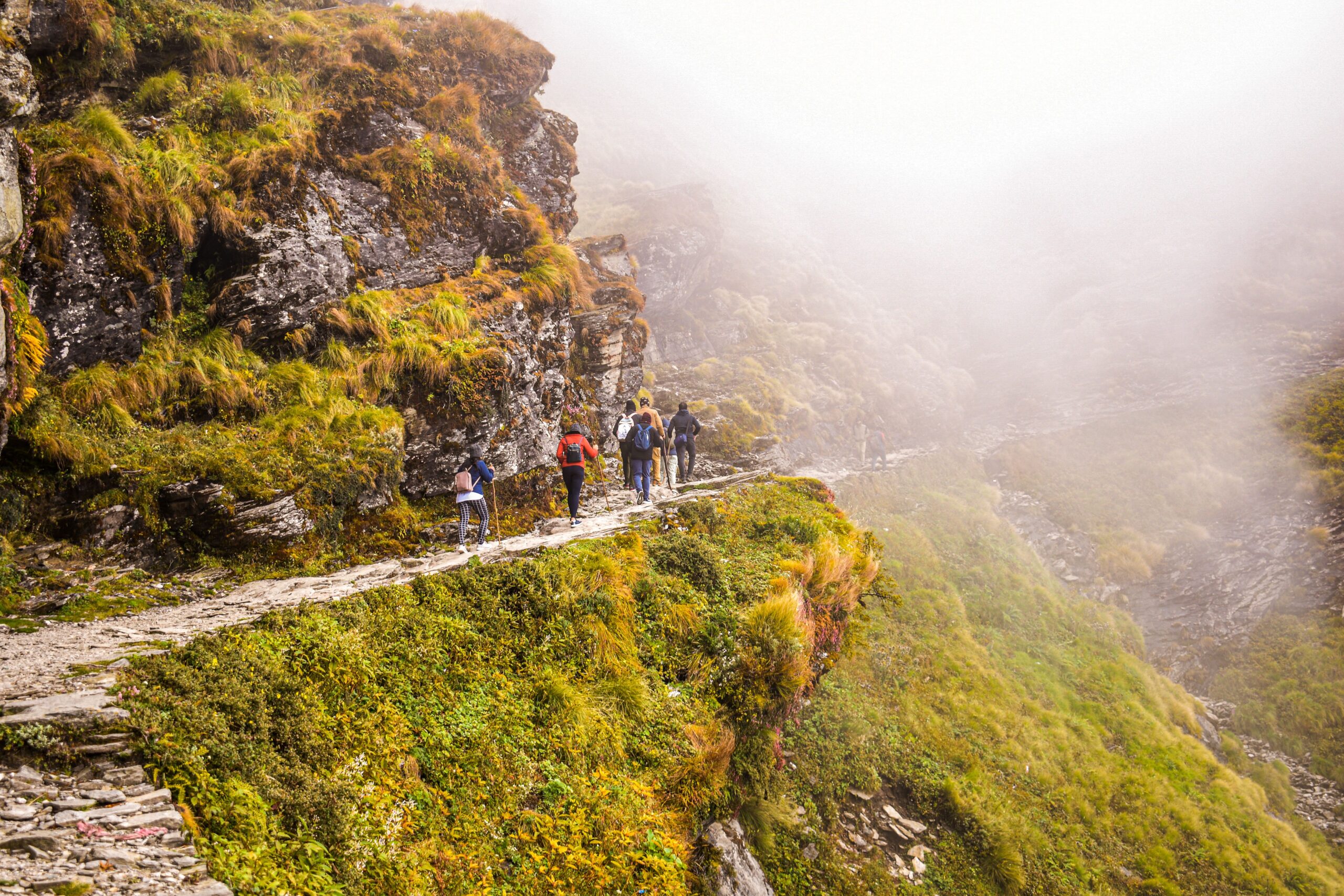
If you’re wondering how to get fit for Kedarkantha trek, start preparing at least six weeks before your trek. Build your stamina with regular walking or jogging, strengthen your legs, train with a backpack, and improve your breathing. You do not need to be an athlete, but you should be fit enough to enjoy the climb instead of simply enduring it.
The Kedarkantha Trek is often called one of the best beginner-friendly Himalayan treks, but that does not mean you can show up without preparation.
Every winter, we meet trekkers who think youth alone is enough. By the second day, they are out of breath on gentle climbs. At the same time, we also see people in their forties and fifties walk comfortably because they spent a few weeks preparing. Good fitness does not make the mountain easier. It simply allows you to enjoy every step instead of worrying about the next one.
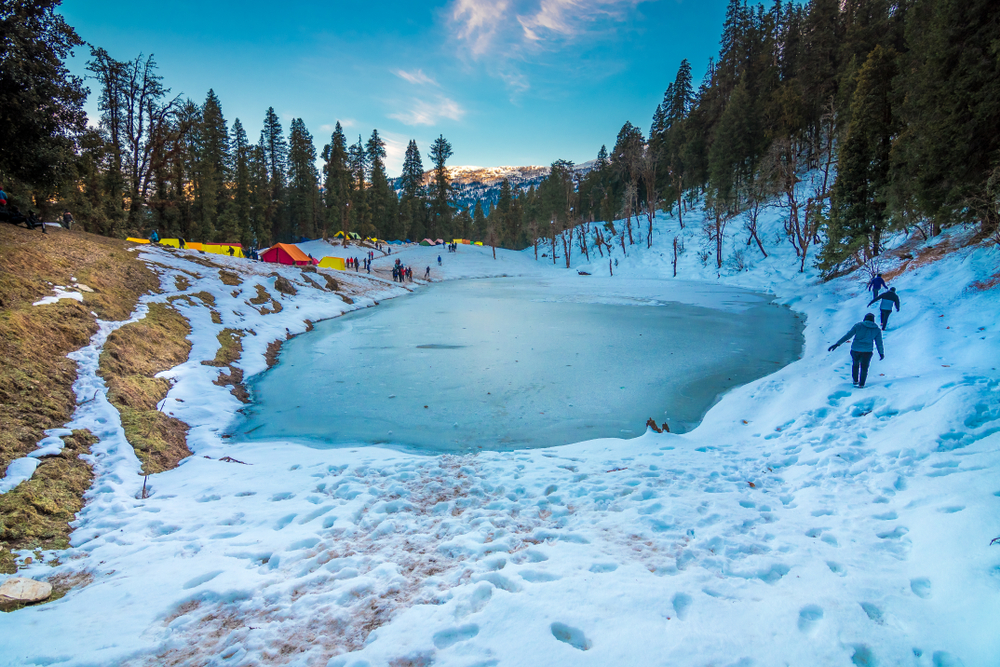
Why You Need to Train for Kedarkantha Trek
Before starting your fitness plan, it helps to know what your body is preparing for. The Kedarkantha Trek is not a marathon, but it is still a Himalayan trek where you walk for several hours every day. Although it is considered an easy to moderate trek, understanding the actual Kedarkantha trek difficulty will help you prepare more realistically.
Trek Detail | What to Expect |
Trek Duration | 4 to 5 Days |
Total Trek Distance | Around 20 to 24 km |
Highest Altitude | 12,500 ft (3,810 m) |
Daily Walking Time | 4 to 6 hours |
Summit Day | Around 7 to 8 hours of trekking |
Difficulty Level | Easy to Moderate |
The summit day is the most demanding part of the journey. You usually begin before sunrise, climb steadily for nearly five hours, reach the summit, and descend on the same day. Your legs, lungs, and mind all need to work together. That is why endurance matters much more than speed.
If you want to know exactly what this day feels like, read our detailed guide to Kedarkantha summit day.
A Simple Fitness Test Before Your Trek
Many people ask us, “How do I know if I am fit enough?” Instead of guessing, try this simple test one or two weeks before your departure. You are generally ready for Kedarkantha if you can:
- Walk or jog 5 km in 40 to 45 minutes without feeling completely exhausted.
- Climb 10 to 12 floors of stairs at a steady pace without taking long breaks.
- Carry a 5 kg backpack during a one-hour walk comfortably.
- Recover within a few minutes after finishing your workout.
You do not need to achieve these goals on your first attempt. They simply give you a clear target while preparing.
How to Get Fit for Kedarkantha Trek in 6 Weeks
The biggest mistake beginners make is trying to do everything in one week. Your body needs time to adapt. A gradual six-week plan works far better than intense workouts just before the trek.
Weeks 1 and 2: Build Your Base
Your first goal is consistency. Even if you feel energetic, avoid pushing yourself too hard in the beginning. Build a routine that you can follow every week.
Focus on:
- Brisk walking for 30 to 40 minutes.
- Light stretching after every walk.
- Climbing stairs for 10 to 15 minutes.
- Drinking enough water throughout the day.
If you have a desk job, these small changes can improve your stamina surprisingly fast.
Weeks 3 and 4: Build Strength
Now your muscles are ready for extra work. The uphill climb to Kedarkantha demands strong thighs, calves, and hips. Strong legs also reduce knee pain during the descent.
A simple routine is enough.
- 15 squats
- 10 lunges on each leg
- 20 step-ups on stairs
- 30-second plank
- Repeat three rounds
Do one longer walk every weekend. Aim for 7 to 8 km without rushing. Each exercise prepares you for a specific part of the trek. Squats help during long uphill sections. Step-ups copy the movement you repeat while climbing rocky trails. Planks improve stability when walking on uneven snow.
Weeks 5 and 6: Train Like You Will Trek
This is the stage where your confidence grows. Carry a backpack weighing around 4 to 6 kg during your practice walks. Wear the best shoes for Kedarkantha trek that you plan to use in the mountains. Small issues like shoe pressure or shoulder discomfort become obvious now instead of on the trek. If you can find a nearby hill, use it. If not, stairs remain one of the best training tools available.
Cardio Is More Important Than Speed
Many beginners think they need to run fast. That is not how mountain trekking works. A steady pace is far more useful than short bursts of speed. Your heart and lungs should keep working comfortably for several hours.
Choose any activity you enjoy.
- Brisk walking
- Light jogging
- Cycling
- Swimming
- Skipping
Aim for 30 to 45 minutes, four or five days every week. When you improve your cardio, the long climb to Juda Ka Talab and eventually the summit feels much more comfortable.
Train Your Balance Too
This is one area that many trekkers ignore. During winter, parts of the Kedarkantha trail remain covered with snow. Tree roots, rocks, and icy patches can make the ground uneven. Spend five minutes standing on one leg. Switch sides after thirty seconds. You can also practise slow side lunges. These simple exercises strengthen the smaller muscles around your ankles and knees, making every step more stable.
Practise Walking with a Backpack
A trekking backpack feels different from a school or office bag. Many first-time trekkers wear one for the first time on the actual trek. By lunchtime, their shoulders begin to ache.
Train with the same backpack you plan to carry. Adjust the waist belt properly and keep the weight close to your back. Before leaving home, it is also worth checking a complete Kedarkantha trek packing list 2026 so you know exactly what your backpack should contain.
Eat to Support Your Training
Exercise creates stress on your muscles. Good food helps them recover. You do not need expensive supplements. Most Indian home-cooked meals already provide what your body needs.
Include:
- Dal, eggs, paneer, soy chunks or chicken for protein.
- Rice, chapati, oats and poha for energy.
- Fresh fruits and vegetables every day.
- Nuts and seeds as healthy snacks.
- Plenty of water throughout the day.
Avoid crash diets before your trek. The mountain demands energy, not calorie restriction.
Fitness Cannot Prevent Altitude Sickness
One of the biggest myths is that fit people never experience altitude sickness. That is simply not true. Kedarkantha reaches around 12,500 ft, where the air contains less oxygen than at sea level.
Even experienced trekkers may develop mild symptoms such as headache, poor sleep, loss of appetite or nausea. Learn how to recognise early symptoms and stay safe by reading our detailed guide on altitude sickness on Kedarkantha trek.
The best way to reduce the risk is to climb at a steady pace, stay hydrated, eat properly and listen to your trek leader. Good fitness helps your body handle long walking hours, but it does not make you immune to altitude.
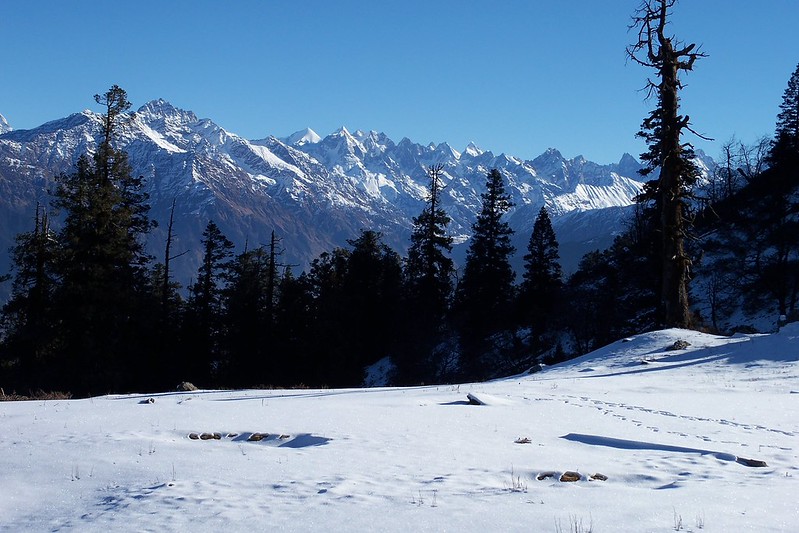
What Your Body Faces Each Day
Understanding the Kedarkantha trek itinerary makes your training more meaningful.
Trek Day | What Happens | Fitness Focus |
Day 1 | Easy forest trail | Warm-up and steady walking |
Day 2 | Longer uphill climb | Cardio and leg strength |
Summit Day | 7 to 8 hours with steep climb and descent | Maximum endurance and mental strength |
Final Day | Downhill walk to base | Knee stability and balance |