If you are trying to understand the toughest kedar trek difficulty, the simple truth is this. Rudranath is the toughest among all five Kedars, while Kalpeshwar is the easiest, and Kedarnath sits in the middle because of altitude and crowd pressure.
But if you are planning this seriously, you should not stop at just a ranking. Each Kedar trek tests you in a different way, and the real answer depends on distance, altitude, isolation, and how your body reacts in the mountains. So let us walk through it properly, like we are planning your actual trip over chai in Uttarakhand.
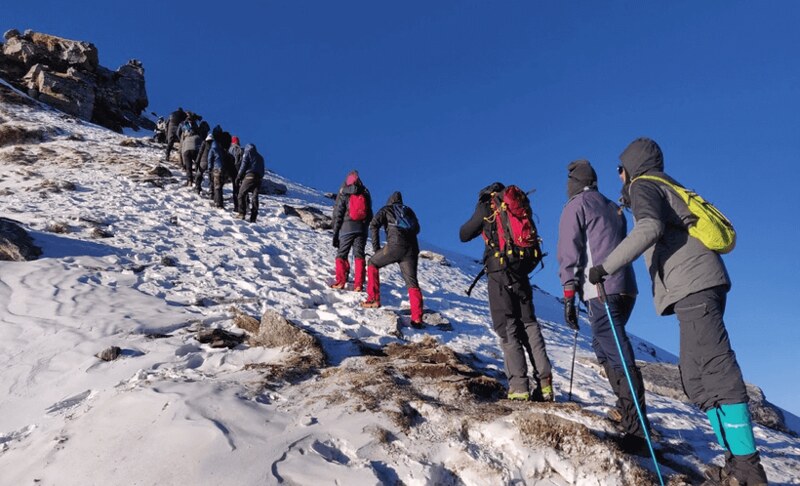
The Story Behind the Five Kedars (Panch Kedar Mythology)
Before we talk about difficulty, it helps to understand why these temples exist in such remote places. According to local belief, after the Mahabharata war, the Pandavas wanted to seek forgiveness from Lord Shiva. Shiva did not want to meet them and took the form of a bull. When they tried to catch him, he disappeared into the ground and reappeared in five different parts of Uttarakhand.
Those five parts became the Panch Kedar:
- Kedarnath (hump)
- Tungnath (arms)
- Rudranath (face)
- Madhyamaheshwar (navel)
- Kalpeshwar (hair)
This is why these treks are not just physical journeys. They are also deeply spiritual routes spread across remote Himalayan valleys. If you are interested in how such high-altitude routes compare in general, you can also explore this broader guide on trekking in Uttarakhand.
How We Judge “Toughest Kedar Trek Difficulty”
To keep this practical, we do not rank based on popularity. We rank based on real trekking effort. Three things matter most:
- Distance of the trek
- Altitude gain and oxygen level
- Isolation and trail difficulty
Now let us break all five Kedars with real numbers so you can actually compare.
1. Rudranath Trek Difficulty (Toughest of All Five)
If we talk purely about toughest kedar trek difficulty, Rudranath clearly stands at number one. It is not the highest temple, but it is the most mentally and physically draining because of long forest approaches and isolation.
Key facts:
- Distance: 20–24 km one way (from Sagar/Mandal)
- Altitude: ~3,600 m (11,800 ft)
- Duration: 3–4 days
- Base village: Sagar or Mandal
The trail climbs through dense forests, ridge walks, and remote alpine zones. There are long stretches where you do not see villages or proper facilities. It feels endless sometimes, especially after Panar Bugyal. Rudranath is not technical, but it tests patience more than strength.
If you enjoy reading how such rugged Himalayan valleys look visually, the flora and fauna of Kedarkantha gives a good idea of similar ecological zones.
2. Madhyamaheshwar Trek Difficulty
Madhyamaheshwar is slightly easier than Rudranath but still demanding due to continuous ascent.
Key facts:
- Distance: ~16–18 km from Ransi
- Altitude: ~3,490 m (11,450 ft)
- Duration: 2–3 days
- Base village: Ransi
The trail passes through Bantoli and forest sections before opening into alpine meadows. What makes it tough is the steady climb with very few flat sections. Your legs keep working without real rest. It feels like a slow burn trek.
3. Kedarnath Trek Difficulty
Kedarnath is the most famous, but not the hardest in terms of terrain. However, altitude and steep climb make it physically demanding.
Key facts:
- Distance: 16–18 km from Gaurikund
- Altitude: 3,583 m (11,755 ft)
- Duration: 1–2 days
- Base village: Gaurikund
The route is well built but steep. You gain altitude quickly, which makes breathing heavy. Crowds help psychologically, but physically it still pushes your stamina. For trekkers planning multi-day Himalayan routes like this, proper preparation matters, similar to what is explained in how to get fit for Kedarkantha trek.
4. Tungnath Trek Difficulty (Easiest High Kedar)
Tungnath is the shortest and most beginner-friendly of the high Kedars.
Key facts:
- Distance: 3.5–4 km from Chopta
- Altitude: 3,680 m (12,073 ft)
- Duration: Few hours
- Base village: Chopta
The trail is well defined and popular. Even beginners can complete it comfortably. If you extend to Chandrashila, it becomes a bit steeper but still manageable. Many first-time trekkers actually start their Himalayan journey here, often after exploring routes like the Kedarkantha trek from Dehradun.
5. Kalpeshwar Trek Difficulty (Easiest of All Five)
Kalpeshwar is the simplest Kedarnath route in terms of effort.
Key facts:
- Distance: 1–2 km walk from road point
- Altitude: ~2,200 m (7,200 ft)
- Duration: Few hours
- Base village: Urgam Valley
You can almost reach the temple with minimal walking. The trail is gentle and accessible most of the year. It feels more like a peaceful valley visit than a trek.
Final Difficulty Ranking of All 5 Kedars
Based on distance, altitude, and effort:
- Rudranath (Toughest)
- Madhyamaheshwar
- Kedarnath
- Tungnath
- Kalpeshwar (Easiest)
This ranking matches what most trekkers experience on ground, not just theory.
Kedarnath vs Tungnath vs Rudranath Difficulty Ranking (Real Comparison)
If you directly compare the three most searched Kedars:
- Rudranath: Longest, most isolated, mentally toughest
- Kedarnath: Steep and high altitude, physically intense
- Tungnath: Short and beginner friendly
So if your question is about real trekking effort, Rudranath clearly leads.
Fitness Reality for Panch Kedar Treks
You do not need athlete-level fitness, but you do need stamina.
A practical preparation plan:
- Walk 5 km daily
- Practice stair climbing for 20–30 minutes
- Do weekend hikes with light backpack
- Build consistency for 4–6 weeks
Rudranath especially rewards endurance, not speed. Many trekkers struggle not because of distance, but because of uneven pacing.
Best Time for Panch Kedar Treks
Timing matters a lot in these treks.
Best seasons:
- May to June: Clear trails, comfortable weather
- September to October: Post-monsoon clarity, best views
Quick Reality Check Before You Choose Any Kedar
Before planning, ask yourself:
- Do I enjoy long walking days in forests
- Can I handle basic mountain stays
- Am I okay with limited connectivity
- Do I want spiritual travel or trekking challenge
Your answer decides your trek more than any ranking list.
Conclusion
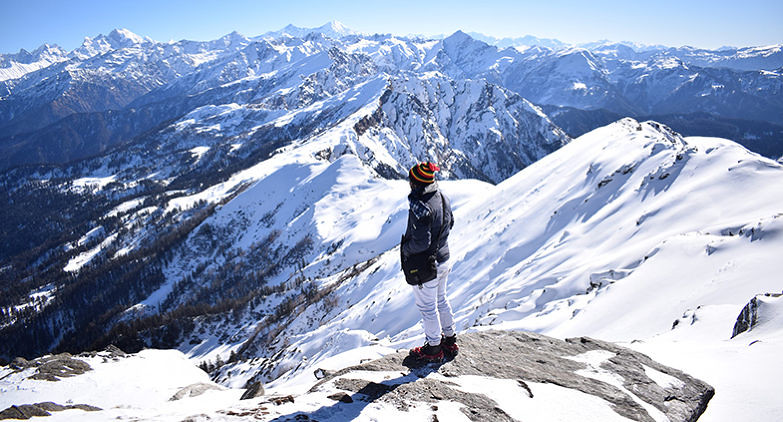
The toughest kedar trek difficulty belongs to Rudranath when judged honestly on effort, isolation, and endurance demand. But the deeper truth is that each Kedar teaches a different lesson, not just a different level of difficulty.
So maybe the real question is not which Kedar is the toughest, but which one will change the way you see mountains when you are standing alone on a quiet trail, wondering why the journey felt harder than expected, but also more meaningful than you imagined.