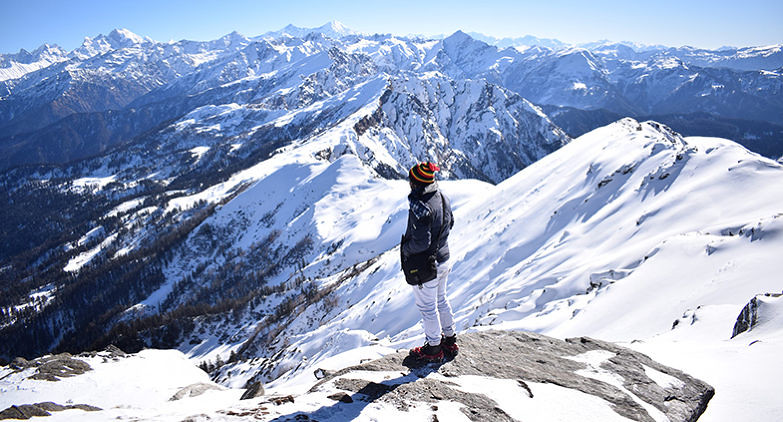
The Kedarkantha trek flora fauna wildlife is far richer than most trekkers expect. The trail passes through thick forests, quiet lakes, open meadows, and snowy ridges. Each zone supports different plants and animals. That is what makes this trek special. Many people come to Kedarkantha trek for snow.
Others come for the summit views. But the forests often become the highlight of the trip. A sudden bird call. Fresh animal tracks in the snow. A troop of langurs moving through the trees. These moments stay with people.
The trek lies inside Govind Pashu Vihar sanctuary and Wildlife Sanctuary in Uttarkashi. This protected area helps preserve many Himalayan species. That matters. Without this protection, much of the wildlife seen today would be harder to find.
Most trekkers will not see bears or leopards. Wildlife sightings are never guaranteed. Still, the forests around Kedarkantha support a surprising range of animals, birds, and plants. Knowing what lives here makes the trek far more interesting. If you’re new to the region, start by understanding where Kedarkantha is and how the trail passes through these protected forests.
Also read about: The trek route
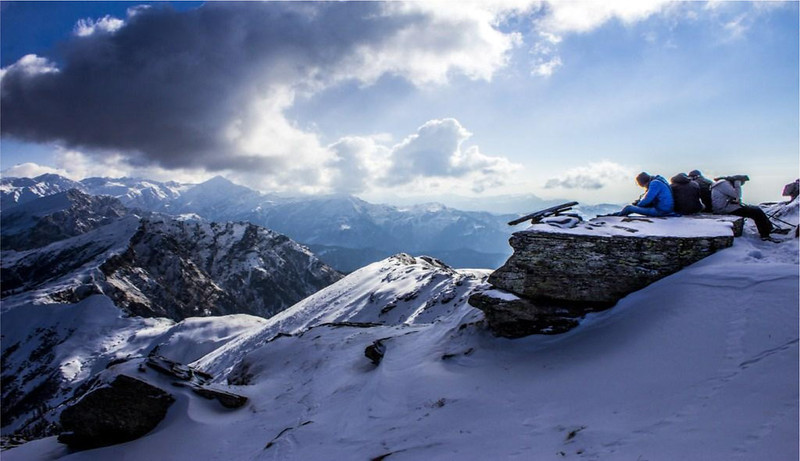
Kedarkantha Trek Flora Fauna Wildlife by Trail Section
The landscape changes as you gain height. So does the wildlife. A common mistake is to treat the entire trek as one ecosystem. It is not. The forest near Sankri Village looks very different from the slopes near the summit. Keep that in mind.
Sankri to Juda Ka Talab
The trek starts in dense woodland. Tall pine trees line parts of the trail. Oak forests become common as you climb higher. Deodar trees also appear in many sections.
This part of the trail feels alive. Birds move through the canopy. Langurs often sit on branches above the path. If you’re lucky, you may spot a barking deer moving through the undergrowth.
Common plants in this zone include:
- Chir pine
- Oak
- Deodar cedar
- Ferns
- Wild grasses
- Medicinal herbs
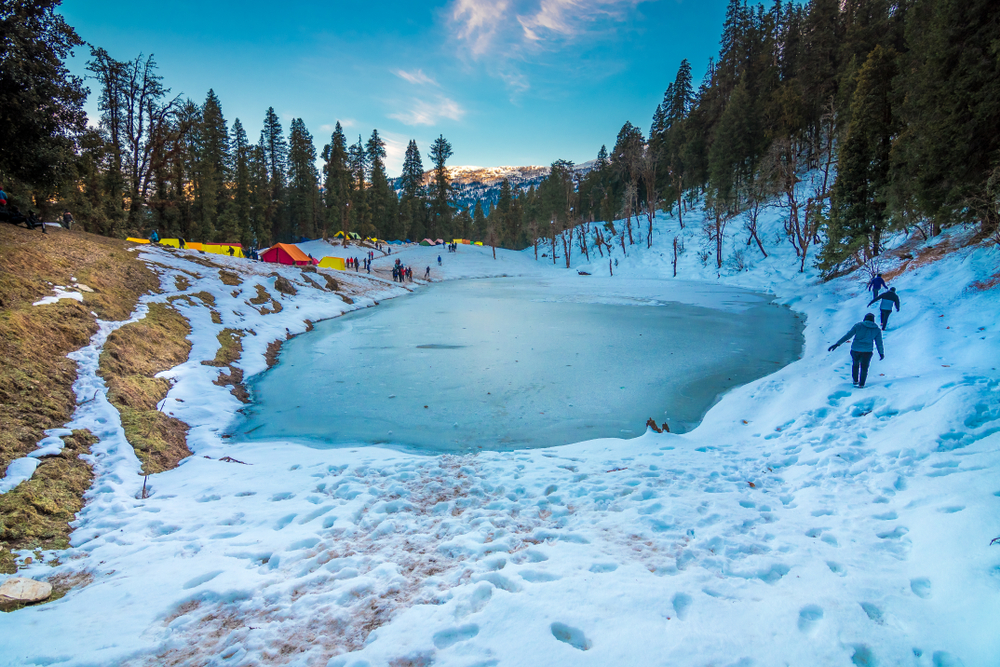
The forest here stays cool and shaded. It feels very different from the open slopes higher up. Much of this section leads towards Juda Ka Talab, one of the most scenic spots on the trek.
Juda Ka Talab to Kedarkantha Base Camp
The forest begins to change. Silver fir trees appear more often. Rhododendron trees grow across many slopes. Visit during spring and the hills show off bright red blooms. The colour stands out against the dark forest. It is hard to miss.
Bird activity also increases in this zone. Early mornings are best. That is when the forest feels most active.
You may spot:
- Himalayan Monal
- Koklass Pheasant
- Yellow-billed Blue Magpie
- Black-headed Jay
- Himalayan Woodpecker
Many local guides believe this section offers the best birdwatching on the trek. And they’re right. As you move higher, you’ll pass through areas close to Kedarkantha Base Camp, where forests gradually give way to open slopes.
Kedarkantha Base Camp to Summit
Trees begin to thin out. The landscape feels harsher. Snow often covers the ground during winter.Only tough plants survive here. Juniper shrubs grow in exposed areas. Moss and lichens cling to rocks. Alpine grasses appear during warmer months.
Animal sightings become less common. Yet tracks often tell a story. Fresh footprints in the snow can reveal more than the animals themselves.
Trekkers sometimes find tracks from:
- Himalayan Tahr
- Musk Deer
- Himalayan Black Bear
- Red Fox
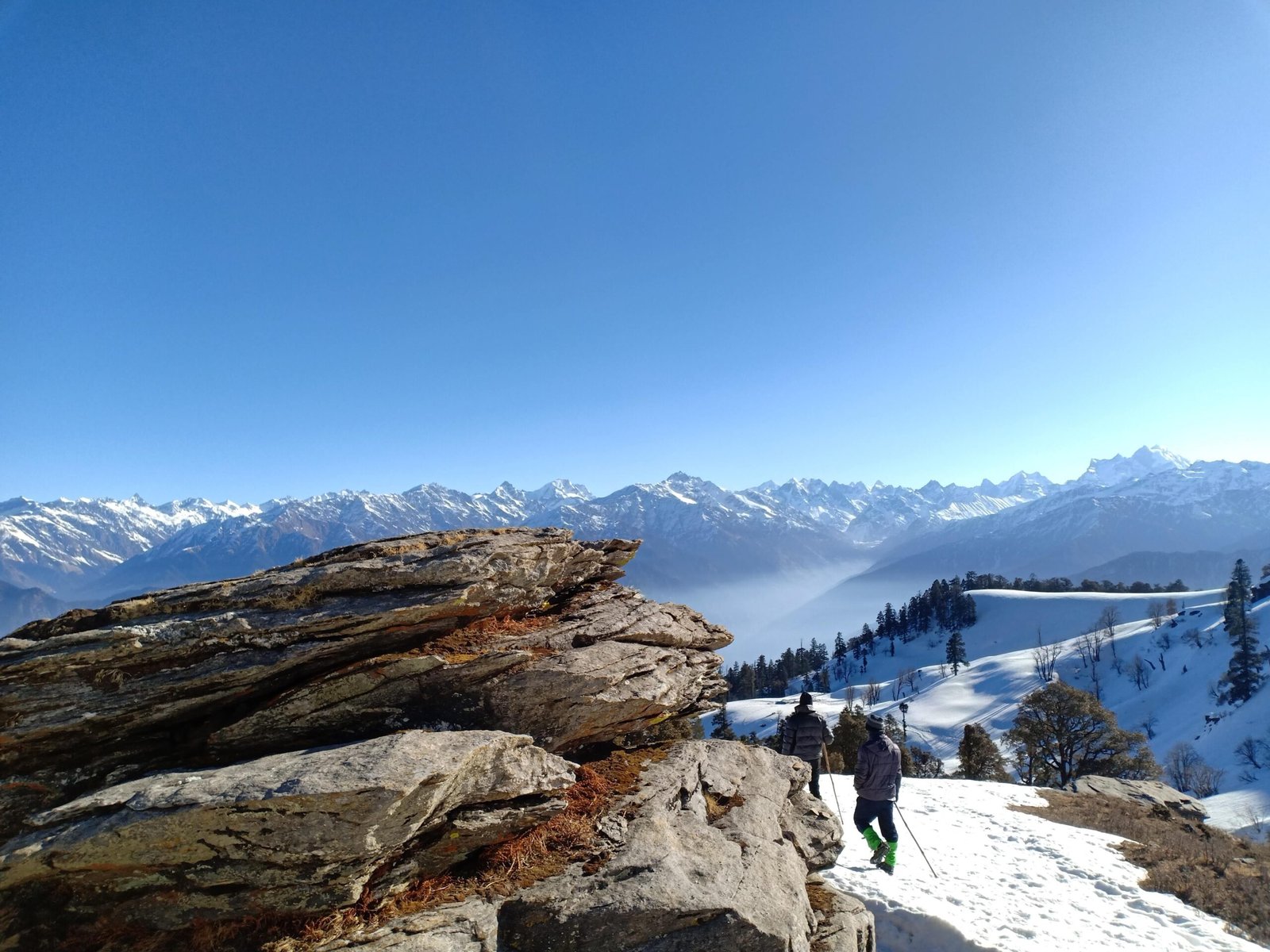
Most animals stay hidden. They hear people long before people see them. From the top, many trekkers also enjoy the views of the peaks visible from Kedarkantha summit.
Animals Found on the Kedarkantha Trek
Langurs are the animals most trekkers notice first. They often move in groups. Their long tails make them easy to spot. Barking deer also live in these forests. They are shy. Most disappear before anyone gets close.
Musk deer are far rarer. Their natural camouflage helps them blend into the landscape. Spotting one is unusual. The Himalayan Tahr lives on steep slopes. It has thick fur and strong hooves. Both help it survive mountain weather.
Leopards also live inside Govind Wildlife Sanctuary. So do snow leopards in remote areas. Sightings are extremely rare. Most trekkers will never see one. That’s normal.
Also read here about: The har ki dun valley view
Birds of Kedarkantha
Bird lovers often enjoy Kedarkantha more than expected. The forests support many Himalayan species. The star attraction is the Himalayan Monal. This colourful bird is also the state bird of Uttarakhand. Its feathers shine in shades of blue, green, and copper.
Other birds seen on the trail include:
- Himalayan Monal
- Koklass Pheasant
- Khalij Pheasant
- Black-headed Jay
- Yellow-billed Blue Magpie
- Himalayan Griffon
- Himalayan Woodpecker
Spring and early summer usually bring the best bird activity. Start walking early. That’s when the forest wakes up.
Can You See Brahma Kamal on Kedarkantha?
Many trekkers ask about Brahma Kamal. It is the state flower of Uttarakhand. It also holds deep cultural value across the region. The flower grows at very high elevations. It blooms during the monsoon season. Most winter trekkers will not see it.
Still, it remains one of the most famous Himalayan plants linked to Uttarakhand’s mountain landscapes.
Wildlife Sightings: What Are Your Real Chances?
Most travel blogs oversell wildlife sightings. This article won’t. Seeing langurs is common. Spotting birds is also likely. Deer sightings happen now and then.
Bears, leopards, and musk deer are different. Those encounters are rare. Why?
Wild animals avoid noise. Trek groups make plenty of it. By the time trekkers arrive, most animals have already moved away.
Tracks are often easier to find than the animals themselves. That is part of the fun.
FAQs
1. Are there leopards on the Kedarkantha trek?
Yes. Leopards live inside Govind Wildlife Sanctuary. Sightings are extremely rare.
2. Which bird is most famous on Kedarkantha?
The Himalayan Monal attracts the most attention.
3. Can you see bears on Kedarkantha?
Black bears live in the region. Most trekkers never encounter them.
4. When do rhododendrons bloom?
The best blooms usually appear between late March and May. This period is often considered the best time to visit Kedarkantha trek for nature lovers.
5. Is Kedarkantha good for birdwatching?
Yes. Spring offers excellent bird activity across the forest sections of the trail.
6. Which animal is hardest to spot?
The musk deer is among the most difficult animals to see. The summit gets most of the attention. Yet many trekkers return talking about the forests instead. The birds, the tracks in fresh snow, and the silence around Juda Ka Talab often leave the strongest memories..