Sankri temperature stays cold for most of the year, with snowy winters, pleasant summers, and heavy rains during monsoon. The best time to visit depends on whether you want snow, comfortable trekking weather, or clear mountain views.
Located at around 1,950 metres (6,400 feet) in Uttarkashi, Uttarakhand, Sankri village is the starting point for famous treks like Har Ki Dun, Bali Pass, and the Kedarkantha trek. Due to its altitude, the weather here is much cooler than nearby cities and plains.
Many trekkers reach Sankri after a long road journey from Dehradun and are surprised by the sudden temperature drop. A person leaving Delhi in warm weather may arrive in Sankri wearing the same clothes and quickly realise that Himalayan evenings need extra layers.
This guide explains Sankri village temperature month wise, so you can choose the right month, pack better, and avoid weather-related problems during your trek.
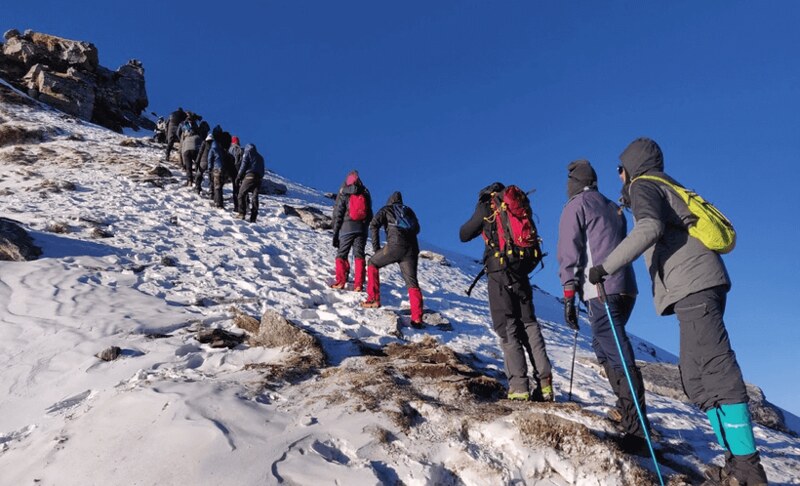
Sankri Village Temperature Month Wise: Complete Weather Overview
The weather in Sankri changes with every season. Winter brings snow and freezing nights, summer offers comfortable days, and monsoon turns the valley green but makes travel harder.
The following temperature ranges are approximate averages based on typical Himalayan weather conditions at this altitude. Actual temperatures can change due to snowfall, wind, cloud cover, and yearly weather patterns.
Month | Day Temperature | Night Temperature | Weather Conditions |
January | 2°C to 8°C | -5°C to -10°C | Coldest month, snow-covered surroundings |
February | 3°C to 10°C | -4°C to -8°C | Winter continues, good snow conditions |
March | 6°C to 15°C | 0°C to 5°C | Snow starts melting, pleasant days |
April | 10°C to 18°C | 5°C to 10°C | Comfortable trekking weather |
May | 12°C to 22°C | 8°C to 12°C | Warm afternoons, cool nights |
June | 15°C to 25°C | 10°C to 15°C | Summer season, clear trails |
July | 14°C to 22°C | 10°C to 15°C | Rainy season begins |
August | 14°C to 21°C | 10°C to 14°C | Heavy rain, slippery routes |
September | 12°C to 20°C | 8°C to 12°C | Fresh greenery after monsoon |
October | 8°C to 18°C | 3°C to 8°C | Clear skies, ideal trekking month |
November | 5°C to 14°C | 0°C to 5°C | Cold weather starts |
December | 0°C to 10°C | -5°C to -8°C | Snowfall chances increase |
Sankri does not have the same weather throughout the day. Afternoon sunlight can feel warm, but evenings become cold quickly. This happens because the village sits in a mountain valley where temperatures fall after sunset.
Why Sankri Weather Feels Colder Than the Temperature Shows
The altitude of Sankri plays a major role in its climate. At nearly 2,000 metres, the air is cooler compared to the plains. A temperature of 5°C in Sankri can feel colder than the same temperature in a city because of wind, damp air, and long hours spent outdoors.
During treks, your body also loses heat faster because you walk early in the morning, rest at camps, and stay exposed to mountain winds. This is why proper clothing matters more than checking only the temperature number.
Sankri Temperature December January February Weather Guide
The Sankri temperature December January February weather guide is important for trekkers planning winter adventures, especially the Kedarkantha trek.
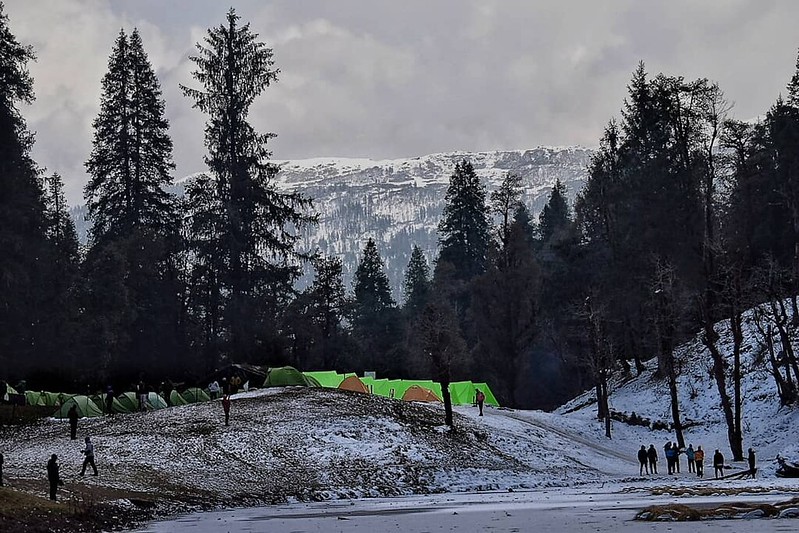
These three months create the classic snowy Himalayan experience. The village and nearby forests often receive snowfall, and higher trekking routes remain covered with snow.
Sankri Weather in December
December marks the beginning of serious winter conditions in Sankri. Early December may have manageable cold, but temperatures drop sharply towards the end of the month.
Snowfall can begin around this period, turning the village into a white winter landscape. Many trekkers specifically choose this month for the Kedarkantha trek in December because snow-covered trails create the famous winter trekking experience.
Road conditions can also become slower after fresh snowfall, so keeping extra travel time is a smart idea. December is a good choice if you want snow without facing the harshest winter conditions.
Sankri Weather in January
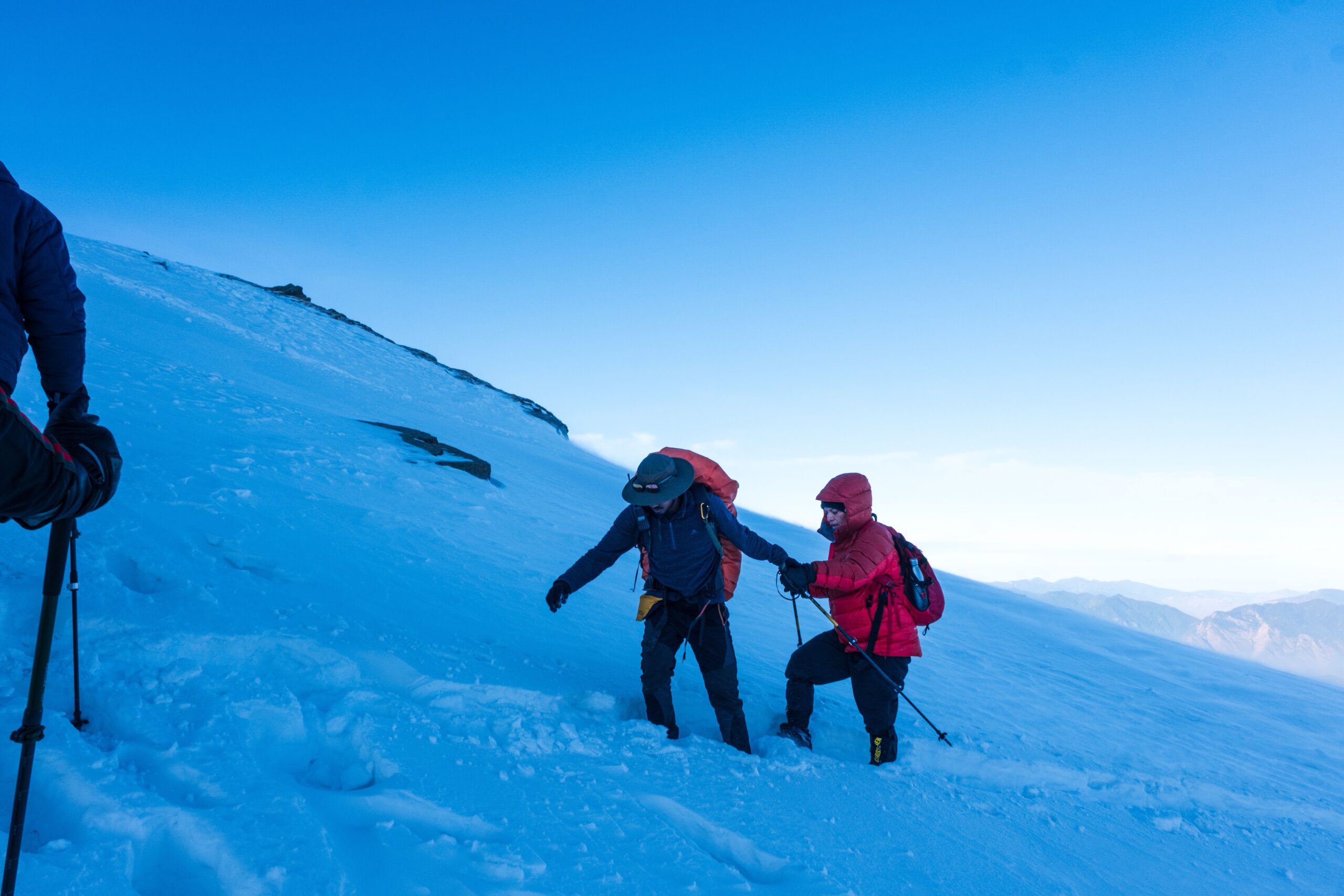
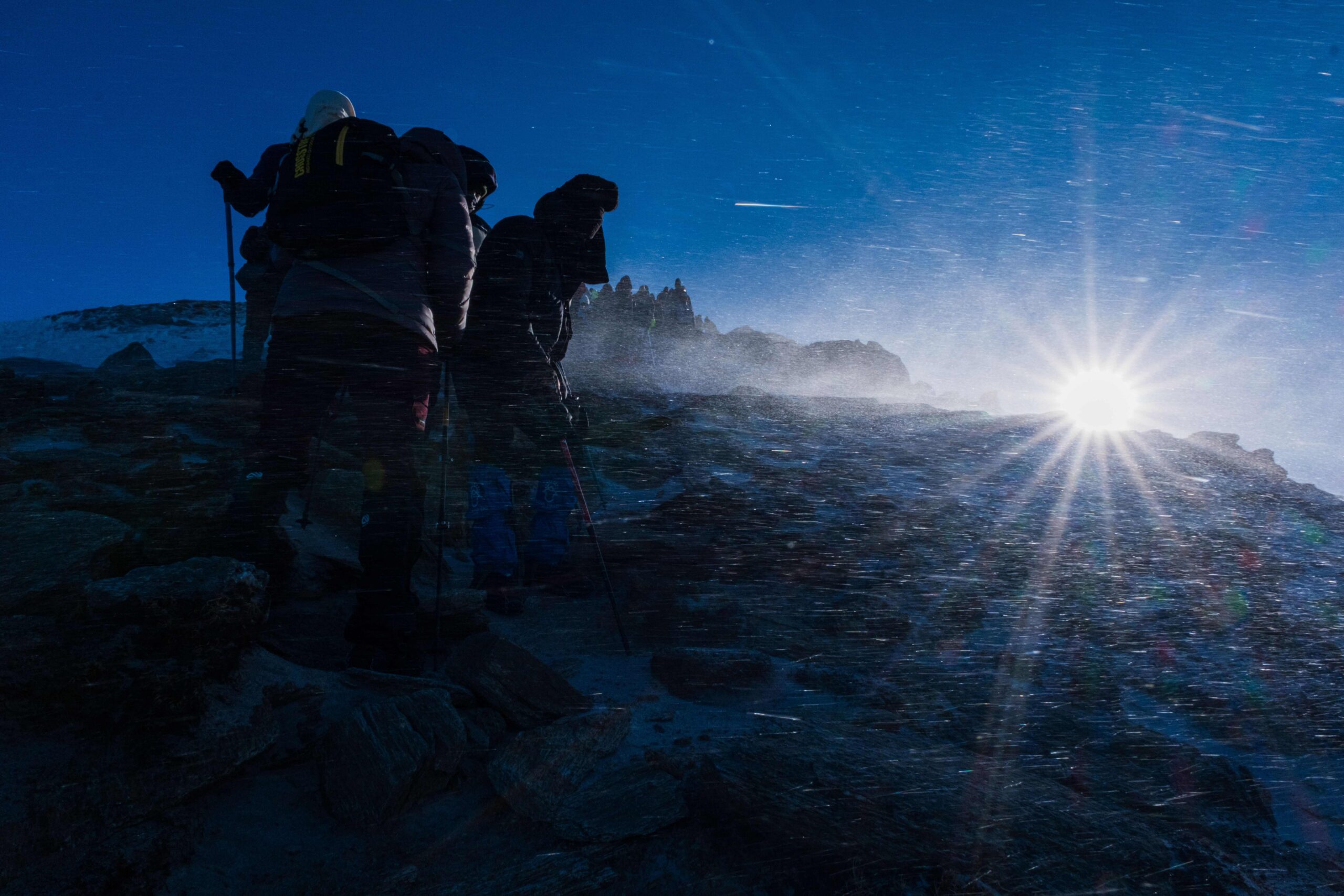
January is usually the coldest month in Sankri. Nights can go below freezing, and early morning temperatures feel extremely cold. During winter treks, summit starts often happen before sunrise. Standing outside your tent in freezing weather requires proper layers and good preparation. The reward is the scenery. Snow-covered pine forests, quiet trails, and fewer crowds make January special for winter lovers.
Many trekkers plan the Kedarkantha trek in January during this period because the snow conditions are usually at their best.
Before visiting Sankri in January, remember:
- Carry thermal innerwear and fleece layers.
- Use waterproof trekking shoes with good grip.
- Keep gloves, woollen socks, and a warm cap.
- Protect electronics because batteries drain faster in cold weather.
Sankri Weather in February
February still offers snow but usually has slightly better daytime conditions than January. Many trekkers prefer this month because they get winter views with a little more comfort. The days become slightly longer, and the weather often feels easier during walking hours. For beginners wanting a snow trek, February can be a balanced choice.
Sankri Temperature from March to June: Best Months for Comfortable Trekking
Spring and early summer bring a different side of Sankri. Snow starts reducing near the village, forests become greener, and trekking becomes more comfortable. March can still feel cold, especially at night. By April and May, daytime temperatures become pleasant, making outdoor activities easier.
June remains warm during the afternoon but still feels comfortable compared to the plains.
These months work well for:
- First-time trekkers
- Family trips
- Village exploration
- Treks without heavy snow requirements
If you dislike extreme cold but still want a mountain experience, this season is easier to handle.
Sankri Weather During Monsoon: July and August
Monsoon brings heavy rainfall to the region. The hills become greener, waterfalls become active, and the valley looks beautiful. But rain also creates practical problems. Roads can become slippery, and landslides may affect travel routes between Dehradun and Sankri.
Understanding these conditions is important because weather is one of the main Kedarkantha trek challenges during the rainy and winter seasons. Many high-altitude treks become difficult during this period because trails can turn muddy and slippery.
If you still plan a visit during monsoon:
- Check weather updates before travelling.
- Keep rain covers for bags.
- Add buffer days to your travel plan.
- Avoid rushing on wet mountain trails.
Sankri Temperature September to November: Clear Views and Stable Weather
September marks the end of monsoon, and Sankri starts becoming a favourite among trekkers again. The forests look fresh, skies become clearer, and trekking routes become easier compared to rainy months. October is often considered one of the best months to visit Sankri. The weather stays comfortable, mountain views improve, and the risk of heavy rain reduces.
November brings colder nights as winter slowly arrives. If you want peaceful trails before snowfall, this month can be a good option.
Snowfall and Road Conditions in Sankri
Snowfall is one of the biggest reasons people visit Sankri during winter. However, snow also affects travel plans. Fresh snowfall can slow down road movement, especially on mountain routes. Shared taxis and buses may take longer than expected.
Before starting your journey, check how to reach Kedarkantha trek from Dehradun helps you plan transport better during winter months.
During peak winter:
- Keep your schedule flexible.
- Avoid tight connections after reaching Dehradun.
- Carry warm clothes even during road travel.
What to Pack According to Sankri Weather
Your packing list should match the month you visit. Carrying summer clothes in winter or ignoring rain protection during monsoon can make your trip uncomfortable.
A detailed Kedarkantha trek packing list can help you prepare the right gear before leaving home.
For most seasons, carry:
- Warm layers for cold mornings and evenings
- Comfortable trekking shoes
- Sunglasses and sunscreen
- Personal medicines
- Water-resistant backpack cover
For winter months, add:
- Thermal wear
- Down jacket or heavy insulated jacket
- Woollen gloves
- Extra socks
Best Time to Visit Sankri Based on Your Trek Goal
The best month depends on what kind of experience you want. Choose winter if your dream is walking through snow-covered forests. Pick spring or autumn if you want easier trails and comfortable weather.
For winter summit attempts, understanding the conditions of Kedarkantha summit day is useful because early morning cold and snow conditions can be challenging.
Here is a quick guide:
- December to February: Best for snow treks and winter scenery.
- March to June: Best for comfortable weather and beginners.
- July to August: Best avoided for difficult trekking plans.
- September to November: Best for clear views and stable weather.
Conclusion
Knowing the Sankri village temperature month wise helps you plan better, but the mountains always ask for respect. Weather can change quickly, and the same village can feel completely different in January and June.
The right month depends on your comfort level and the experience you want. Do you want to wake up surrounded by snow, walk under clear autumn skies, or enjoy the green beauty after monsoon? The answer decides your perfect Sankri season.
FAQs
What is the coldest month in Sankri?
January is usually the coldest month in Sankri. Night temperatures can fall below freezing, especially during clear winter nights.
Does Sankri receive snowfall in December?
Yes, Sankri can receive snowfall in December. Snow chances increase towards the later part of the month.
Is Sankri good to visit in summer?
Yes, Sankri is pleasant during summer. April to June offers comfortable weather for village visits and trekking.
Can I visit Sankri during monsoon?
You can visit Sankri during monsoon, but heavy rain can affect roads and trekking conditions. Always check local weather before travelling.
Which month is best for Kedarkantha trek from Sankri?
December to February is popular for the Kedarkantha winter experience because of snow-covered trails and beautiful views.