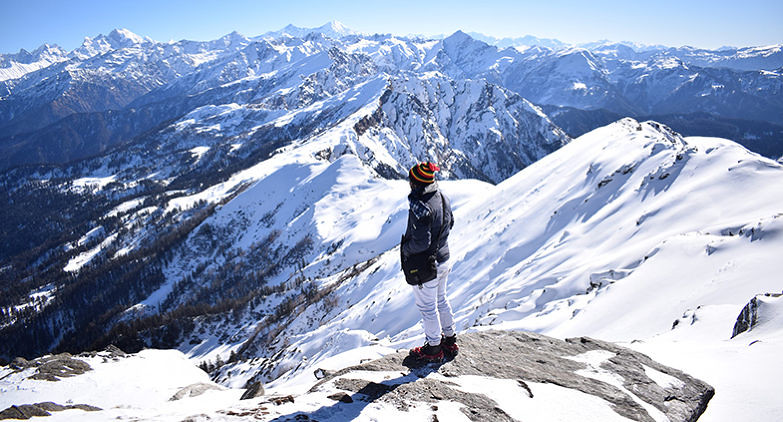
If you’re wondering whether the Kedarkantha elevation gain of 6,100 feet is difficult, the short answer is this: it feels challenging on summit day, but the climb is gradual enough that most reasonably fit beginners complete it comfortably over four trekking days.
That number sounds huge when you first hear it. Climbing more than six thousand feet in the Himalayas can make anyone pause. We had the same thought before our first trek. Then you reach Sankri, take your first few steps on the trail, and realise the mountain never asks you to race. It simply asks you to keep walking at a steady pace.
The beauty of Kedarkantha lies in how the altitude builds slowly. Every day feels like a natural step up instead of one giant climb. That is one of the biggest reasons this trek is often called the best first summit trek in India.
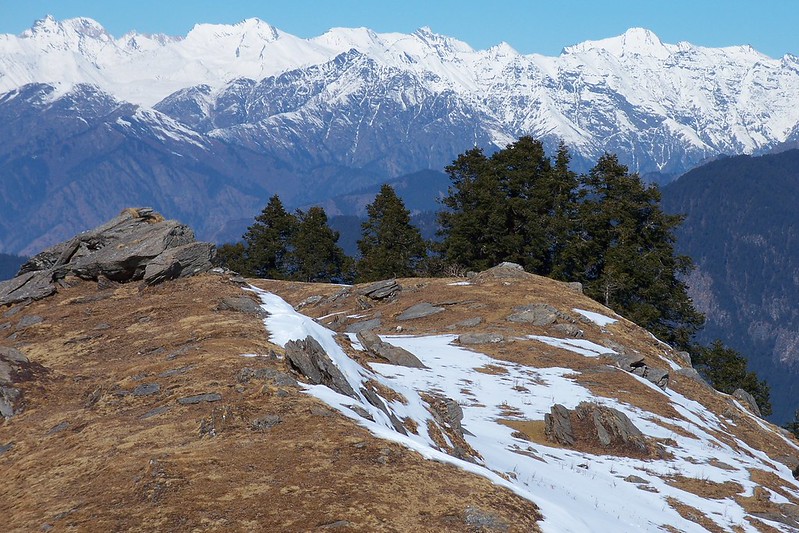
Kedarkantha Elevation Gain: 6,100 Feet Explained
The Kedarkantha elevation gain of 6,100 feet starts from Sankri at about 6,400 feet (1,950 m) and ends at the Kedarkantha Summit at about 12,500 feet (3,810 m).
The trek covers roughly 20 km, although the exact distance may vary slightly depending on the campsite and route taken by your trek operator. Instead of climbing all 6,100 feet in one push, the ascent is spread over four trekking days. This gradual climb gives your body enough time to adjust to the altitude, making the journey much more comfortable than the numbers suggest.
It is also worth clearing up one common confusion. While the elevation gain happens over four trekking days, most operators sell Kedarkantha as a five or six-day package. The extra days usually cover travel between Dehradun and Sankri, along with arrival and departure logistics. If you’re unsure about the schedule, must know how many days for Kedarkantha trek explains the different itinerary options. The actual walking and climbing remain spread over four days.
Typical Elevation Profile
Trek Stage | Altitude |
Sankri | 6,400 ft (1,950 m) |
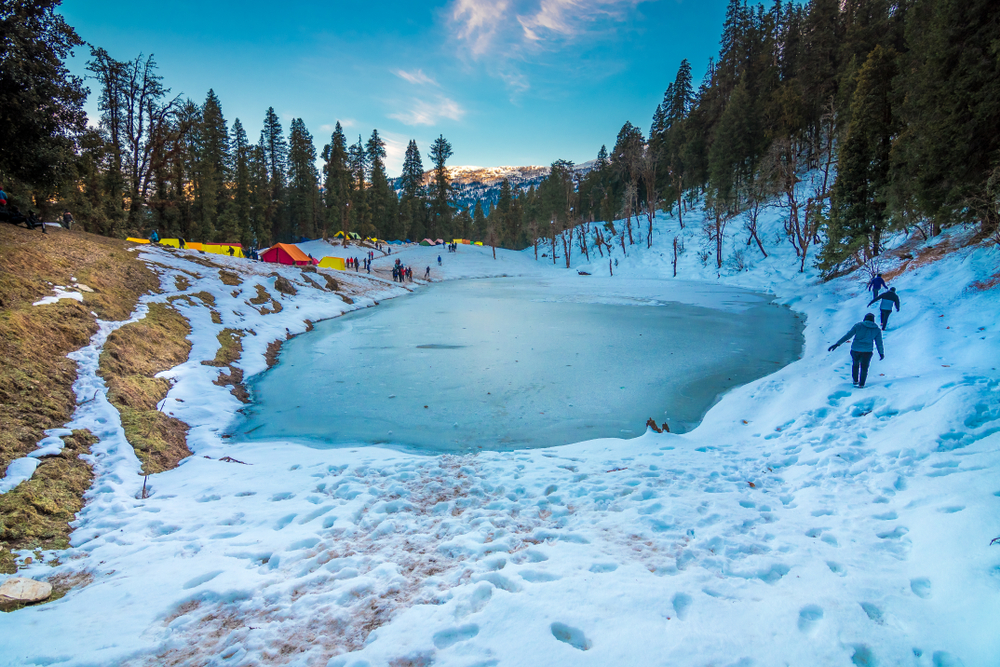
Juda Ka Talab | 9,100 ft (2,770 m) |
Kedarkantha Base Camp | 11,250 ft (3,430 m) |
Kedarkantha Summit | 12,500 ft (3,810 m) |
What Does the Kedarkantha 6,100 Feet Altitude Gain in 4 Days Experience Actually Feel Like?
Numbers never tell the full story. Your legs, lungs, and mind do. The first day usually surprises people. The trail climbs through thick pine and oak forests. The air feels fresh, and excitement carries you uphill. You breathe harder than normal, yet the climb rarely feels overwhelming because the gradient stays gentle for long stretches.
The second day becomes quieter. Trees slowly disappear, and the mountains open up around you. You begin to notice the thinner air. Even simple tasks like adjusting your backpack or talking while walking need a little more effort. That is completely normal when you climb above 9,000 feet.
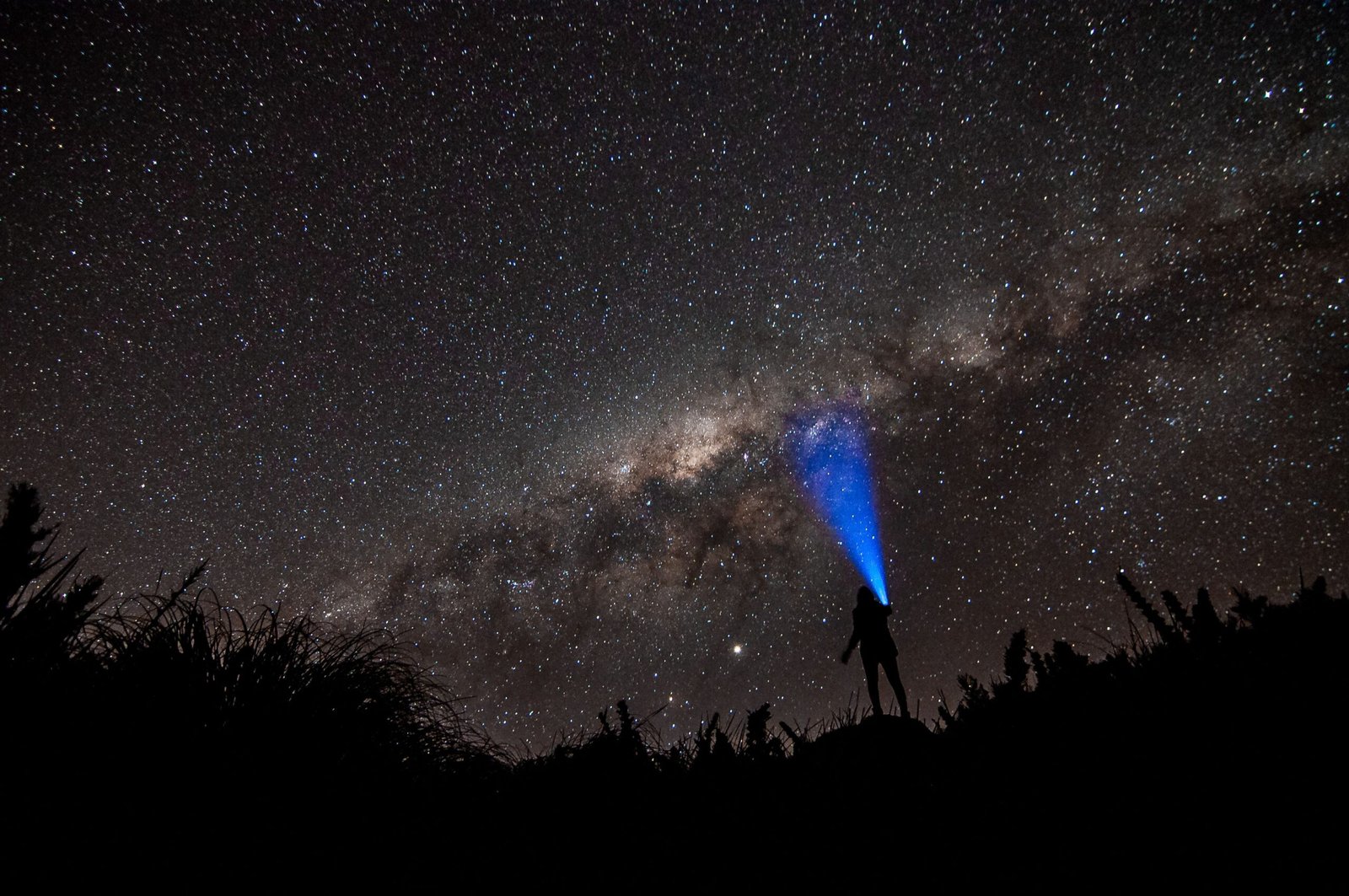
Then comes summit day. Most groups leave camp before sunrise. Your headlamp lights up the snow, and every step feels slower than the previous day. You are no longer walking only against gravity. At over 11,000 feet (3,350 m), the air contains less oxygen, so your breathing naturally becomes heavier.
Strangely, the final climb is often more mental than physical. You may stop every few minutes, catch your breath, sip some water, and move again. Then, almost without warning, colourful prayer flags appear. The summit is right there. If you want to know exactly what happens during this section to Kedarkantha summit climb. That feeling stays with you long after the trek ends.
Why the 6,100 Feet Gain Feels Easier Than It Sounds
At first glance, gaining 6,100 feet (1,860 m) sounds exhausting. If you tried to climb that much in a single day, it probably would be. Kedarkantha is different because the mountain allows your body to adapt gradually. Each campsite sits higher than the last, giving you a full night to recover before the next climb. Your muscles recover, your breathing adjusts, and your confidence grows with every day on the trail. That is why many beginners successfully complete Kedarkantha even though the total elevation gain looks intimidating on paper.
Where Does the Hardest Elevation Gain Happen?
Not every part of the trek feels the same. The toughest section is usually between Kedarkantha Base Camp and the summit. This is where most of the steep climbing happens over a relatively short distance.
You can expect:
- Snow-covered slopes during winter
- Zigzag mountain trails
- Cold pre-dawn temperatures, often below -10°C
- Frequent short breathing breaks
- A steady but manageable climb
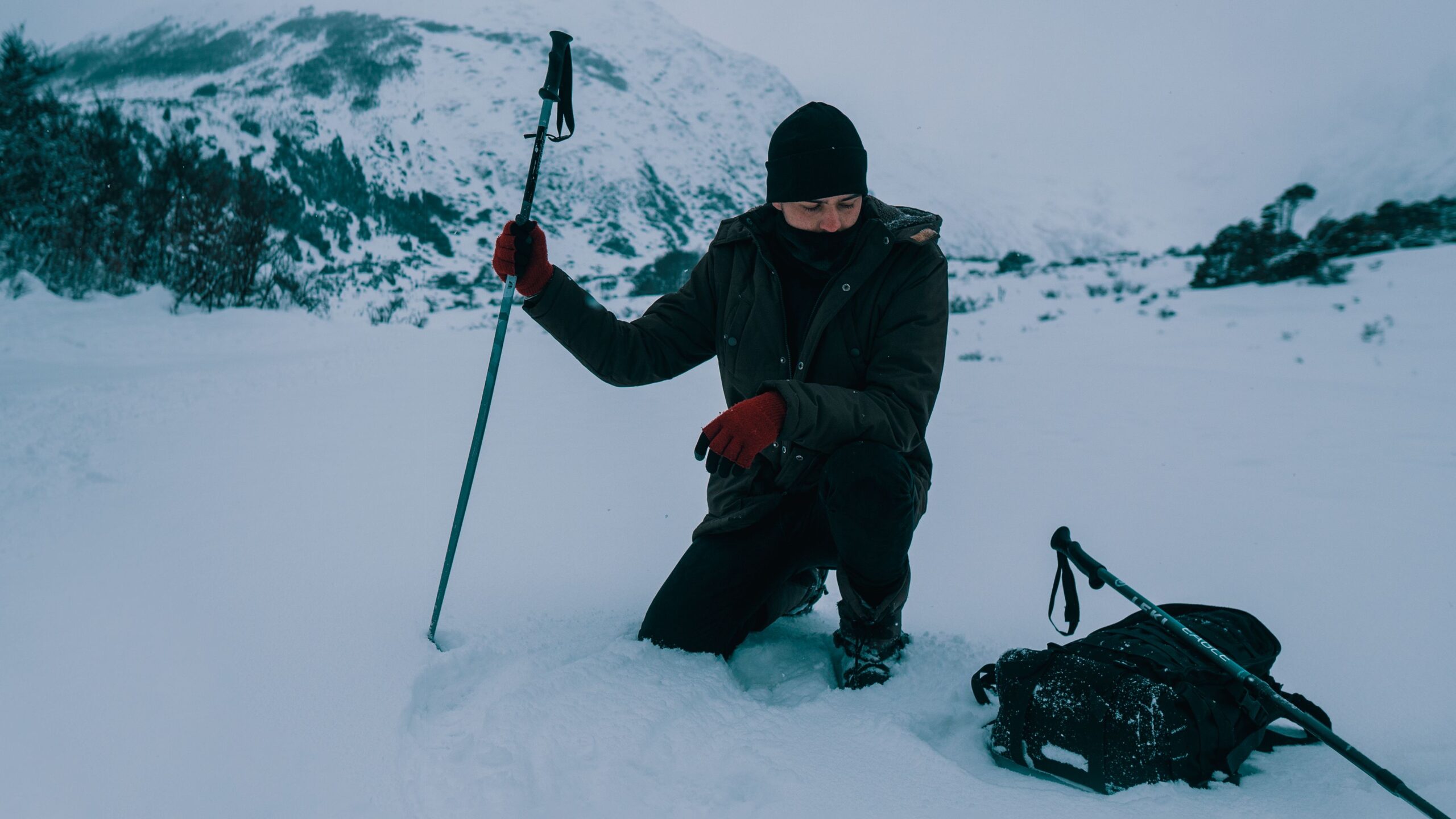
Even here, it is not a technical ascent. You do not need ropes or mountaineering skills. You simply need patience, steady breathing, and a comfortable walking rhythm.
Can Beginners Handle the Kedarkantha Elevation Gain?
Yes, most healthy beginners can. The mountain does not demand elite fitness. It rewards preparation and patience. If you can comfortably walk for an hour without stopping and spend four to six weeks improving your stamina, you already have a strong foundation. Many people complete Kedarkantha as their very first Himalayan trek every winter.
We have seen college students, office workers, parents in their forties, and even senior trekkers reach the summit with smiles. Everyone walks at a different pace, yet almost all successful trekkers follow the same rule. They never rush.
How Your Body Reacts to the Altitude
Once you cross 10,000 feet (3,050 m), your body begins adjusting to thinner air. Some trekkers barely notice the change. Others may develop a mild headache, slight nausea, dizziness, unusual tiredness, or a reduced appetite. These symptoms can simply mean your body is acclimatising, but they should never be ignored. For a deeper understanding, know more about altitude sickness on Kedarkantha trek.
The best approach is simple.
- Drink water regularly.
- Walk slowly.
- Eat every meal, even if you do not feel very hungry.
- Get proper rest each night.
- Tell your trek leader immediately if symptoms become worse.
Some trekkers carry medicines such as Diamox after consulting their doctor. It should never replace proper acclimatisation or professional medical advice.
Forest Permit and Entry Requirements
The Kedarkantha trail passes through Govind Pashu Vihar National Park and Wildlife Sanctuary. Every trekker needs a forest entry permit before entering the trail.
If you book through a registered trek operator, the permit is usually arranged for you as part of the package. Independent trekkers should check the latest permit process and charges before starting the trek, as these can change from season to season.
Fitness Needed for a 6,100 Feet Elevation Gain
You do not need months in a gym. A consistent fitness routine for four to six weeks is enough for most beginners.
Focus on:
- Brisk walking for 5 to 7 km
- Slow jogging
- Stair climbing
- Bodyweight squats and lunges
- Core exercises
- Light stretching
The goal is not speed. The goal is building stamina so your body stays comfortable for several hours on the trail.
Mental Strength Matters More Than Physical Strength
One lesson surprises almost every first-time trekker. Your legs often feel stronger than your mind. A long snowy slope can look endless from below. Then your trek leader says, “Let’s reach that next bend first.” You get there, pause for a minute, and keep moving. A few more bends later, the summit suddenly comes into view.
That is how Himalayan trekking works.You rarely conquer a mountain with one giant effort. You reach the top through hundreds of small, steady steps.
Is the Kedarkantha Elevation Gain Worth It?
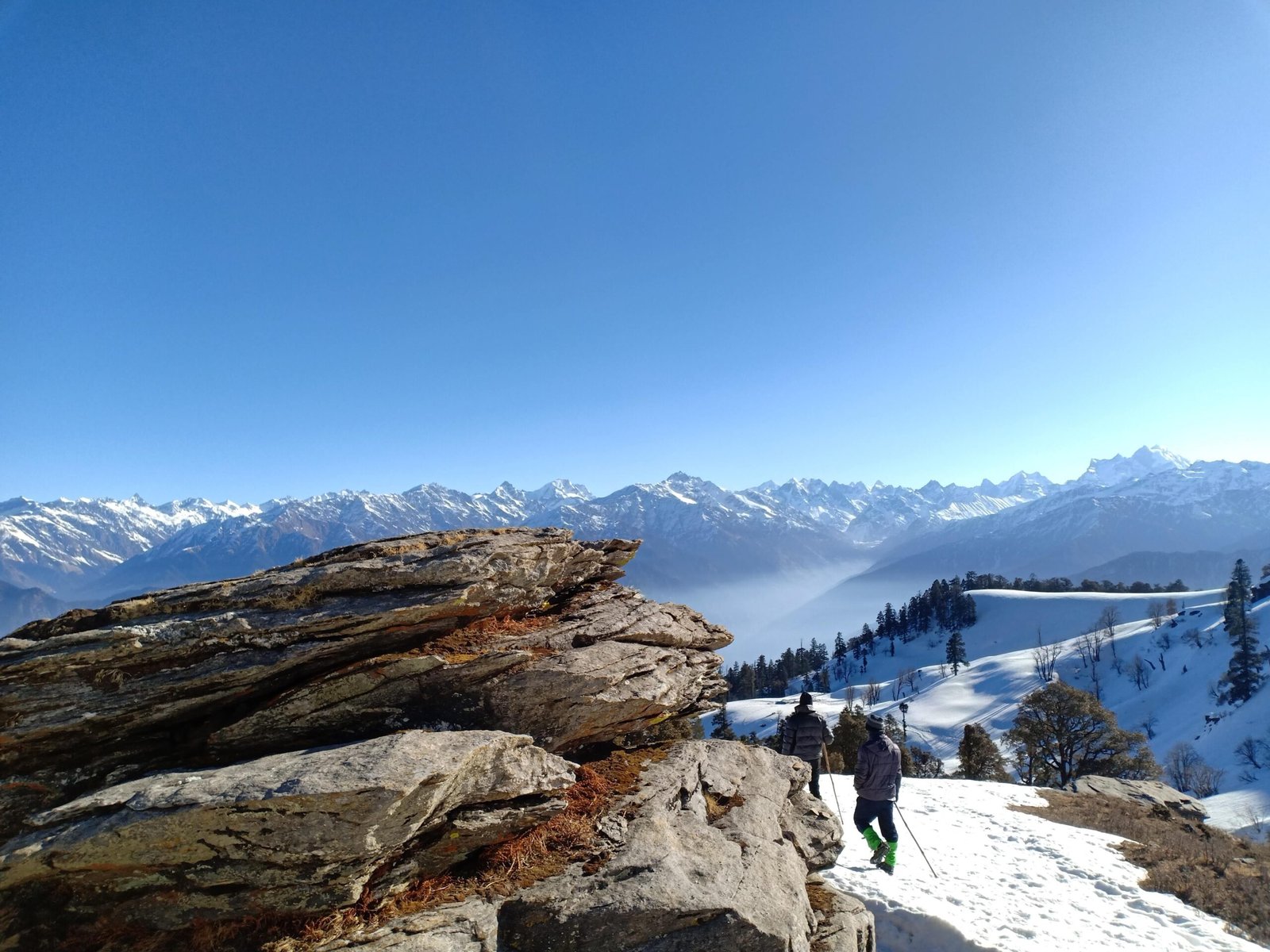
Absolutely. The reward feels much bigger than the effort. From the summit, you can see famous Himalayan peaks such as Swargarohini, Bandarpoonch, Black Peak, and Ranglana. On a clear winter morning, fresh snow reflects the first rays of sunlight, and the entire landscape glows in shades of gold and white.
Reaching the top also brings the sense of accomplishment after the Kedarkantha summit that every trekker remembers long after returning home. Few beginner treks in India offer this kind of summit view after such a balanced ascent.
Conclusion
The Kedarkantha 6,100 feet altitude gain in 4 days experience is not about proving how strong you are. It is about discovering how far steady effort can take you. When you finally stand at 12,500 feet (3,810 m), you rarely remember every hard breath. You remember the silence, the endless mountain views, and the quiet confidence that comes from reaching a place you once thought was far beyond your limits. If you’re planning your adventure, our complete Kedarkantha trek guide covers everything from planning and packing to reaching the summit.
FAQs
Is the Kedarkantha elevation gain difficult for beginners?
No. The gradual ascent over four trekking days makes it suitable for most beginners who prepare with basic fitness training.
How many kilometres is the Kedarkantha trek?
The complete trek is around 20 km, although the distance can vary slightly depending on your itinerary and campsite.
Is altitude sickness common on Kedarkantha?
Most trekkers do not develop serious altitude sickness because the climb is gradual. Mild symptoms like headache or tiredness can occur, so staying hydrated and walking slowly are important.
Does every Kedarkantha trek take four days?
The trekking itself usually takes four days. Most commercial packages last five or six days because they include travel between Dehradun and Sankri.
Is the summit climb the hardest part?
Yes. The section between Kedarkantha Base Camp and the summit is the steepest and most demanding part of the trek, especially during winter.