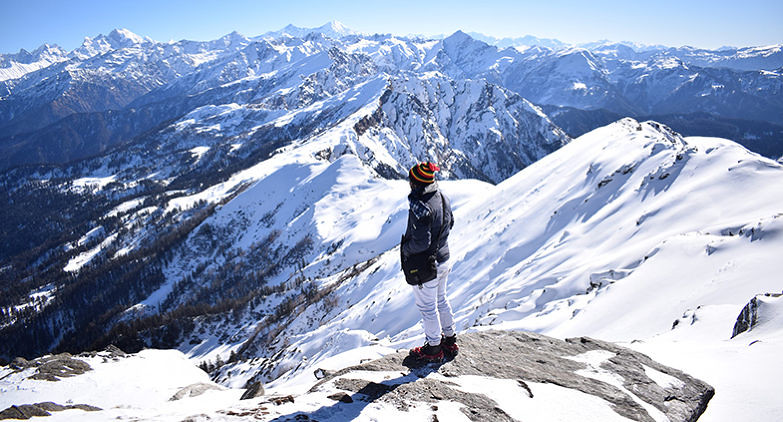
If you want fresh snow, fewer crowds, and a true Himalayan winter trek, the Kedarkantha Trek in February is one of the best times to visit. This 4 to 5-day trek covers around 20 km, reaches 12,500 ft (3,810 metres), and starts from the peaceful village of Sankri in Uttarakhand. February still offers excellent snow on most of the trail, but the busy New Year rush is usually over.
Many people think the snow disappears after January. That is not true. In most years, February still feels like winter in Kedarkantha. We often tell trekkers that if they want snowy trails without packed campsites, this month is hard to beat.
Why Choose the Kedarkantha Trek in February?
February is the last full winter month before spring slowly starts changing the mountains. Snow still covers the forests and campsites, while the days become a little longer than January. You get more daylight for walking, taking photos, and enjoying the views.
Another big advantage is the quieter trail. During the New Year holidays, hundreds of trekkers climb Kedarkantha every day. By February, the crowds become smaller, making it a great time for those looking for a Kedarkantha trek for beginners experience with a calmer atmosphere. You can enjoy peaceful camps, clear viewpoints, and a more relaxed trekking experience.
If your dream is to wake up inside a snowy campsite and watch the first sunlight touch Himalayan peaks, February is a wonderful choice.
Snow Conditions on the Kedarkantha Trek in February
Snow is still the biggest highlight of February. The amount of snow changes every year, but most seasons bring good coverage from Juda Ka Talab all the way to the summit. The first section near Sankri may have a few dry patches towards the end of February if winter has been mild. Once you gain height, the landscape quickly turns white again. Pine forests, open meadows, and campsites stay covered in snow for most of the month.
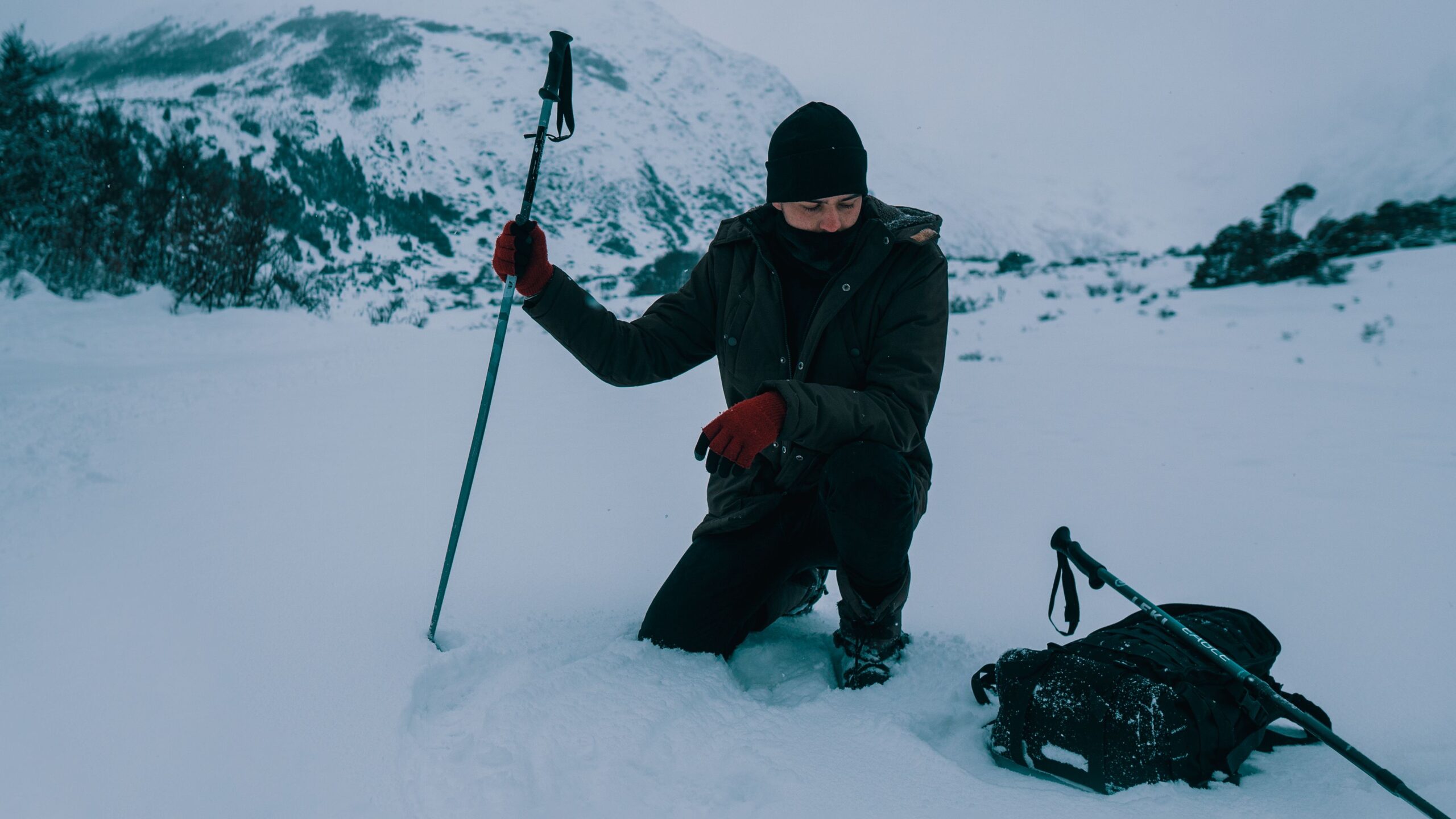
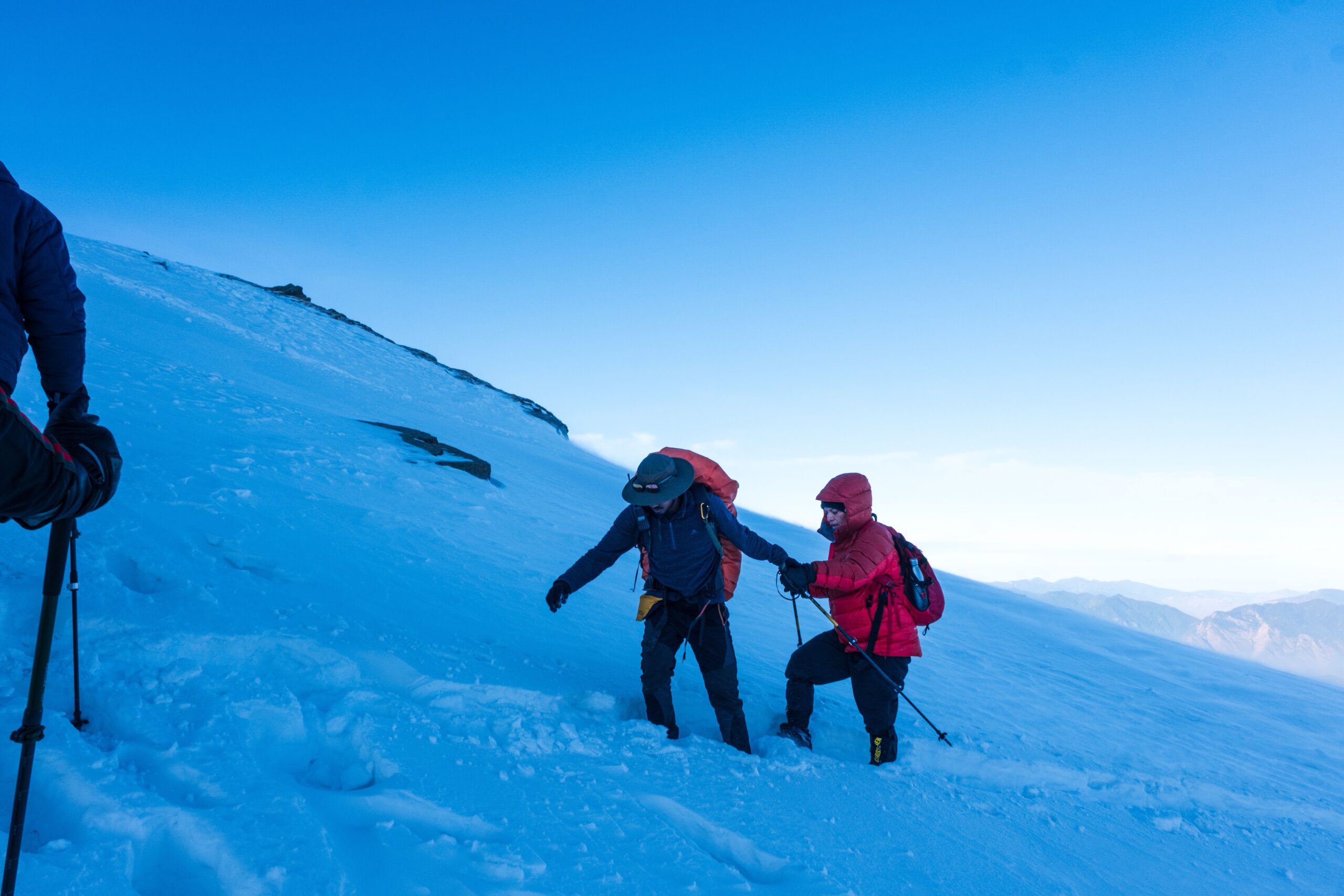
Walking on snow feels different from walking on a normal trail. Packed snow is easy to cross, while fresh snowfall needs a little more effort. Trekking poles help with balance, and good waterproof shoes keep your feet dry.
One day may bring bright blue skies with sparkling snow. The next morning, you could wake up to fresh snowflakes falling outside your tent. That surprise is part of the charm of winter trekking.
Weather During the Kedarkantha Trek in February
February remains cold throughout the trek, especially after sunset. During the day, you often feel comfortable while walking because your body stays warm. Nights are much colder, so proper winter clothing is important.
Typical temperatures are:
- Sankri: 2°C to 10°C during the day, around -2°C at night
- Juda Ka Talab: -4°C to 5°C
- Kedarkantha Base Camp: -8°C to 2°C
- Summit morning: -10°C to -5°C, sometimes lower after fresh snowfall
Strong winds near the summit can make the weather feel colder than the actual temperature. Warm gloves, layers, and a windproof jacket make a big difference.
Day-by-Day Trek Itinerary
Most trekking companies follow a similar plan.
Day | Route |
Day 1 | Dehradun to Sankri |
Day 2 | |
Day 3 | Juda Ka Talab to Kedarkantha Base Camp |
Day 4 | Summit climb and descend to Hargaon campsite |
Day 5 | Hargaon to Sankri, then drive to Dehradun |
Some operators may slightly change the campsites depending on weather and snow conditions.
What Does the Trail Feel Like?
The trail changes every day, and that keeps the journey exciting. The walk from Sankri passes through pine and oak forests. Snow rests on tree branches, and sunlight shines through the forest. It almost feels like walking inside a winter painting.
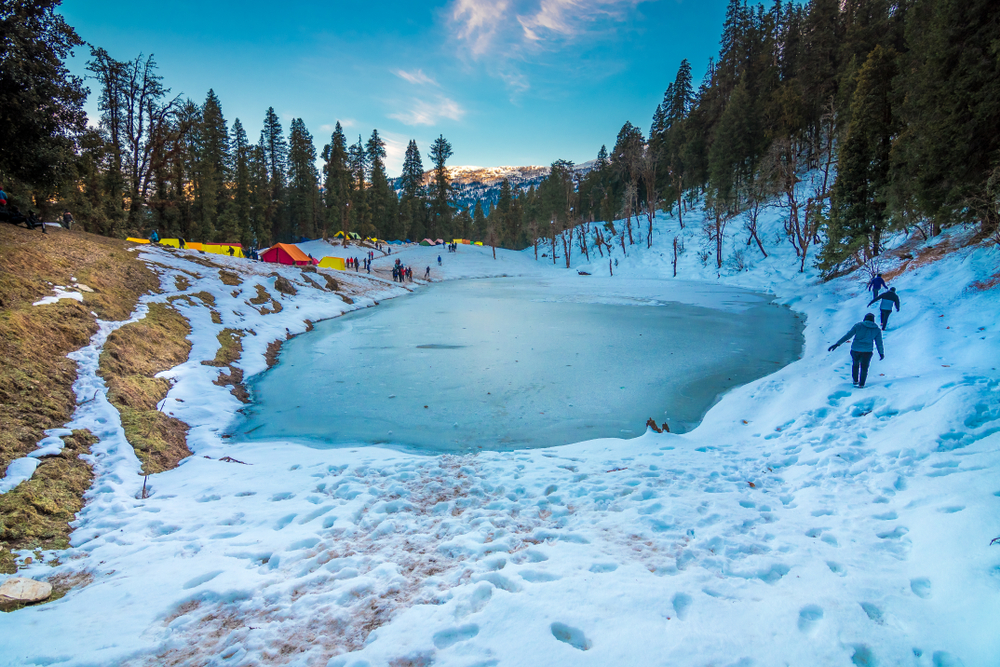
Juda Ka Talab is one of the prettiest camps on the trek. The lake may freeze during colder weeks, and the nearby forest looks beautiful after fresh snowfall. As you climb higher, the trees slowly become fewer. Soon, you walk across wide snowy slopes with huge mountain views all around.
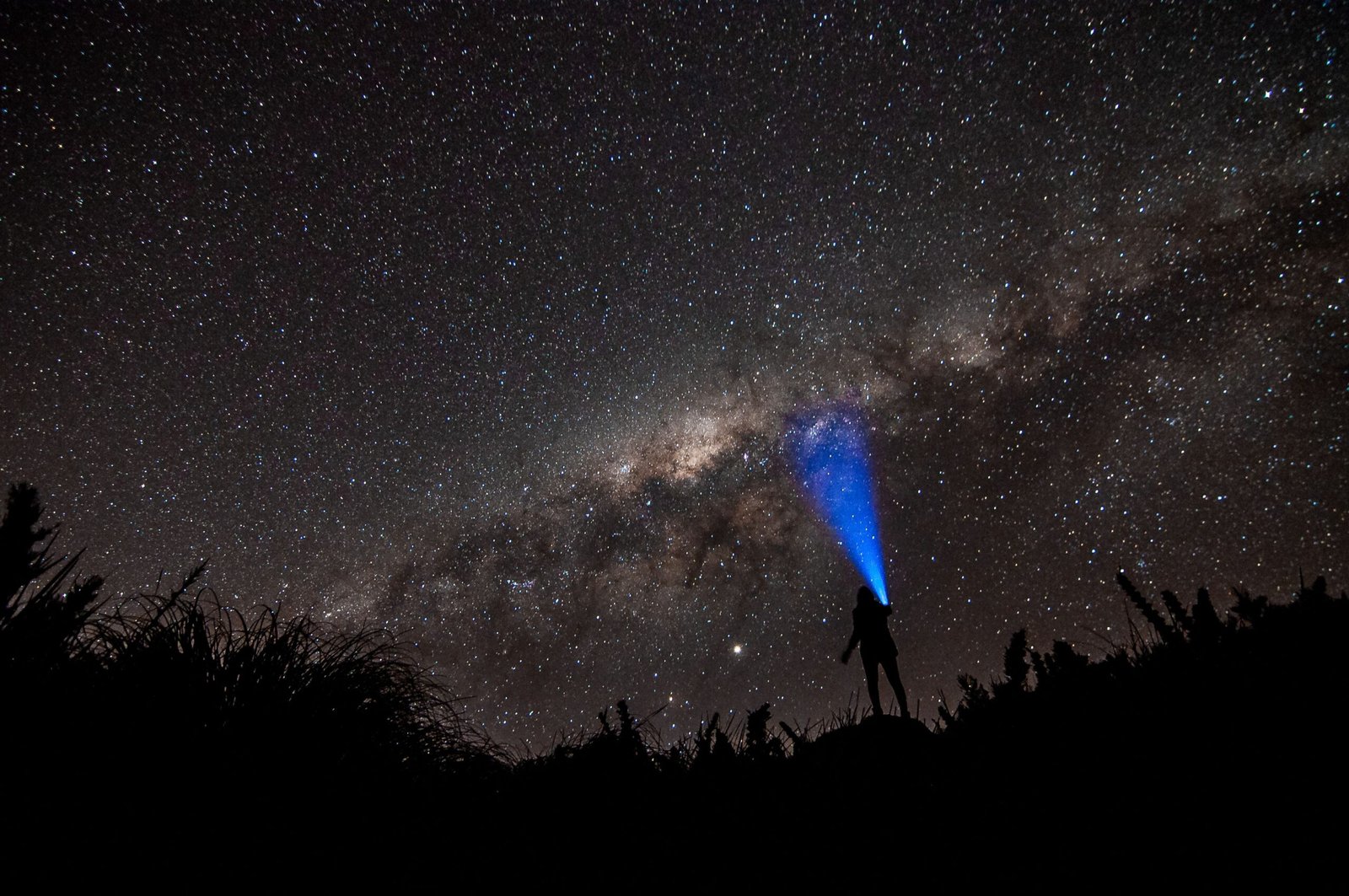
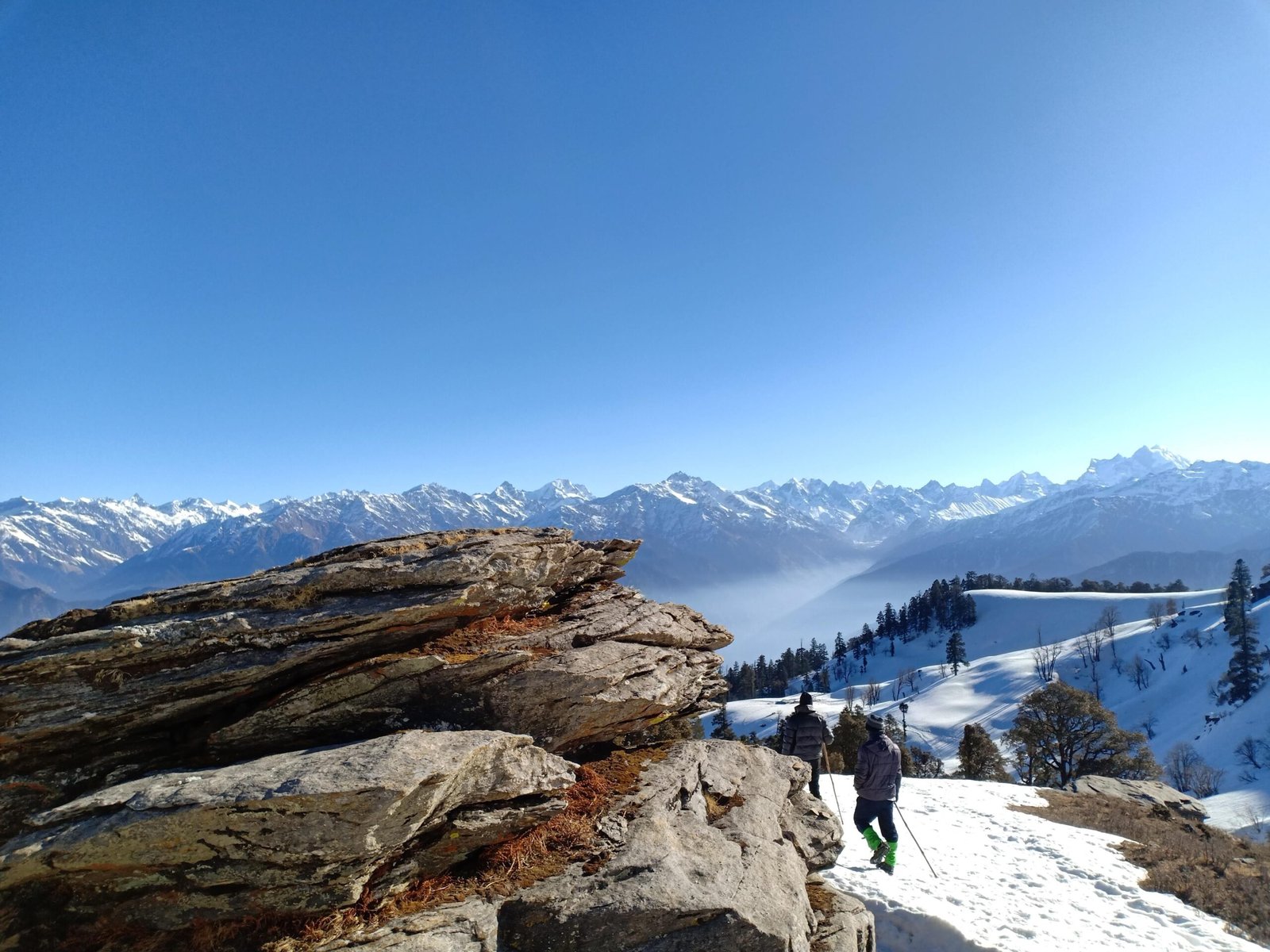
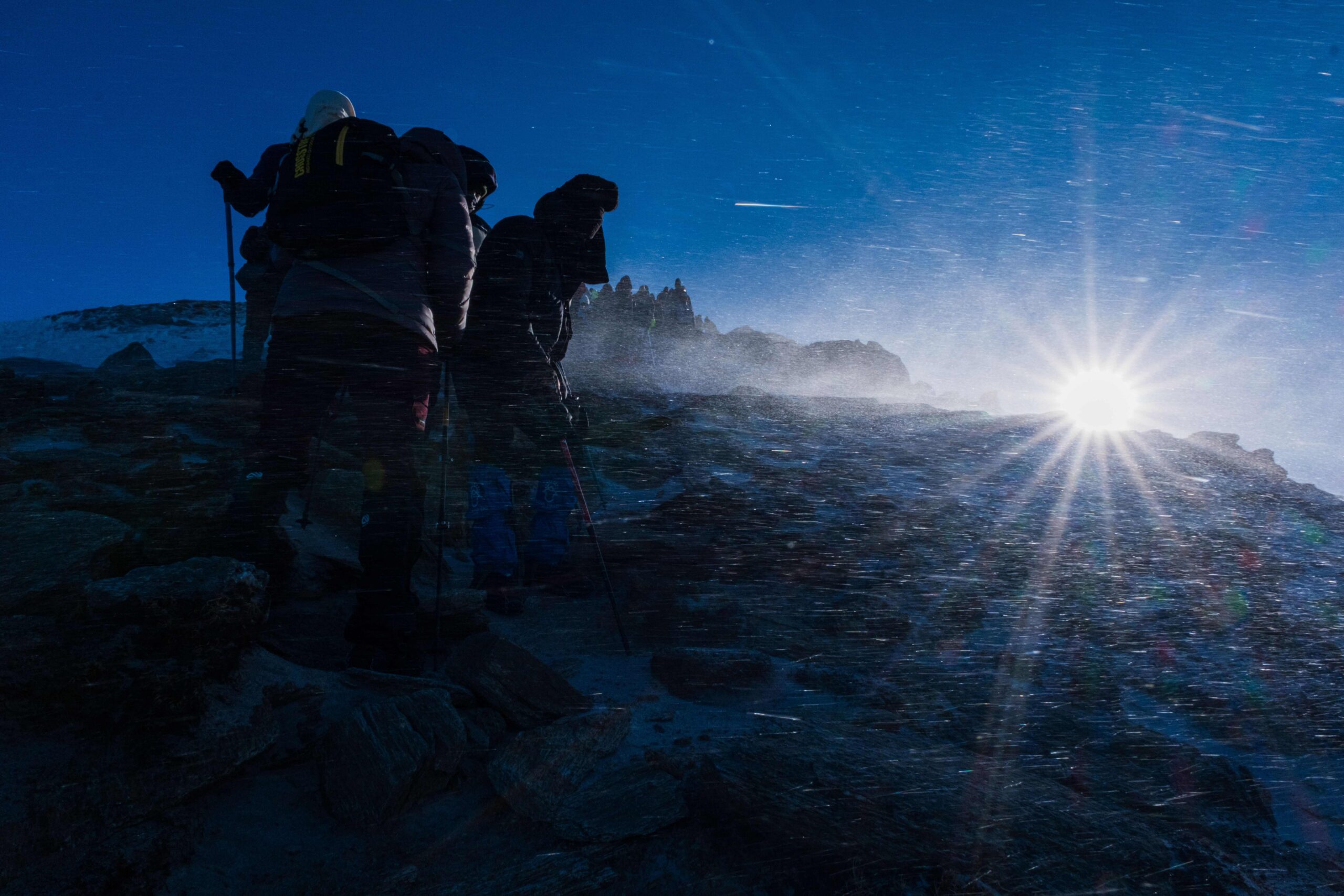
Summit day starts before sunrise. You climb with a headlamp while the stars fill the sky. Then the sun rises behind the Himalayas. Peaks like Swargarohini, Bandarpoonch, and Black Peak slowly turn golden. That view stays with most trekkers for years and brings the unforgettable sense of accomplishment after the Kedarkantha summit.
February vs Other Winter Months
If you are not sure which month to choose, this quick comparison may help.
Month | Snow | Crowds | Best For |
December | Good | High | Early winter trekking |
January | Deep snow | Very high | Peak winter experience |
February | Excellent | Moderate | Best mix of snow and fewer crowds |
March | Patchy in lower sections | Low | Late winter trekking |
For many people, February offers the best balance between good snow and a quieter trail.
How Much Does the Kedarkantha Trek Cost?
Most Kedarkantha trek packages in February cost between ₹5,500 and ₹9,500 per person.
The price usually depends on:
- Group size
- Transport from Dehradun
- Type of accommodation before the trek
- Trekking equipment included
- Services offered by the trekking company
Always check what is included before booking. A cheaper package may leave out transport or equipment.
How to Reach Sankri
Sankri is the starting point of the trek. The easiest way is to first reach Dehradun by train, flight, or bus. From there, Sankri is about 190 to 200 km away and takes around 8 to 10 hours by road. If you’re planning the journey on your own, knowing how to reach Kedarkantha Trek beforehand makes the trip much smoother.
You can travel by:
- Shared taxi
- Private taxi
- Trek operator’s vehicle
- Local bus with one or two changes
Many trekkers stay one night in Dehradun before leaving for Sankri early the next morning.
Permits and Fitness
Most trekking companies arrange the required forest permits as part of your package. You only need to carry a valid government photo ID. A good fitness level is important. Some operators may also ask for a basic fitness certificate before the trek. Even if they do not, preparing your body makes the journey much more enjoyable. Learning how to get fit for Kedarkantha Trek a few weeks in advance can make the climb far more comfortable.
Before your trek, try to:
- Walk or jog 5 km without stopping
- Climb stairs for 20 to 30 minutes
- Build leg strength with simple squats
- Practice brisk walking or cycling
Good fitness helps much more than expensive trekking gear.
What Should You Pack?
Packing smart is better than packing heavy.
Carry these essentials:
- Waterproof trekking shoes
- Down jacket
- Two fleece layers
- Thermal wear
- Waterproof gloves
- Woollen cap
- Neck gaiter
- Sunglasses
- Sunscreen
- Trekking poles
- Wool socks
- Headlamp
- Reusable water bottles
One simple trick works really well. Keep the clothes for the next morning inside your sleeping bag before you sleep. They stay warm, and getting dressed becomes much easier.
Who Should Choose the Kedarkantha Trek in February?
February is a great choice if you:
- Want plenty of snow
- Prefer smaller crowds
- Love winter photography
- Enjoy peaceful campsites
- Want your first snow trek
You may prefer another month if you:
- Do not enjoy freezing nights
- Want green forests instead of snow
- Prefer warmer camping weather
A Few Things to Remember
Mountain weather can change quickly. Fresh snowfall may slow the group or change the day’s plan. Good trek leaders always put safety first. Mobile networks become weak after Sankri, so tell your family that you may stay offline for a few days. Carry enough cash because ATMs are limited, and digital payments may not always work in remote areas.
Most importantly, respect the mountains. Stay on the marked trail, avoid littering, and leave the campsite cleaner than you found it.
The Kedarkantha trek in February gives you almost everything people hope for from a winter trek. You get snowy forests, frozen campsites, clear Himalayan views, and a peaceful trail without the heavy holiday crowds. Months later, you may not remember how cold the morning felt, but you will remember the sound of snow under your boots and the first golden light touching the summit. Isn’t that the kind of memory every mountain lover hopes to bring home?