Himalaya trekking is a great first adventure if you pick a trail that fits your fitness, season, and comfort with height. You do not need to be a climber. You do need to train, pack well, and respect the mountains.
The first step is not buying trekking shoes. It is choosing the right trail. A short, low trail is often a better start than a famous summit trek. For a first trip, look for a clear trail, steady climbs, no technical climbing, and a good support team. Dayara Bugyal, Nag Tibba, Deoriatal Chandrashila, Triund, and Kedarkantha are common picks. Their demands vary, so do not treat every “easy” trek as the same.
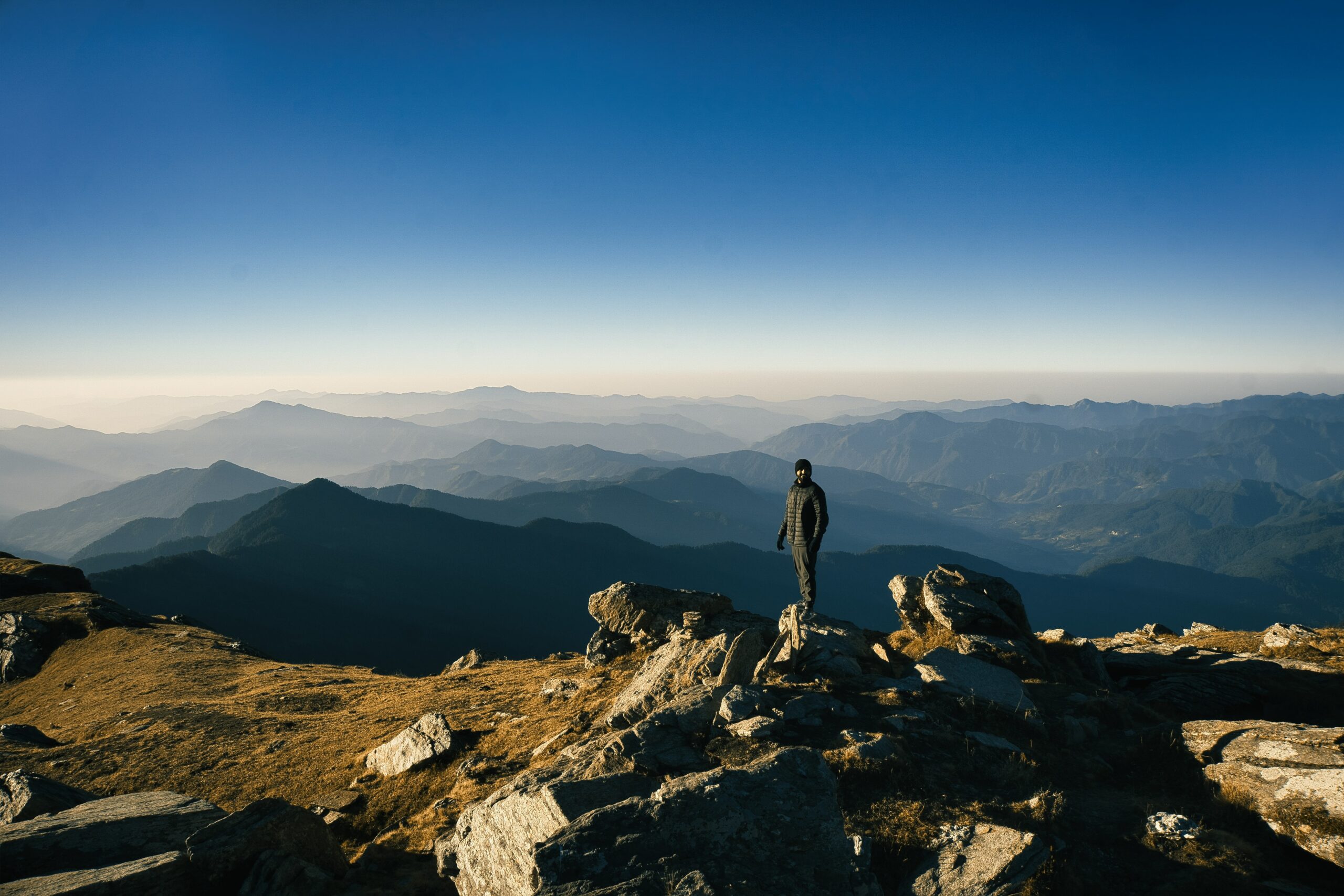
Best Himalayan Treks for First-Timers in India
There is no single best trek for every first-timer. Your choice should depend on the month, fitness, snow skills, and the kind of trip you want. Dayara Bugyal is a strong first choice if you want a classic mountain feel. You get forest walks, open meadows, and wide views without a very technical trail. It is also a good reminder that the best first trek is not always the highest one.
Kedarkantha suits people who want a winter trek with snow and a summit climb. It is longer and higher than a simple weekend hike. So, it is better for a fit beginner who has time to train. If you are comparing it with other winter routes, look at the actual trail demands rather than choosing from photos alone.
Triund works well if you want a short first step. The trail is popular and busy, but that can help new trekkers feel less alone. It is also easy to pair with a Dharamshala trip. Deoriatal Chandrashila is a good choice if views matter to you. The trail gives you forest, a lake, and a high viewpoint. It also feels like a proper Himalayan trip without the scale of a long pass crossing. Har Ki Dun can be a later first trek for a fit walker. It offers villages, forests, a valley, and old mountain culture. But its longer days mean you should not pick it just because a website calls it beginner-friendly.
Himalayan Trek Beginner Guide Complete 2026: How Fit Do You Need to Be?
You do not need to run every morning. You do need a base level of stamina. If you can walk for an hour without feeling wiped out, you already have a useful start. Start training about four weeks before an easy trek. Give yourself more time for a longer or snowy route. The aim is simple: make long uphill walks feel normal before you reach the mountains. For a Kedarkantha trip, your routine should include more than casual walks, which is why a focused plan on how to get fit for Kedarkantha trek can help you judge where you stand.
A simple plan can include brisk walking, stairs, and basic leg work. Add one longer walk each week. If your trek has a heavy daypack, practise with a light pack too. A useful beginner target is to build towards 5 to 8 km of steady walking. On some treks, your day may be longer. Do not chase speed. In the mountains, a slow and steady pace often wins the day.
What Should You Pack for Your First Himalayan Trek?
Your first trek does not need a huge bag. Carry what keeps you warm, dry, safe, and comfortable. Too much gear becomes a burden by day two.
Your basic kit should cover:
- Good trekking shoes with a firm grip
- Two or three quick-dry layers
- A warm layer and rain cover
- Water bottles and a small daypack
- Sunglasses, sunscreen, and a cap
- Basic medicines and personal medicines
- Headlamp, power bank, and ID
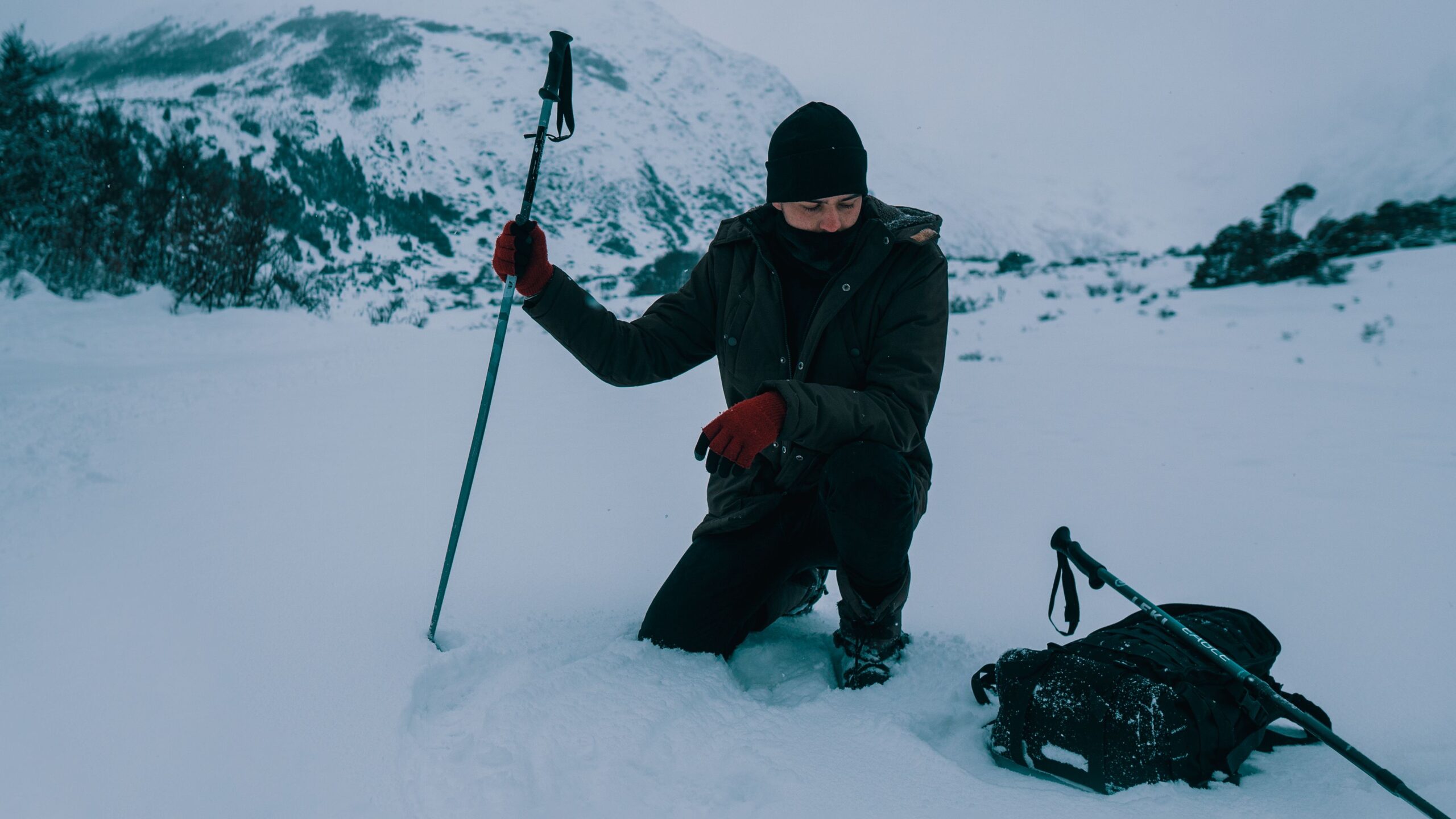
- Gloves and a warm cap for cold routes
Do not buy every fancy trekking gadget you see online. Borrow or rent costly snow gear if you are unsure whether you will trek again. Your first trip is the time to learn what you truly need. For a winter route such as Kedarkantha, a detailed Kedarkantha trek packing list is useful because cold-weather gear can add weight quickly.
How Do You Deal With Altitude?
Altitude is where first-timers need to be careful. You may feel fine at the base and still feel bad after a big climb. Headache, nausea, poor sleep, and unusual tiredness can be warning signs of altitude trouble. The best rule is simple: do not push through serious symptoms. Tell your trek leader early. Rest, follow the team’s advice, and descend if symptoms get worse. If Kedarkantha is your chosen trek, understanding altitude sickness on Kedarkantha trek before you leave is far better than learning about it halfway up.
Hydration helps, but water is not a magic cure. Sleep well, eat regular meals, and keep your pace easy. Your body needs time to adjust. And remember one thing. Feeling fit at home does not make you immune to altitude. This is one reason a first-timer should never treat the mountains like a race.
Should You Trek Alone or With a Group?
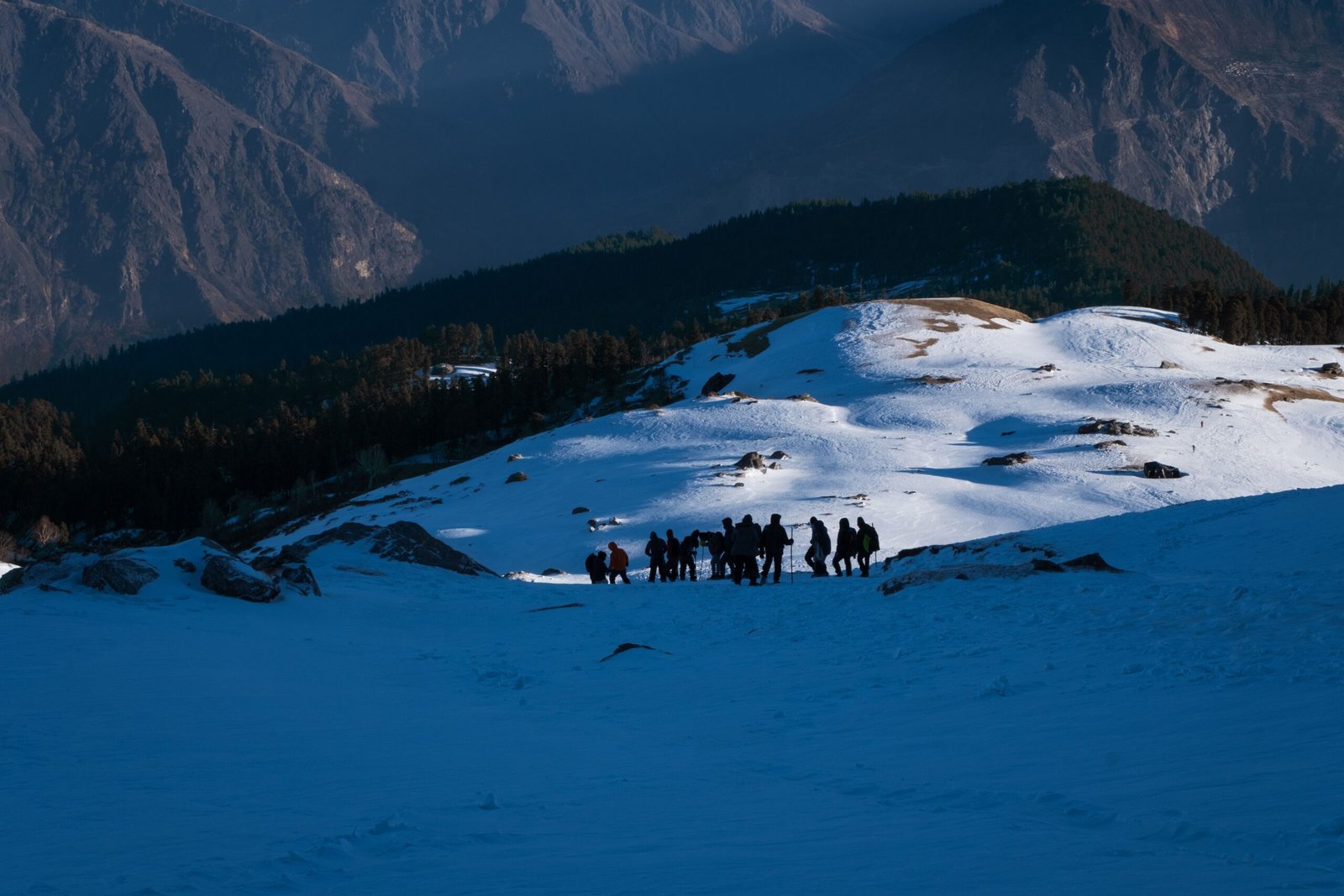
For a first Himalayan trek, I would choose a trusted group or local guide. You learn faster when someone knows the trail, weather, camps, and local rules. Going alone may sound exciting. Yet a remote mountain trail is not the place to learn navigation by trial and error. A guide also helps when the weather turns or you feel unwell.
Before booking, ask who leads the trek, what safety kit they carry, what transport is included, and what happens if the trek is cut short. A cheap package is not cheap if key safety support is missing.
What Is the Best Time for Himalayan Trekking?
The right month depends on the trek. Spring brings flowers and clear mountain views to many routes. Summer opens many high trails. The monsoon can bring rain, mud, and landslides in parts of the Himalayas. Winter brings snow but needs warmer gear and better planning.
Do not pick a trek only from a photo you saw on Instagram. Ask what the trail is like in the exact month you plan to go. Snow in December and snow in March can be very different. The same rule applies to Kedarkantha, where conditions change through the year, so checking the best time to visit Kedarkantha trek is more useful than relying on a generic winter label. This is also why a month-by-month approach works better than simply asking for the “best Himalayan trek”. The right route for January may not be the right route for July.
How Much Does a First Himalayan Trek Cost?
Costs vary by route, travel, group size, and gear. A short local trek can cost a few thousand rupees. A four to six day guided trek can cost much more once transport and gear are added. Keep a separate budget for getting to the base village. This is where many first-timers get caught out. The trek fee may cover food and camp stays, but your train, bus, taxi, tips, and personal gear can sit outside it.
Do not choose a trek only because it has the lowest price. Check what you are actually getting for that price. If Kedarkantha is on your shortlist, checking the Kedarkantha trek cost can help you separate the trek fee from the extra travel and gear costs.
What Should You Check Before Booking?
Before paying, read the full plan. Do not rely only on the trek name and a big photo. Look for the daily distance, highest point, total days, stay plan, transport, meals, permits, and emergency plan. For example, a route that looks short on a map may still have steep climbs. Knowing the Kedarkantha trek total distance gives you a better idea of the walking load before you book. Also check the cancellation rule. Weather can change plans in the mountains. A good operator should explain what happens if roads close or the route becomes unsafe.
Your final choice should pass three simple tests:
- Can I train enough before the trek?
- Can I handle the highest point on the route?
- Does the season suit this exact trail?
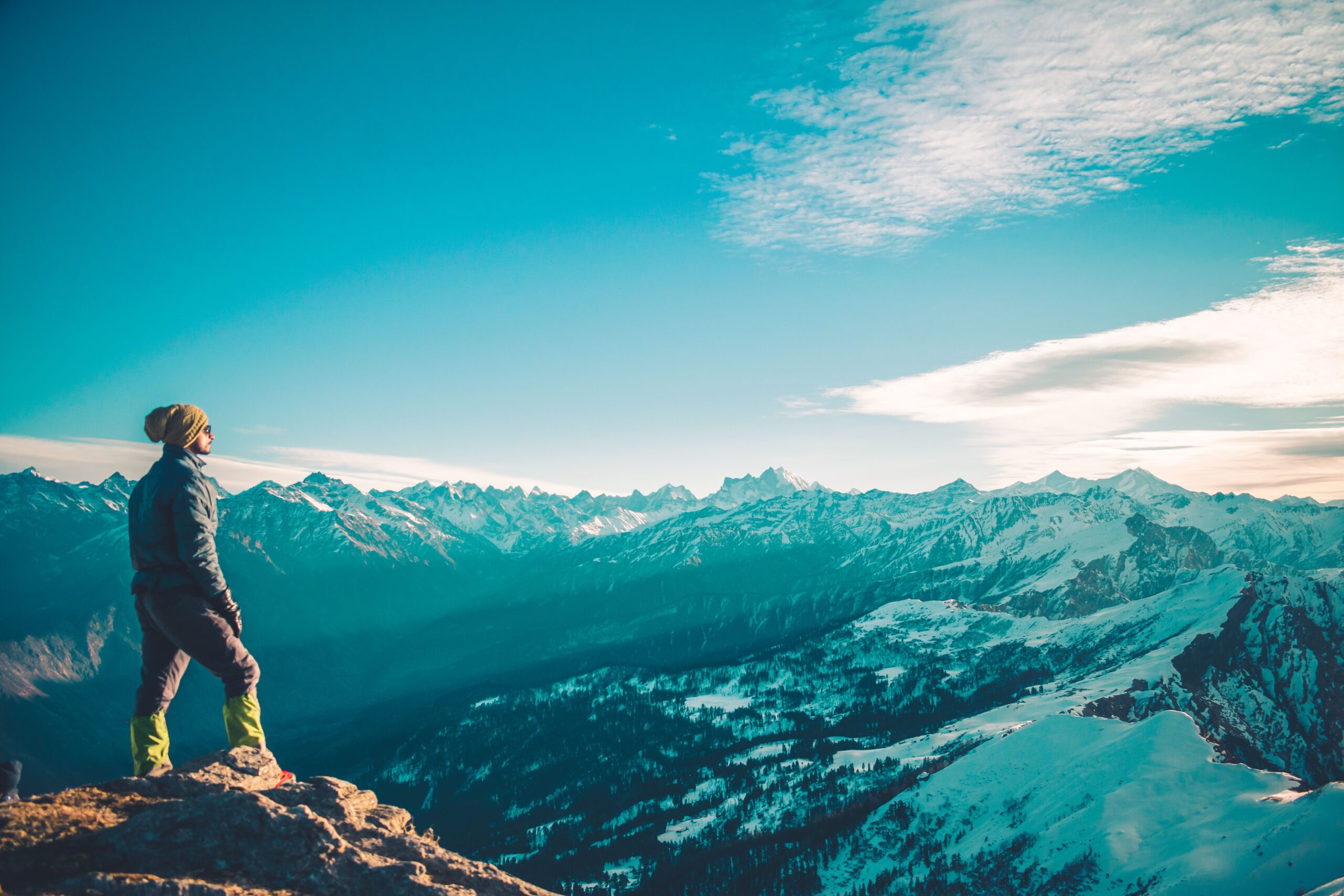
Small Things First-Time Trekkers Often Get Wrong
Many new trekkers pack too much and walk too fast. Both mistakes show up early. Your bag feels heavier, your breathing gets rough, and the first day’s excitement starts to fade. Another common mistake is trying to prove fitness. There is no prize for reaching camp first. Stop for water, eat before you get weak, and let your body set the pace.
Respect local life too. Mountain villages are homes, not photo sets. Ask before taking pictures of people. Keep noise low and carry your waste back. Weather is another thing beginners often take lightly. A sunny morning can turn cold by afternoon. Keep your rain and warm layer easy to reach instead of burying them at the bottom of your bag.
A good Himalaya trekking guide first timer should do more than name pretty trails. It should help you make a safe choice when the excitement fades and the real questions begin. So, if this is your first Himalayan trek, start small, train well, and choose the route for the person you are today, not the trekker you hope to become. The mountains will still be there. The better question is: which trail will make you want to come back for the next one?