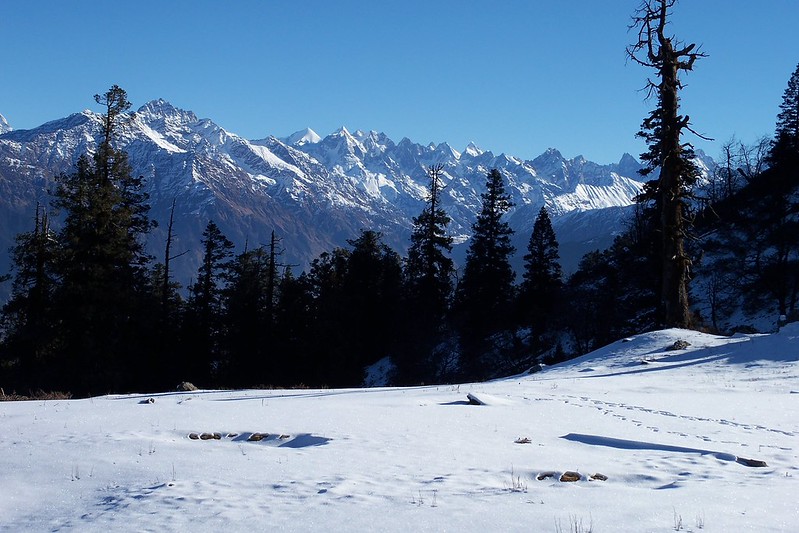
Yes, the Kedarkantha trek is safe in December for a fit and prepared trekker, but winter snow, ice, cold and altitude make it a serious mountain trek. It is a good first winter trek if you go with a trusted team, carry the right gear and know when to stop.
The word safe needs some care here. Kedarkantha is not a technical climbing route, but it is also not a simple hill walk. You can face frozen snow, steep slopes, cold winds and altitude near 12,500 ft. So, before you book that December trip, it is worth knowing what the mountain may throw at you.
Is Kedarkantha Trek Safe in December?
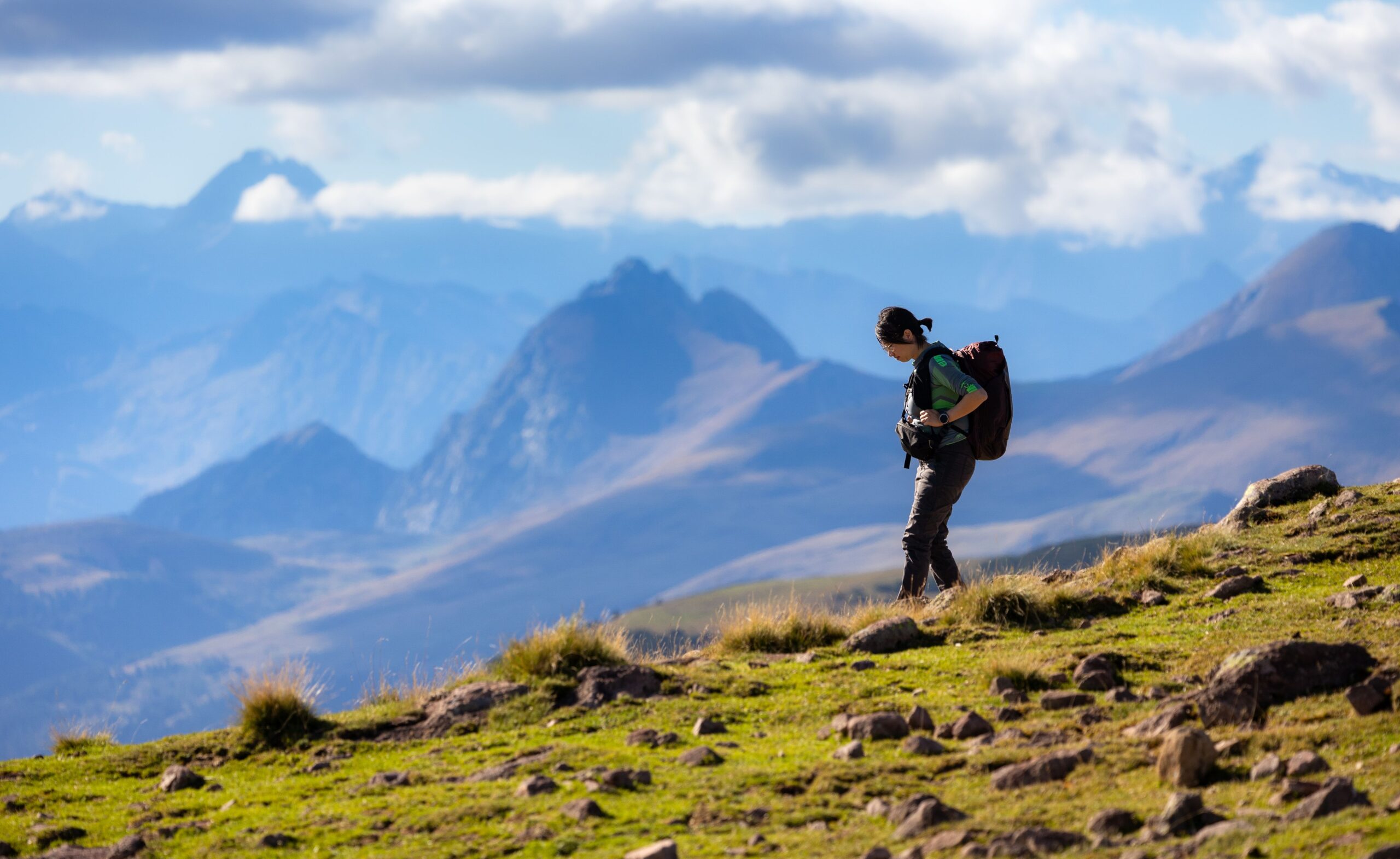
For most healthy and well-prepared trekkers, December is a suitable month for Kedarkantha. The trek is popular as a winter route, and YHAI currently lists its 2026-27 Kedarkantha programme as a medium-grade winter trek reaching about 12,500 ft. It also asks trekkers to carry a medical certificate and use gear such as microspikes and poles when hard snow is present.
If this is your first Himalayan trek, it helps to know what the trail is really like before you book. Kedarkantha is often chosen by first-timers because the route is well known and does not need technical climbing skills. The real risk comes from poor planning. A trekker in good shoes, warm layers and a guided group is in a very different position from someone who arrives in Sankri with sports shoes and one thick jacket. So ask yourself one simple question before booking: Are you ready for a winter trek, rather than just a trip to see snow?
What Are Kedarkantha December Conditions Like?
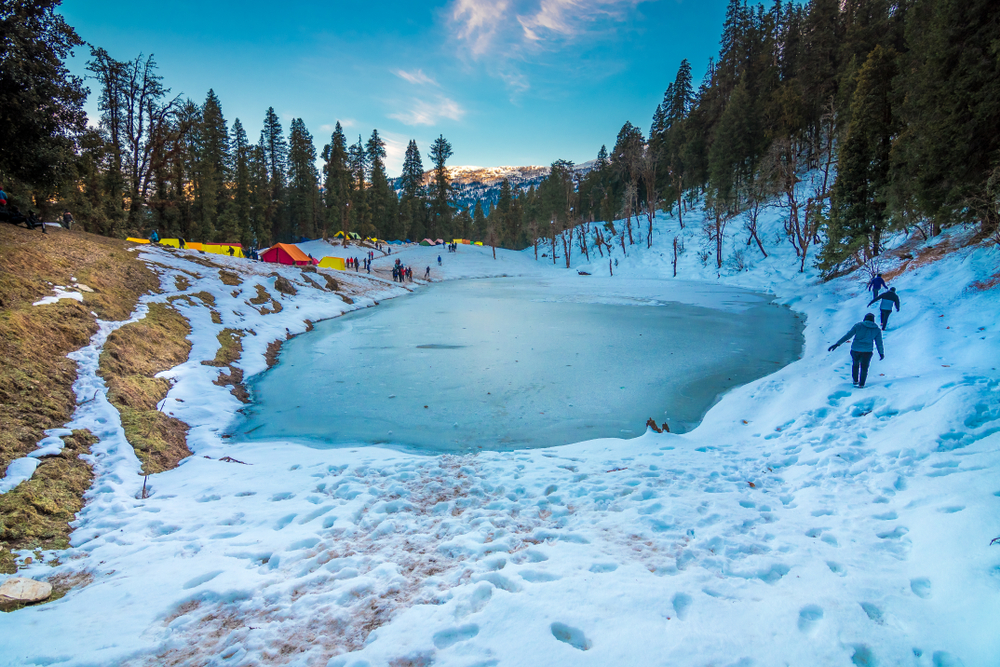
December brings the start of the main snow season. Conditions can vary between early and late December, so you should not expect the same trail every week. Early December can have less snow on some lower parts. By late December, snow and frozen patches become more likely at higher camps. Heavy snowfall can also change the trail in a short time. Indiahikes notes that snowfall can block an existing path and may force trek teams to create a new track.
If snow is the main reason you are choosing this month, it is worth checking the usual pattern before fixing your dates. A separate guide to Kedarkantha trek in December can help you compare early and late December conditions.
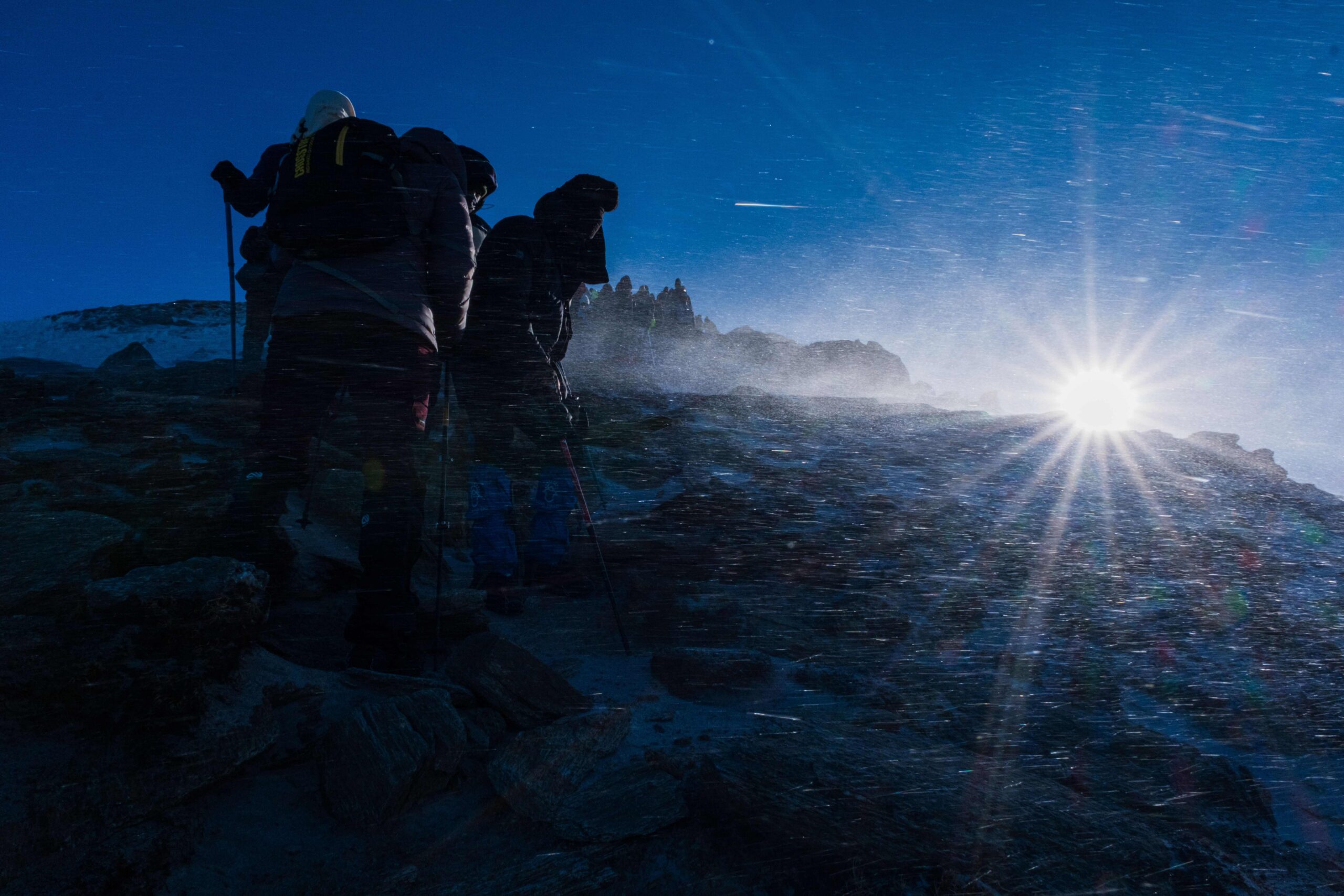
Cold is another factor. Older Indiahikes winter guidance records night temperatures around -7°C, while actual cold can vary by camp, weather and wind. It is better to prepare for well-below-freezing nights than pack for a mild hill holiday.
You may deal with:
- Frozen snow early in the day.
- Slippery ice on steep parts.
- Cold winds at open camps.
- Snowfall that slows the group.
- Short winter daylight.
- Very cold nights at higher camps.
Kedarkantha Trek Stats You Should Know Before Booking
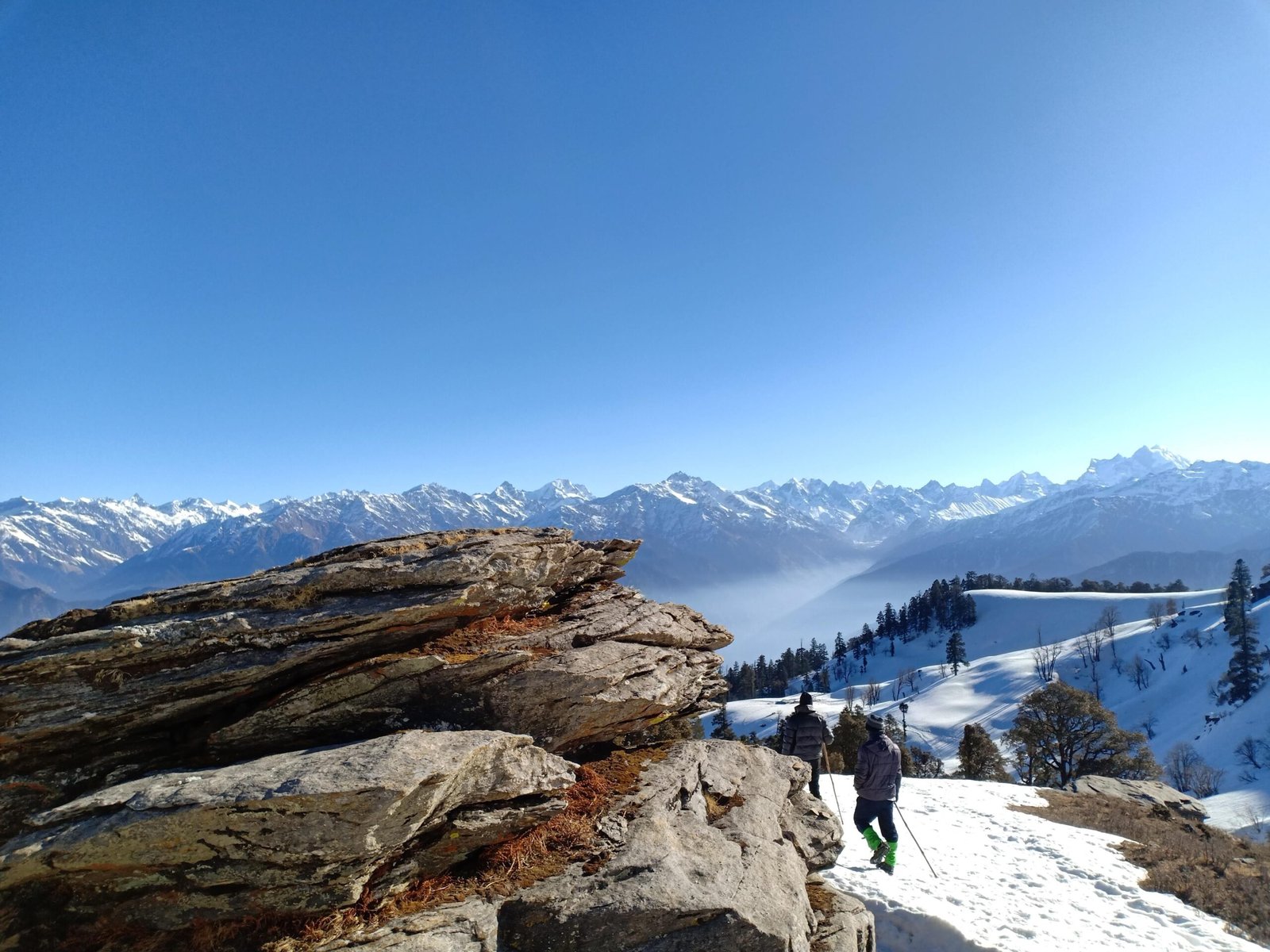
Knowing the numbers helps you judge whether this trek suits you. The exact route can change, and operators now use different starting villages, so distances are not always the same. For the commonly used routes, you should expect a summit around 12,500 ft and roughly 18 to 23 km of trekking, spread over about four trekking days. Indiahikes currently gives 18 km for one route, while its current Kotgaon route covers about 23 km over four trekking days.
Trek detail | What to expect |
Summit altitude | About 12,500 ft |
Trek duration | Usually 4 trekking days |
Total distance | About 18 to 23 km, based on route |
Starting altitude | Around 5,600 to 6,500 ft |
Winter season | December to February |
Hardest day | Summit day |
Trek grade | Easy to moderate to medium, depending on route and operator |
If you want to understand why these numbers matter, the overall Kedarkantha trek difficulty is easier to judge when you look at distance, altitude and the summit climb together rather than relying only on the word “beginner”. The summit day is the part I would take most seriously. On one current Indiahikes route, the summit day is around 9 km and 7 to 8 hours, with a steep climb to 12,500 ft followed by a long descent.
That sounds manageable on paper. But add snow, cold and altitude, and your legs may tell a different story.
Why Does Snow Make Kedarkantha Harder in December?
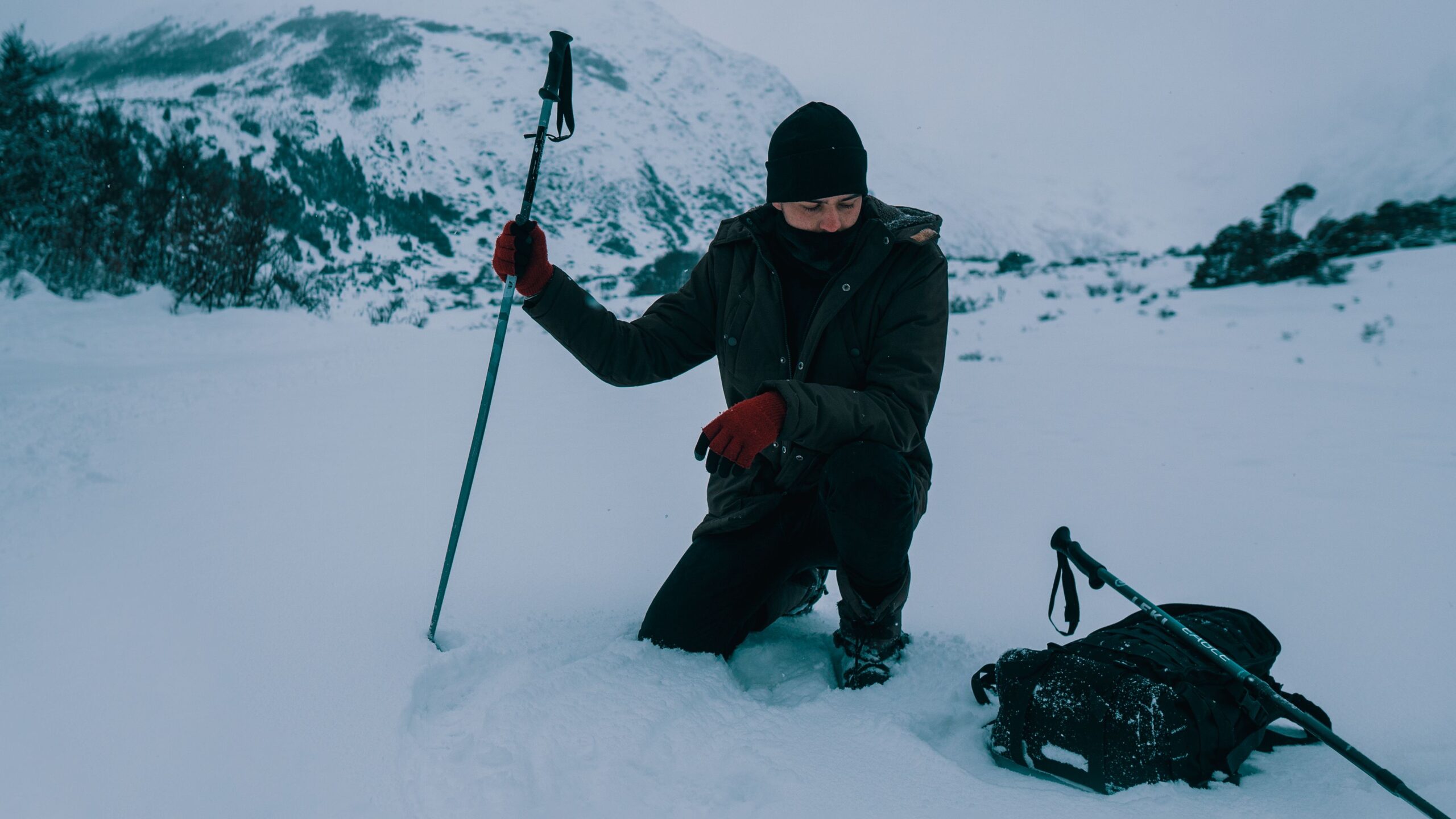
Fresh snow looks soft and harmless. Frozen snow is a different story. Snow can freeze overnight and become hard under your shoes. On a slope, this can make each step less stable. Indiahikes also notes that winter snow stays hard in the early morning and that the summit section gets steeper as you climb. This is where good footwear and traction matter. YHAI says trekkers may need gaiters, microspikes and trekking poles when hard snow is present at the summit.
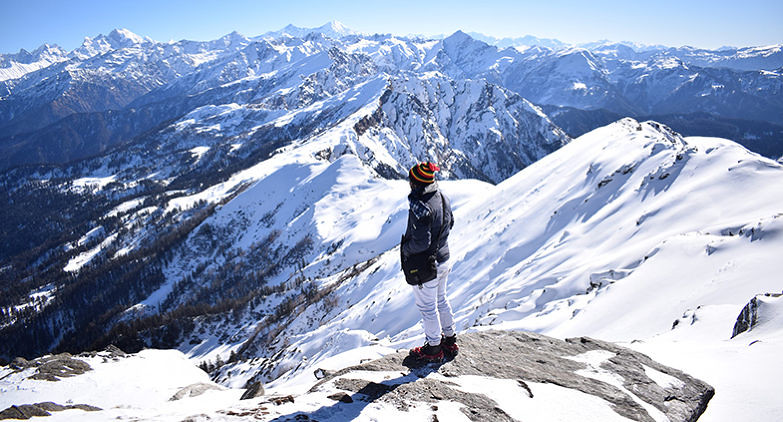
The summit climb deserves extra care because it combines a steep trail with cold and altitude. If you want to know what that section feels like, check Kedarkantha summit climb context before you reach the mountain. You do not need to buy every piece of winter gear before you travel. Many trekking teams provide or rent some items. But ask what is included before you pay.
What About Altitude Sickness on Kedarkantha?
This is one safety point you should not skip. Kedarkantha rises from roughly 6,000 to 6,500 ft at the usual starting points to around 12,500 ft at the summit. That is a large gain in a few days. Indiahikes warns that trekkers become prone to acute mountain sickness, or AMS, above 12,000 ft. AMS can cause a headache, nausea, dizziness, tiredness, poor appetite or vomiting. These signs can appear after you reach a higher altitude. The CDC advises trekkers not to climb higher when symptoms are present and to descend if symptoms get worse while resting at the same height.
If you want a simple checklist of what to watch for, check the altitude sickness on Kedarkantha Trek is useful before your trip. Do not try to hide symptoms because you want the summit photo. Tell your trek leader early. Also, do not take Diamox on your own just because someone in your group carries it. Talk to a doctor about whether altitude medicine is suitable for you. A pulse oximeter can be useful for some trekkers, but it should not replace your symptoms or a trained guide’s judgement.
Is Kedarkantha Safe for First-Time Trekkers?
Yes, with the right preparation. Kedarkantha is popular with beginners because the route is well known and does not require technical climbing skills. But winter changes the experience. A first-timer still needs to be able to walk uphill for several hours and handle cold conditions. Start training at least a few weeks before the trek. Regular brisk walks, stairs and simple leg exercises can help. You do not need a fancy gym plan. If you can walk for several hours at a steady pace without feeling wiped out, you are in a much better place.
For a more focused plan, you can check how to get fit for Kedarkantha trek before you leave home. And please do not compare yourself with the fastest person in your group. Mountain trekking is not a race.
How Can You Make a December Kedarkantha Trek Safer?
The trekking operator you choose can make a big difference. A good team should have trained trek leaders, clear weather rules and an emergency plan. Indiahikes says its technical team and trek leaders monitor weather and can abort the trek when conditions become unsafe. It also lists exit points and medical support arrangements on its current trek page.
Before booking, ask:
- What winter gear does the package provide?
- Who leads the trek?
- What happens during heavy snowfall?
- Can the group turn back from a campsite?
- What is the emergency evacuation plan?
- What happens if the trek is cancelled?
- Are medical checks required?
YHAI, for example, requires a medical certificate from an MBBS or MD doctor for its current winter programme. Its terms also state that programmes may change due to weather or local administration. These are not boring booking details. They can matter when the weather turns bad.
Can Heavy Snow Cancel or Stop the Trek?
Yes. A trek operator may change the route, delay a summit attempt or stop the trek if the weather becomes unsafe. This is normal mountain safety, not a failed holiday. Indiahikes says heavy snowfall can block established paths and that its team may turn back from any campsite if weather conditions worsen. YHAI also says its route and schedule can change based on local administration and weather. A safe operator should also have a clear plan for getting trekkers off the trail when needed. It is worth knowing the possible emergency exits on Kedarkantha trek before you start.
So check the cancellation terms before paying. If a programme is cancelled due to a natural calamity or government restriction, the refund rules can differ by operator. YHAI, for instance, has specific rules for such cancellations. Never book a non-refundable train or flight immediately after the expected trek finish. Give yourself some buffer.
What Should You Carry for December Safety?
Your packing should focus on warmth, grip and basic emergency needs. Do not try to carry your whole wardrobe. Layering works better than one huge jacket.
The basics include:
- Warm base layers.
- Fleece and a warm outer jacket.
- Waterproof shell.
- Warm gloves and woollen socks.
- Good trekking shoes.
- Gaiters for deep snow.
- Microspikes when needed.
- Trekking poles.
- Sunglasses and sunscreen.
- Headlamp with spare batteries.
- Personal medicines.
- Basic first-aid items.
A full Kedarkantha trek packing list can help you check your gear without carrying things you will never use. Keep one dry set of warm clothes for camp. Getting into dry clothes after a cold day can feel like a small luxury in the mountains.
What If You Get Sick or Injured?
Tell your trek leader as soon as something feels wrong. Do not wait until the problem becomes severe. Kedarkantha is in a remote Himalayan region, so medical help is not as quick as it is in a city. Indiahikes lists Mori and Purola for basic medical help and says major hospital care may require a much longer journey. It also lists exit points from the trek. This is another reason to choose a proper guided trek. You want someone who knows the route, local roads and exit options when things do not go as planned.
Should You Book Kedarkantha in Early or Late December?
It depends on what you want. Early December may suit you if you want winter weather but do not want the strongest snow conditions. Late December is more attractive if snow is your main goal, but you should be ready for colder conditions and a busier trail around Christmas and New Year. There is no magic date when Kedarkantha suddenly becomes safe or unsafe. Weather decides much of that.
If your main goal is a snowy Himalayan trek, December is a strong choice. If your only goal is to see snow and you dislike cold, long walks and early mornings, a Kedarkantha trek may not be the right holiday for you.
Quick Safety Checklist Before You Book
Before making the payment, check these points:
- Fitness: Can you walk uphill for several hours?
- Altitude: Are you aware of AMS signs?
- Gear: Does your operator provide or rent winter traction gear?
- Guide: Is the group led by trained staff?
- Weather: Will the operator cancel or turn back when needed?
- Medical: Do you need a doctor’s check before the trek?
- Insurance: Does your travel policy cover trekking and evacuation?
- Buffer: Have you kept extra time after the trek?
FAQs
Is Kedarkantha safe for first-timers in December?
Yes, provided you are reasonably fit, use proper winter gear and trek with a reliable team. The winter conditions still demand care, especially on the summit climb.
Is Kedarkantha very cold in December?
Yes. Nights can fall below freezing, especially at higher camps. Wind can make it feel even colder, so pack for strong winter conditions rather than mild hill weather.
Is there a risk of AMS on Kedarkantha?
Yes. The summit is around 12,500 ft, so altitude sickness is possible. Headache, nausea, dizziness and unusual tiredness should not be ignored.
Do I need microspikes for Kedarkantha in December?
You may need them when the trail has hard, frozen snow. YHAI specifically advises microspikes, gaiters and trekking poles for hard snow at the summit.
Can the Kedarkantha trek be cancelled due to snowfall?
Yes. Heavy snow or unsafe weather can lead to a delayed trek, route change or failed summit attempt. Your operator should have a clear policy for such situations.
Is late December better for snow?
Late December often gives you a better chance of seeing snow, but conditions can also be colder and harder. If snow is your top priority, late December can be appealing, but do not book without checking the latest weather and trail update.