The main emergency exit points lead back to Sankri, where trekkers can reach a road and get help. If medical care is needed, Mori is usually the nearest place for treatment, while serious cases may need to be taken to Dehradun.
Most people plan for the fun parts of the trek. They think about snow, camping, and summit views. Very few think about what they would do if they got sick or hurt on the trail.
That is normal. Nobody starts a trek expecting a problem. Still, knowing the exit routes before you start can help you stay calm if something goes wrong.
The good thing is that Kedarkantha Trek is one of the easier Himalayan treks when it comes to getting help. There are villages nearby, the trail is well known, and trekkers can return to lower ground without much difficulty.
Also checkout: The fitness & Difficulty Guide
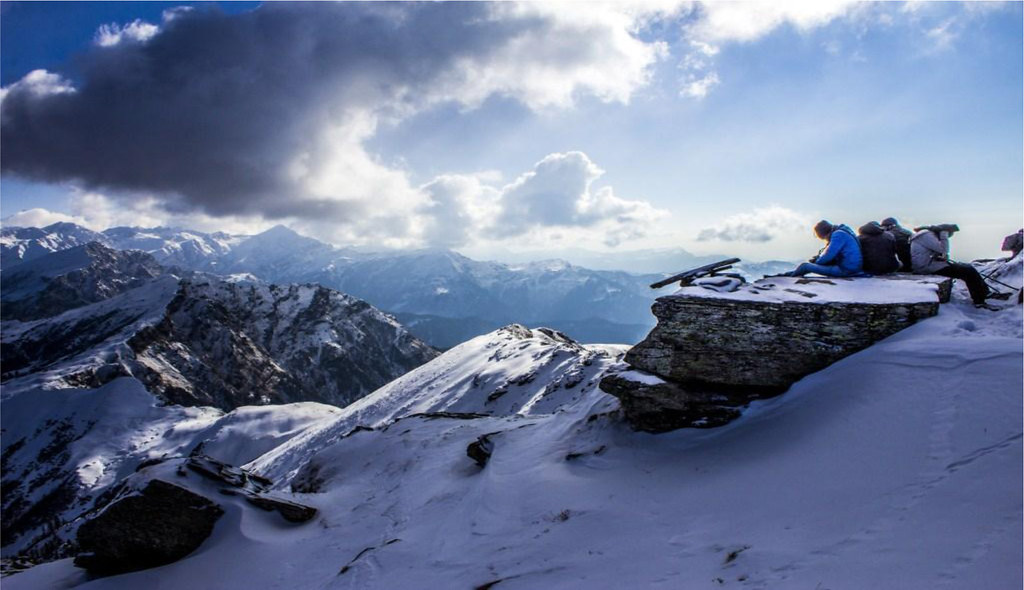
Emergency Exit Points at a Glance
Here is a simple overview of the main exit options.
Trek Location | Exit Route | Road Access | Medical Help |
Juda Ka Talab | Return to Sankri | Yes | Mori |
Base Camp | Descend to Sankri | Yes | Mori |
Summit Route | Return to Base Camp and descend | Yes | Mori |
Sankri | Direct road access | Yes | Mori or Purola |
The best exit route depends on where you are on the trail and how serious the problem is. Understanding the trek route map before your trip can make these exit points easier to understand.
Also read the detailed guide on: Documents & ID for the trek.
Why It Is Important to Know the Exit Routes
Most trekkers finish Kedarkantha without any issues. Every year, thousands of people complete the trek safely.
Even so, mountains can surprise you. A person may feel strong in the morning and unwell a few hours later. A small slip on snow can also lead to an injury.
When people know their exit options, they make better choices. They do not panic or waste time figuring out what to do. This is why good trek leaders talk about safety before the trek starts.
Emergency Exit from Juda Ka Talab
Juda Ka Talab is usually the first campsite on the trek. It is also one of the easiest places to leave the trail if needed. If a trekker gets a fever, feels very tired, or shows signs of altitude sickness
The trail between Juda Ka Talab and Sankri is clear and well used. Because of this, getting help is usually easier here than at higher camps. Many early health problems show up on the first day. That is why guides watch trekkers closely during this part of the journey.
Read here about: Backpack Offloading & Porters
Emergency Exit from Kedarkantha Base Camp
Kedarkantha Base Camp sits higher on the mountain and is usually much colder. Snow can also make walking slower. If a trekker cannot continue, the safest choice is often to descend to lower camps and then return to Sankri.
For altitude sickness, coming down is often the best treatment. Many people start feeling better after losing some height. This is why guides take symptoms like dizziness, headache, and breathing trouble seriously.
Emergency Exit from the Summit Route
Summit day is the hardest day of the trek. Trekkers start before sunrise, and the climb is steeper than the earlier days. Sometimes a person feels weak or unwell during the climb. If that happens, turning back is usually the safest choice.
Many trekkers feel tempted to keep going because the summit looks close. But no summit is worth risking your health.
Most people who leave the trek from the summit route first return to Base Camp and then continue down to Sankri. Knowing what happens on Kedarkantha summit day can help trekkers prepare for these challenges.
Nearest Hospital to Kedarkantha Trek
One of the most common questions trekkers ask is where they can get medical help. Mori is usually the nearest place for basic treatment after reaching the road from Sankri. It is around 21 kilometres away and is often the first place trekkers go if they need medical care.
Purola also has healthcare facilities and may be used depending on the situation. For serious injuries or major health problems, trekkers are often taken to larger hospitals in Dehradun. The journey can take several hours because mountain roads are slow and winding. This is why it is always better to speak up early if you feel unwell.
Mobile Network During Emergencies
Many people think they can simply make a phone call if something happens. In the mountains, it is not always that easy.
Mobile signal becomes weak as you move higher on the trail. You may get some network in Sankri Village, but coverage is often poor during the trek.
Before starting your trek:
- Tell your family about your route.
- Save important numbers on your phone.
- Download maps for offline use.
- Carry a fully charged power bank.
A little preparation can save a lot of stress later.
Emergency Numbers to Save
Before leaving home, save these numbers:
- Ambulance: 108
- Emergency Help: 112
- Trek Operator Contact
- Family Contact
You may never need these numbers, but it is always better to have them ready.
Who Pays for an Emergency Evacuation?
Many trekkers do not think about this until it is too late. Most trek package options include food, camps, guides, and permits. Emergency rescue or evacuation costs are usually not included.
If extra transport or support is needed, the trekker may have to pay those costs. Because of this, many experienced trekkers buy travel or adventure insurance before their trip. Always check what your insurance covers before you leave.
Common Reasons Trekkers Leave the Trail
Most exits are not major rescue operations. They are simple decisions made at the right time.
Some common reasons are:
- Altitude sickness
- Ankle injuries
- Knee pain
- Fever
- Stomach problems
- Extreme tiredness
- Breathing trouble
- Heavy snowfall
Many of these problems improve once a person rests and moves to a lower altitude.
How to Lower the Risk of an Emergency
A little preparation can go a long way.
Before the trek:
- Walk or exercise regularly for a few weeks.
- Drink enough water.
- Carry your medicines.
- Eat properly during the trek.
- Follow your guide’s advice.
- Tell your guide if you feel unwell.
The safest trekkers are not always the fastest. They are the people who listen to their bodies and act early. Following a proper trek itinerary with enough time for acclimatisation can also help reduce risks.
Things You Should Carry
A few small items can be very useful during an emergency.
Carry:
- Personal medicines
- Basic first-aid items
- Identity proof
- Emergency contact details
- Water bottle
- Headlamp
- Power bank
Keep these items where you can reach them easily.
Also check here: Kedarkantha trek packing list 2026
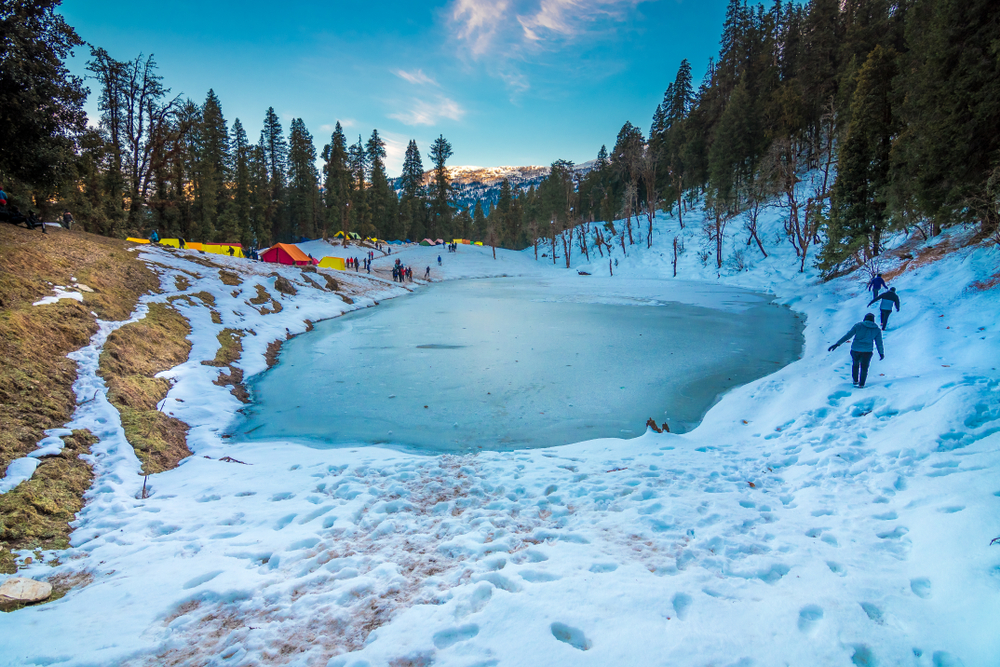
FAQs
What is the nearest hospital to Kedarkantha Trek?
Mori is usually the nearest place for basic medical treatment after reaching the road from Sankri.
What is the ambulance number in Uttarakhand?
The ambulance emergency number is 108.
Is there mobile network on the Kedarkantha Trek?
Network is limited and often disappears on higher parts of the trail.
Does trek insurance cover evacuation?
Some adventure insurance plans may cover evacuation costs. Check your policy before the trek.
Who decides if a trekker should leave the trek?
The trek leader usually makes the final decision based on the trekker’s health and safety. Before you start the trek, spend a few minutes learning about the exit routes, nearby medical help, and emergency numbers.