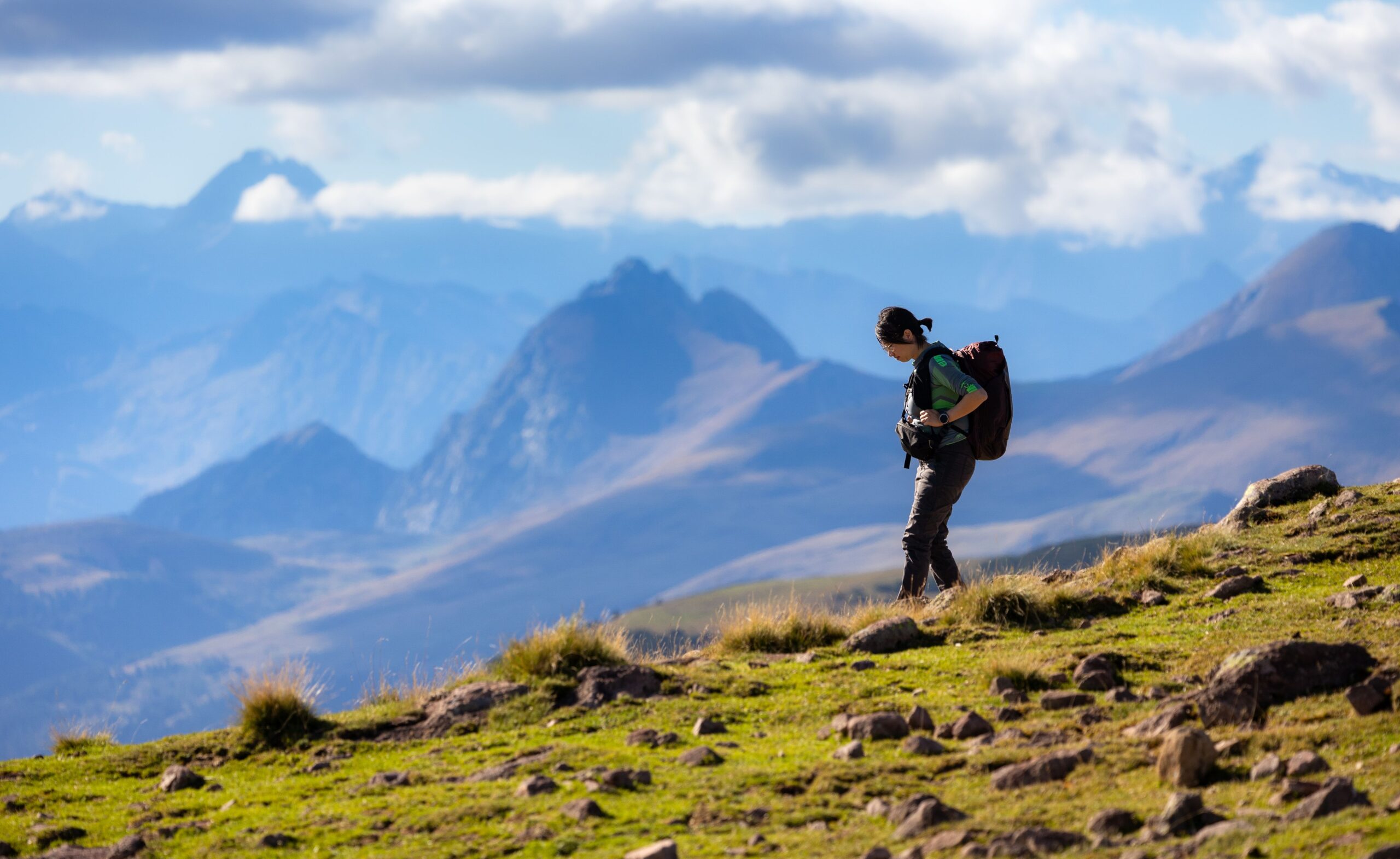
Kedarkantha in September trek is one of the best choices if you want fresh green forests, pleasant weather, fewer crowds, and a peaceful Himalayan experience before the winter rush begins. By mid to late September, the monsoon starts moving away, the trails become more stable, and the famous Kedarkantha route gets a fresh look.
If you are confused between September and the snowy months, think about what you really want. Do you want deep snow and freezing mornings, or do you want comfortable walks, green landscapes, and quiet campsites? Your answer will decide the right time.
Kedarkantha in September Trek: Is It a Good Time?
Yes, September is a good month for the Kedarkantha trek, especially for beginners and travellers who prefer nature over crowds. It marks the beginning of the trekking season after the monsoon break. For first-time trekkers, September is also a comfortable month because the trail conditions are easier compared to winter. The gradual climb and manageable distance make Kedarkantha trek for beginners a popular choice among new Himalayan trekkers.
The first half of September can still have some leftover rain, especially in the lower villages. But by mid and late September, the weather usually becomes more settled. The skies open up, the trails become easier, and the chances of long rainy periods reduce.
Kedarkantha is located inside the Govind Pashu Vihar Wildlife Sanctuary, which makes the September experience even more special. The forest ecosystem feels alive after the rains, with fresh greenery, mountain plants, and beautiful views throughout the route.
Why Choose Kedarkantha in September?
September is a perfect month for trekkers who want a balance between good weather and fewer people. The famous winter season brings snow lovers from across India, but September gives you a quieter trail.
The forests between Sankri and Kedarkantha become deep green after monsoon. You walk through pine forests, open meadows, and wide mountain views. Small streams and waterfalls also look better because they receive fresh water from the rains.
One thing many trekkers love about September is the peaceful feeling. At places like Juda Ka Talab, you can sit near the campsite, enjoy hot tea, and listen to the sounds of the forest without too much crowd around.
Kedarkantha September Trail Conditions Post Monsoon
The Kedarkantha September trail conditions post monsoon are generally good, especially after the first few weeks of September. The trail does not have snow, but some sections can remain wet because of recent rainfall. Near Sankri and the lower forest areas, you may find muddy patches, damp soil, and slippery stones. These sections are usually manageable with proper shoes. As you move higher, the trail becomes more open and the walking conditions improve.
A common mistake is assuming September will be completely dry. The Himalayas do not work like city roads. A short rain shower can still happen, so being prepared is always a smart choice.
Carry these important items:
- Waterproof trekking shoes with good grip
- Rain cover for your backpack
- Lightweight rain jacket
- Extra pair of socks
- Quick-dry clothes
- Trekking poles for support
The wet trail is actually one of the reasons September feels special. The forest smells fresh, the streams are active, and nature feels closer.
Kedarkantha Trek Route and Day-Wise Plan in September
The Kedarkantha route remains almost the same throughout the year, but September conditions can make walking slightly easier because there is no snow slowing your pace. The complete trek distance is around 20 km. Kedarkantha trek total distance helps you prepare your fitness and walking schedule before starting the journey.
A normal trek usually takes around 4 to 5 days from Sankri, depending on the itinerary. Most organised groups follow a planned route that allows enough time for acclimatisation.
What Makes Kedarkantha in September Different From Winter?
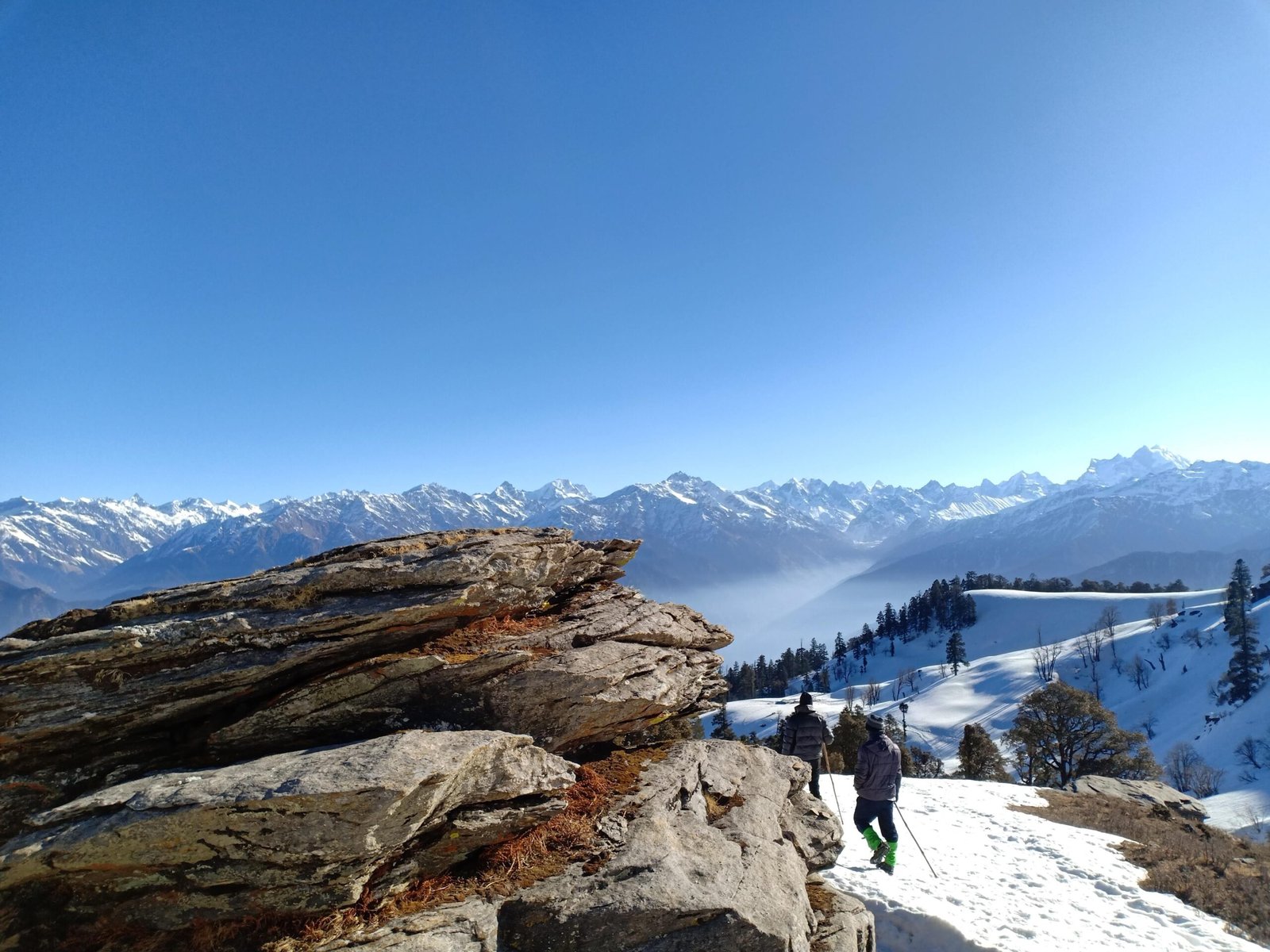
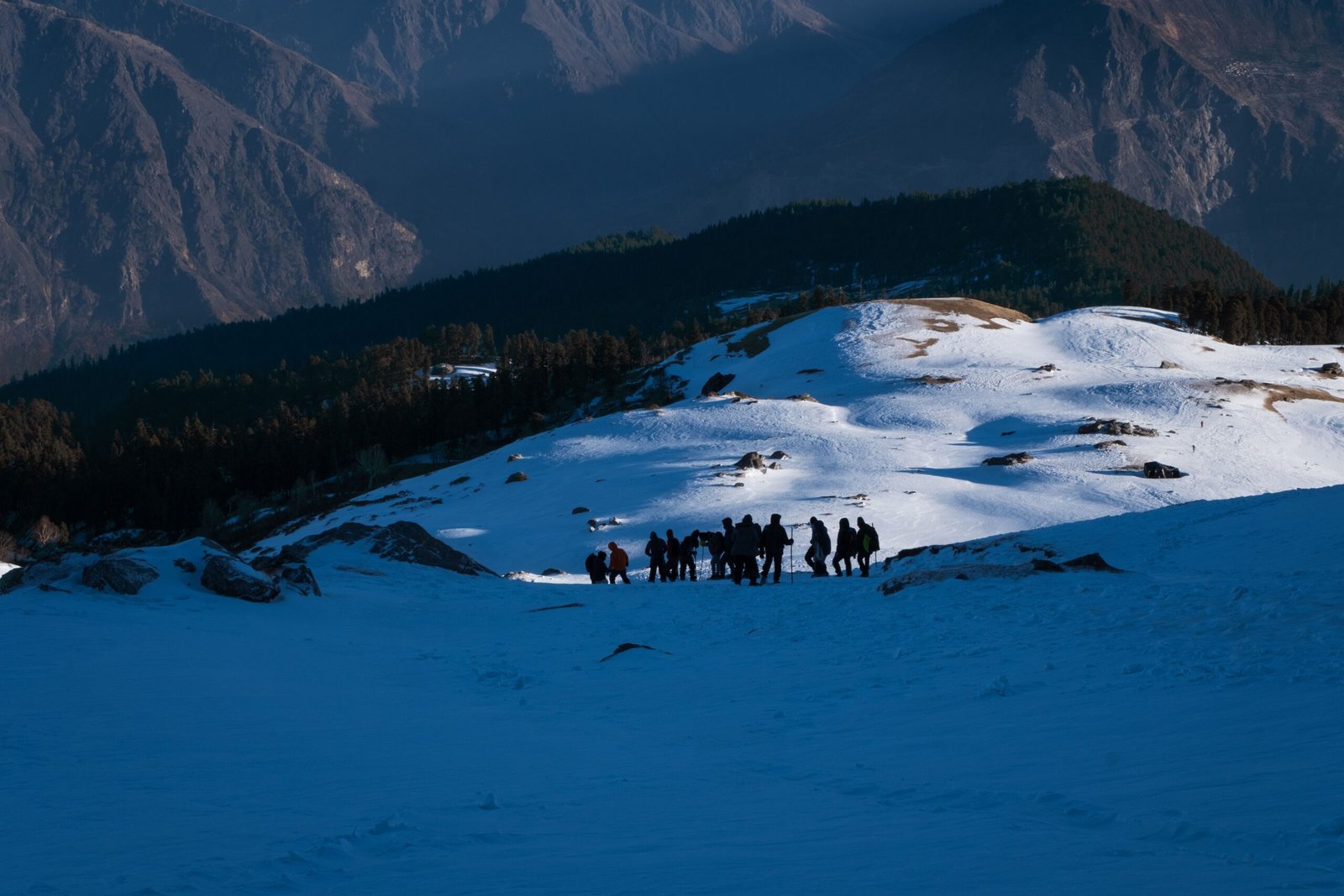
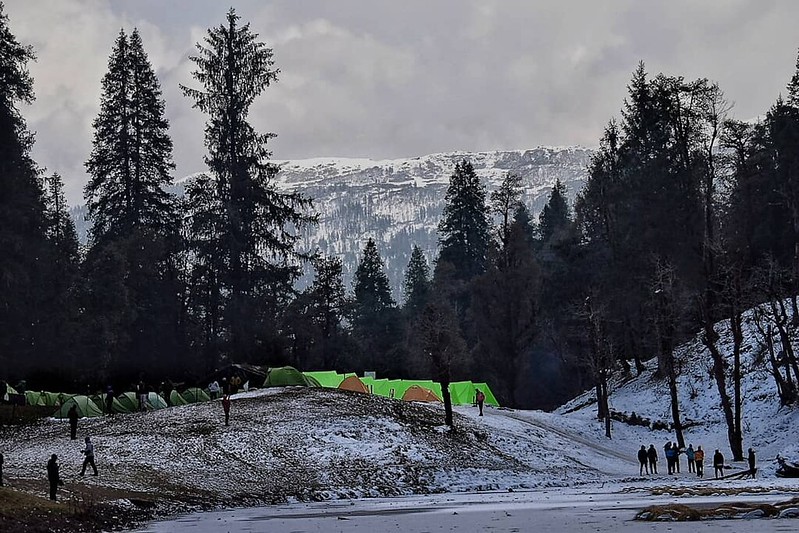
Winter Kedarkantha is famous for snow-covered forests and white landscapes. It feels magical, almost like walking through a postcard. September offers a different story. Instead of snow, you get colours. Green forests, golden grasslands, fresh streams, and mountain flowers create a completely different experience.
You may also notice small wild plants, berries, and flowers along the trail. The meadows look alive after the rains, giving photographers many beautiful frames. For someone visiting the Himalayas for the first time, September can feel more welcoming.
Is Kedarkantha Trek Difficult in September?
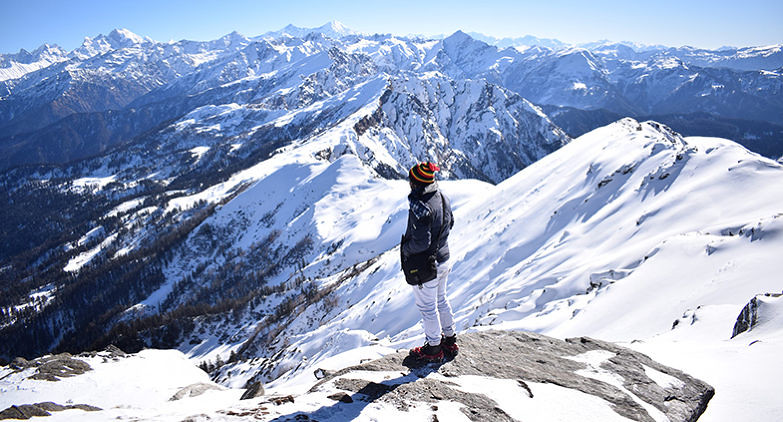
Kedarkantha remains an easy to moderate trek in September. Beginners can complete it with basic fitness and proper preparation. The absence of snow makes walking easier, but the altitude should not be ignored. The summit reaches around 12,500 feet, and the final climb requires steady effort.
The Kedarkantha summit climb is the most demanding section of the trek. You start early, move slowly, and take short breaks while climbing towards the top. Before your trek, try regular walking, stair climbing, or light exercise. A little preparation helps you enjoy the views instead of only focusing on tired legs.
Packing List for Kedarkantha in September
Packing for September is simpler than winter, but you still need warm clothes for higher camps. Do not pack like you are going on a summer trip. Mountain nights can surprise you. A proper Kedarkantha trek packing list helps you carry the right layers without making your backpack too heavy.
Carry:
- Fleece jacket
- Warm thermal layers
- Trek pants
- Waterproof jacket
- Woollen cap and gloves
- Sunglasses
- Sunscreen
- Personal medicines
- Headlamp
- Water bottle
Conclusion
September works well for many types of travellers. It is especially suitable for people who want a peaceful trek without extreme winter conditions. The trek difficulty is manageable, but you should still prepare your body before arriving in Sankri. Knowing the Kedarkantha trek difficulty level helps you understand the effort needed during the climb.
It is a good choice for:
- First-time Himalayan trekkers
- Families with older children
- Photography lovers
- People who prefer fewer crowds
- Travellers who enjoy forests and nature