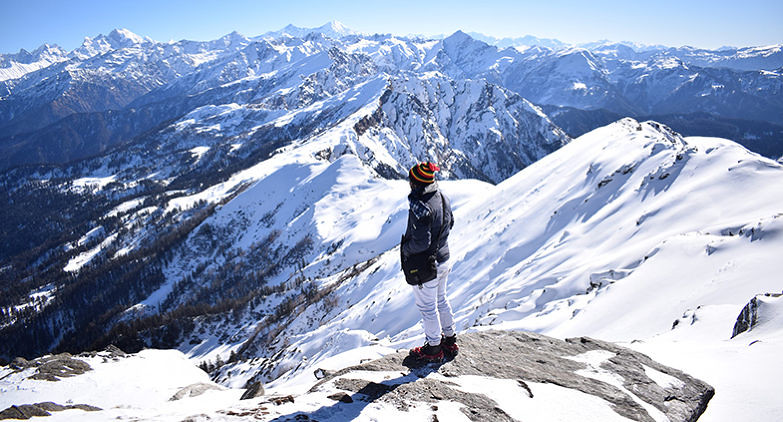
The easiest way to reach Kedarkantha Trek is to travel to Dehradun or Haridwar first. From there, you take a road journey to Sankri Village, the starting point of the trek.
Many people spend hours planning the trek but get confused about the travel route. That is completely normal. Kedarkantha is in a remote part of Uttarakhand, so the journey takes a few steps.
The good news is that thousands of trekkers make this journey every year. Once you know the route, planning becomes simple. Whether you are travelling from Delhi, Mumbai, Bangalore, Hyderabad, Pune, or Kolkata, the route is almost the same.
Home City → Dehradun/Haridwar → Sankri Village → Kedarkantha Trek
Get here: Our full Kedarkantha trek guide
Quick Facts About Reaching Kedarkantha
Detail | Information |
Base Village | Sankri |
Nearest Airport | Jolly Grant Airport, Dehradun |
Nearest Railway Station | Dehradun |
Alternative Railway Hub | Haridwar |
Distance from Dehradun to Sankri | About 200 km |
Travel Time | 8–10 hours |
Trek Region | Govind Pashu Vihar National Park |
Best Departure Time from Dehradun | 6:00–7:00 AM |
Before booking your tickets, remember one thing. Reaching Sankri is often the longest part of the trip.
Read the complete details on: Best trains from Delhi to Dehradun
Where Exactly Is Kedarkantha?
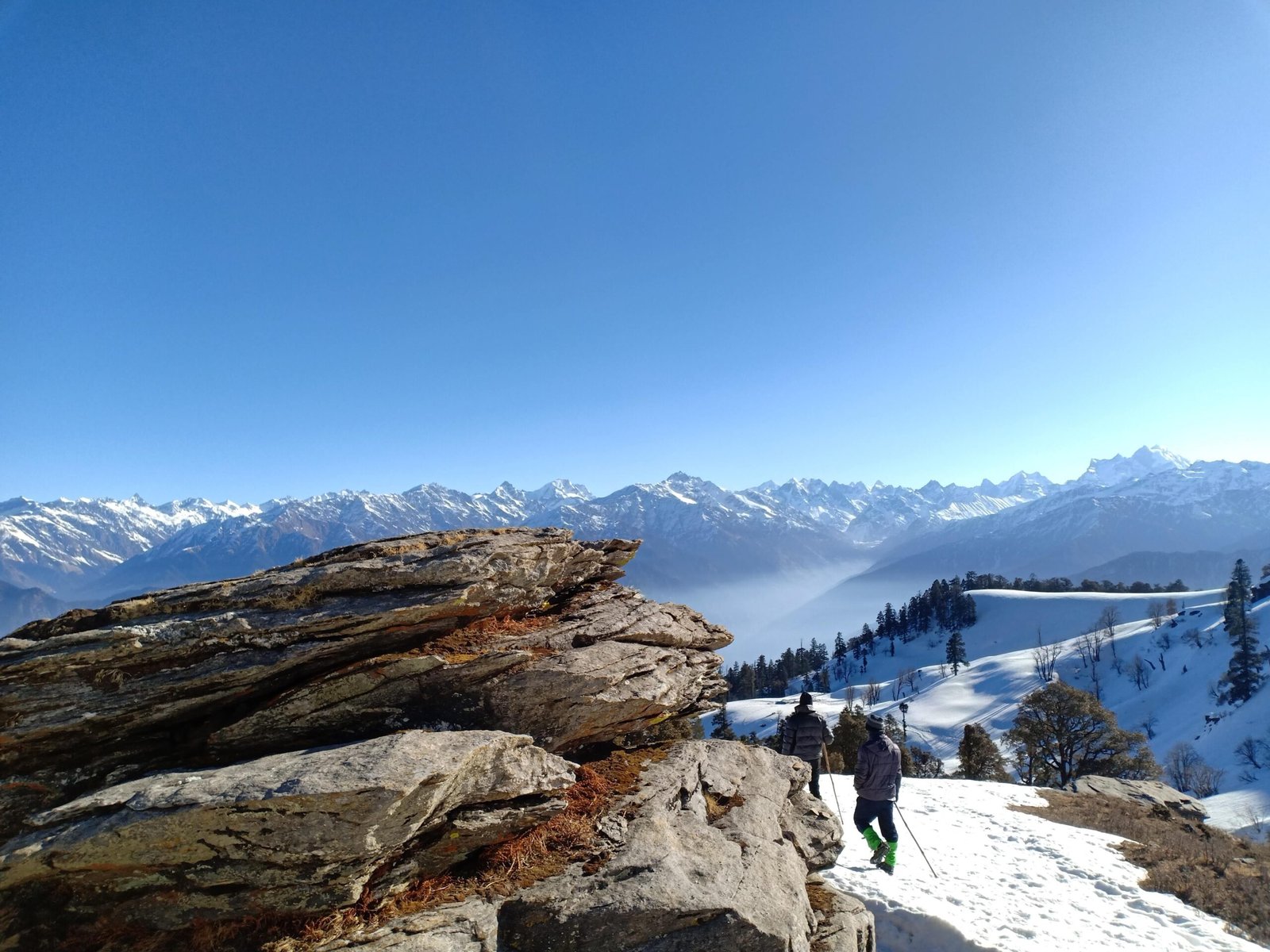
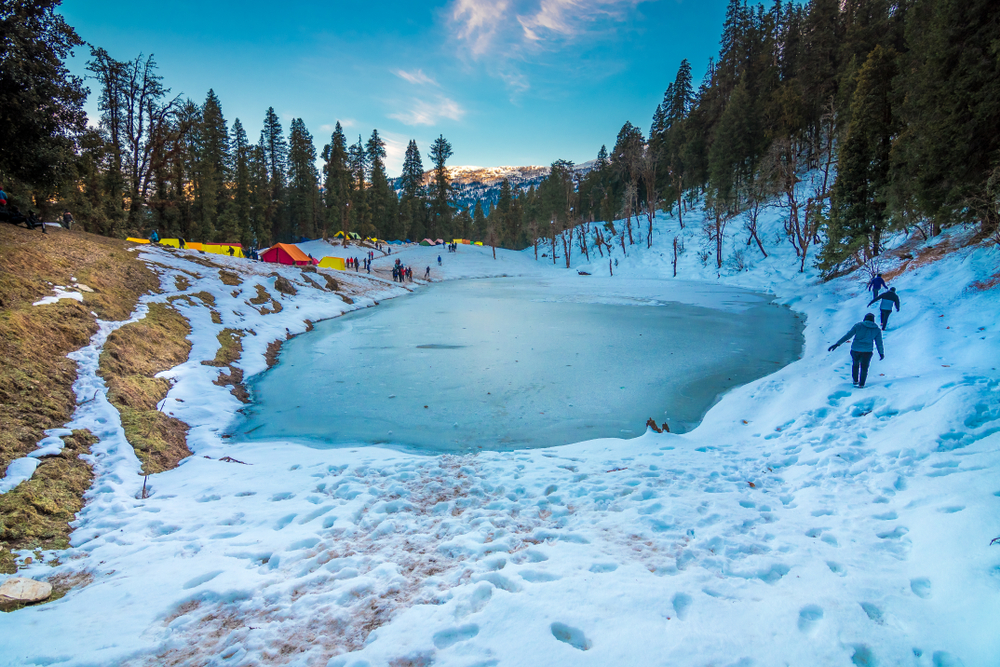
Kedarkantha is in Uttarkashi district of Uttarakhand. It lies inside Govind Pashu Vihar National Park. The trek starts from Sankri Village, a small mountain village surrounded by forests and snowy peaks.
Most trekking groups start from Sankri because it is the easiest route to the summit.
How to Reach Kedarkantha Trek from Delhi
Delhi is the easiest city from which to reach Kedarkantha. You can travel by train, bus, flight, or your own car. Most trekkers choose overnight trains or Volvo buses because they save both time and money. This is one reason why Kedarkantha is among the most popular winter treks in India.
Several trains run between Delhi and Dehradun every day. Train schedules can change, so always check the latest timings before booking. Volvo buses leave from Kashmere Gate ISBT and usually reach Dehradun early in the morning. This option works well if you want to start your journey after work.
Flights are also available through IndiGo and Air India. The flight is short, but airport transfers can add extra time. If you are travelling with friends, driving your own car can also be a good option.
Also read here: Buffer day after the trek
How to Reach Kedarkantha Trek from Mumbai
Most trekkers from Mumbai choose flights. Train journeys can take more than a day, while flights are much faster. Most routes connect through Delhi before reaching Dehradun.
A common route looks like this:
Mumbai → Delhi → Dehradun → Sankri
Although flights cost more, they reduce travel fatigue. This matters when you still have a long drive ahead before starting your Kedarkantha winter trek.
How to Reach Kedarkantha Trek from Bangalore
Bangalore is one of the farthest major cities from Kedarkantha.7 Most trekkers choose flights because train travel can take two days or even longer. Flights usually connect through Delhi before reaching Dehradun.
Many trekkers suggest reaching Dehradun one day early. This gives you time to rest and also helps if your flight gets delayed. The journey is long, but the mountain views make it worth the effort.
How to Reach Kedarkantha Trek from Hyderabad
The route from Hyderabad is very similar to Bangalore. Flights are the fastest option and usually connect through Delhi. Booking early can help you save money, especially during the winter season.
Read here about: Kedarkantha trek in December & Kedarkantha trek in January.
How to Reach Kedarkantha Trek from Pune
Travellers from Pune usually connect through Mumbai or Delhi. Flights are the fastest and most comfortable option. Some trekkers also choose trains if they want to save money. Many trekking groups coordinate their arrivals in Dehradun so they can share transport to Sankri.
How to Reach Kedarkantha Trek from Kolkata
Kolkata has good flight and train connections to Uttarakhand. Many people choose flights because they save time. Trains are often cheaper but take much longer. If you are carrying extra luggage or trekking gear, flying is usually the easier choice.
Haridwar vs Dehradun: Which Is Better?
Many trekkers automatically choose Dehradun. But Haridwar can also be a good option. Haridwar has more train connections and is easier to reach by rail from many parts of India.
Choose Dehradun if:
- You are flying.
- Your trek operator offers pickups there.
- You want more hotel choices.
Also checkout the best: Hotels in Dehradun for trekkers
Choose Haridwar if:
- You are arriving by train.
- You find better train availability.
- You want to save an extra transfer.
Both routes eventually lead to Sankri.
Dehradun to Sankri: The Journey Every Trekker Must Take
No matter where you start, everyone reaches this stage. The drive from Dehradun to Sankri independently is about 200 km and usually takes 8–10 hours.
The route passes through:
- Dehradun
- Mussoorie region
- Purola
- Mori, the midway stop
- Naitwar
- Sankri
This drive is beautiful. Rivers flow beside the road trip to Kedarkantha offers long stretches. Forests slowly replace busy towns. Small mountain villages appear along the way.
Many trekkers say the journey truly begins when they enter the Tons Valley. You also pass near Katagaon Village, a hidden gem connected to the Kedarkantha region.
Also read: Kedarkantha trek from Dehradun
Where to Find Transport for Sankri
Many independent travellers worry about transport. Common pickup points include:
- Dehradun ISBT
- Areas near Dehradun Railway Station
- Trek operator Dehradun pickup points
Most trekking companies arrange shared vehicles from Dehradun. If you are travelling on your own, leave early in the morning. Reaching Sankri before sunset is always a better option.
Permit Information for Kedarkantha
Kedarkantha lies inside a protected forest area. Because of this, trekkers need permits. If you book through a trekking company, permits are usually included in the Kedarkantha trek package. If you are trekking independently, check the latest permit rules before your trip. Many first-time trekkers forget this step and face delays after reaching Sankri.
Approximate Travel Costs
Travel costs change based on the season and how early you book.
Travel Segment | Approximate Cost |
Delhi to Dehradun Train | ₹400–₹2,000 |
Delhi to Dehradun Volvo | ₹700–₹2,000 |
Delhi to Dehradun Flight | ₹2,500–₹8,000 |
Mumbai to Dehradun Flight | ₹5,000–₹12,000 |
Bangalore to Dehradun Flight | ₹6,000–₹14,000 |
Shared Transport to Sankri | ₹1,200–₹2,000 |
Private Cab to Sankri | ₹6,000–₹10,000+ |
Common Travel Mistakes to Avoid
Most travel problems happen before the trek starts.
Avoid these mistakes:
- Reaching Dehradun late in the evening.
- Booking return tickets too close together.
- Ignoring winter weather delays.
- Leaving for Sankri too late in the day.
- Assuming mobile networks work everywhere.
- Forgetting permits.
One extra day in your schedule can save your whole trip. If this is your first trek, it is also worth reading about the Kedarkantha trek difficulty before you travel.