The start the Kedarkantha trek day one logistics are straightforward when you know the sequence. Reach Sankri the evening before your trek, complete the necessary formalities, organise your gear, get a good night’s sleep, and begin walking after breakfast with your trek leader the next morning.
If you’re planning your Kedarkantha Trek, understanding these logistics will help you enjoy a smooth start.
Many first-time trekkers think Day 1 of Kedarkantha trek begins when they step onto the trail. In reality, it starts the moment they arrive in Sankri. A little planning on the previous evening makes the first trekking day feel relaxed instead of rushed.
We have often seen trekkers arrive at Sankri tired after the long drive from Dehradun, only to realise that spending a few extra minutes preparing the night before makes the next morning much smoother.
Why Reaching Sankri a Day Early Makes a Big Difference
Most trekkers travel from Dehradun to Sankri, a journey of around 190 to 200 kilometres that usually takes 8 to 10 hours, depending on road conditions and traffic.
Read this complete guide on: How to Reach Kedarkantha Trek
The drive itself is long enough to leave you tired. Starting a mountain trek immediately afterwards increases fatigue and takes away the excitement of the experience. Reaching Sankri a day early gives you time to rest, settle into the mountain weather and begin the trek with fresh legs.
Choosing the right place to stay in Sankri also makes your first trekking morning much more comfortable.
Complete the Important Formalities First
Before the trek begins, your trek operator usually completes the registration required for the Govind Pashu Vihar National Park area. This process is simple, but you should keep your government-issued photo ID handy instead of packing it deep inside your backpack.
You can also learn more about the protected Govind Pashu Vihar Wildlife Sanctuary that you’ll be trekking through.
Carry one of these documents:
- Aadhaar Card
- Driving Licence
- Passport (for foreign nationals)
- Any other valid government photo ID accepted by your trek operator
Once these formalities are complete, you can focus entirely on enjoying the trek.
Don’t Forget Cash Before You Reach the Trail
One of the most common mistakes first-time trekkers make is assuming that digital payments work everywhere. Although some shops in Sankri accept online payments, network connectivity can be unreliable. It is always safer to carry enough cash for snacks, small purchases and emergencies.
The last dependable ATM is usually at Purola, so withdraw money before continuing towards Sankri if needed. You may not use the cash, but you’ll be glad you carried it if the network stops working.
Pack Your Backpack the Night Before
The evening before the trek is much calmer than the next morning. Use that time wisely. Instead of waking up early to search for gloves or medicines, organise everything before going to bed.
This simple habit saves time and helps you leave your hotel without unnecessary stress. Following a proper Kedarkantha Trek Packing List ensures you don’t miss any essential gear.
A quick evening checklist helps:
- Charge your phone and power bank.
- Fill your water bottles.
- Keep tomorrow’s trekking clothes ready.
- Pack your daypack completely.
- Sleep early because the trek starts soon after breakfast.
What Happens on the Morning of Day 1?
Most trekking groups begin their day between 6:00 AM and 8:00 AM, depending on the season. After breakfast, your trek leader gathers everyone for a short briefing. This includes the day’s route, expected weather, safety instructions and a final gear inspection.
If your backpack feels uncomfortable or your trekking poles need adjustment, this is the best time to sort everything out. Nobody enjoys stopping every fifteen minutes just to fix loose straps.
A Typical Day 1 Schedule
Although timings vary slightly, most groups follow a similar routine.
Time | Activity |
6:00–7:00 AM | Wake up and freshen up |
7:00–8:00 AM | Breakfast and final packing |
8:00–8:30 AM | Registration check, briefing and gear inspection |
Around 8:30–9:00 AM | Start trekking from Sankri |
Afternoon | Reach Juda Ka Talab campsite |
The pace is relaxed because Day 1 is designed to help your body adjust gradually.
Leave Extra Luggage Behind
If you’re returning to the same guesthouse after the trek, most hotels and homestays in Sankri will safely store luggage that you don’t need on the mountain. This is especially useful if you’ve travelled from another city with extra clothes or souvenirs.
Carry only your trekking essentials. A lighter backpack makes the first day’s climb much more enjoyable. If you’re joining an organised trek, your duffel bag is usually carried separately by support staff or porters while you carry only your daypack.
Mobile Network Becomes Limited Quickly
Many trekkers worry about charging their phones, but the bigger issue is network coverage. Most mobile networks become weak around Sankri and are generally unavailable once you’re on the trekking trail.
Let your family know in advance that you may not be able to call or reply to messages until you return. Many trekkers actually enjoy this natural digital detox on the Kedarkantha Trek after spending months connected to screens.
The Walk from Sankri Starts Gently
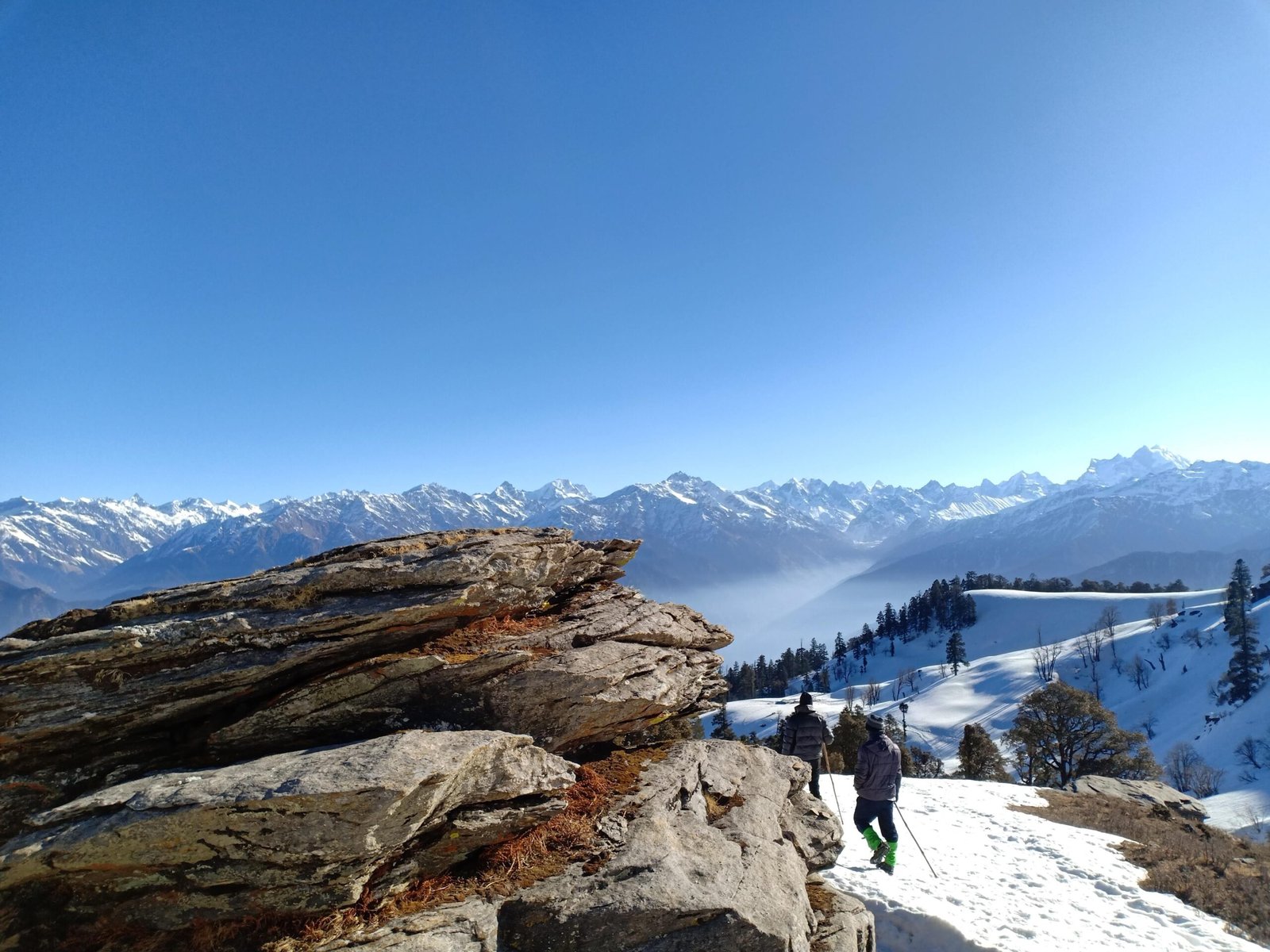
One reason Kedarkantha is considered beginner friendly is that the first day’s trail allows you to settle into a comfortable rhythm. The path leaves Sankri and enters beautiful pine and oak forests before reaching Juda Ka Talab.
Wooden bridges, small streams and birdsong replace traffic noise within minutes. The climb is gradual, giving your body time to warm up naturally rather than forcing you into a steep ascent. Many trekkers are surprised by how peaceful the first few kilometres feel.
Walk at Your Own Pace
Every trekking group has someone who rushes ahead during the first hour. By afternoon, that same person is often asking for extra breaks. A steady pace almost always works better than trying to impress others. Trekking is about endurance, not speed. Save your energy for the summit instead of spending it all on the first day.
Reaching Juda Ka Talab Feels Like a Reward
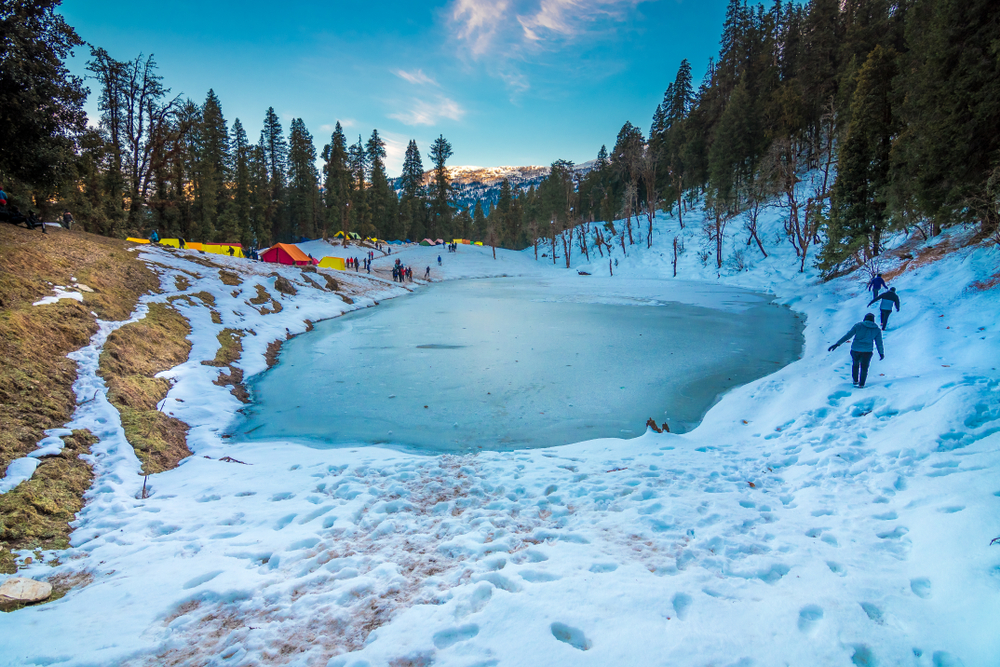
Most Day 1 itineraries end at Juda Ka Talab, one of the most scenic campsites on the trek. In winter, the lake often freezes while the surrounding pine forest turns white after fresh snowfall. Once you arrive, you’ll enjoy hot tea, settle into your tents and finally realise that the city feels very far away. This is also when many first-time trekkers stop worrying about whether they can complete the trek. The mountains have a quiet way of replacing anxiety with excitement.
Small Things That Make a Big Difference
These practical habits improve your first trekking day far more than expensive gear.
- Wear trekking shoes suitable for Kedarkantha that you’ve already broken in.
- Drink 2 to 3 litres of water throughout the day.
- Keep snacks where you can reach them easily.
- Dress in layers instead of wearing one thick jacket.
- Tell your trek leader immediately if something feels uncomfortable.
Simple habits often prevent bigger problems later.
FAQs
Can I travel from Dehradun to Sankri and start trekking on the same day?
It is not recommended. The drive takes around 8 to 10 hours, and starting the trek immediately afterwards can leave you exhausted. Arriving in Sankri the previous evening is a much better option.
Do I need any permit before starting the trek?
Yes. Your trek operator usually completes the required registration for the Govind Pashu Vihar National Park area. Keep your government-issued photo ID ready for verification.
Is there mobile network on the trek?
Mobile connectivity is available in parts of Sankri but becomes very limited once you leave the village. Inform your family before the trek begins.
Should I carry all my luggage during the trek?
No. If you’re on an organised trek, only carry your daypack. Your duffel bag is usually transported separately. If you’re staying at the same hotel before and after the trek, most properties can safely store your extra luggage.