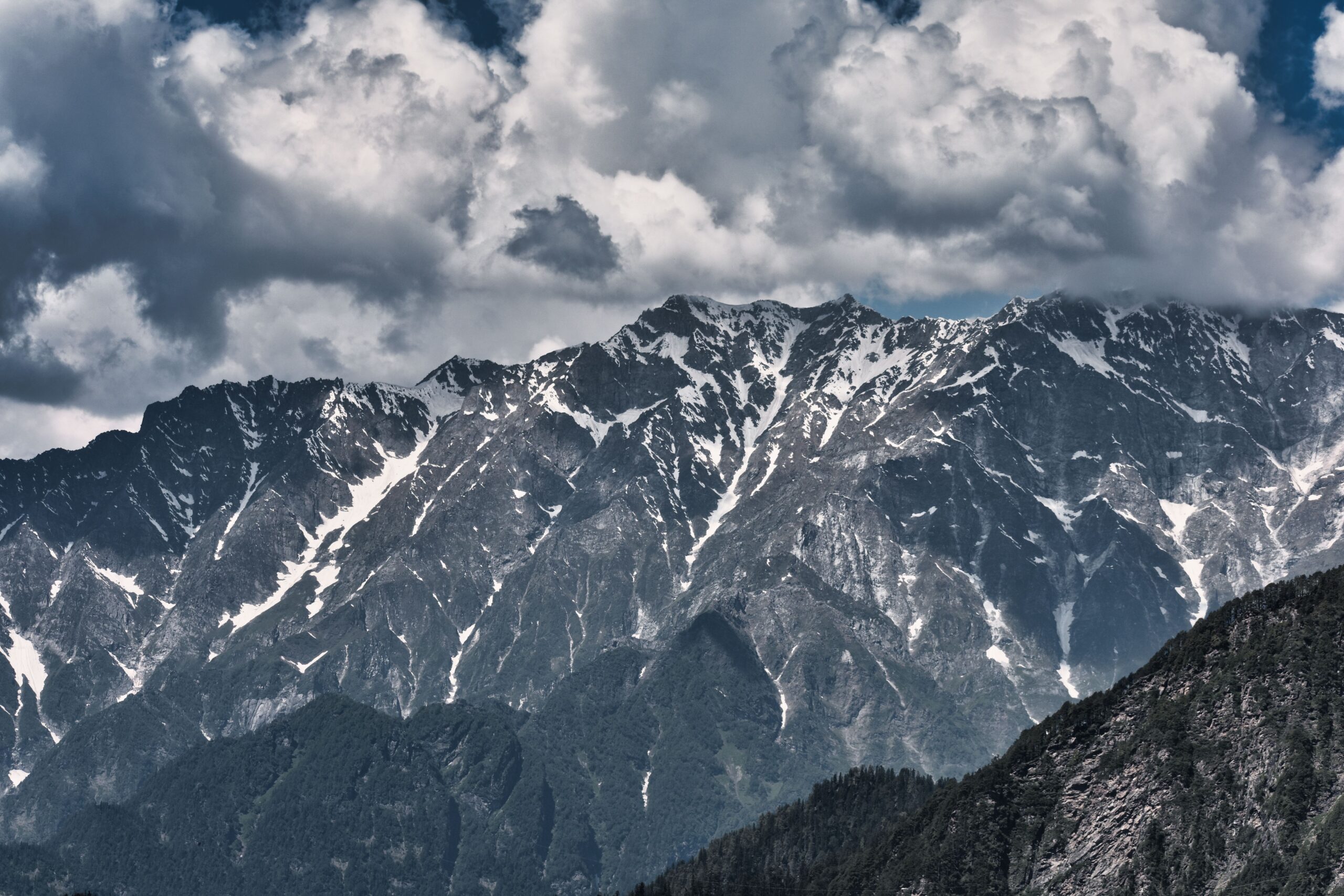
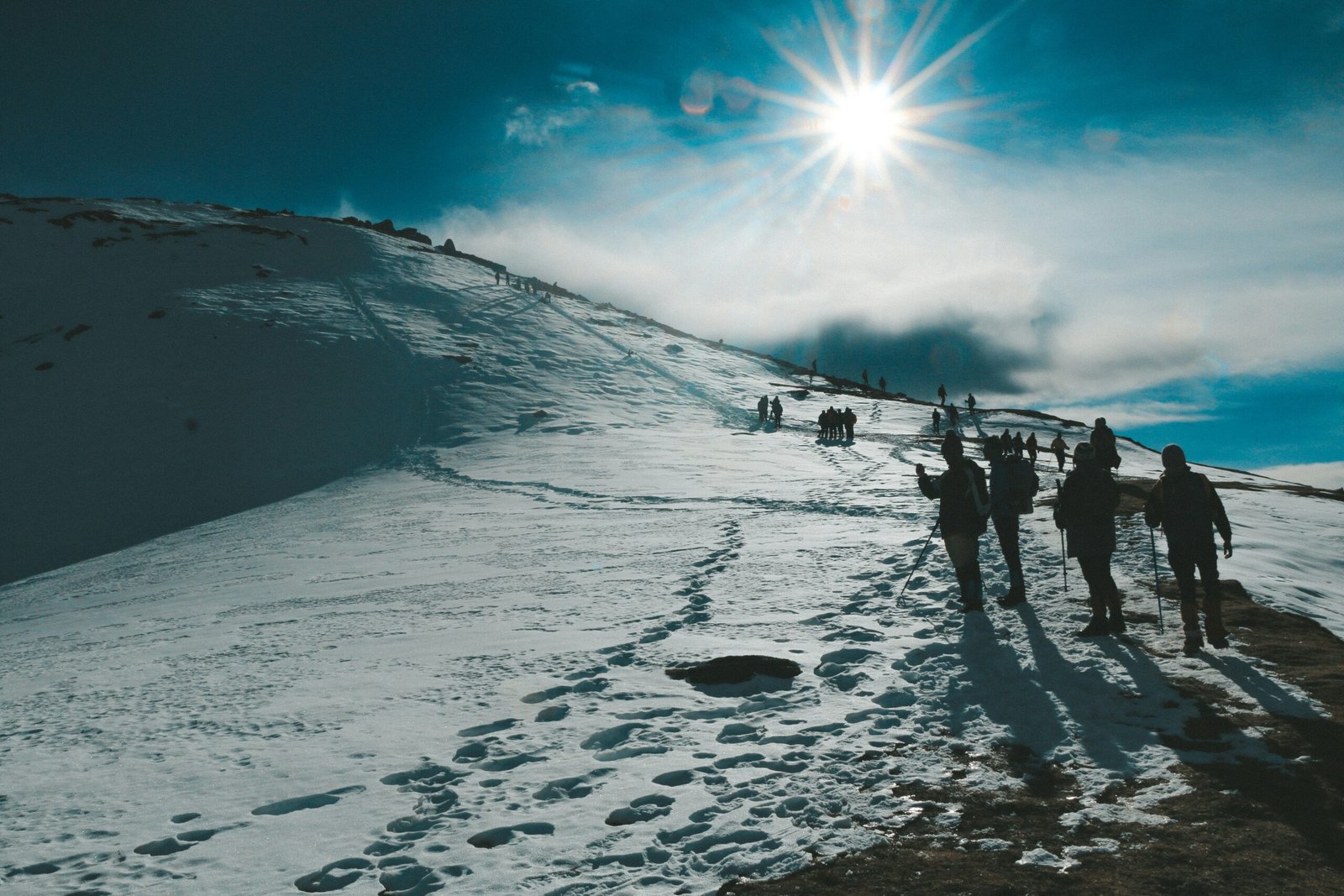
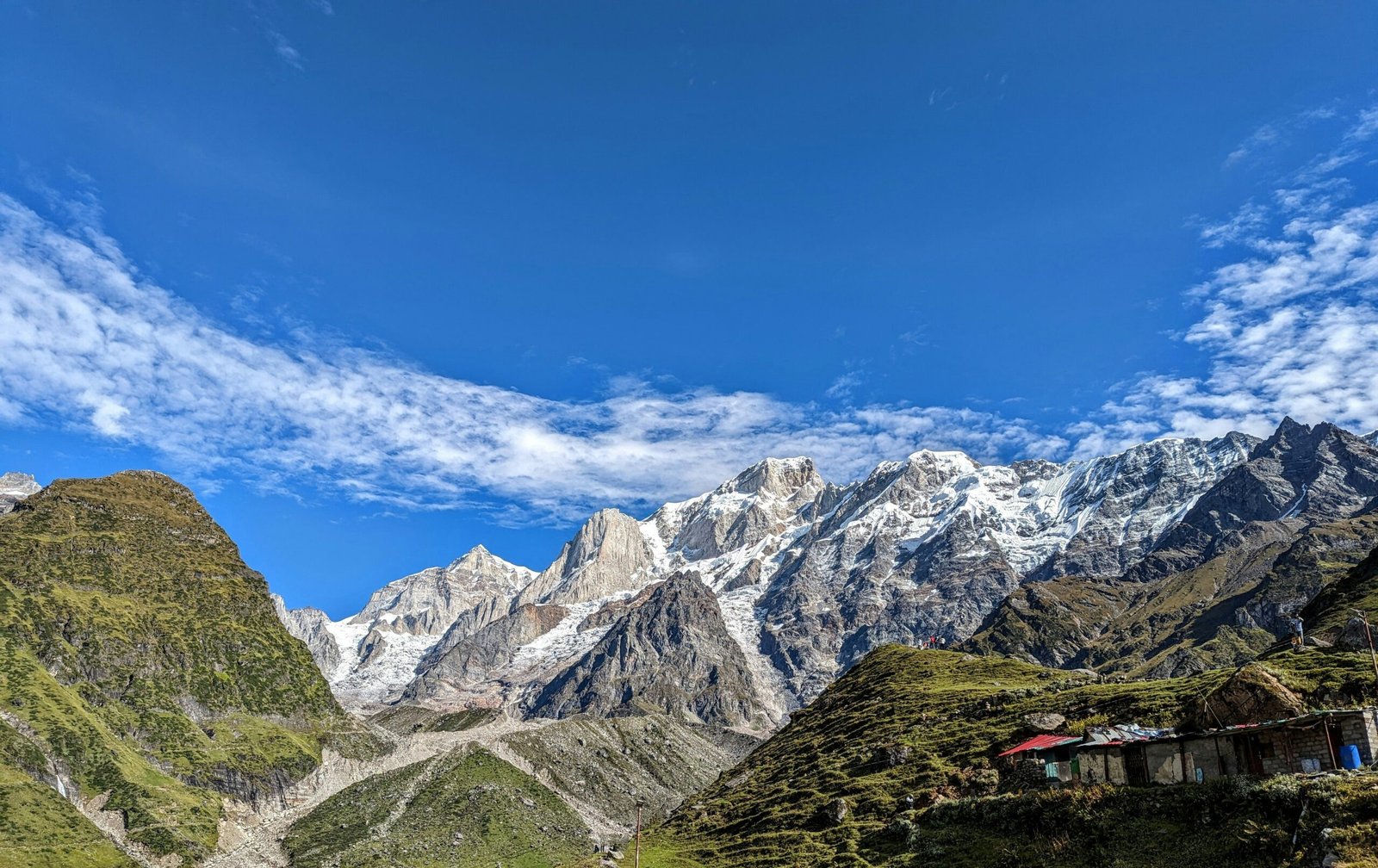
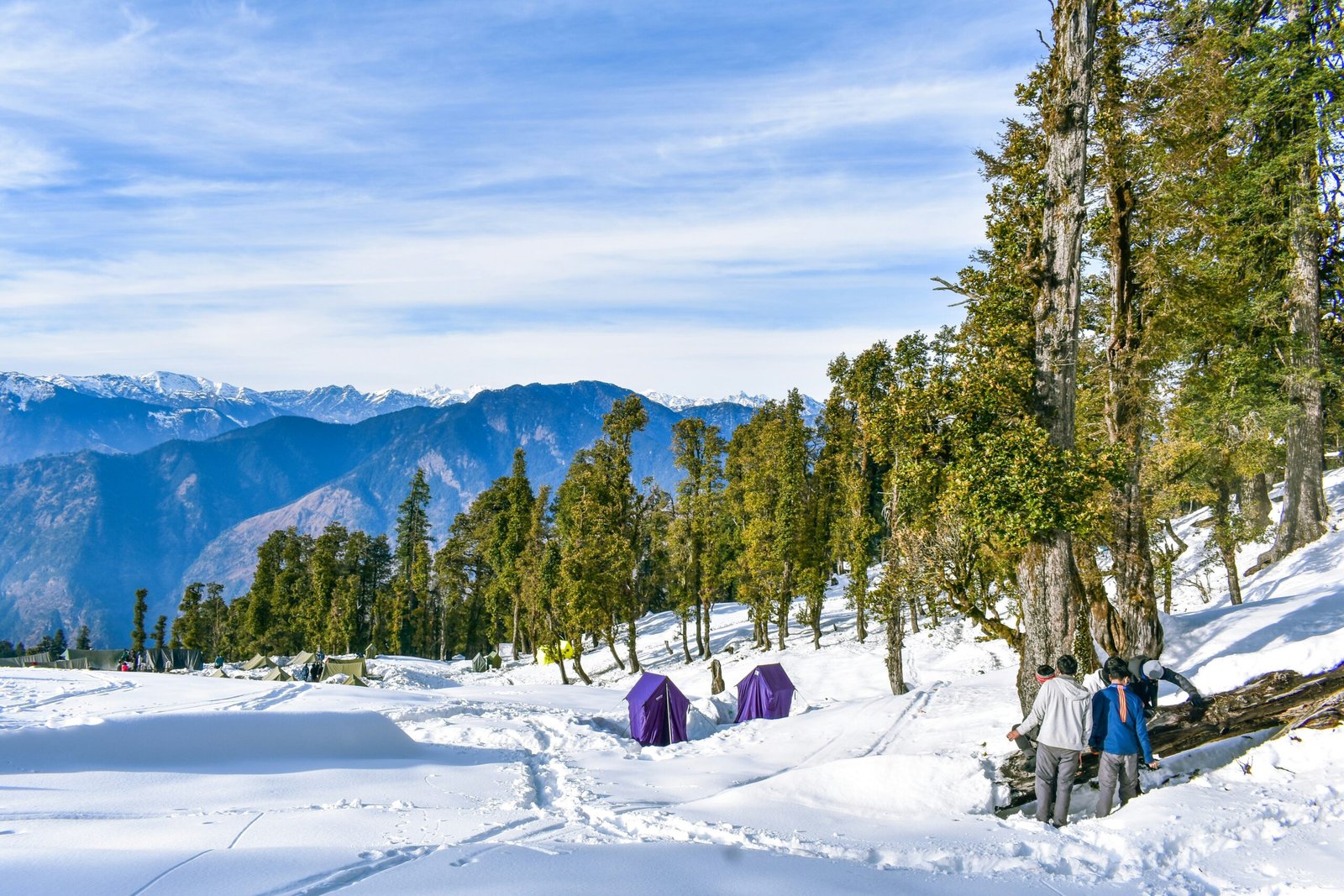
Treks in November in India are ideal if you want clear mountain views, dry trails, autumn colours and a first taste of winter without waiting for the heavy snow season. November is a transition month. In the lower hills, forests turn gold and brown. Higher trails start getting colder, and some may receive early snow. The best part is the sky. After the monsoon, the air is often clear, so distant peaks can look much sharper.
But there is one thing to keep in mind. November is not the same across India. A trek in Uttarakhand can feel like autumn, while a high route in Sikkim or Kashmir may already feel like winter. So instead of picking a trek only because it appears on a “best November treks” list, match the route with the kind of trip you want.
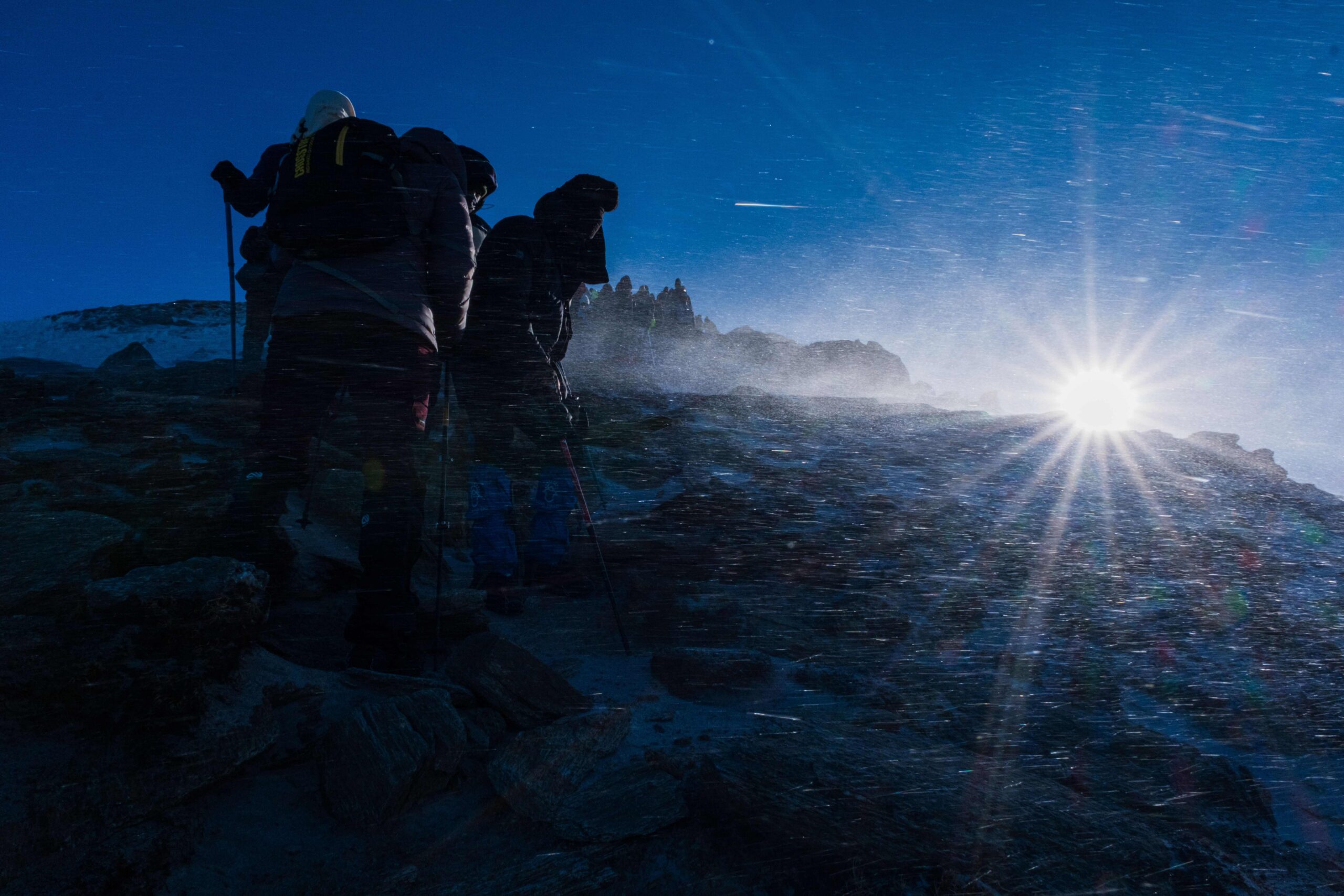
Best Treks in November in India at a Glance
India has good November options across Uttarakhand, Sikkim, West Bengal and Kashmir. The table below gives you a quick way to compare them before reading the details.
Trek | Region | Highest Point | Difficulty | Usual Duration | Best November Feature |
Kedarkantha | Uttarakhand | 12,500 ft | Easy to Moderate | 5 to 6 days | Early winter feel |
Dayara Bugyal | Uttarakhand | Around 11,800 ft | Easy to Moderate | 4 to 6 days | Golden meadows |
Deoriatal Chandrashila | Uttarakhand | 12,083 ft | Easy to Moderate | 4 to 6 days | Clear peak views |
Har Ki Dun | Uttarakhand | Around 11,600 ft | Moderate | 6 to 7 days | Villages and valley views |
Kuari Pass | Uttarakhand | Around 12,500 ft | Moderate | 5 to 6 days | Big Himalayan views |
Sandakphu Phalut | West Bengal | 11,930 ft | Moderate | 6 to 7 days | Everest and Kanchenjunga |
Goechala | Sikkim | Around 15,000 ft | Difficult | 8 to 11 days | Kanchenjunga views |
Naranag Gangabal | Kashmir | Around 11,500 ft | Moderate | 5 to 6 days | Alpine lakes and autumn |
Ali Bedni Bugyal | Uttarakhand | 12,550 ft | Easy to Moderate | Around 6 days | Autumn colours |
The figures can vary by route, operator and exact campsite. Trail conditions also change from year to year, especially in late November. Current local updates matter more than an old trip report.
Why November Is Good for Trekking in India
November gives you a mix that is hard to find in one month. The rain is mostly over, the summer rush has dropped, and deep winter has not yet taken over every high trail. The lower sections of many Himalayan routes can look dry and golden. Higher ridges may have frost or a light dusting of snow. Clear mornings also give photographers a better chance of seeing sharp mountain ranges.
This is why November trekking in India works so well for people who want views rather than only snow. If your main goal is a thick white trail, January or February may suit you better.
1. Kedarkantha Trek, Uttarakhand
Kedarkantha is one of the safest picks for someone who wants a classic Himalayan trek with an early winter feel. The summit stands at about 12,500 feet, and the route passes through pine forests, open meadows and small mountain camps.
If you are new to Himalayan trekking, it helps to understand the route, fitness needs and basic planning before you book. Early November can still feel like autumn. As the month moves on, the cold becomes stronger and the chance of snow at higher sections can increase. That makes the exact travel date important.
If you are a first-time trekker, Kedarkantha is attractive because the route is well known and the summit day gives you a clear goal. Just do not confuse a popular trek with an effortless trek. You still need basic fitness for long walking days and altitude.
2. Dayara Bugyal Trek, Uttarakhand
Dayara Bugyal is a better choice if wide meadows and mountain views matter more to you than snow. The trail climbs through forests before opening into large alpine grasslands.
November changes the look of the route. The fresh green colours of summer fade, and the meadows take on warm autumn shades. Clear skies can also bring sharp views of the surrounding peaks.
It is one of the November routes I would suggest to a beginner who wants a calm mountain experience. It also makes sense to compare it with Kedarkantha if you are choosing between the two. The main difference is the feel of the trail, not just the summit height.
3. Deoriatal Chandrashila Trek, Uttarakhand
Deoriatal Chandrashila gives you a little bit of everything. There is a lake, forest, Tungnath Temple and a high summit with wide Himalayan views. The Chandrashila summit is about 12,083 feet. In November, clear weather can be the main reward. You may get a much wider view of the Himalayan range than you would during a cloudy monsoon month.
If you are stuck between this route and Kedarkantha, the Kedarkantha vs Chandrashila Trek comparison can help you think about the difference in terrain, views and overall experience.
This trek also works well when your group has mixed interests. One person may enjoy the temple and lake, while another waits for the summit view. The route gives both.
4. Sandakphu Phalut Trek, West Bengal
If you want your November trek to feel different from the usual Uttarakhand routes, look at Sandakphu Phalut. The trail follows the Singalila Ridge near the India Nepal border. On a clear day, you can see some of the biggest peaks in the Himalayas, including Everest and Kanchenjunga.
November is especially attractive for mountain views here. The ridge can be cold, but the skies are often clear, and the forests start showing autumn colours. The route reaches about 11,930 feet and is generally considered moderate.
For someone who says, “I have already done Kedarkantha and want something new,” this would be high on my list. Sandakphu and Kedarkantha also make an interesting choice when you are weighing two classic Indian winter routes.
5. Goechala Trek, Sikkim
Goechala is where the difficulty level changes. This is not a trek I would suggest just because you have done one easy Himalayan trek. The route climbs high into Sikkim and is known for views towards Kanchenjunga. November can offer clear skies and strong mountain visibility, which is one reason the month is popular for this route.
The trek can reach around 15,000 feet, depending on the route and viewpoint used. That altitude changes the game. You need better fitness, good acclimatisation and a trek team that knows the route.
If you are looking for your first high-altitude trek, choose something easier first. There is no prize for making your first Himalayan trip harder than it needs to be.
6. Naranag Gangabal Trek, Kashmir
Kashmir deserves a proper place in a list of treks in November in India. Naranag Gangabal is a strong option if you want alpine lakes, pine forests and a quieter trail. The route leads towards the twin lakes of Gangabal and Nundkol, set below Mount Harmukh. November sits near the end of the usual trekking season here, and the route can start feeling like a snow trek as the weather gets colder.
This is the kind of trek I would pick if you have already seen the popular Uttarakhand routes and want a Kashmir experience. But late-season conditions need extra care, so check local access and weather before you leave.
7. Har Ki Dun Trek, Uttarakhand
Har Ki Dun is not about standing on a summit and rushing back down. The valley itself is the star. The trail passes through old villages, forests, streams and open valley sections. You also get views of high peaks around the Swargarohini range. November brings a colder and quieter version of Har Ki Dun. The landscape starts moving from autumn towards winter, and the clear air can make the mountains look very sharp.
Choose this trek if you enjoy walking through mountain communities and valleys. If your only goal is a summit photograph, another route may suit you better.
8. Kuari Pass Trek, Uttarakhand
Kuari Pass is a good choice for trekkers who want big Himalayan views without choosing a route as demanding as Goechala. The trail reaches around 12,500 feet and follows parts of the old Curzon Trail. The main attraction is the mountain panorama, with views towards major peaks of the Garhwal Himalayas.
November can give you crisp skies and dry trail conditions, especially earlier in the month. As winter gets closer, snow and ice can change the route. That is why I would not treat a November Kuari Pass trek as a fixed experience. Ask your trek operator what the trail looks like during your actual departure week.
9. Ali Bedni Bugyal Trek, Uttarakhand
Ali Bedni Bugyal is for people who love open mountain spaces. The route climbs through forests and then opens into large alpine meadows with views of Trishul and Nanda Ghunti. November is special here because the meadows take on autumn shades. The crowds are also usually lower than during the peak summer trekking season.
The trek reaches about 12,550 feet and is generally rated easy to moderate. If you are comparing it with Kedarkantha, think about whether you want wide meadows or a more direct summit-focused trek. If you want a trek where the landscape keeps doing the talking, Ali Bedni Bugyal is hard to ignore.
Early November vs Late November
This choice can change your whole experience. Early November usually gives you more autumn colour and a better chance of dry trails. Late November feels colder and can bring early winter conditions at higher points. Think of November as a sliding scale rather than one fixed season. A trek on 3 November and the same trek on 28 November can look quite different.
Choose early November if you want:
- Autumn colours
- Clear mountain views
- Mostly dry trails
- Milder daytime conditions
- Less focus on snow
Choose late November if you want:
- A stronger winter feel
- Colder campsites
- A chance of early snow on higher routes
- Fewer trekkers on some trails
- A more raw mountain experience
Snow is never something you should treat as guaranteed. If snow is your main reason for choosing Kedarkantha, it is worth checking the latest Kedarkantha snowfall conditions instead of trusting old photographs.
How Cold Is Trekking in November?
There is no single November temperature for the whole of India. Altitude, region, wind and the exact date all matter. On many Himalayan routes, daytime temperatures can feel comfortable in direct sun while nights drop below freezing at higher camps. Some high Sikkim routes can become much colder, especially at high camps later in the month.
That sounds extreme until you remember one simple mountain rule: the sun and shade can feel like two different worlds. So pack for the night, not just the afternoon walk. On a high-altitude route, cold is not the only thing to plan for. You should also understand the signs of altitude sickness on the Kedarkantha Trek before setting out.
What to Pack for November Trekking in India
Your kit should handle both autumn and winter. You do not need to carry too much, but you cannot afford to skip warm layers.
- Thermal base layer
- Fleece or warm mid-layer
- Insulated jacket
- Waterproof outer layer
- Warm gloves and cap
- Good trekking shoes
- Wool or warm trekking socks
- Sunglasses and sunscreen
- Headlamp with spare batteries
- Water bottle
- Personal medicines and basic first aid
For a Kedarkantha trip, a more detailed Kedarkantha Trek Packing List 2026 can help you check your gear without carrying things you will never use.
A sleeping bag suited to the expected temperature is also important on camping routes. If your operator supplies one, ask about its temperature rating instead of simply asking whether a sleeping bag is included.
Which November Trek Is Best for You?
The right trek depends more on your goal than on a ranking list.
For first-time trekkers: Dayara Bugyal or Deoriatal Chandrashila are sensible choices.
For early winter and possible snow: Kedarkantha is a popular pick.
For huge mountain views: Sandakphu or Kuari Pass stand out.
For Kashmir scenery and alpine lakes: Naranag Gangabal is worth considering.
For Kanchenjunga views and a serious challenge: Goechala is the stronger option.
For villages and valley walks: Har Ki Dun offers a very different experience.
For wide open meadows: Ali Bedni Bugyal is hard to beat.
The key is not to pick the trek with the most dramatic photograph. Pick the one that matches your fitness, time, cold tolerance and travel plan. If Kedarkantha is your choice, also check the Kedarkantha Trek Total Distance before you book. Knowing the walking distance helps you judge whether the route fits your current fitness.
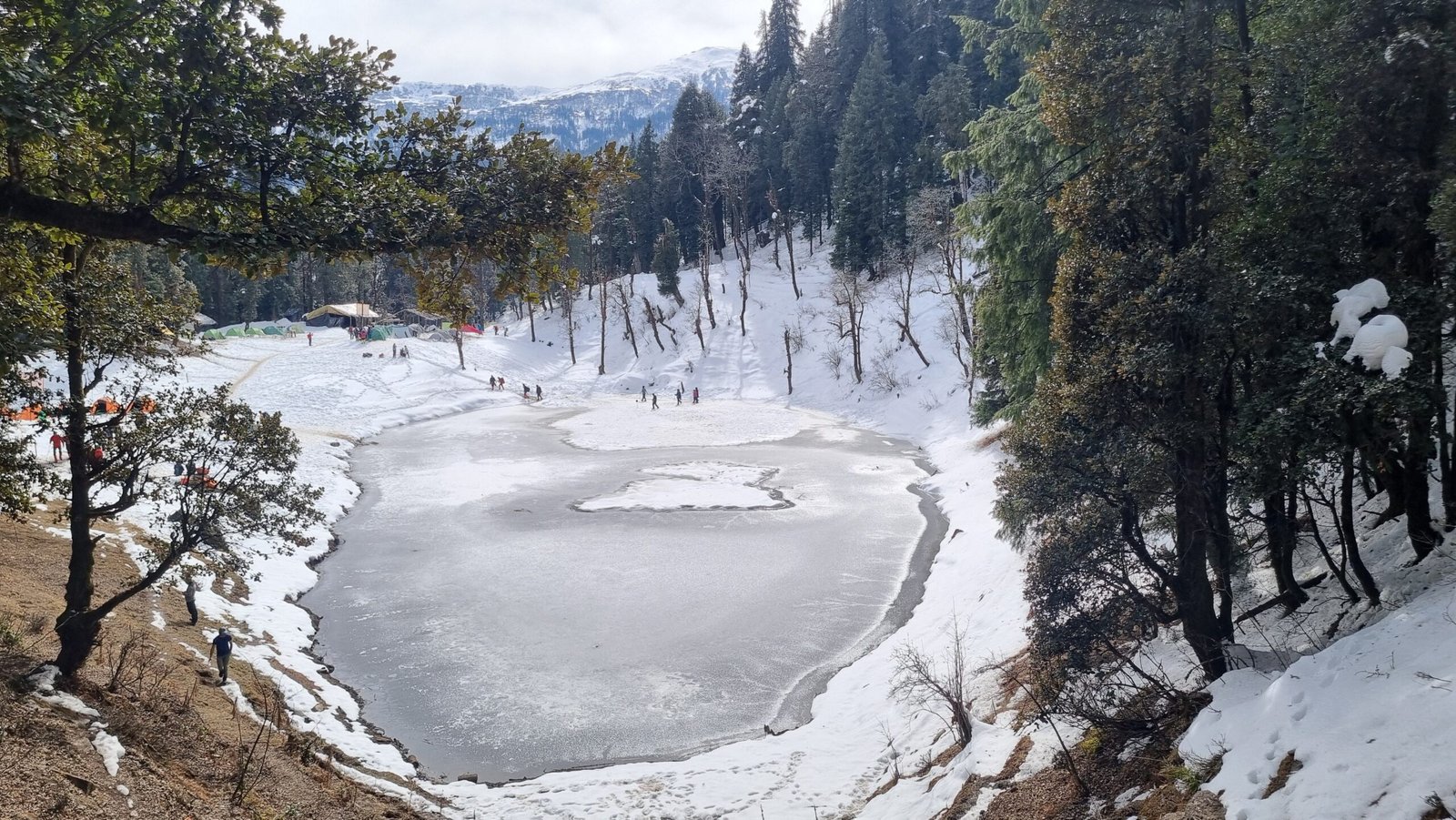
Is November Good for Trekking in India?
Yes, but November is best seen as a pre-winter trekking window, not a guaranteed snow season. The month works because it gives you clear skies, autumn landscapes and a chance to experience the Himalayas before deep winter arrives. At the same time, the season demands more planning than October because higher trails can turn cold very quickly.
Always check the latest trail status, weather and local access before leaving for the base village. If you choose Kedarkantha, checking the best time to visit Kedarkantha Trek can also help you understand how its seasons differ. And if you are stuck between two treks, ask yourself one final question: Do you want to remember the November mountains for their golden forests, their huge blue skies, or the first crunch of winter under your boots?