Uncategorized

Where Is Kedarkantha?

Kedarkantha Trek Layer System: Exact Warm Layers Needed by Season

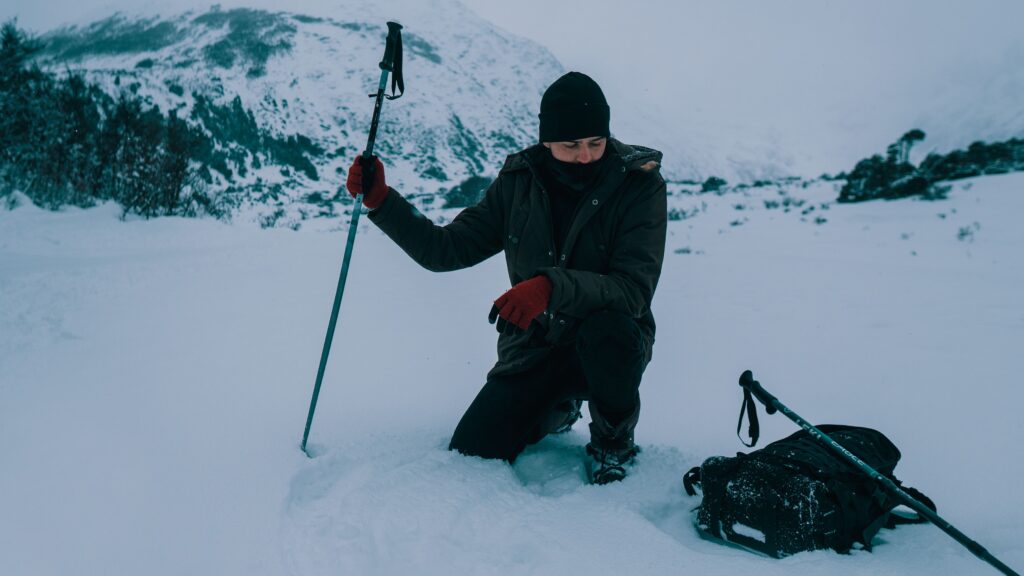
If you are wondering how many warm clothes you need for Kedarkantha, the simple answer is this: carry 5 layers in winter, 4 layers in autumn, 3 layers in spring, and 2 warm layers in summer. Many trekkers worry about packing the wrong clothes. Some carry too much and end up with a heavy backpack. Others bring too little and spend cold nights wishing they had packed better. The right layer system helps you stay warm without carrying extra weight. The good thing is that Kedarkantha Trek does not need expensive mountaineering clothing. You simply need the right layers for the season you are trekking in. Why the Kedarkantha Trek Warm Layers Season Matters Kedarkantha weather changes fast. A sunny morning can feel pleasant. An hour later, cold wind may make you reach for another layer. Many first-time trekkers think one thick jacket will solve everything. It rarely does. Good warmth comes from several layers working together. Each layer has a job. One moves sweat away from your skin. Another traps body heat. The outer layer blocks wind and snow. This is why experienced trekkers use a layer system instead of one bulky jacket. If this is your first Himalayan adventure,  Read the complete guide on: Kedarkantha Trek for Beginners  Kedarkantha Temperature by Season Before choosing your clothes, it helps to know what temperatures you may face. Season Day Temperature Night Temperature December to February -2°C to 4°C -10°C to -15°C March 2°C to 8°C -5°C to -8°C April 5°C to 12°C -2°C to 3°C May to June 10°C to 18°C 3°C to 8°C September to November 5°C to 15°C 0°C to -5°C The colder the temperature, the more layers you need. Simple. If you are still deciding when to visit, check our detailed guide on the: best time to visit Kedarkantha Trek. Understanding the Three Main Layers Every clothing system has three basic parts. Base Layer This sits next to your skin. Its job is to move sweat away from your body. A good base layer keeps you dry. A wet base layer makes you cold. Mid Layer This layer traps body heat. A fleece jacket is the most common mid-layer on Kedarkantha. It keeps you warm while walking and resting. Outer Layer This protects you from wind, snow, and light rain. A waterproof shell or windproof jacket works well for this job. Kedarkantha Winter Layer System: 5 Layers Winter is the most popular season on the trek. This is when you see snow-covered forests and white mountain slopes. It is also the coldest time of the year. Trekkers joining a Winter Trek should pay extra attention to their layering system. For winter departures, we recommend: Thermal base layer Trekking T-shirt Fleece jacket Down or insulated jacket Waterproof shell jacket You may not wear all five layers while climbing. Most trekkers remove one layer while walking uphill. At campsites and during summit morning, all five layers often come into use. Winter temperatures can fall below -10°C at night. That is why a proper layering system matters so much. Spring Layer System: 3 Layers Spring usually means March and April. However, these months are not the same. March still feels close to winter. Snow often remains on the trail. Many trekkers carry an extra warm layer during this month. April feels much warmer. The days are comfortable and the snow starts melting on lower sections. For most spring departures: Base layer or dry-fit T-shirt Fleece jacket Windproof shell Carry an insulated jacket in your backpack for evenings and campsites. Summer Layer System: 2 Warm Layers Many people forget that Kedarkantha is also trekked during May and June. The weather becomes much friendlier during these months. Days are warmer and nights are not as harsh. Most trekkers only need: Moisture-wicking base layer Fleece jacket for mornings and evenings Keep a lightweight shell for unexpected weather. This is the easiest season when it comes to clothing. Autumn Layer System: 4 Layers Autumn offers clear skies and beautiful mountain views. The days feel pleasant, but nights can become cold. As winter approaches, temperatures drop quickly after sunset. A good autumn clothing system includes: Base layer Trekking T-shirt Fleece jacket Insulated jacket A waterproof shell should still stay in your backpack because mountain weather can change suddenly. Don’t Forget Lower Body Layers Many beginners focus only on jackets. That is a mistake. Your legs also need protection from the cold. For winter: Thermal lower Trek pants Fleece lower for campsites For autumn and spring: Thermal lower Trek pants For summer: Trek pants are usually enough Summit mornings often feel much colder than expected. Good lower-body layering makes a big difference, especially during the final climb described in our Summit Day guide. Best Fabrics for Kedarkantha The fabric matters almost as much as the layer itself. Choose: Merino wool Polyester Synthetic trekking fabrics Avoid: Cotton thermals Cotton T-shirts Heavy cotton sweatshirts Cotton holds moisture. Once it gets wet with sweat, it becomes cold and uncomfortable. This is one of the most common mistakes we see on Himalayan treks. How Many Clothes Should You Carry? Many trekkers ask for exact numbers. For a typical 5-6 day trek, which is the standard duration mentioned in most Trek Itineraries, carry: 2 thermal upper sets 2 thermal lower sets 2 trekking T-shirts 1 fleece jacket 1 insulated jacket 4 to 5 pairs of socks 2 pairs of gloves 1 woollen cap 1 buff or neck warmer Read our complete guide on: Trek Packing List. The Two-Glove System That Works Best Cold hands can ruin an otherwise enjoyable trek. A simple two-glove system works well. First, wear fleece liner gloves. These keep your hands warm around camp. Second, carry waterproof outer gloves. These protect against snow, wind, and moisture. Always carry a spare pair if possible. Wet gloves are difficult to dry in winter conditions. Your Sleeping Bag Matters Too Even the best layers cannot replace a good sleeping bag. For peak winter departures, a sleeping bag rated around

Kedarkantha Trek Layer System: Exact Warm Layers Needed by Season Read More »

kedarkantha trek

Day 5 Kedarkantha Trek: Juda Ka Talab to Sankri, Drive to Dehradun & Return Journey Guide

The day 5 Kedarkantha Trek is easy. You walk down from Juda Ka Talab to Sankri and then drive back to Dehradun. The trek part takes around 3 to 4 hours, while the drive usually takes 9 to 10 hours. Important: Some trek operators camp at Hargaon Camp after the summit day. If your Day 5 starts from Hargaon instead of Juda Ka Talab, the walk to Sankri is shorter and usually takes 2 to 3 hours. Quick Facts: Day 5 Juda Ka Talab Sankri Starting Point: Juda Ka Talab (around 9,100 ft) Alternate Starting Point: Hargaon Camp Trek Distance: 4 to 5 km Trek Time: 3 to 4 hours Ending Trek Point: Sankri Village Drive Distance: Around 185 km Drive Time: 9 to 10 hours Final Destination: Dehradun (around 1,400 ft) This is the easiest day of the trek. There is no steep climb. There is no summit push. Your main task is to walk safely downhill and prepare for the long drive home. Kedarkantha Trek Day 5 Juda Ka Talab Sankri Trail Most groups start after breakfast. The trail goes through the same forest route that you used while coming up from Sankri earlier in the trek. At first, the downhill feels easy. Your lungs feel relaxed because you are losing height. The air also feels warmer as you get closer to Sankri. Many trekkers think downhill is always easier than uphill. That is only partly true. Your knees and ankles work harder while walking down. If there is snow on the trail, some sections can become slippery. A few simple things help during the descent: Walk at a steady pace. Avoid running downhill. Use trekking poles if you have them. Watch your footing on snowy patches. Take short breaks if your knees feel tired. The forest remains beautiful throughout the walk. The famous pine and oak forests of Kedarkantha stay with you until the final stretch. What Makes the Last Trek Day Special? Day 5 is not about reaching a summit. It is about slowing down and enjoying the last few hours in the mountains. You may notice things that you missed while climbing. A small stream beside the trail. Sunlight coming through the trees. Bird sounds in the forest. When there is no pressure to climb higher, you enjoy the journey in a different way. For many trekkers, this is when the whole trek starts to sink in. The memories of Kedarkantha Summit Day are now behind you. The hard work is done. All that remains is the walk back to Sankri. Reaching Sankri Village Most groups reach Sankri Village by late morning. This small village is the starting point for many famous treks in Uttarakhand. After several days in camps, Sankri feels lively. You will see local homes, small shops, guesthouses, and cafés. Before leaving for Dehradun, many trekkers relax here for a while. Some enjoy hot tea. Others charge their phones, buy snacks, or simply sit and enjoy the mountain views one last time. If you are looking for local souvenirs, you can also explore options for shopping in Sankri. If you have extra time, you can visit the Someshwar Mahadev Temple. The temple is known for its traditional wooden design and gives a glimpse into local culture. Useful Things to Know About Sankri Many trekkers search for these answers before reaching Sankri. ATM Availability There is no reliable ATM in Sankri. It is best to carry enough cash before starting the trek. Most trekkers use the ATM at Purola, which is one of the last major stops before reaching Sankri. Mobile Network Mobile networks are limited in Sankri. BSNL and Jio usually work better than other networks, but signals can still be weak. As you travel towards Dehradun, network coverage improves. Charging Facilities Most guesthouses and homestays in Sankri have electricity. You can usually charge your phone, camera, and power bank before the drive. Food Options You can find simple and filling meals in Sankri. Common food options include: Maggi Paratha Rajma Chawal Tea and coffee Basic North Indian meals Sankri to Dehradun Drive Guide The drive back to Dehradun is long but scenic. Most trekking groups leave Sankri between 11 AM and 12 PM after everyone has reached the village and freshened up. The road follows the same route that you used while coming to Sankri.You pass through Mori, Netwar, Purola, Naugaon, and later move towards Dehradun. The Tons River stays beside the road for many stretches. The views are beautiful, but mountain roads can be slow. During winter, road conditions may change due to snowfall. Sections near Mori and Purola can become slippery after fresh snow. This is one reason why travel times sometimes increase. Most groups stop once or twice for lunch and tea. Small roadside dhabas are common along the route. The food is simple but fresh. You will usually reach Dehradun between 8 PM and 10 PM, though delays can happen because of traffic, weather, or road work. Planning Your Journey After Reaching Dehradun Many trekkers head straight to Delhi after reaching Dehradun. If you plan to travel on the same night, keep a buffer of several hours. Mountain roads are unpredictable, and delays are common. Some trekkers prefer staying one night in Dehradun. This gives the body time to recover after five days in the mountains. It also reduces stress if your train or flight schedule is tight. If you are booking onward transport, avoid choosing options that leave immediately after your expected arrival time. How to Recover After the Trek Even though Day 5 is easy, your body has already completed several days of trekking. If this was your first high-altitude adventure, you may also want to understand the overall trek difficulty and recovery process for future treks. A few simple recovery tips can help: Drink plenty of water. Eat a proper meal after reaching Dehradun. Stretch your legs in the evening. Get a full night’s sleep. Give your knees and ankles some rest. Many

Day 5 Kedarkantha Trek: Juda Ka Talab to Sankri, Drive to Dehradun & Return Journey Guide Read More »

Juda Ka Talab The Frozen Lake That Stops Every Trekker in Their Tracks

Day 4 Kedarkantha Trek: Summit Day & Descent to Juda Ka Talab

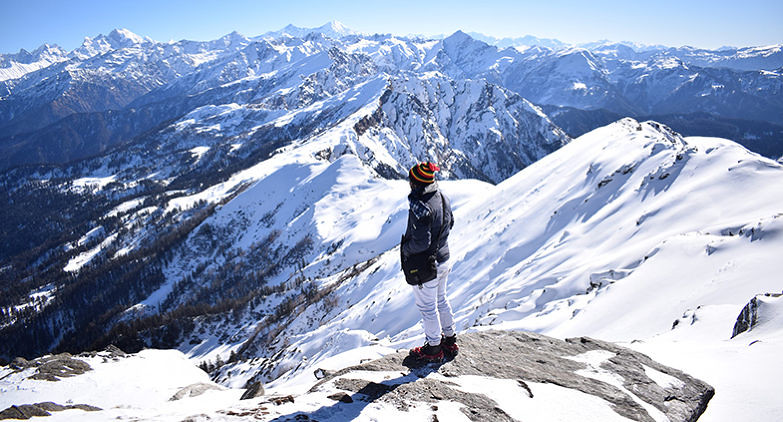
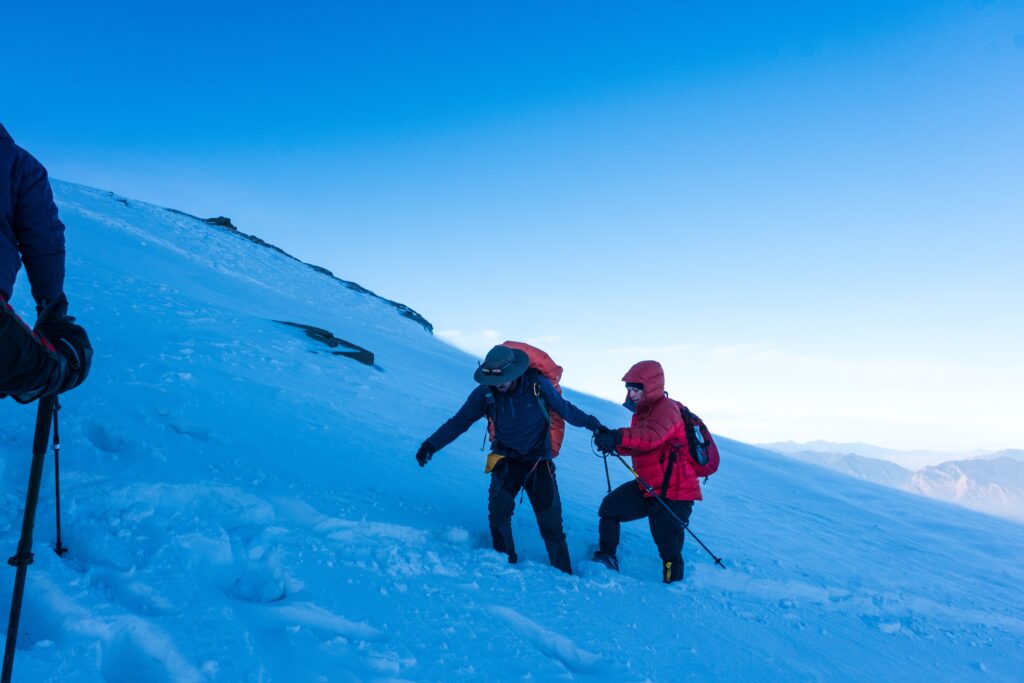
The Kedarkantha trek Day 4 summit day is the biggest highlight of the trek. You wake up before sunrise, climb to the 12,500 ft summit, enjoy stunning Himalayan views, and then descend through snowy trails back to Juda Ka Talab. For many trekkers, this is the day they remember long after the trek ends. It is the hardest day of the trek, but it is also the most rewarding. Quick Facts: Start Time: 3:00 AM to 4:00 AM Summit Altitude: 12,500 ft (3,800 m) Distance to Summit: Around 4 km Total Distance for the Day: Around 8 km Time to Reach Summit: 2 to 4 hours Total Trekking Time: 7 to 9 hours End Point: Juda Ka Talab Camp Difficulty Level: Moderate What Happens on Day 4? Day 4 starts while it is still dark outside. Most trekking groups leave the campsite with headlamps and warm layers. The goal is to reach the summit around sunrise when the mountain views are at their best. The climb feels very different from previous days. The air is colder. The trail is steeper. The excitement is higher too. Every step takes you closer to one of the most famous winter summits in India and the highlight of the entire Kedarkantha Trek. Once you reach the top, you spend some time enjoying the views, taking photographs, and resting. After that, the descent begins towards Juda Ka Talab, where you spend the night. Why We Start Before Sunrise Many first-time trekkers ask the same question. Why wake up at 3 AM when the summit is only a few kilometres away? The answer is simple. Sunrise from Kedarkantha is one of the main reasons people do this trek. Watching the first sunlight touch the snow-covered peaks is an unforgettable experience. The early start also helps trekkers walk on firmer snow. Later in the day, the snow can become softer because of the sun. There is another reason too. Summit day is long. Starting early gives enough time to climb, descend safely, and reach camp before evening. Kedarkantha Trek Day 4 Summit Day Route The route from Kedarkantha Base Camp to the summit can be divided into four sections. Knowing what comes next makes the climb much easier mentally. Base Camp to the Forest Edge The trek starts in darkness. Your headlamp lights up the trail while the stars shine above. On clear nights, the famous night sky creates an unforgettable start to summit day. Most trekkers find this part comfortable. The trail passes through snowy patches and open areas around the campsite. Forest Edge to Open Snow Slopes After some time, the trees become fewer and the mountain opens up. This is where you begin to see wider views of the valley below. As dawn approaches, the sky slowly changes colour. Many trekkers stop for a few moments just to enjoy the scene. The Final Climb This is the steepest section of the day. Depending on snow conditions, some parts can feel quite demanding. The final slope is often the part people talk about most after the trek. During winter, fresh snow can make the climb slower. Small and steady steps work best here. If you feel tired, do not rush. Almost everyone slows down on this section. Reaching the Summit The summit comes into view suddenly. After hours of climbing in the cold, standing at the top feels special. Most trekkers spend 20 to 40 minutes here depending on weather conditions. What You See at the Kedarkantha Summit The summit is much more than just a viewpoint. At the top, you will find a stone platform with a large Trishul standing proudly against the sky. This is one of the most photographed spots on the trek.    If you are interested in the spiritual side of the mountain, you can explore more about the Kedarkantha summit temples. There is also a small shrine linked to local beliefs about Lord Shiva and Lord Ganesha. Every year, local villagers visit the summit as part of traditional worship. On a clear day, you can see several famous Himalayan peaks and valleys.  Read our guide to the: peaks visible from Kedarkantha summit. Some of the major sights include: Swargarohini Peak Bandarpoonch Peak Black Peak Ranglana Peak Gangotri Range Yamunotri Range Har Ki Dun Valley Chaainsheel Pass Kinner Kailash Range The 360-degree view is one of the reasons Kedarkantha is loved by first-time trekkers and is often considered one of the reasons why it is the best first summit trek in India. The Story Behind Kedarkantha Many local people believe that Lord Shiva once chose this mountain as a place for meditation. According to a popular story, Shiva was disturbed while meditating here. He later moved to the place where the famous Kedarnath Temple stands today. Whether you believe the story or not, it adds a special feeling to the summit. The Trishul at the top reminds visitors of this local connection. The Descent Back to Juda Ka Talab After enjoying the summit, it is time to head down. Many trekkers think the hardest part is over. In reality, the descent needs just as much attention. Snow-covered trails can be slippery, especially later in the day. The first section back to base camp is usually the steepest. Trekking poles help a lot here. Many trekkers also choose a trek offloading porter if they prefer not to carry a heavy backpack during steep sections. Once you reach base camp, most groups take a short break and have lunch. After resting, the journey continues towards Juda Ka Talab. The trail passes through beautiful  pine oak forests that look completely different in daylight compared to the early morning climb. Most trekking groups reach Juda Ka Talab by late afternoon. After a long day on the mountain, the calm atmosphere of the campsite feels well earned. What If You Cannot Reach the Summit? Many beginners worry about this before summit day.p The good news is that you are never expected to trek alone.

Day 4 Kedarkantha Trek: Summit Day & Descent to Juda Ka Talab Read More »

Kedarkantha Winter Trek

Day 3 Kedarkantha Trek: Juda Ka Talab to Base Camp

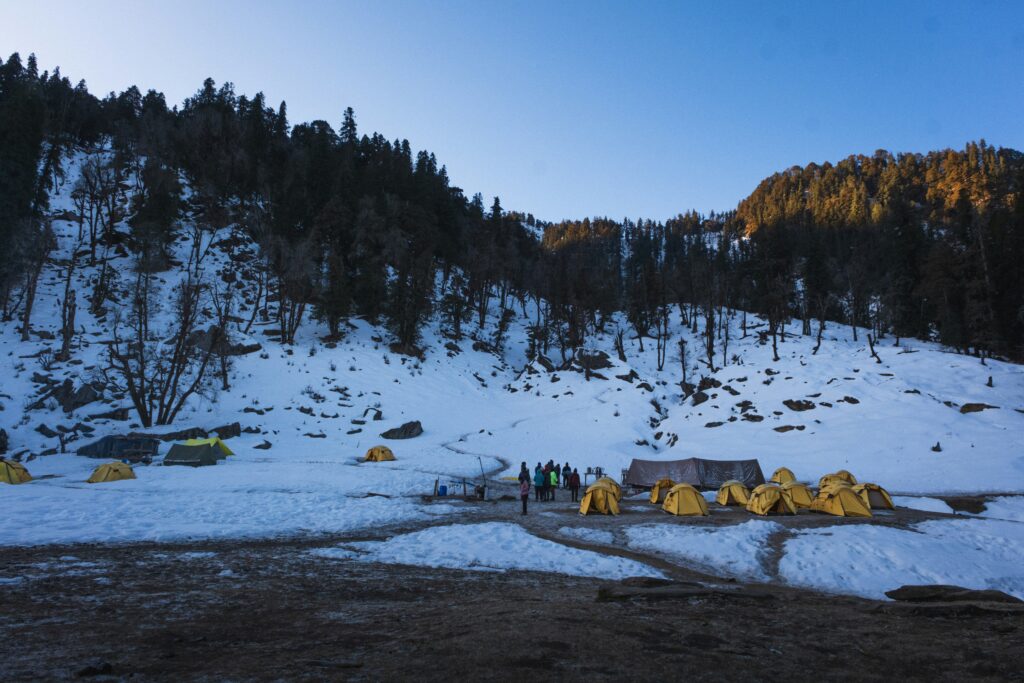
If you are wondering what Day 3 of the Kedarkantha Trek is like, this is the day you trek from Juda Ka Talab to Kedarkantha Base Camp, gain around 2,000 feet in height, and get some of the best mountain views of the entire trek. For many trekkers, this is the most beautiful day before the summit climb. The trail leaves the thick forest behind and slowly opens to wide views of snow-covered peaks. You start the day beside Juda Ka Talab and end it at the foot of Kedarkantha Peak. That change in scenery makes Day 3 special. Most trekking groups leave Juda Ka Talab after breakfast. The climb is not very long, but you will gain height steadily throughout the day. Walking at a slow and steady pace is the best way to enjoy the journey. Kedarkantha Trek Day 3 Juda Ka Talab Base Camp Overview The distance from Juda Ka Talab to Kedarkantha Base Camp is usually between 3 km and 4 km. Some trekking companies mention 3.5 km, while others may list a slightly different distance because campsite locations can vary. The trek normally takes 3 to 5 hours. Snow conditions, fitness level, and weather can affect the time. If you are following a complete Trek itinerary, this is usually the third day of trekking before the summit attempt. Quick Facts Starting Point: Juda Ka Talab Ending Point: Kedarkantha Base Camp Distance: Around 3 to 4 km Starting Altitude: Around 9,100 ft Base Camp Altitude: Around 11,250 ft Trek Time: 3 to 5 hours Difficulty Level: Easy to Moderate The distance may seem short, but the climb is steady. You gain a good amount of altitude in a few hours. What to Expect on the Trail The day starts with a walk through the famous pine and oak forests of Kedarkantha. During winter, snow often covers the entire trail. Early in the morning, the snow can feel hard and crunchy under your boots. After about an hour of trekking, the forest begins to open up. You start getting wider views of the valleys and nearby peaks. This is usually where many trekkers stop for a short break and take photos. As you move higher, you may come across open meadows that local shepherds use during the warmer months. In summer, these meadows are green and full of life. In winter, they often lie under a thick layer of snow. The final section towards base camp is slightly steeper than the earlier part of the trail. It is not difficult, but you may feel the effect of the altitude. Taking small steps and keeping a steady pace helps a lot. Route Landmarks on Day 3 One thing many trekkers want to know is what they will see along the way. The trail is not just a simple uphill walk. Here is what the route usually looks like: Leave Juda Ka Talab after breakfast. Walk through thick pine and oak forests. Reach open clearings and small shepherd meadows. Cross sections where the tree line starts thinning. Get your first big mountain views. Climb the final slope to Kedarkantha Base Camp. The exact route may change slightly depending on snow conditions and campsite location. Why Day 3 Feels Different The first two days focus on getting deeper into the mountains. Day 3 feels different because the mountains finally become the main attraction. At Juda Ka Talab, trees surround you from all sides. At base camp, the landscape feels much bigger and more open. You can see long mountain ranges stretching across the horizon. I still remember reaching the base camp on a clear winter afternoon. The first thing that caught my eye was Swargarohini Peak standing tall in the distance. Everyone in our group stopped talking for a few moments and simply enjoyed the view. Those are the moments people remember long after the trek ends. Views from Kedarkantha Base Camp The base camp offers some of the finest views on the trek. On a clear day, you may see: Swargarohini Peak Bandarpoonch Peak Black Peak Ranglana Peak Several Himalayan ridges and valleys If you want to know more about the surrounding mountain ranges, check out these peaks visible from Kedarkantha Summit. Sunset is often the highlight of the evening. As the sun goes down, the snow-covered peaks turn golden and orange. Many trekkers spend an hour simply watching the colours change. Weather at Kedarkantha Base Camp Weather becomes colder as you climb higher. During the winter season, daytime temperatures at base camp often stay between 2°C and 8°C. At night, temperatures can drop below -5°C. During December and January, temperatures sometimes fall below -10°C. Clouds can build up quickly in the afternoon. Light snowfall is also common during the winter months. This is why most trekking groups try to reach base camp before noon or early afternoon. Read here about: best time to visit Kedarkantha Trek. Day 3 in December vs March The experience can feel very different depending on when you visit. In December and January, the trail is usually covered with fresh snow. Trees, meadows, and campsites all look like a winter postcard. Snow can sometimes reach ankle or knee height. Many trekkers choose the Kedarkantha in December specifically for these snowy landscapes. By March, the weather becomes milder. Snow starts melting on lower sections of the trail. The days feel warmer, and walking becomes easier for beginners. If you want deep snow, choose December or January. If you prefer slightly easier trekking conditions, March can be a better option. Altitude and Safety Tips The climb from Juda Ka Talab to base camp takes you above 11,000 feet. Most trekkers do not face serious problems, but it is still important to watch for altitude-related symptoms. Common signs include: Headache Nausea Dizziness Loss of appetite Unusual tiredness If any symptoms become worse, tell your trek leader immediately. Before your trek, it is worth reading about altitude sickness on Trek. Drink enough water during the day. Avoid

Day 3 Kedarkantha Trek: Juda Ka Talab to Base Camp Read More »

Where Is Kedarkantha?

Kedarkantha trek day 2 sankri juda ka talab: What this day really feels like

The kedarkantha trek day 2 sankri juda ka talab is the first real climb of the trek. You leave Sankri at around 2,000 meters and slowly gain height till Juda Ka Talab at about 2,730 meters. That is nearly 700 meters of ascent in just 4 km, which is why your legs start feeling it even if the distance looks small on paper. This trek is often chosen by beginners who want their first snow experience, and you can read more about the full journey on the main Kedarkantha Trek page. Most people who come here are first-timers, and that is why pacing matters more than fitness alone. This day is not about speed. It is about steady walking, breathing well, and learning the mountain rhythm. If you walk too fast, you tire early. If you walk slow, you enjoy it more. Most trekkers take 3.5 to 5 hours for this stretch depending on snow and pace. The Kedarkantha route is generally rated easy to moderate,  Read here about: Kedarkantha trek difficulty Route of kedarkantha trek day 2 sankri juda ka talab The trail starts right from Sankri village. You pass small homestays, shops, and local people starting their day. Soon, the sound of village life fades behind you. After a short climb, the path moves towards the direction of Saud village. You may see wooden houses, smoke from kitchens, and kids walking on narrow paths. This small human touch makes the start of the trek feel warm. Then the real forest begins. You walk through mixed forests of oak, pine, and rhododendron. In winter, snow covers everything. In summer, the ground feels soft and green. A small stream often runs beside parts of the trail, and you hear water sounds while walking. The climb is not steep in one go. It comes in gentle slopes. But it keeps going, so your legs slowly feel heavy. sankri to juda ka talab 4km 4-5 hours: What affects timing The sankri to juda ka talab 4km 4-5 hours timing is not fixed. It changes based on weather, snow, and group pace. In fresh snow, every step sinks a little. That slows you down. In dry months like April, the trail is faster and easier. Most normal conditions look like this: Fast trekkers: 3 to 3.5 hours Average trekkers: 4 to 5 hours Snow-heavy winter days: 5+ hours The distance is short, but altitude gain makes it feel longer. Altitude gain and why you feel it This is where many beginners get surprised. You climb from around 2,000 meters to 2,730 meters. That is a quick rise in one day. Because of this, some trekkers may feel mild signs of altitude sickness on Kedarkantha trek like: Slight headache if you rush Heavy breathing on uphill sections Less appetite in some cases This is normal for many trekkers. Simple rule helps here. Walk slow, drink water, and do not compete with others. If someone feels very uneasy, stop and rest. Do not ignore the body. Juda Ka Talab story and local belief Juda Ka Talab is not just a lake. You can also explore its full background on Juda Ka Talab. Local people say it is linked to Lord Shiva. The belief is that a strand of hair from Shiva’s jata (bun) once fell here and formed this lake. That is why it is called Juda Ka Talab. In winter, the lake freezes and looks like white glass. In summer, it becomes a quiet green meadow with still water. Even if you do not focus on mythology, the place naturally feels peaceful. You stop talking without trying. What the trail actually feels like The kedarkantha trek day 2 sankri juda ka talab is more mental than physical. At first, you feel fresh and excited. After one hour, your breathing changes. After two hours, your legs start asking for breaks. There is a point where everything becomes silent except footsteps and wind. I still remember one winter walk where fresh snow kept falling from pine branches. Every step made a soft crunch sound. Nobody in our group spoke for almost 20 minutes. It just felt enough to walk and look around. That is what this day does. It slows your mind. Simple safety and AMS awareness Because of quick altitude gain, it helps to know your limits and understand basic body response. Many beginners prepare by checking Kedarkantha trek eligibility before coming, especially if they are unsure about fitness. Keep a few simple points in mind: Do not rush in the first hour Drink small sips of water often Eat light snacks like biscuits or nuts Avoid over layering your clothes Tell your guide if you feel dizzy Mild altitude discomfort is normal. But if headache or vomiting increases, stop and rest. Treks are not races. Turning slow is still progress. Best season changes on this route The same trail feels very different in each season. Many trekkers plan their trip based on best time to visit Kedarkantha trek. December to February Heavy snow Slower walking Juda Ka Talab fully frozen Very cold mornings (can go below -10°C) March Snow starts melting Slush in some sections Easier walking April Mostly dry trail Green forest views Fastest timing for this day So when someone says “sankri to juda ka talab 4km 4-5 hours,” the real answer depends on the month. What you should carry on this day Packing right makes a big difference. A full Kedarkantha trek packing list 2026 helps you prepare for all days, but for this stretch, keep it simple. Water bottle (very important) Energy snacks Waterproof jacket Warm gloves and cap in winter Trek shoes with grip Basic medicines Avoid heavy items. You will feel every extra kilo on this climb. Permit and basic trek entry note Before starting the Kedarkantha trek, you need a forest permit arranged by your trekking operator or at Sankri check post. Most organised groups handle this for you, but always confirm before reaching Sankri. It

Kedarkantha trek day 2 sankri juda ka talab: What this day really feels like Read More »

How Many Days for Kedarkantha Trek

Day 1 Kedarkantha Trek: Dehradun to Sankri (Sankri Route)

The Kedarkantha trek Day 1 Dehradun to Sankri journey covers about 200 km in 8 to 10 hours, taking you from the busy streets of Dehradun to the quiet mountain village of Sankri, the starting point of the Kedarkantha Trek. Many people think Day 1 is only a travel day. That is not true. This drive helps you leave city life behind and step into the Himalayas. The mountains grow bigger with every hour. The air feels cooler. By the time you reach Sankri, the trek already feels real. If this is your first Himalayan trek, Day 1 is often your first glimpse of the adventure ahead. Many people doing the Kedarkantha trek from Dehradun say the drive itself feels like the beginning of the trek. Why the Dehradun to Sankri Drive Matters Most trekkers focus on snow, campsites, and the summit. Yet the journey to Sankri sets the mood for everything that follows. The road slowly climbs into the hills. Busy markets give way to rivers, forests, and mountain villages. You start seeing the lifestyle of rural Uttarakhand. Small shops, wooden houses, and terraced farms become part of the landscape. Many trekkers arrive in Sankri tired from the drive but excited for the days ahead. Kedarkantha Trek Day 1 Dehradun to Sankri Route The most common route is: Dehradun → Mussoorie Bypass → Naugaon → Purola → Mori → Netwar → Sankri The total distance is around 190 to 200 km. Depending on traffic, road conditions, and meal stops, the journey usually takes between 8 and 10 hours. After Mori, the drive becomes even more scenic. The Tons River flows beside the road, and the valleys begin to feel much deeper. If you want a clear layout of the full trail, this Kedarkantha trek route map helps you understand how the journey connects from road to trek. Around the final stretch, you pass through areas connected to the beautiful Govind Pashu Vihar Wildlife Sanctuary. Pine forests and mountain slopes surround the road. What Will You See During the Drive? One reason people enjoy this route is that the scenery keeps changing. In the morning, you leave Dehradun’s busy roads behind. By afternoon, you are driving through mountain towns and forested valleys. Later, the landscape becomes wilder and more remote. Look out of the window whenever possible. Many people sleep through half the journey and miss some of the best views. The stretch beyond Purola is especially beautiful. I still remember a first-time trekker in our vehicle saying, “If the drive looks this good, how good will the trek be?” That excitement is common on Day 1. Can You Reach Sankri by Bus? Yes. Not everyone joins a trek operator from Dehradun. Some trekkers travel on their own and meet the group later. Common travel options include: Government buses from Dehradun towards Sankri Private buses operating on the route Shared taxis from major towns Private taxi hire from Dehradun If you are planning independently, always confirm the latest timings before your trip. Mountain transport schedules can change with weather and road conditions. Food Stops on the Way Most trekking groups stop for breakfast and lunch during the drive. The food is simple but satisfying after hours on the road. You will usually find: Parathas Tea Maggi Rajma chawal Dal and rice Basic North Indian meals Nothing fancy is needed. A hot meal in the mountains often feels better than anything in a city restaurant. When Do You Reach Sankri? Most groups arrive between 4 PM and 6 PM. Sankri sits at an altitude of about 1,950 metres (6,400 feet) above sea level. This peaceful Sankri village is the base for many Himalayan treks. Wooden houses, pine trees, and cold mountain air welcome you as soon as you arrive. Many trekkers step out of the vehicle and immediately start taking photos. The mountain air feels fresh after a long day of travel. Where Will You Stay in Sankri? Most trekkers stay in guesthouses, homestays, or trek camps. Rooms are usually simple but comfortable. You get a warm meal, a place to rest, and time to prepare for the trek. Many trek operators also allow trekkers to leave extra luggage in Sankri. This is useful if you are carrying items you do not need on the trail. A good night’s sleep here makes the next day much easier.  If you are planning your stay options in detail, this guide on where to stay in Sankri for Kedarkantha Trek can help. Important Things to Do Before Reaching Sankri One small mistake can create problems later. Carry enough cash before leaving Dehradun. ATM access becomes limited as you move deeper into the mountains. Some shops accept digital payments, but network issues are common. It is always safer to keep some cash with you. Also make sure your phone, power bank, and camera batteries are fully charged. Before starting the trek journey, it also helps to quickly check the basic Kedarkantha trek eligibility so you know what fitness level is expected. Evening Briefing and Trek Preparation After reaching Sankri, trek leaders usually conduct a short briefing. The session often covers: Next day’s route Weather forecast Safety rules Packing tips Water requirements Group instructions Forest permits required for the trek are generally arranged by the trek operator. It is also the right time to recheck your Kedarkantha trek packing list so nothing important is missing. What Should You Carry During the Drive? Keep a few important items easily accessible: Water bottle Light jacket Sunglasses Snacks Power bank Personal medicines Motion sickness tablets if needed If you are missing any winter gear, you can arrange trekking gear rental in Sankri after reaching the village. Common Mistakes on Day 1 Many first-time trekkers make simple mistakes during the drive. Some wear heavy winter layers from Dehradun itself. Others forget to drink water because of the cold weather. Try to avoid these issues: Wear layers instead of one heavy jacket Stay hydrated during the drive Keep cash with

Day 1 Kedarkantha Trek: Dehradun to Sankri (Sankri Route) Read More »

How Many Days for Kedarkantha Trek

Why Kedarkantha Is Called the Queen of Winter Treks

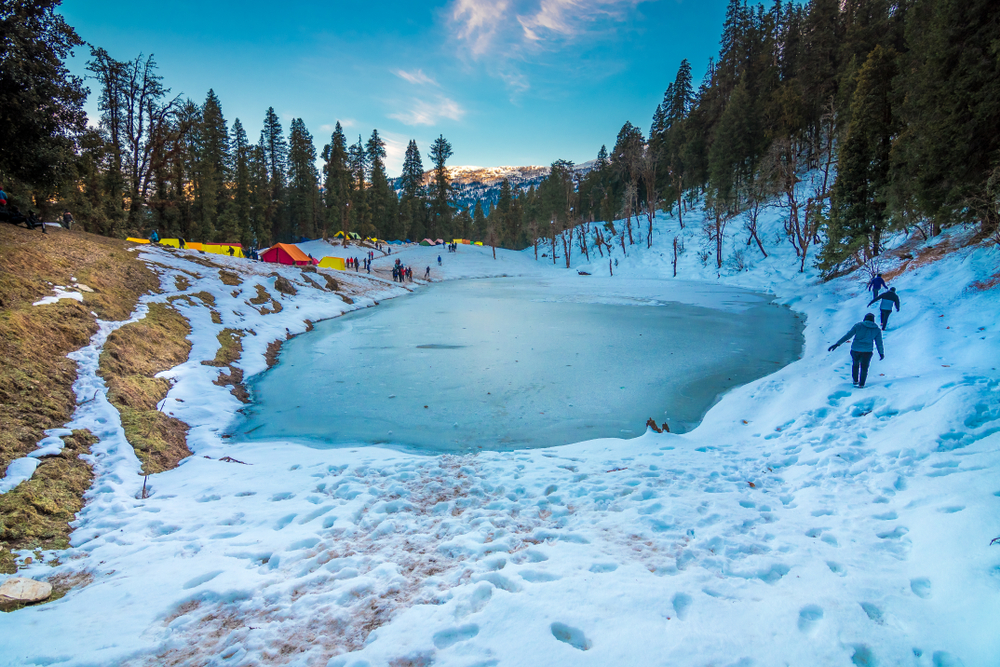
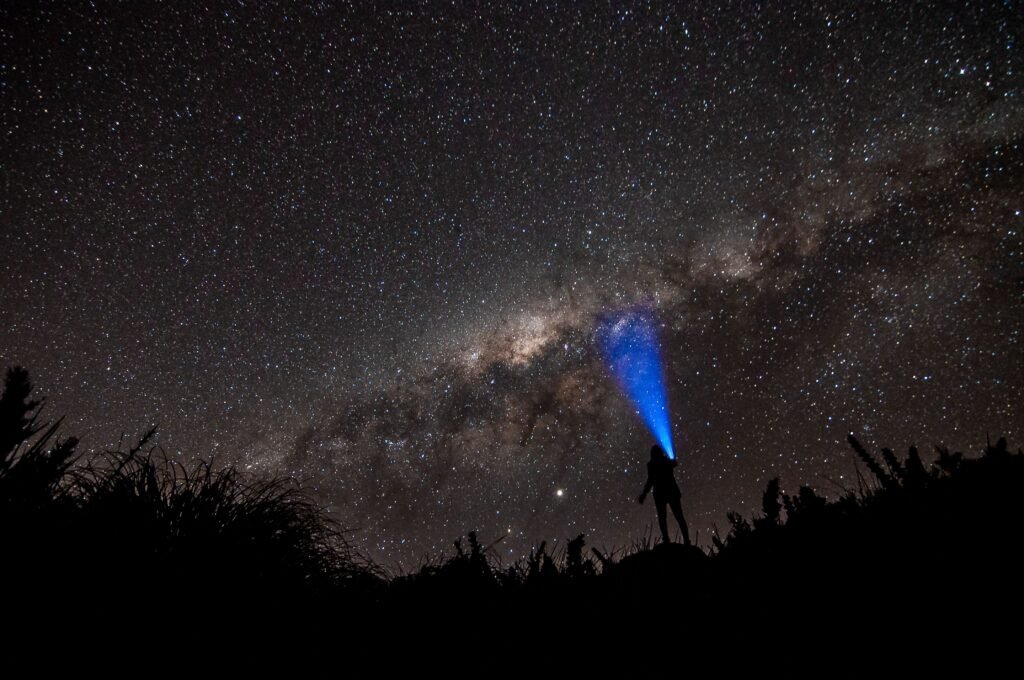
Kedarkantha is called the Queen of Winter Treks because it gives you snow, forests, mountain views, beautiful campsites, and a great summit, all in one trek that most beginners can do. Many winter treks in India have one special thing. Some have deep snow. Some have great views. Others have nice campsites. Kedarkantha has all of them. That is why thousands of people visit every winter. It is also why trekkers have called it the Kedarkantha Queen of Winter Treks for many years. If you are planning your first winter trek, this trail often comes up first. Once you see what the trek offers, it is easy to understand why. You can learn more about the complete Kedarkantha Trek experience before planning your trip. Why Kedarkantha Is Famous as a Winter Trek in India When people ask why Kedarkantha famous winter trek India, they are really asking one thing. What makes it so special? The answer starts with snow. In many hill stations, you see snow only on faraway peaks. At Kedarkantha, you walk through it. Snow covers the trail, the forests, and the campsites. After a fresh snowfall, the whole mountain turns white. The trek also takes you through Govind Wildlife Sanctuary in Uttarakhand. This protected forest is full of pine and oak trees. In winter, these trees look beautiful with snow resting on their branches. The best part is that you do not need to be an expert trekker. Many people do Kedarkantha as their first Himalayan trek, which is why it is often considered one of the best options for a Kedarkantha trek for beginners. Snowy Forests Make the Trek Feel Magical The forests are one of the biggest reasons people love this trek. As you walk higher, tall pine and oak trees stand on both sides of the trail. Fresh snow covers the ground below your feet. These famous Kedarkantha pine oak forests are one of the most loved parts of the trek. The path feels quiet and peaceful. Sometimes the only sound you hear is the crunch of snow as you walk. Many trekkers say this part of the trek feels like walking through a winter movie scene. Every turn brings a new view. One moment you are deep inside the forest. The next moment you are looking at snowy mountains far away. Juda Ka Talab Is One of the Highlights Almost every trekker remembers Juda Ka Talab. This small lake sits in the middle of the forest. During winter, it often freezes. Snow covers the ground around it, and the lake looks like a sheet of glass. Many groups camp near the lake. In the morning, the view is beautiful. The frozen water, white snow, and tall trees make the whole place look magical. There is also a local story linked to the lake. People say Lord Shiva dropped a few strands of his hair here while meditating. Some believe that is where the name Juda Ka Talab comes from. Whether the story is true or not, the place feels special. The Summit View Makes the Trek Famous The summit is the biggest reward of the trek. Kedarkantha stands at about 12,500 feet. The climb is not easy, but most beginners can do it with good preparation. When you reach the top, you understand why so many people love this trek. You can see snowy peaks in every direction. Some of the most famous peaks visible from Kedarkantha summit include Swargarohini, Bandarpoonch, Black Peak, Draupadi Ka Danda 2, and the Rupin Range. You can also see parts of the Har Ki Doon Valley. Many treks need much harder climbing to get views like this. Kedarkantha gives you these views without making the trek too difficult. The Sunrise From the Summit Is Worth the Effort Most summit days start very early. If you want to know what the climb feels like, read more about Kedarkantha summit day and what to expect before sunrise. Trekkers usually wake up around 2 or 3 in the morning. Headlamps light the trail as everyone walks slowly through the dark. At first, it feels cold and quiet. Then the sky starts to change. The dark blue sky slowly turns pink, orange, and gold. The first sunlight touches the snowy peaks. One by one, the mountains begin to glow. Many trekkers say this is their favourite moment of the whole trip. Photos look great, but standing there and seeing it with your own eyes feels very different. The Campsites Are Beautiful A great trek is not only about the summit. The campsites matter too. Kedarkantha has some of the best winter campsites in India. Places like Juda Ka Talab and Kedarkantha Base Camp look amazing after snowfall. At night, tents sit on fresh snow. Pine trees stand all around them. The air feels cold and clean. When the sky is clear, thousands of stars shine above the campsite. Many trekkers spend hours outside their tents just looking at the night sky, which is one reason the famous Kedarkantha night sky is loved by photographers and stargazers. What Does the Trek Route Look Like? The route is simple and easy to follow. If you want a detailed trail overview, check the complete Kedarkantha trek route map before your trip. Most groups follow this plan: Day 1: Drive from Dehradun to Sankri Day 2: Trek from Sankri to Juda Ka Talab Day 3: Trek to Kedarkantha Base Camp (11,250 ft) Day 4: Climb to Kedarkantha Summit (12,500 ft) and descend to Hargaon Camp Day 5: Trek back to Sankri Each day feels different. You walk through forests. You camp near snow-covered clearings. You climb to a summit. Then you enjoy mountain views all around you. That variety keeps the trek fun from start to finish. Is Kedarkantha Good for Beginners? Yes, it is one of the best winter treks for beginners. The trek is not easy, but it is not too hard either. If you can walk for 4 to 5 hours

Why Kedarkantha Is Called the Queen of Winter Treks Read More »

kedarkantha trek

Kedarkantha Trek Digital Detox: No Network After Sankri, Why That’s Good

Yes, there is very little mobile network after Sankri. Most trekkers stay offline for almost the whole trek. This may sound like bad news at first. But many people later say it was one of the best parts of their trip. This break from screens is one reason why the Kedarkantha Trek is so popular with nature lovers. If you are planning the trek, you may be worried about phone signals. You may want to stay in touch with family. You may need internet for work. Or maybe you just want to know what to expect. The good news is that the network situation is simple. Once you know what to expect, you can prepare well and enjoy the trek without stress. Kedarkantha Trek No Network Coverage: What to Expect Sankri is the last village before the trek starts. This is the last place where you may get a phone signal. If you have never visited Sankri Village before, it is worth spending some time here before heading into the mountains. After Sankri, the network becomes very weak. In most places, it stops working completely. This is normal on many Himalayan treks. The mountains are far from big towns and cities. Phone towers are limited. Because of this, mobile signals are not reliable on the trail. If you need to make an important call, do it before leaving Sankri. Which SIM Card Works Best on the Kedarkantha Trek? Many trekkers ask this question before the trip. BSNL usually works better than other networks in this area. Airtel and Jio may work in some places, but the signal often comes and goes. Even BSNL is not perfect. Some days the signal is good. Other days it may be weak. Think of any signal after Sankri as a bonus. Do not depend on it. Mobile Network at Different Points of the Trek Many people want to know exactly where the network works. Here is a simple guide. Sankri You may get BSNL, Airtel, or Jio here. The signal can be weak at times, but this is your best chance to call home before the trek. Juda Ka Talab Most trekkers do not get any usable network here. Your phone may show a signal for a few moments, but it is not reliable. Many trekkers spend their first night near Juda Ka Talab and quickly realise how peaceful life feels without constant phone alerts. Kedarkantha Base Camp Network is usually not available here. Expect to stay offline. Before summit day, most groups camp at Kedarkantha Base Camp where the views are far better than anything on a screen. Kedarkantha Summit This is the interesting part. Some trekkers have reported getting a weak signal at the summit. A few people have even made calls. Still, this does not happen every day. The real reward of Kedarkantha Summit Day is the incredible mountain scenery waiting at the top. Return to Sankri You will usually get your network back once you return to Sankri. Electricity After Sankri Many people focus on phone signals and forget about charging. Sankri is also the last place where regular electricity is easy to find. After that, charging options are very limited. This is why carrying a power bank is a smart idea. Before leaving Sankri: Charge your phone fully. Charge your power bank. Download offline maps. Save important phone numbers. Download music or travel details if needed. A little planning can make the trek much easier. It also helps to follow a good Kedarkantha Trek Packing List so you do not forget important items. Tell Your Family Before the Trek This step is very important. Many trekkers forget to tell their family about the network problem. Then family members start worrying when calls do not go through. Before starting the trek, tell your family that you may be out of network for a few days. You can also share: Your travel plan. Trek company details. Emergency contact numbers. Expected return date. This helps everyone stay calm. Sharing your Kedarkantha Trek Itinerary can make it easier for family members to know where you will be each day. Why No Network Can Be a Good Thing Now let’s talk about something most people do not expect. At first, being offline feels strange. You may check your phone again and again. Most of us do this without thinking. Then slowly, things change. You stop looking at your screen. You start looking at the mountains instead. You notice the tall pine trees. You hear birds in the forest. You see fresh snow shining in the morning sun. The beautiful Kedarkantha Pine Oak Forests are one of the highlights of the trek. These small things are easy to miss when your phone keeps pulling your attention away. Digital Detox Trekking Kedarkantha No Signal Sankri Experience Many people talk about digital detox these days. On the Kedarkantha trek, it happens naturally. There is no need to switch off your phone on purpose. The mountains do it for you. Without social media and messages, you have more time to enjoy the journey. You talk more with other trekkers. You laugh more around the campfire. You spend less time looking down and more time looking around. We have seen many trekking groups become close friends in just a few days. That happens because people spend time talking to each other instead of staring at screens. Better Sleep and Less Stress Many trekkers notice another benefit. They sleep better. There are no late-night reels. No endless scrolling. No work emails. No constant phone alerts. Your day becomes simple. You walk. You eat. You enjoy the views. You rest. After two or three days, many people feel more relaxed than they have in months. The mountains have a way of slowing life down. Spending a night under the famous Kedarkantha Night Sky makes this feeling even stronger. The Best Part of the Trek The summit view is amazing. The snow-covered trail is beautiful. The forests are peaceful. But for

Kedarkantha Trek Digital Detox: No Network After Sankri, Why That’s Good Read More »

kedarkantha trek

Dehradun Pickup Point for Kedarkantha Trek: Prince Chowk Guide

If you are joining the Kedarkantha Trek from Dehradun, Prince Chowk is one of the most common pickup points. Most trek companies ask trekkers to report here between 6:00 AM and 7:30 AM, but the exact time depends on the operator. Many people search for the kedarkantha trek pickup Dehradun Prince Chowk location after booking their trek. They want to know where Prince Chowk is, how to reach it, and what happens after the pickup. The good news is that the process is simple if you plan ahead. This guide will help you understand everything about the pickup point so you can start your trek without stress. Where Is Prince Chowk in Dehradun? Prince Chowk is a busy road junction in Dehradun. It is close to Dehradun Railway Station, which makes it easy for trekkers arriving by train. Many trekkers stay in nearby hotels the night before their trek. This helps them avoid rushing in the morning. The area also has restaurants, ATMs, medical shops, and small stores. Because it is easy to find and easy to reach, many trek companies use Prince Chowk as their meeting point.  Read the complete guide on: Kedarkantha Trek for Beginners What Is the Pickup Time for Kedarkantha Trek? One thing that surprises many trekkers is that there is no fixed pickup time for every company. Some operators start at 6:00 AM. Others may leave at 6:30 AM, 7:00 AM, or even 7:30 AM. That is why you should always check the final message from your trek operator before travelling. A few simple tips can help: Reach the pickup point 20 to 30 minutes early. Save the driver’s and coordinator’s number. Keep your phone charged. Confirm the pickup time one day before departure. It is always better to wait a few minutes than to miss the vehicle. How Far Is Prince Chowk from Dehradun Railway Station? This is one of the most common questions first-time trekkers ask. Here are the approximate distances: Dehradun Railway Station to Prince Chowk: about 1 km ISBT Dehradun to Prince Chowk: about 5 km Jolly Grant Airport to Prince Chowk: about 27 km Clock Tower to Prince Chowk: about 1 km You can easily take an auto-rickshaw from the railway station. The ride takes only a few minutes. If your train reaches early in the morning, keep extra time in hand because delays can happen. Why It Is Better to Reach Dehradun One Day Early Many experienced trekkers arrive in Dehradun one day before the trek starts. We also feel this is the best option if your schedule allows it. A long train or flight journey can leave you tired. If you arrive just before the pickup, you may feel rushed and stressed. Reaching a day early gives you time to rest. You can also buy any last-minute items that you may have forgotten. Starting a mountain trek with a fresh mind always feels better. Read more about: How to reach Kedarkantha Trek  Prince Chowk to Sankri Route and Distance After the pickup, the group travels to Sankri. Sankri is the base village for the Kedarkantha Trek. The usual route is: Dehradun → Nainbagh → Purola → Mori → Netwar → Sankri The distance is around 190 to 200 kilometres. The journey usually takes 8 to 10 hours. The exact time depends on traffic, weather, and road conditions. As the road climbs higher, you will see forests, rivers, mountains, and small villages. For many trekkers, this drive is one of the best parts of the trip.  Learn more about Sankri Village before you arrive there. What Vehicles Are Used for the Transfer? The vehicle depends on the number of trekkers in the group. Most operators use: Tempo Traveller Bolero Innova Similar SUVs Large groups often travel in Tempo Travellers. Smaller groups may travel in SUVs. The roads in the mountains can be narrow, so operators choose vehicles that can handle these routes well. What Happens at the Pickup Point? The pickup process is usually easy. You reach the meeting point, meet the trek coordinator, and load your bags into the vehicle. Some operators also give a short briefing before the journey begins. The process usually looks like this: Reach Prince Chowk before the reporting time. Meet the trek coordinator. Verify your booking details. Load your luggage. Start the drive to Sankri. What If You Miss the Pickup? Missing the pickup can make your trip more difficult, but it does not always mean you will miss the trek. If you are running late, call your trek operator right away. They may guide you to another meeting point or ask you to travel directly to Sankri. You may have to use: A private taxi A shared taxi Local transport This can cost extra money, which is why reaching early is always a smart choice. Mobile Network and ATM Availability Many trekkers also ask about phone signals and cash. As you move deeper into the mountains, network coverage becomes weaker in some places. In general: Jio works best in Sankri. BSNL works in many areas. Airtel may work in some places. Network quality can change at any time, so it is wise to inform your family before the trek starts. It is also a good idea to carry some cash from Dehradun because ATM options become limited on the route. Get the complete guide to: shopping in Sankri. Things to Carry During the Drive The journey to Sankri is long. Keep important items in your daypack instead of your main backpack. Useful items include: Water bottle Power bank Snacks Sunglasses Personal medicines ID proof Warm jacket Mobile charger Many trekkers keep these items deep inside their bags and then struggle to find them during the journey. Keeping them close makes the trip much easier.  Read here about Kedarkantha Trek Packing List 2026 before you leave home. Winter Tips for Kedarkantha Trekkers Most people visit Kedarkantha during the snow season from December to February. Winter mornings in Dehradun can feel cold, especially

Dehradun Pickup Point for Kedarkantha Trek: Prince Chowk Guide Read More »

kedarkantha trek

Kedarkantha Trek Eligibility: Age, BMI, Fitness & What’s Required

The Kedarkantha trek eligibility criteria are simple. If you are healthy, can walk for a few hours, and have a basic fitness level, you can usually do this trek without any problem. Many people think Himalayan treks are only for athletes. That is not true. Every year, students, office workers, families, and senior citizens complete the Kedarkantha Trek. Some are first-time trekkers who have never seen snow before. Still, the mountains ask for some preparation. The trail has steep climbs, cold weather, and long walking days. It is much better to know if you are ready before you book the trek. Kedarkantha Trek Eligibility Criteria: What You Need to Know The main reason for checking eligibility is safety. The Kedarkantha summit is around 12,500 feet above sea level. At this height, the air has less oxygen. Even a short climb can make you breathe faster.This does not mean the trek is very hard. It simply means your body should be ready for a few days of walking in the mountains. If you prepare well, the trek becomes much more enjoyable. That is why trek organisers check age, fitness, and health before accepting participants. Is There a Kedarkantha Trek Age Limit? One of the most common questions is about age. There is no fixed age limit for the trek. Most trekking companies allow children and older adults if they are fit enough for the journey. As a general guide: Children below 7 years are usually not advised. People between 8 and 60 years can do the trek comfortably. Adults above 60 years can join if they are active and healthy. Senior citizens should speak to their doctor before the trek. Families planning a Himalayan adventure together may also find this guide on the Kedarkantha trek for families and kids useful. We have seen children reach the summit with big smiles. We have also seen people in their sixties walk steadily and enjoy every step. Fitness is usually more important than age. Kedarkantha Trek Age Limit BMI Fitness Requirements Many trekkers also ask about BMI. BMI stands for Body Mass Index. It is a simple way to compare your weight with your height. Trek companies use it as a rough guide to understand your fitness level.A BMI between 18.5 and 30 is usually considered suitable for the trek. But BMI is only one part of the picture. A person with a slightly higher BMI who exercises often may do better than someone with a lower BMI who rarely walks or plays sports. The mountain cares more about your fitness than your numbers. That is why the Kedarkantha trek age limit BMI fitness requirements should be seen as guidelines and not strict rules. How Fit Should You Be for Kedarkantha? Fitness is the most important part of the Kedarkantha trek eligibility criteria. Before booking, many trekkers like to understand the Kedarkantha trek difficulty level so they can prepare realistically. On most days, you will walk for four to six hours. Some sections are steep. Summit day feels harder because of the height and snow. A simple way to check your fitness is to ask yourself this question. Can you walk fast for one hour without feeling very tired? If yes, you are already on the right path. Before the trek, you should be able to: Walk 5 to 7 kilometres comfortably. Jog 3 to 5 kilometres without stopping often. Climb stairs for 10 to 15 minutes. Carry a small backpack while walking. Recover quickly after exercise. You do not need to be a marathon runner. You just need good stamina. Why Stamina Matters More Than Muscle Some people spend hours in the gym and think they are ready for any trek. Strong muscles help, but stamina is more important. The Kedarkantha trail tests how long you can keep moving. It does not test how much weight you can lift. People who walk, run, cycle, or swim regularly often do very well on the trek. Their heart and lungs are already used to working for longer periods. Strong legs are useful too. They help you climb uphill and walk safely on snow. But if you have limited time, focus more on building endurance. Health Conditions You Should Not Ignore Most healthy people can do this trek safely. Still, some health conditions need extra care. If you have any of these, talk to your doctor before booking: Heart problems Severe asthma Uncontrolled diabetes Serious breathing issues Recent surgery High blood pressure that is not under control Many people with health conditions complete Himalayan treks every year. The important thing is to get proper medical advice and be honest about your health. The mountains are not the place to take unnecessary risks. Learn about altitude sickness on Kedarkantha Trek before trekking at higher elevations. How to Prepare for the Trek The best time to start preparing is about one month before the trek. You do not need expensive equipment. You also do not need a personal trainer. Simple daily exercise works very well. Try this routine: Walk or jog for 30 to 45 minutes, five days a week. Climb stairs three times a week. Do squats and lunges for stronger legs. Stretch after every workout. Drink enough water and sleep well. Along with fitness preparation, make sure you follow a proper Kedarkantha trek packing list so you carry everything needed for cold mountain conditions. Small efforts done every day can make a big difference on the trail. Think of fitness like saving money. Every workout adds something to your account. When summit day arrives, you use those savings. Can First-Time Trekkers Do the Kedarkantha Trek? Yes, absolutely. Kedarkantha is one of the best beginner treks in India. Many trekkers consider it the best first summit trek in India because it offers a great balance of challenge and reward. The trail passes through beautiful pine and oak forests, snowy slopes, and beautiful campsites. On clear days, trekkers are rewarded with spectacular peaks visible from the Kedarkantha

Kedarkantha Trek Eligibility: Age, BMI, Fitness & What’s Required Read More »