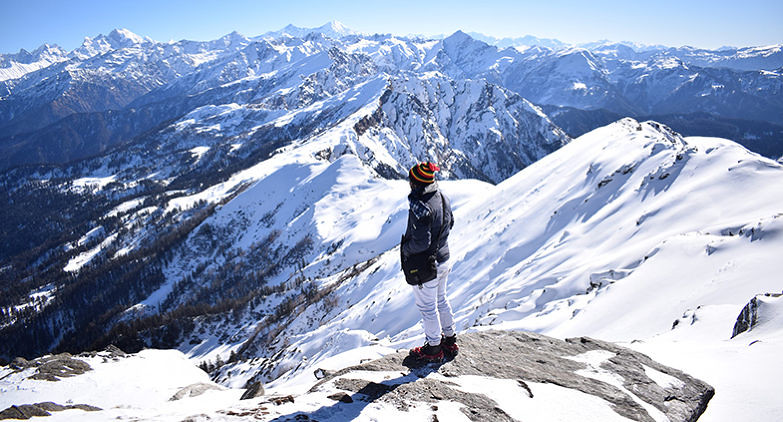
If you’re looking for the Kedarkantha trek height, the highest point of the trek is 12,500 ft (3,810 metres) at the Kedarkantha Summit. The trek starts from Sankri Village at around 6,400 to 6,500 ft, depending on the GPS source, and climbs gradually through well-spaced campsites. This slow gain in altitude is one of the biggest reasons Kedarkantha is considered one of India’s best beginner-friendly Himalayan treks.
One thing often confuses trekkers before they even pack their bags. Open three different websites, and you may find three different altitude figures for the same campsite. Does that mean someone is wrong? Not really. Trek operators, GPS devices, trekking apps and maps often record slightly different elevations. These differences usually range between 100 and 300 feet. The summit height of 12,500 ft stays almost the same across reliable sources, while campsite elevations may vary a little depending on where the measurement is taken.
Kedarkantha Trek Height at Every Stage
The table below shows the commonly accepted altitude of each campsite. Small variations are normal, but these figures are widely used by experienced trekking operators.
Trek Stage | Approx. Distance | Altitude |
Sankri Village (Base) | Drive from Dehradun | 6,400 to 6,500 ft |
Juda Ka Talab | 4 km | 9,000 to 9,100 ft |
Kedarkantha Base Camp | 4 km | 11,200 to 11,300 ft |
Kedarkantha Summit | 3 km | 12,500 ft |
This gradual climb is one of the reasons beginners usually enjoy the trek. Your body gets enough time to adapt instead of climbing thousands of feet in a single day.
Why Kedarkantha Trek Height Matters
Many people only look at the summit height. That tells only half the story. Altitude affects the amount of oxygen your body receives. As you climb higher, the air becomes thinner, so your body works harder even while walking at the same speed. A trail that feels easy at sea level may feel tiring at 11,000 feet because every breath carries less oxygen. This is why experienced trekkers pay more attention to campsite altitudes than the summit itself. Your body spends the night at those camps, slowly adjusting before the next day’s climb.
A gradual climb is always safer than a fast one. Kedarkantha follows this rule well, making it suitable for first-time Himalayan trekkers. In fact, its steady ascent is one of the main reasons it is often called the most beginner-friendly summit trek in the Indian Himalayas.
Kedarkantha Trek Height Starts at Sankri Village
Every Kedarkantha trek begins from Sankri Village, a small mountain village in Uttarkashi district. Sitting at around 6,400 to 6,500 ft, Sankri is already much higher than most Indian cities. If you are travelling from Delhi, Mumbai or Bengaluru, you may notice the cool mountain air as soon as you step out of the vehicle. Some trekkers feel slightly tired after the long drive, but this usually comes from the journey rather than the altitude itself.
Instead of staying inside your room, take a short walk through the village during the evening. The wooden houses, small cafés and apple orchards make for a relaxing first day. A gentle walk also helps your body adjust before the trekking begins.
Most trekking companies complete permit formalities here, hand over rented gear and conduct a short briefing about the trail.
Do You Need a Permit?
Yes. Since the trek passes through Govind Pashu Vihar National Park and Wildlife Sanctuary, every trekker needs an entry permit. Most organised trekking companies include this permit in their package, so you rarely have to arrange it yourself. Independent trekkers can obtain the required permission at Sankri after showing a valid photo ID and paying the forest entry fee. It is always a good idea to carry both digital and printed copies of your identity proof during the trek.
Kedarkantha Trek Height at Juda Ka Talab
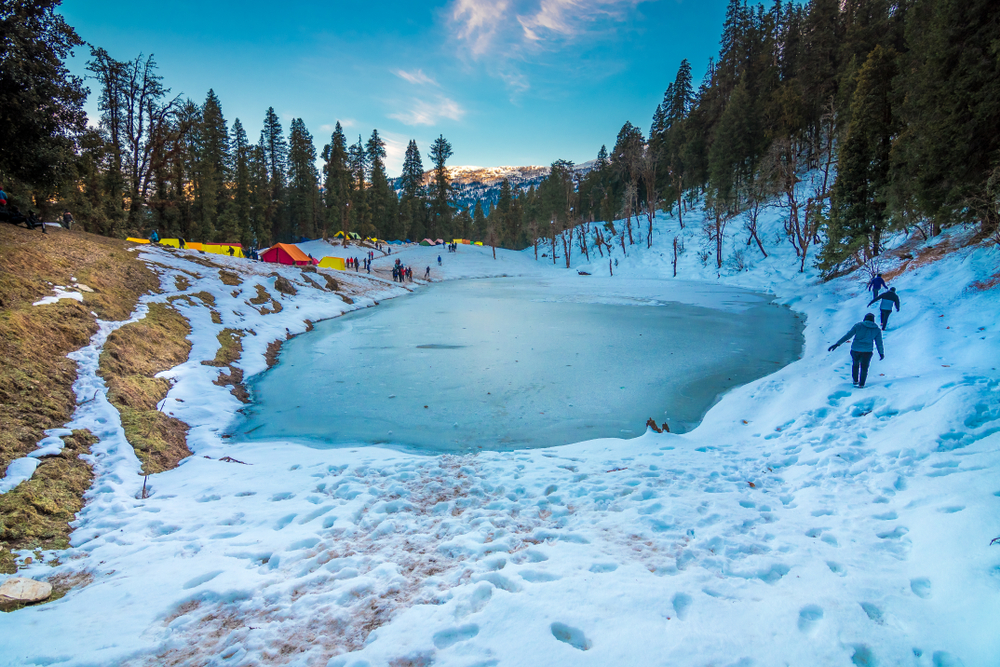
The first trekking day covers about 4 kilometres and ends at Juda Ka Talab, which sits at roughly 9,000 to 9,100 ft. The trail climbs steadily through dense forests filled with pine, oak and maple trees. During winter, these forests often turn into beautiful snow-covered tunnels that many trekkers remember long after the trek ends.
This campsite marks your first major gain in altitude. You have climbed nearly 2,600 to 2,700 feet from Sankri without putting too much strain on your body.
Many beginners expect the first day to be exhausting. In reality, the gradual slope makes it surprisingly comfortable if you walk at your own pace.
The lake itself freezes during peak winter, creating one of the most beautiful campsites on the trek. Early mornings often begin with a thin layer of snow sparkling under the first rays of sunlight.
How Cold Does It Get?
Height and temperature go hand in hand. As you climb higher, the weather becomes noticeably colder. Here is what you can usually expect during the winter trekking season.
Location | Day Temperature | Night Temperature |
Sankri | 8°C to 15°C | 0°C to 5°C |
Juda Ka Talab | 2°C to 8°C | -5°C to -2°C |
Base Camp | -2°C to 5°C | -8°C to -5°C |
Summit (Early Morning) | -8°C to -3°C | Depends on weather |
These temperatures can change depending on snowfall, cloud cover and the month of your trek. January usually feels much colder than early December or late March.
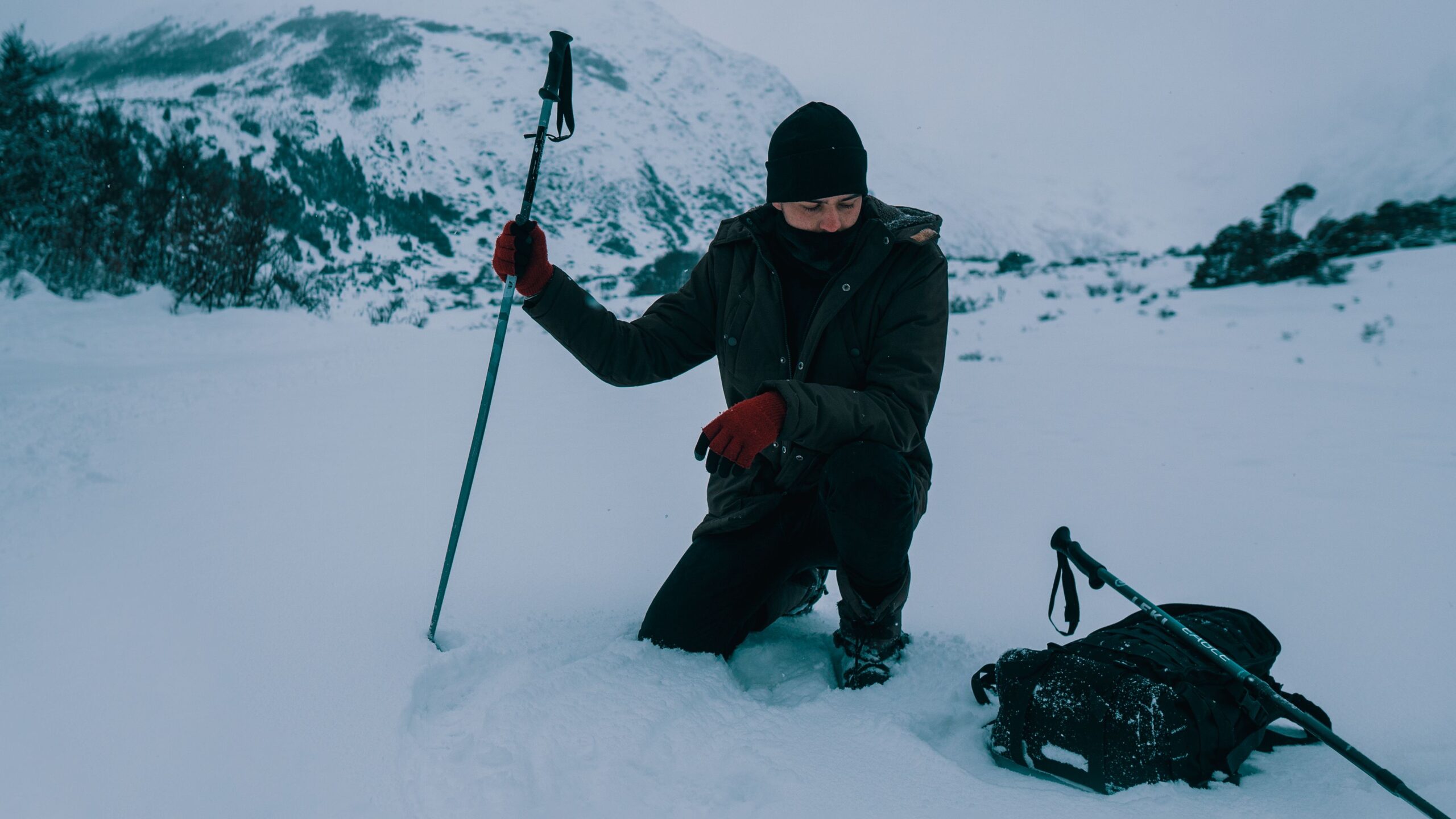
Good layering keeps you warm far better than wearing one very thick jacket.
Kedarkantha Trek Height at Base Camp
The second trekking day covers another 4 kilometres and takes you to Kedarkantha Base Camp, located at around 11,200 to 11,300 ft. This is where you truly begin to feel that you are trekking in the high Himalayas. The forests slowly disappear, and the landscape opens into wide snowfields and mountain ridges. On a clear evening, you can watch the sun set behind layers of Himalayan peaks while the sky fills with countless stars.
You also spend your highest night here before attempting the summit. Most healthy trekkers adjust well because they have already spent one night at Juda Ka Talab. Still, some people notice mild effects of the thinner air.
Common signs include:
- Mild headache
- Slight loss of appetite
- Faster breathing while climbing
- Feeling tired sooner than usual
These symptoms usually improve after resting, drinking enough water and eating a warm meal. Serious altitude sickness is uncommon on Kedarkantha because the climb remains gradual, but it should never be ignored if symptoms become severe.
How Much Oxygen Is Available?
Many trekkers think altitude only changes the scenery. It actually changes how your body works. At the Kedarkantha Summit, oxygen availability is roughly 35 to 40 percent lower than at sea level. This does not mean there is less oxygen in the air. Instead, lower air pressure makes each breath deliver less oxygen to your body.
That is why climbing a small slope near the summit can feel harder than climbing a much steeper hill back home. The good news is that your body slowly adapts as you spend time at higher camps. That gradual adjustment is exactly what makes the Kedarkantha route comfortable for most beginners.
Altitude Gain at Each Stage
Looking only at campsite height does not tell the full story. The daily altitude gain gives a much better idea of how your body will feel.
Trek Section | Approximate Altitude Gain |
Sankri to Juda Ka Talab | +2,600 to +2,700 ft |
Juda Ka Talab to Base Camp | +2,100 ft |
Base Camp to Summit | +1,200 to +1,300 ft |
Notice how the biggest climb happens over the first two days instead of all at once. That balanced ascent is one of the biggest reasons Kedarkantha remains a favourite winter trek for beginners as well as experienced hikers.
Kedarkantha Trek Height at the Summit
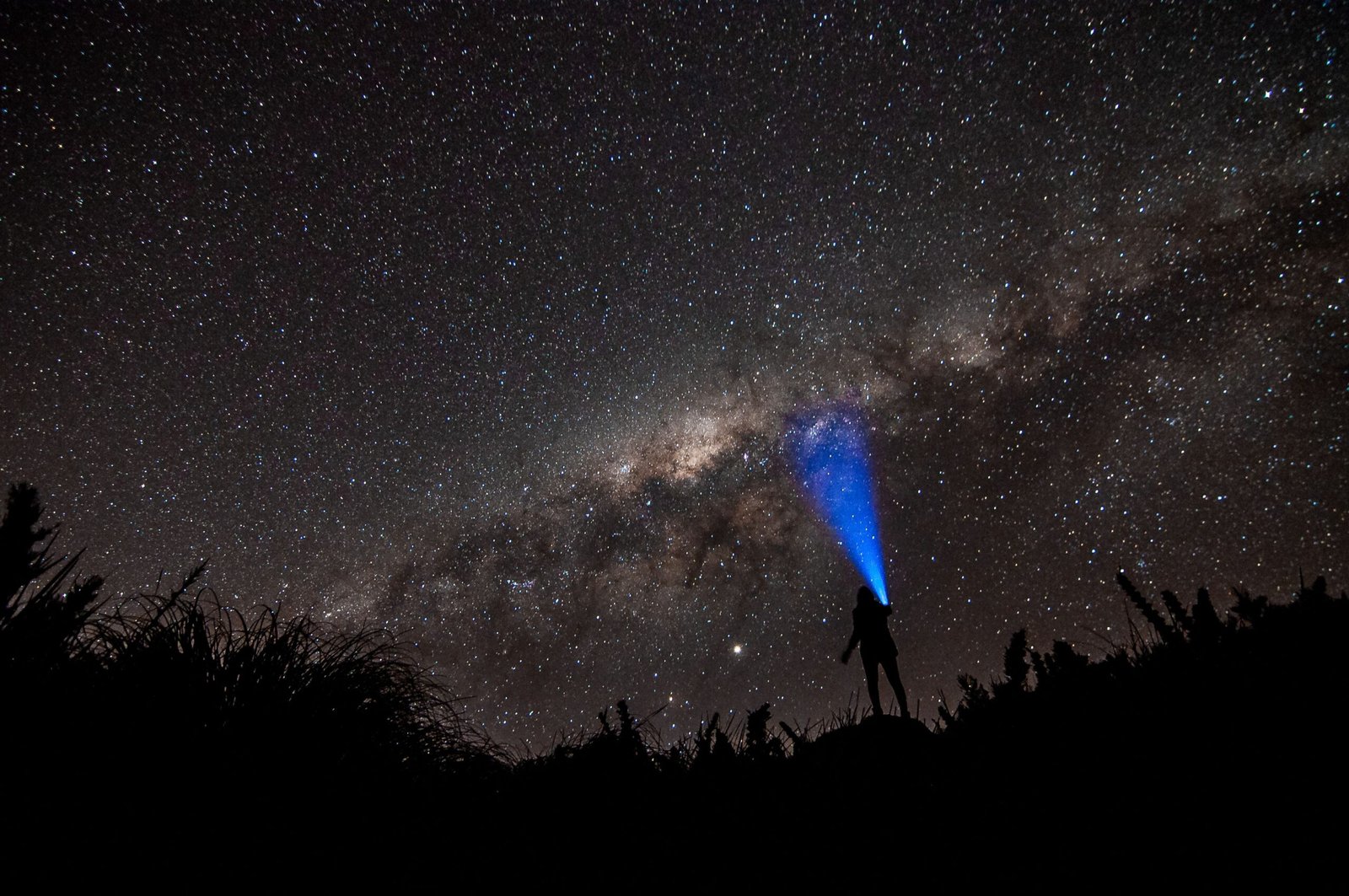
Summit day is the most exciting part of the trek. Most groups wake up around 2:30 or 3:00 AM and begin climbing in the dark with headlamps. Reaching early lets you watch the sunrise from the top, and that is an experience many trekkers never forget.
The Kedarkantha trek height reaches 12,500 ft (3,810 metres) at the summit. The climb from Base Camp is only about 3 kilometres, but it is also the steepest section of the trek. If you want to know exactly what the final ascent feels like, the route, snow conditions and timing are explained in Kedarkantha Summit climb.
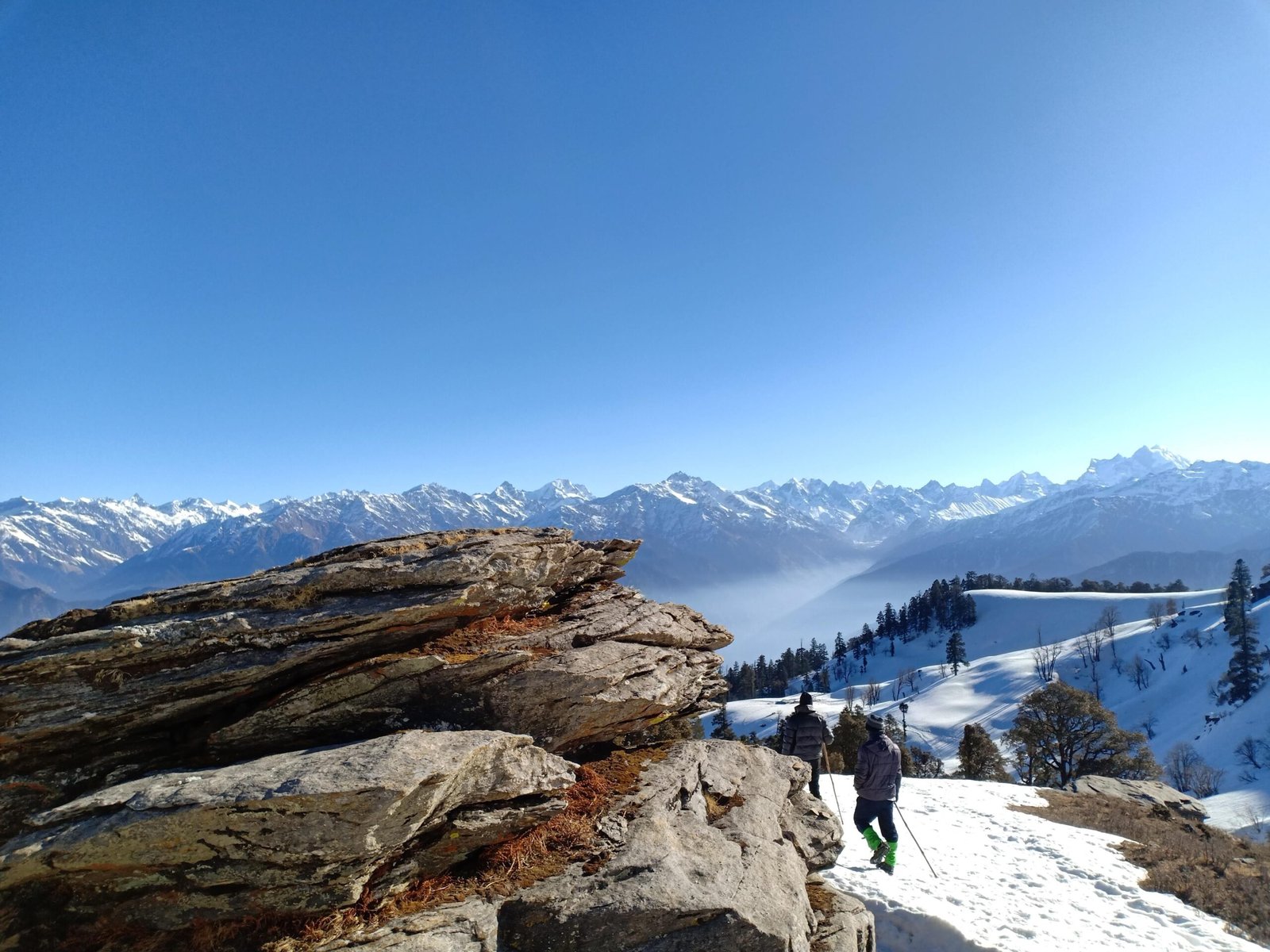
When you reach the top, the reward is much bigger than the number on your altimeter. On a clear day, you can see some of the most famous Himalayan peaks, including Swargarohini, Bandarpoonch, Black Peak and Ranglana. Standing there, you realise why Kedarkantha has become one of India’s favourite winter treks.
Many first-time trekkers expect the summit to be frightening because of the altitude. Most are surprised that the real challenge is simply walking slowly and steadily. The mountain does not ask you to be the fastest person in the group. It asks you to be patient.
Does the Kedarkantha Trek Height Cause Altitude Sickness?
This is one of the most common questions beginners ask before booking the trek. The answer is reassuring. Most healthy trekkers complete Kedarkantha without serious altitude-related problems because the route gains height gradually over several days. That said, altitude affects everyone differently. Your fitness level, age or gym routine does not guarantee that you will never feel the effects of thinner air.
If you want a deeper understanding of symptoms read: altitude sickness on the Kedarkantha Trek explains everything in detail.
Watch for symptoms such as:
- A headache that gets worse with time.
- Nausea or repeated vomiting.
- Loss of balance while walking.
- Extreme tiredness even after resting.
- Difficulty breathing while resting.
A mild headache or feeling slightly tired is common during many Himalayan treks. Severe symptoms are different and should never be ignored. If they appear, inform your trek leader immediately. The safest treatment is often to stop climbing and descend if needed.
Who Should Be Extra Careful?
Kedarkantha is beginner-friendly, but that does not mean it is suitable for everyone without preparation. Speak to your doctor before the trek if you have:
- A serious heart condition.
- Severe asthma or long-term lung disease.
- Recent major surgery.
- High blood pressure that is not under control.
- Any medical condition that could become worse at higher altitudes.
Most healthy adults can complete the trek comfortably after basic preparation. If you are unsure about your health, getting medical advice before the trip is always a wise choice.
Why Kedarkantha Feels Easier Than Many Himalayan Treks
The summit stands at 12,500 ft, but the experience feels less demanding than many higher Himalayan routes. There are a few reasons for this. First, the altitude increases gradually instead of suddenly. Your body gets time to adjust at each campsite. Second, the daily walking distance remains manageable. Most trekking days cover only 3 to 4 kilometres, leaving enough time to rest after reaching camp.
Finally, the trail is well established and remains one of the busiest winter trekking routes in India. During the season, you are rarely far from other trekking groups or experienced guides.
That combination makes Kedarkantha a popular choice for families, college students and people attempting their first Himalayan trek. Its steady climb is also why many trekkers consider Kedarkantha’s gradual ascent the most beginner-friendly summit route in the Indian Himalayas.
Simple Tips to Handle the Height Better
You do not need expensive gear or advanced mountaineering skills to enjoy this trek. Building a little stamina before your trip makes a noticeable difference, so it helps to know how to get fit for the Kedarkantha Trek before you begin.
Here are a few tips that experienced trek leaders recommend.
- Drink water regularly, even if you do not feel thirsty.
- Walk slowly and keep a steady pace from the first day.
- Eat every meal, even if your appetite feels low.
- Dress in layers so you can adjust to changing weather.
- Sleep well before starting the trek from Sankri.
- Avoid alcohol and smoking during the trek.
- Tell your trek leader if you feel unwell.
One mistake we often see is people trying to reach camp before everyone else. They walk too fast, get tired quickly and spend the rest of the day recovering. The people who walk at a steady pace usually enjoy the trek much more.
Are There Other Starting Points?
Yes, but very few trekkers use them. Some trekking operators begin from Kotgaon or Gaichawan Gaon to avoid crowded sections of the trail or to offer a slightly different route. These variations eventually connect with the main trekking path.
For most people, Sankri remains the standard and most convenient starting point. It has better road connectivity, accommodation, equipment rentals and permit facilities. Unless your trekking company specifically mentions another route, you can safely assume that your trek will begin from Sankri.
Kedarkantha and Kedarnath Are Not the Same
Many first-time travellers confuse these two names because they sound similar. They are completely different destinations.
Kedarkantha is a winter trekking peak in Uttarkashi district. People visit it for snow trekking, camping and mountain views.
Kedarnath, on the other hand, is a famous Hindu pilgrimage site in Rudraprayag district, known for the ancient Kedarnath Temple.
If you are comparing both journeys, our detailed comparison of the Kedarnath Trek vs Kedarkantha Trek
Conclusion
The Kedarkantha trek height may look intimidating on paper, but the mountain tells a different story once you start walking. Every campsite gives your body time to adjust, every day’s climb prepares you for the next, and before you know it, you are standing at 12,500 ft looking across some of the finest peaks in the Garhwal Himalayas.
The summit is only one number on the map. What truly shapes your experience is how you climb to it, one steady step, one campsite and one sunrise at a time. If you’re still planning your trip, you’ll find everything from preparation and gear to routes, costs and seasonal guides on the Kedarkantha Trek.
FAQs
What is the highest point of the Kedarkantha Trek?
The highest point is the Kedarkantha Summit, which stands at 12,500 ft (3,810 metres) above sea level.
Is 12,500 ft considered high altitude?
Yes. It falls within the high-altitude range where oxygen levels are lower than at sea level. Most trekkers adapt well because the climb is gradual.
Can beginners complete the Kedarkantha Trek?
Yes. Kedarkantha is widely regarded as one of the best Himalayan treks for beginners. The moderate distance, gradual altitude gain and well-planned camps make it suitable for first-time trekkers with basic fitness.
At what height does snow usually begin?
Snow conditions change every winter, but from late December to February, trekkers often start seeing snow between 8,000 and 9,000 ft, usually around the Juda Ka Talab section. If you’re planning a winter trip, checking the latest Kedarkantha snowfall updates helps you choose the best dates.
Which campsite is at the highest altitude?
Kedarkantha Base Camp, at around 11,200 to 11,300 ft, is the highest campsite where trekkers spend the night before the summit climb.
How much altitude do you gain during the trek?
The trek begins at around 6,400 ft in Sankri and ends at 12,500 ft on the summit. That means you gain roughly 6,000 feet in altitude over the course of the trek.