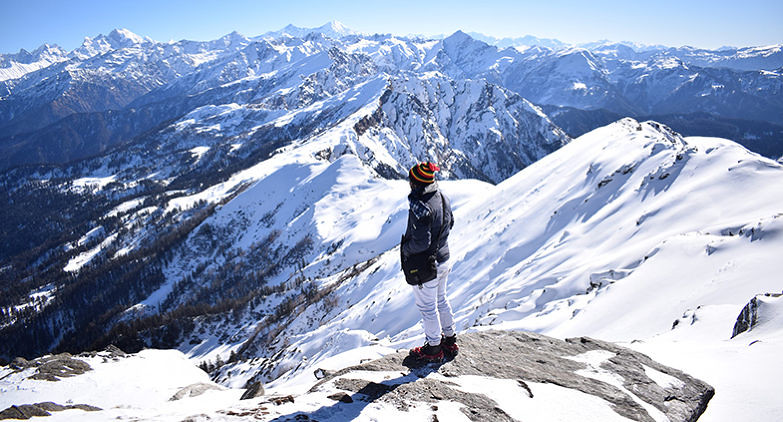
The Kedarkantha trek opening date season normally starts in September and continues until June. If you want to trek on snow, the best time is from late November to early April.
That one answer clears up the biggest doubt most people have. Many first time trekkers see snowy photos online and think Kedarkantha stays open throughout the year. It does not. The trail passes through the Govind Pashu Vihar National Park and Wildlife Sanctuary, where trekking is usually restricted during the monsoon.
One more thing often confuses people. Kedarkantha and Kedarnath are not the same place. Kedarkantha is a trekking peak near Sankri in Uttarkashi district, while Kedarnath is a famous temple in Rudraprayag. Their names sound similar, but they are completely different destinations.
Kedarkantha Trek Opening Date Season (2026)
For most trekkers, this is the practical trekking calendar.
Season | Status |
July to August | Usually closed because of monsoon |
September | Trek reopens after the rains |
October to mid-November | Dry trail with clear views |
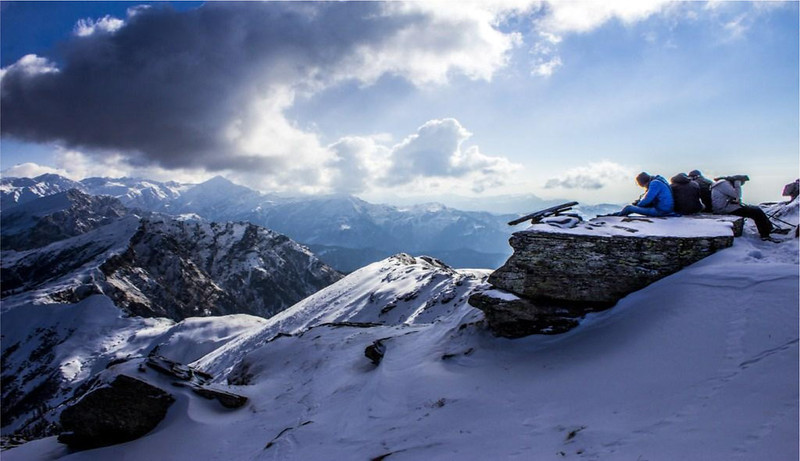
Late November to March | Peak snow trekking season |
April | Open with some snow on higher sections |
May to June | Green summer trekking season |
If someone asks “Kedarkantha when opens closes season 2026 dates?”, this is the easiest answer.
- Expected reopening: Around 1 September 2026
- Best snow season: Late November 2026 to the end of March 2027
- Expected monsoon closure: Around 1 July to 31 August 2026
These dates are followed by most trekking companies every year. The exact reopening depends on weather and the Forest Department’s latest advisory, so always check before you travel.
Before the Trek Starts, You Must Reach Sankri
Every Kedarkantha trek begins from Sankri village, a small mountain village in Uttarkashi district. The drive from Dehradun to Sankri is about 200 km and usually takes 8 to 10 hours. The route passes through Mussoorie, Purola and Mori before reaching Sankri, which sits at an altitude of 1,950 metres (6,400 feet). If you are planning the journey yourself, must check how to travel from Dehradun to Sankri independently before your trip.
This road is just as important as the trek itself. During heavy rain or fresh snowfall, road conditions may delay your journey even when the trekking trail is open.
Why Is Kedarkantha Closed in July and August?
This is the part many travel blogs miss. Kedarkantha lies inside a protected forest area. During the monsoon, the Forest Department usually restricts trekking to protect both visitors and wildlife. If you want to know the reasons in detail, why Kedarkantha closes in July and August explains the seasonal restrictions clearly.
The main reasons are:
- Trails become slippery.
- Small streams become difficult to cross.
- Landslides are common between Dehradun and Sankri.
- Wild animals move more during the rainy season.
Even if local people can walk the route, it does not mean the trek is officially open for tourists. Our advice is simple. If your holiday falls in July or August, choose another Himalayan trek and plan Kedarkantha after the monsoon.
What Happens When the Kedarkantha Trek Season Opens in September?
September feels very different from winter. The forests turn bright green after the rains. The air feels fresh, and the mountain views become much clearer. Instead of snow, you will walk through healthy pine forests and open meadows.
You can expect:
- Day temperature: 12°C to 18°C
- Night temperature: 3°C to 8°C
- Light rain is still possible.
We enjoy September because the trail is peaceful. You meet fewer people, spend more time with nature, and Sankri village feels calm after the rainy season.
October Is the Best Month Most People Ignore
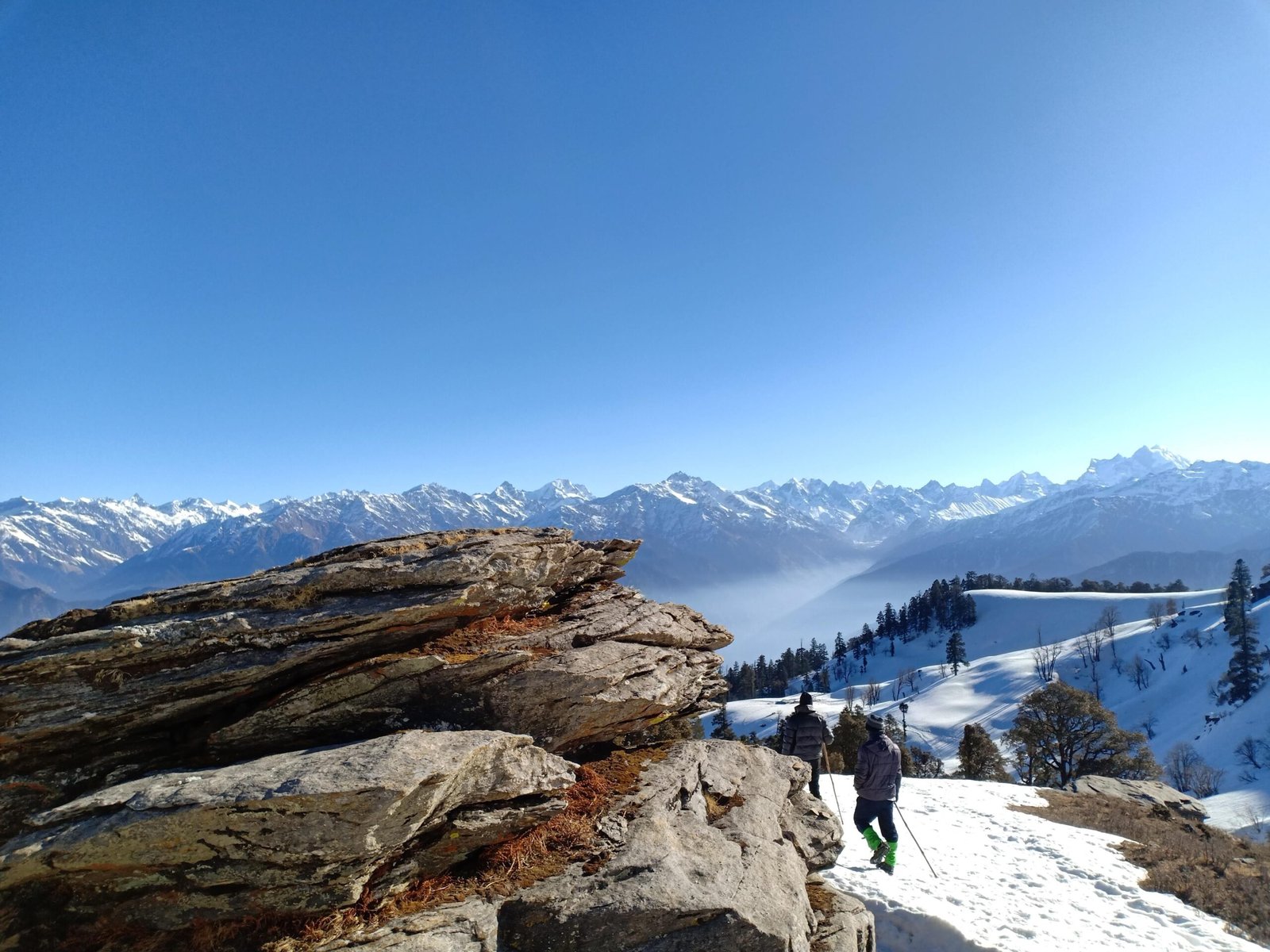
If I had to recommend one month to a beginner, I would pick October. It is also one of the best months for people attempting the Kedarkantha trek for beginners because the trail is dry and the weather is comfortable. The weather stays pleasant, the trail is dry, and the sky is usually bright blue. You also avoid the freezing cold that comes later in winter.
Typical conditions include:
- Day temperature: 10°C to 15°C
- Night temperature: 0°C to 5°C
- Snow: Usually not on the main trail
Many experienced trekkers quietly choose October because they enjoy the summit views without walking through deep snow.
When Does Snow Start on the Kedarkantha Trek?
This is the question behind most searches for the Kedarkantha trek opening date season. Snow usually begins arriving towards the end of November, but every winter is slightly different. Some years the first snowfall comes early, while other years it starts in December. You can also follow the latest Kedarkantha snowfall updates if your main goal is to experience fresh snow.
Month | Trail Condition | Snow | Crowd |
September | Green forests | No | Low |
October | Dry trail | No | Low |
November | Cold | Light snow possible | Medium |
December | Snow begins | Yes | High |
January | Peak winter | Heavy snow | Very High |
February | Peak winter | Heavy snow | High |
March | Snow starts melting | Yes | Medium |
April | Mixed trail | Some snow | Medium |
May | Green trail | No | Low |
June | Warm weather | No | Low |
July-August | Usually closed | No | — |
If your dream is to walk through snow-covered pine forests, do not book the first week of November expecting thick snow.
The Real Peak Season: Late December to February
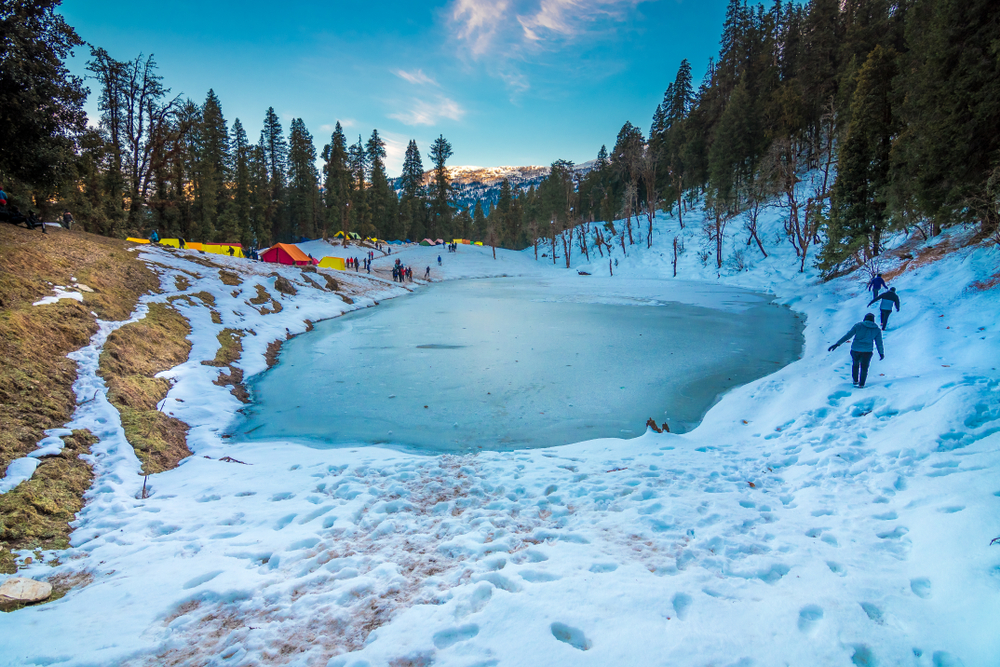
This is the season that made Kedarkantha famous across India. The trail from Sankri to Juda Ka Talab often turns into a white tunnel of snow. Campsites look magical, and the summit feels like a true Himalayan winter adventure.
Winter also brings a few challenges.
- Night temperatures can fall to -8°C to -12°C.
- Water bottles may freeze.
- Summit climbs usually begin around 2 AM or 3 AM.
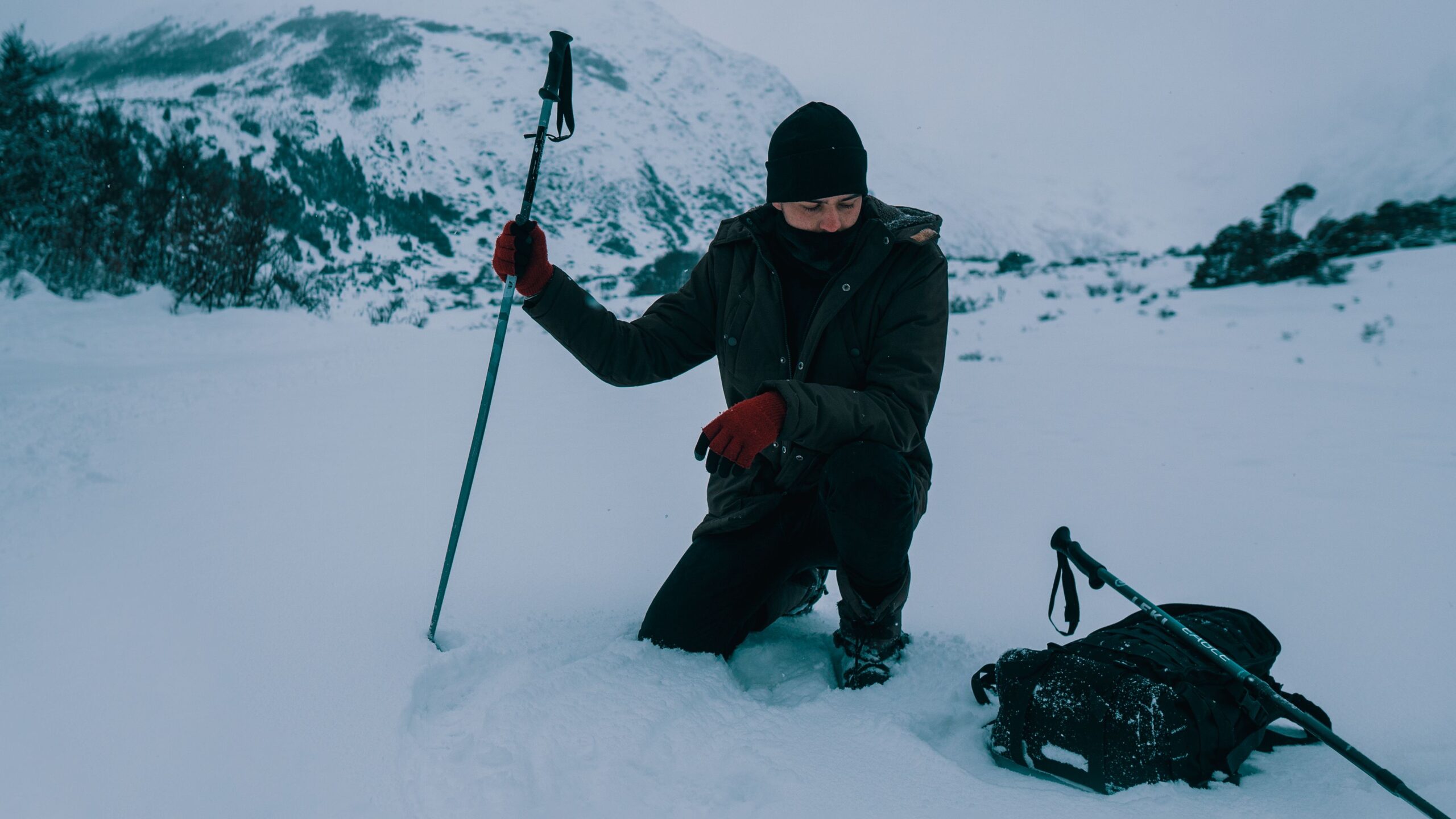
- Walking through snow takes more effort than walking on dry ground.
A friend once told me Kedarkantha would be easy because the trek is only about 20 km. He changed his mind after sinking knee-deep into fresh snow near the summit. The distance stays the same, but winter makes every step harder, especially on the Kedarkantha summit climb.
Which Dates Should You Choose in 2026?
Your travel goal should decide your dates.
Travel Goal | Best Time |
First trek | 10 October to 10 November 2026 |
Fresh snowfall | 1 December to 20 December 2026 |
Deep snow | 20 December 2026 to 20 February 2027 |
Snow with fewer crowds | 1 to 15 March 2027 |
Avoid | July and August |
Notice that New Year is missing from this list. It is the busiest week of the year, and prices are usually at their highest. If you still want to visit during the holiday season, it is worth checking the Kedarkantha New Year Trek before booking.
Does the Price Change During the Season?
Many people think winter packages cost more because there is snow.In most cases, that is not true. Trek package prices stay almost the same throughout the season. Prices usually increase only during Christmas, New Year, and long weekends, when demand becomes much higher.
Conclusion
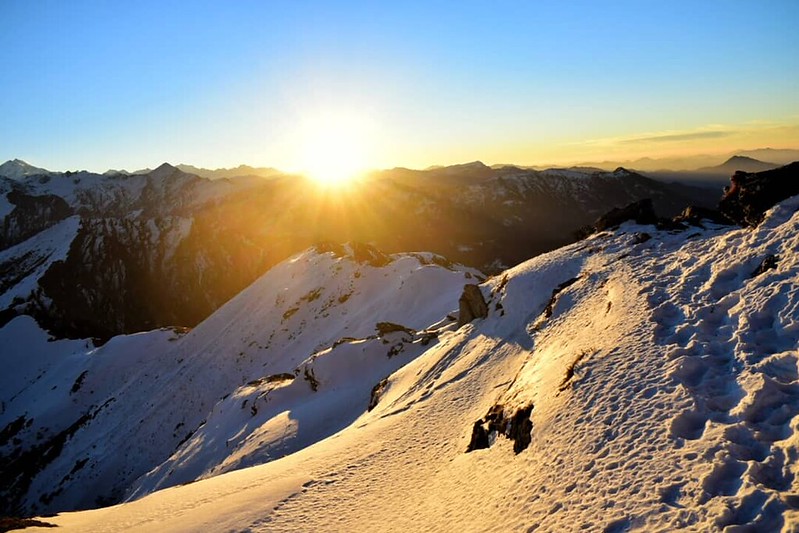
Every season shows a different side of Kedarkantha. October brings clear skies, December starts the snow, and January offers the classic winter trek. Plan your trip based on the experience you want, not just the photos you see online. Check the latest weather and trail updates before you leave, and you will enjoy a safer, smoother, and more memorable journey.