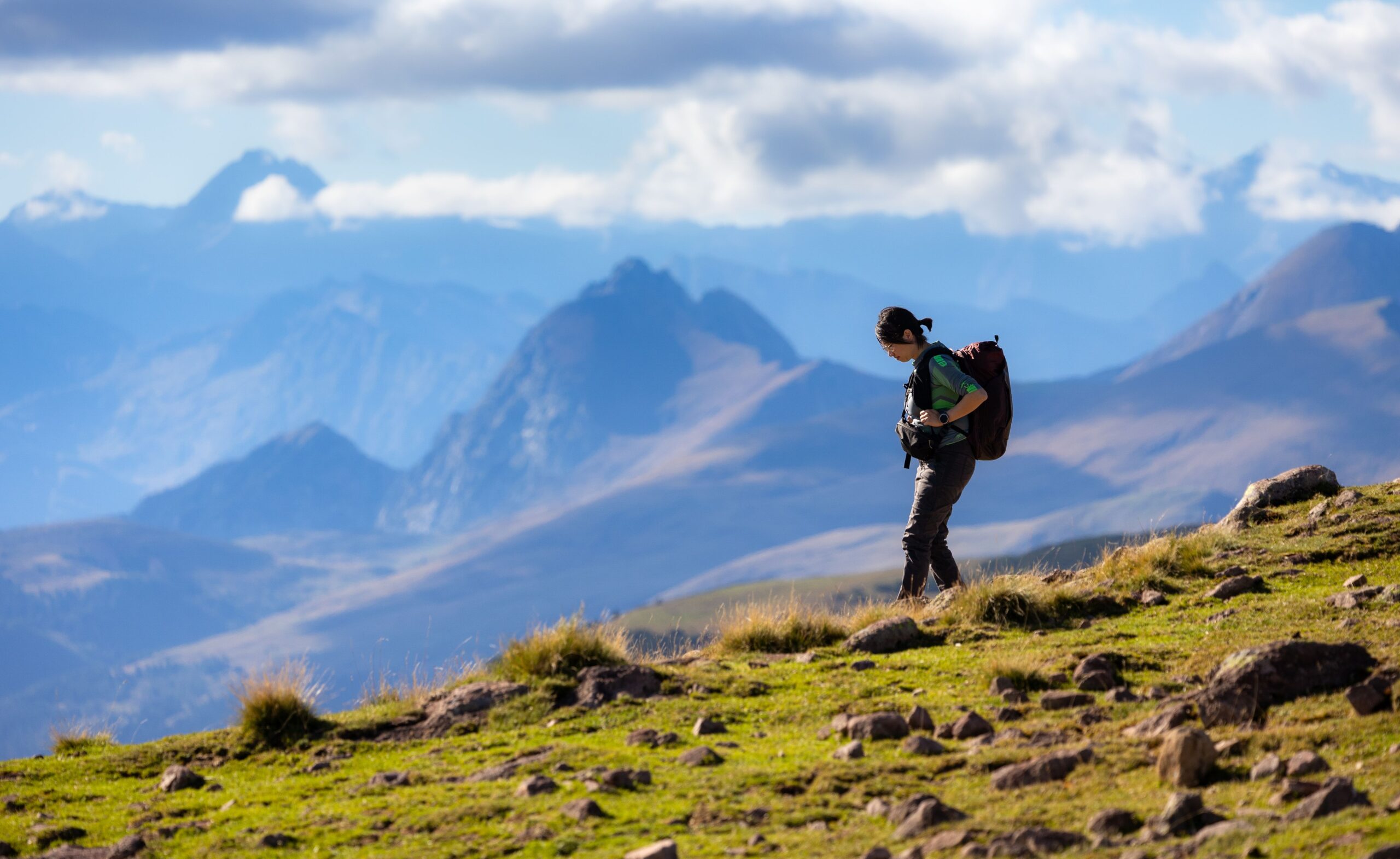
If you want a safe and enjoyable Kedarkantha Trek, a good trek leader matters as much as good trekking shoes. They are the person who keeps the group safe, reads the mountain, and makes the right call when plans need to change.
Many people book the trek after checking the price, snowfall photos, and campsite views. Very few stop and ask, “Who is leading my trek?” Yet that one question can make a bigger difference than the brand of jacket you pack. The Himalayas reward good decisions and punish careless ones. A skilled trek leader helps you make more of the first and less of the second.
Think about your first day in Sankri village. You have travelled for hours, you are excited, and all you want is to start walking. Your trek leader is thinking about something else. They are checking the weather, speaking with the local support team, confirming permits, and making sure every trekker is ready for the trail. Their work starts long before the first step and ends only after everyone reaches home safely.
Also read here about: Kedarkantha Solo Trek
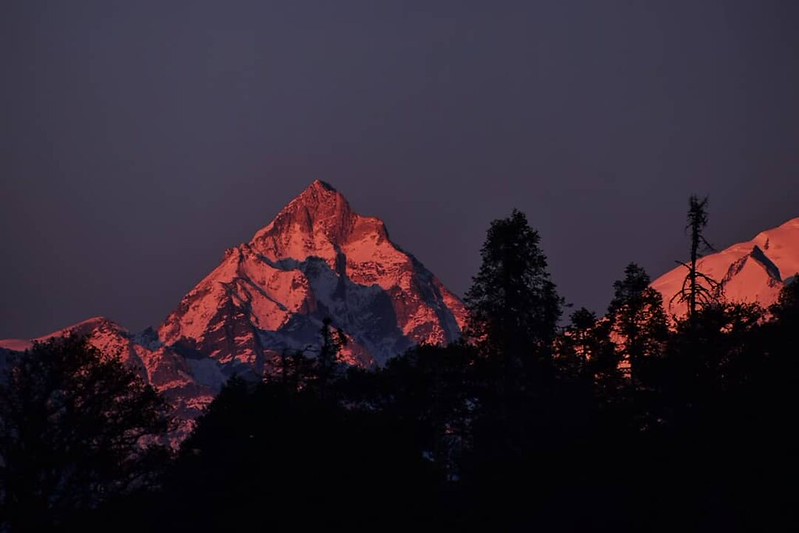
Kedarkantha Trek Leaders Role Responsibilities
The kedarkantha trek leaders role responsibilities go far beyond showing the trail. They plan each day, watch every trekker, manage risks, and keep the group moving at a safe pace. Most of their work happens quietly, which is why many people never notice it until something unexpected happens.
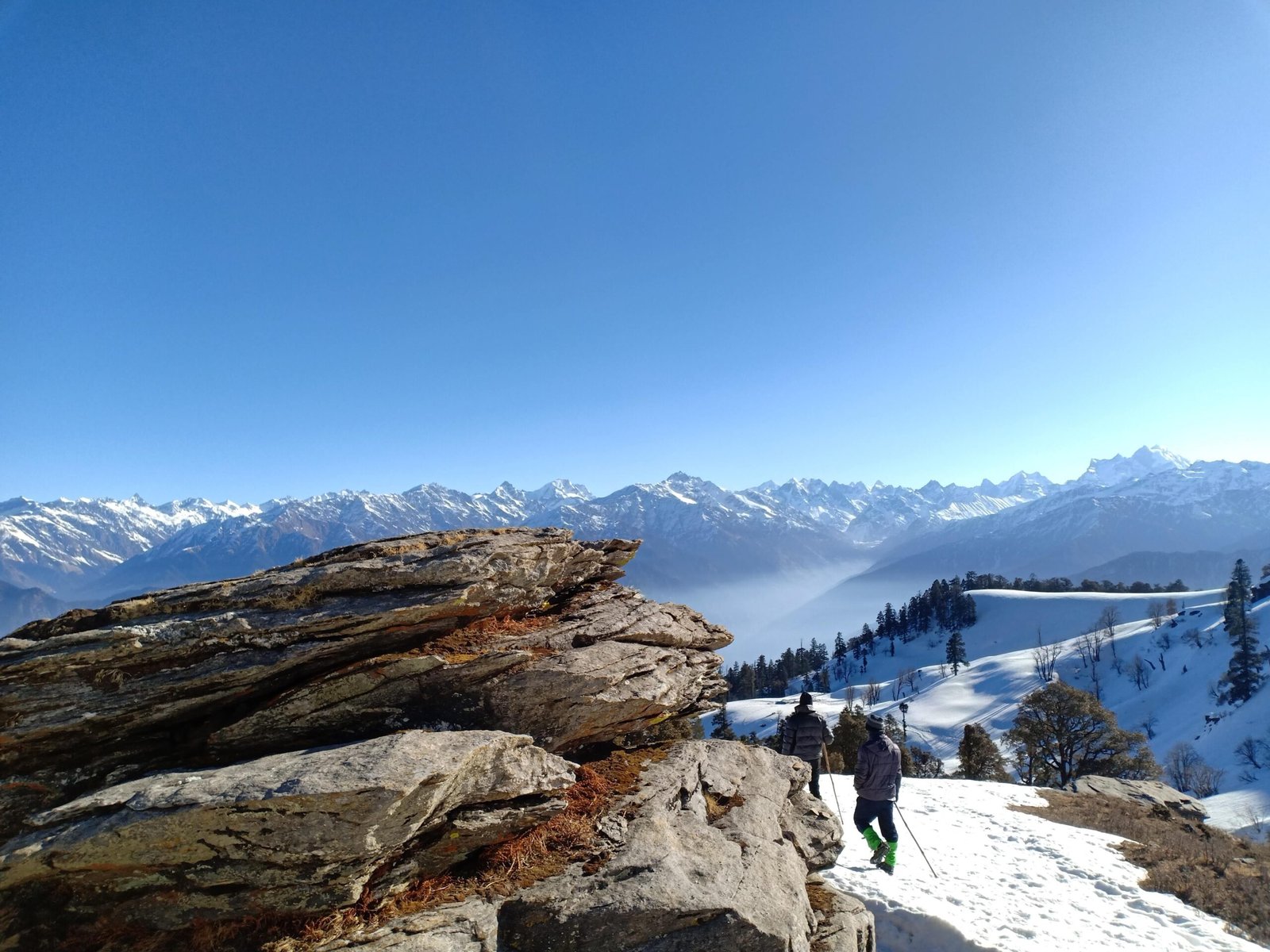
That is true, but beginner friendly does not mean risk free. The trail climbs from about 6,400 feet at Sankri to nearly 12,500 feet at the summit in four trekking days. That is enough altitude for some people to feel breathless, tired, or develop mild symptoms of Acute Mountain Sickness, even if they exercise every week.
This is exactly why experienced leaders never rush the group. You may feel strong and want to walk faster. Someone else may be struggling quietly at the back. A good leader notices both. They slow the pace when needed because reaching the summit means little if someone falls sick along the way.
Most reputed trekking companies appoint leaders who have completed recognised mountaineering courses like Basic Mountaineering Course (BMC) at NIM Uttarkashi, and advanced certifications like AMC, MOI, and Wilderness First Aid.
Also read: Kedarkantha with family & Kids
What Does a Trek Leader Actually Do?
Many first-time trekkers think the leader simply walks ahead while everyone follows. Spend one day in the mountains and you will realise that is only a small part of the job.
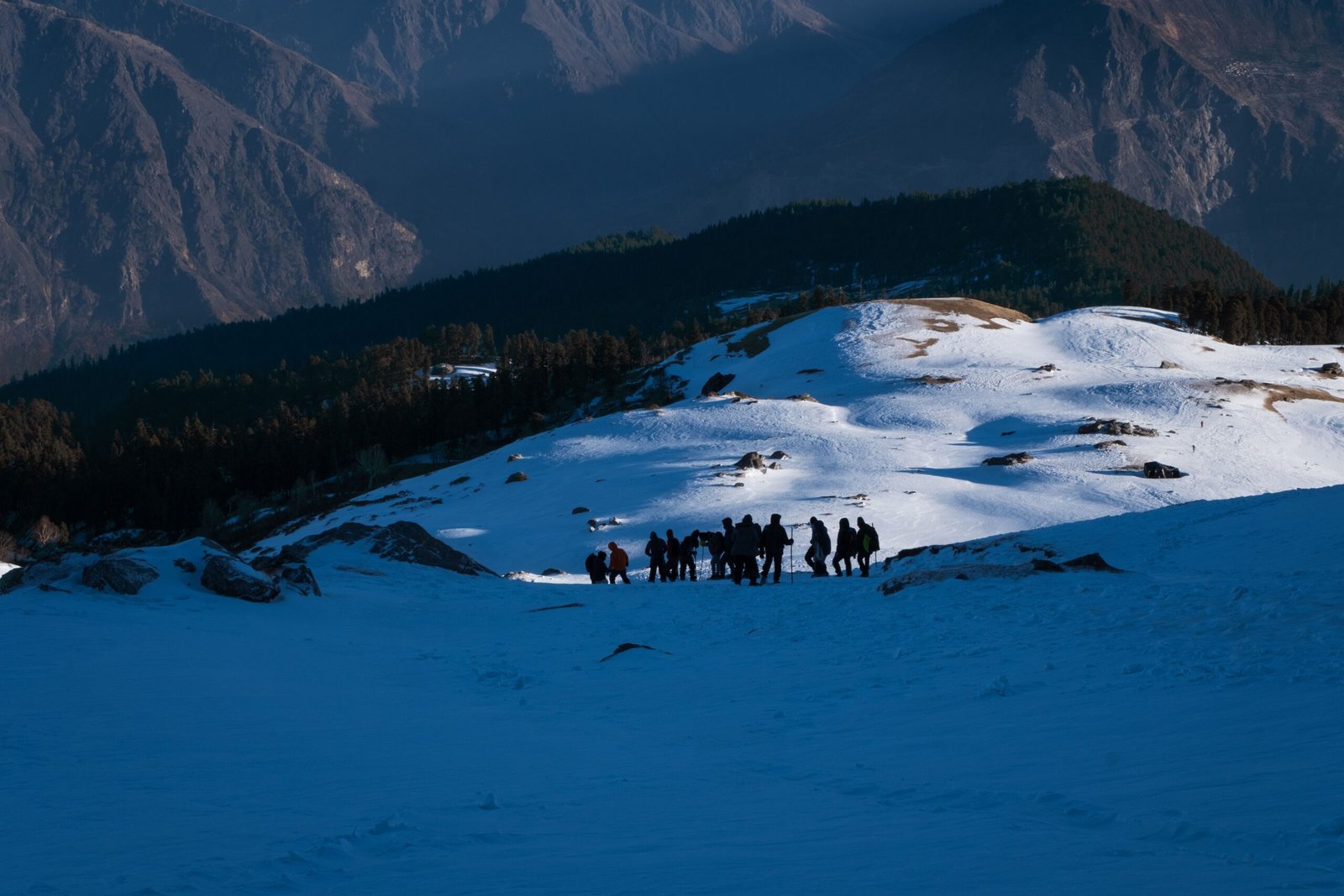
The role begins before anyone leaves Sankri. Your leader checks whether you have the best shoes for the Kedarkantha trek, whether backpacks fit properly, and whether everyone carries enough water. Small mistakes at the base often become big problems higher up. Once the trek begins, the leader watches the trail and people at the same time. Imagine guiding fifteen trekkers through snow while tracking weather changes and group energy levels.
During the trek, leaders:
- Maintain a steady group pace
- Choose safe rest points
- Monitor fatigue and AMS signs
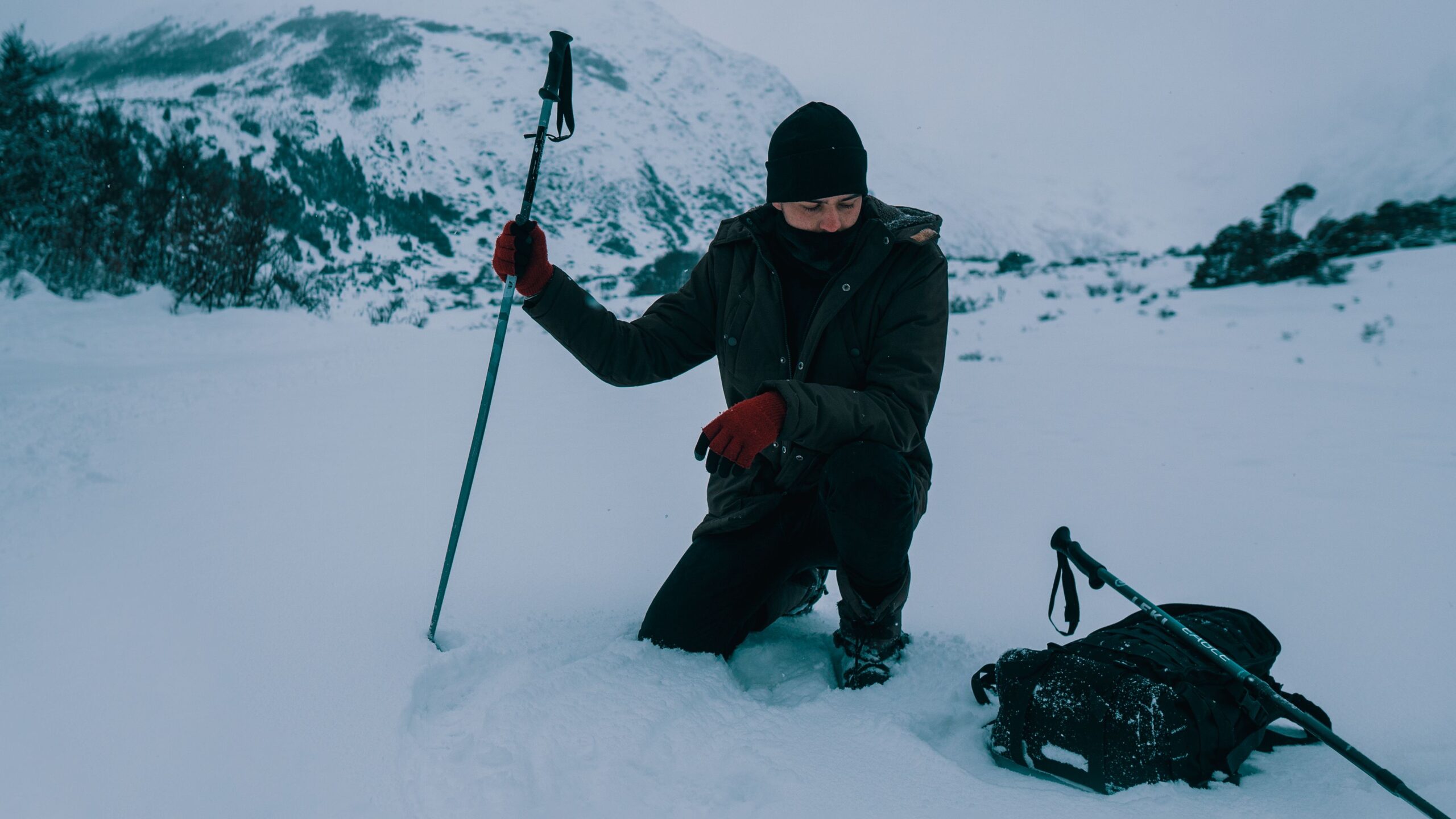
- Decide when microspikes are needed
- Adjust plans based on weather
At camp, the work continues quietly while trekkers rest. Preparation for the Kedarkantha summit day often begins the previous evening.
Why Do Trek Leaders Keep Asking You to Slow Down?
This is one question almost every beginner asks. You may feel fresh and wonder why the leader keeps saying “slow down.” The answer is simple. Your lungs do not care about excitement. At altitude, walking fast drains energy quickly. You breathe more, drink less water, and tire early. Leaders have seen this pattern hundreds of times. That is why they keep repeating one thing: steady steps win the mountain, not fast ones.
What Safety Gear Does a Trek Leader Carry?
Every item in a trek leader’s backpack has a purpose. Nothing is random.
Most leaders carry or manage:
- First aid kit
- Pulse oximeter
- Emergency oxygen cylinder
- Emergency blanket
- Navigation tools
- Headlamp with batteries
- Communication device
- Repair kit
- Emergency rope
This becomes critical in winter conditions. Snow can hide ice underneath, and simple slopes can become risky without grip. The leader decides when microspikes are needed instead of forcing everyone to wear them all day. Timing matters more than equipment itself.
How Trek Leaders Handle Altitude Sickness
One of the most important responsibilities is identifying altitude sickness on Kedarkantha trek early. Symptoms can appear in anyone, not just beginners or unfit trekkers. Fitness does not guarantee altitude response.
Leaders watch for:
- Headache that does not go away
- Loss of appetite
- Dizziness
- Extreme fatigue
- Breathlessness at rest
When needed, they slow the group, monitor oxygen levels, and sometimes decide descent. The summit is always optional. Safety is not.
What Happens If Someone Needs Help?
If someone gets unwell, the leader first provides immediate support and monitors the situation. If required, oxygen is used and the group moves down in a controlled way. Most descents follow the route back towards Sankri village, where road access is available for further medical help. This is part of standard planning, not panic response.
Good teams never rely only on mobile networks because coverage becomes unreliable as altitude increases.
What Trek Leaders Do Not Do
A trek leader guides, but they do not carry the trek for you.
You still need to:
- Carry your own backpack
- Drink enough water
- Wear proper layers
- Speak up when unwell
- Follow instructions
- Maintain group discipline
Silence is risky in the mountains. Even small discomfort matters.
How to Choose a Trek Operator with Good Leaders
Before booking a Kedarkantha trek package, ask about leadership quality, not just price.
Check:
- BMC certification
- Wilderness First Aid training
- Oxygen availability
- Group size ratio
- Emergency plan
- Support staff strength
Smaller groups usually mean better attention and safer decisions.
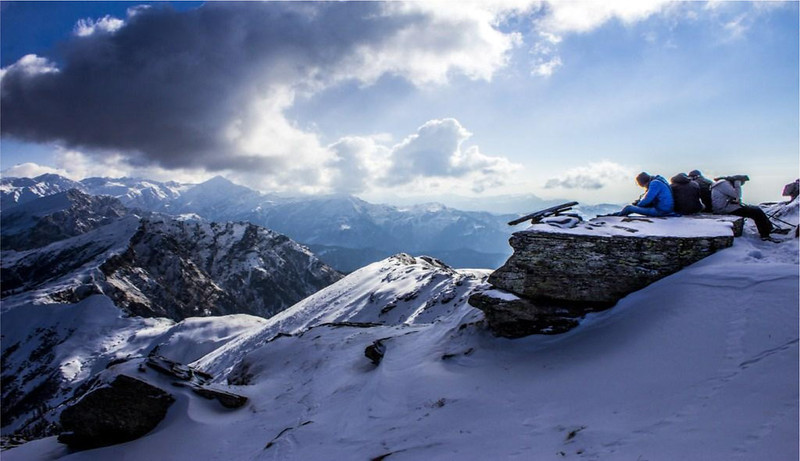
Why Great Trek Leaders Stay in Memory
People remember snow peaks, but they also remember the person who guided them there safely.
The leader who slowed the group before exhaustion.
The leader who noticed early sickness signs.
The leader who made the hard call to stop instead of pushing.
That is what defines the kedarkantha trek leaders role responsibilities. Not just reaching the summit, but ensuring everyone returns with the same smile they started with.
Because in the Himalayas, the mountain is not the only thing you climb. You also climb your own limits — and the right leader makes sure you don’t fall while doing it.