Beigh Sabeela

How Many Days for Kedarkantha Trek

Why Kedarkantha Is Called the Queen of Winter Treks

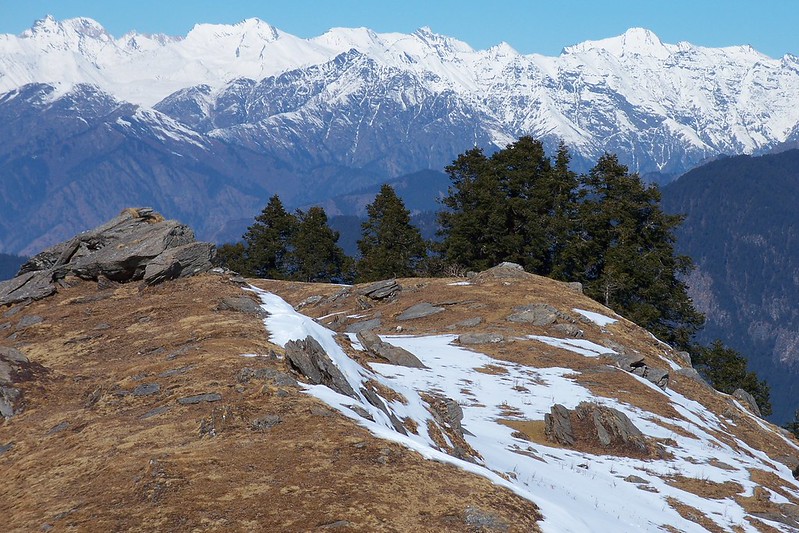
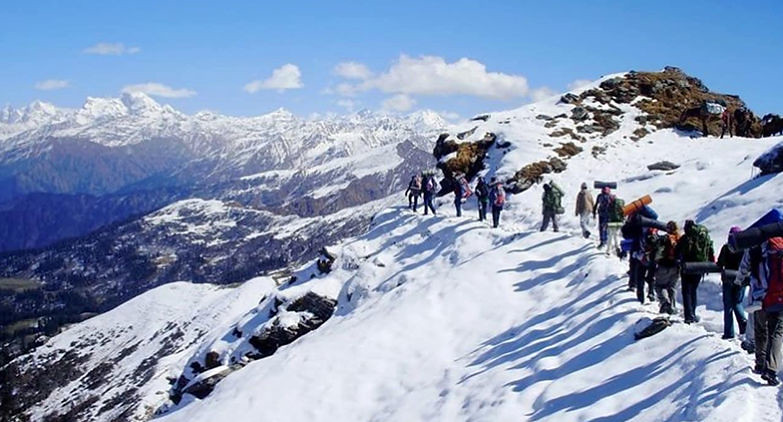
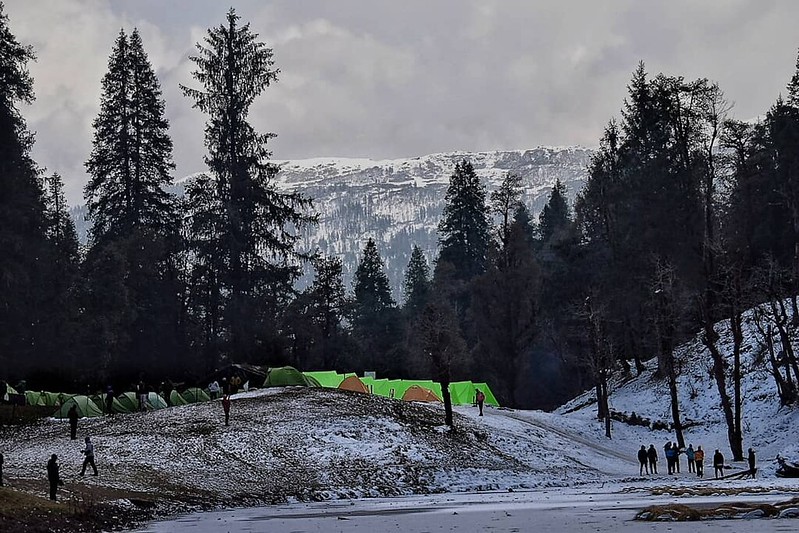
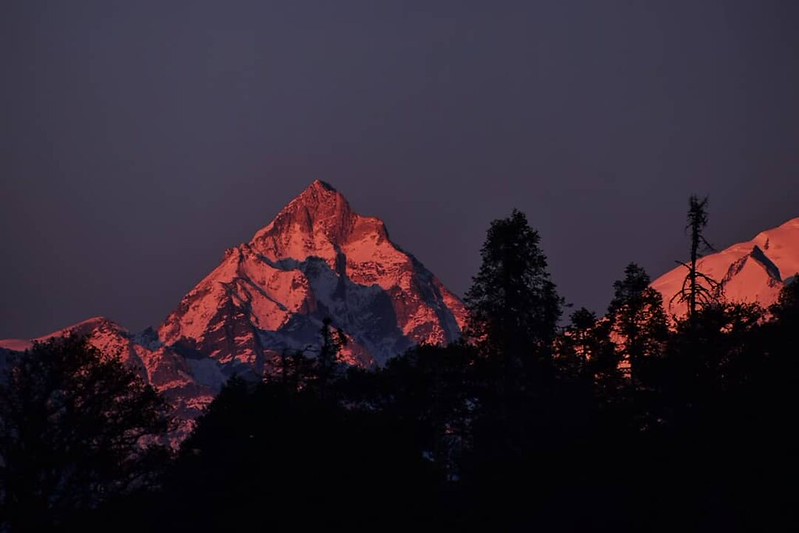
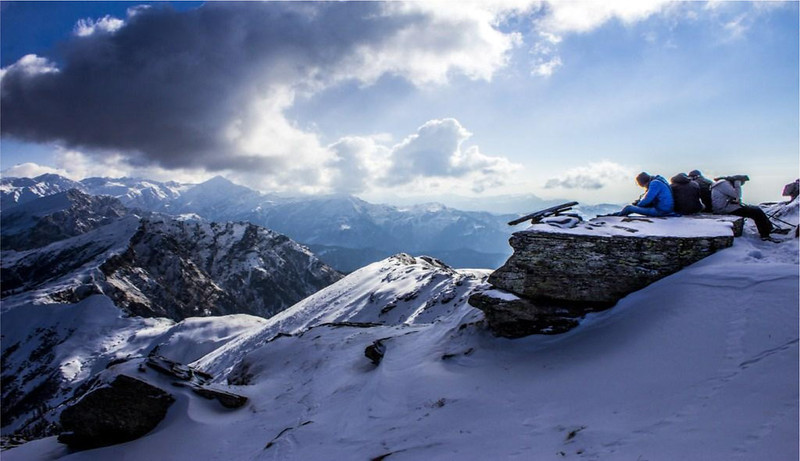
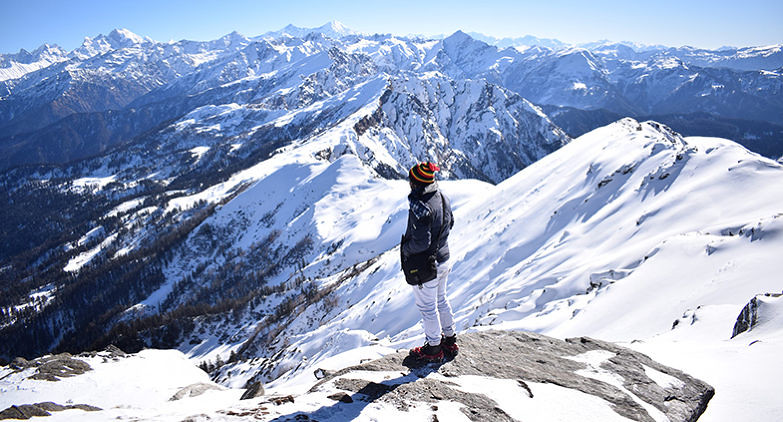
Kedarkantha is called the Queen of Winter Treks because it gives you snow, forests, mountain views, beautiful campsites, and a great summit, all in one trek that most beginners can do. Many winter treks in India have one special thing. Some have deep snow. Some have great views. Others have nice campsites. Kedarkantha has all of them. That is why thousands of people visit every winter. It is also why trekkers have called it the Kedarkantha Queen of Winter Treks for many years. If you are planning your first winter trek, this trail often comes up first. Once you see what the trek offers, it is easy to understand why. You can learn more about the complete Kedarkantha Trek experience before planning your trip. Also checkout: Kedarkantha Solo Trek Why Kedarkantha Is Famous as a Winter Trek in India When people ask why Kedarkantha famous winter trek India, they are really asking one thing. What makes it so special? The answer starts with snow. In many hill stations, you see snow only on faraway peaks. At Kedarkantha, you walk through it. Snow covers the trail, the forests, and the campsites. After a fresh snowfall, the whole mountain turns white. The trek also takes you through Govind Wildlife Sanctuary in Uttarakhand. This protected forest is full of pine and oak trees. In winter, these trees look beautiful with snow resting on their branches. Also read about: Our trek leaders on Kedarkantha Snowy Forests Make the Trek Feel Magical The forests are one of the biggest reasons people love this trek. As you walk higher, tall pine and oak trees stand on both sides of the trail. Fresh snow covers the ground below your feet. These famous Kedarkantha pine oak forests are one of the most loved parts of the trek. The path feels quiet and peaceful. Sometimes the only sound you hear is the crunch of snow as you walk. Many trekkers say this part of the trek feels like walking through a winter movie scene. Every turn brings a new view. One moment you are deep inside the forest. The next moment you are looking at snowy mountains far away. Juda Ka Talab Is One of the Highlights Almost every trekker remembers Juda Ka Talab. This small lake sits in the middle of the forest. During winter, it often freezes. Snow covers the ground around it, and the lake looks like a sheet of glass. Many groups camp near the lake. In the morning, the view is beautiful. The frozen water, white snow, and tall trees make the whole place look magical. There is also a local story linked to the lake. People say Lord Shiva dropped a few strands of his hair here while meditating. Some believe that is where the name Juda Ka Talab comes from. Whether the story is true or not, the place feels special. The Summit View Makes the Trek Famous The summit is the biggest reward of the trek. Kedarkantha stands at about 12,500 feet. The climb is not easy, but most beginners can do it with good preparation. When you reach the top, you understand why so many people love this trek. You can see snowy peaks in every direction. Some of the most famous peaks visible from Kedarkantha summit include Swargarohini, Bandarpoonch, Black Peak, Draupadi Ka Danda 2, and the Rupin Range. You can also see parts of the Har Ki Doon Valley. Many treks need much harder climbing to get views like this. Kedarkantha gives you these views without making the trek too difficult. The Sunrise From the Summit Is Worth the Effort Most summit days start very early. If you want to know what the climb feels like, read more about Kedarkantha summit day and what to expect before sunrise. Trekkers usually wake up around 2 or 3 in the morning. Headlamps light the trail as everyone walks slowly through the dark. At first, it feels cold and quiet. Then the sky starts to change. The dark blue sky slowly turns pink, orange, and gold. The first sunlight touches the snowy peaks. One by one, the mountains begin to glow. Many trekkers say this is their favourite moment of the whole trip. Photos look great, but standing there and seeing it with your own eyes feels very different. The Campsites Are Beautiful A great trek is not only about the summit. The campsites matter too. Kedarkantha has some of the best winter campsites in India. Places like Juda Ka Talab and Kedarkantha Base Camp look amazing after snowfall. At night, tents sit on fresh snow. Pine trees stand all around them. The air feels cold and clean. When the sky is clear, thousands of stars shine above the campsite. Many trekkers spend hours outside their tents just looking at the night sky, which is one reason the famous Kedarkantha night sky is loved by photographers and stargazers. What Does the Trek Route Look Like? The route is simple and easy to follow. If you want a detailed trail overview, check the complete Kedarkantha trek route map before your trip. Most groups follow this plan: Day 1: Drive from Dehradun to Sankri Day 2: Trek from Sankri to Juda Ka Talab Day 3: Trek to Kedarkantha Base Camp (11,250 ft) Day 4: Climb to Kedarkantha Summit (12,500 ft) and descend to Hargaon Camp Day 5: Trek back to Sankri Each day feels different. You walk through forests. You camp near snow-covered clearings. You climb to a summit. Then you enjoy mountain views all around you. That variety keeps the trek fun from start to finish. Is Kedarkantha Good for Beginners? Yes, it is one of the best winter treks for beginners. The trek is not easy, but it is not too hard either. If you can walk for 4 to 5 hours in a day, you can prepare for Kedarkantha. A few weeks of walking, jogging, and stair climbing can help a lot. Many people who have never trekked before

Why Kedarkantha Is Called the Queen of Winter Treks Read More »
kedarkantha trek

Kedarkantha Trek Digital Detox: No Network After Sankri, Why That’s Good

Yes, there is very little mobile network after Sankri. Most trekkers stay offline for almost the whole trek. This may sound like bad news at first. But many people later say it was one of the best parts of their trip. This break from screens is one reason why the Kedarkantha Trek is so popular with nature lovers. If you are planning the trek, you may be worried about phone signals. You may want to stay in touch with family. You may need internet for work. Or maybe you just want to know what to expect. The good news is that the network situation is simple. Once you know what to expect, you can prepare well and enjoy the trek without stress. Also checkout: The route & Trail Map Kedarkantha Trek No Network Coverage: What to Expect Sankri is the last village before the trek starts. This is the last place where you may get a phone signal. If you have never visited Sankri Village before, it is worth spending some time here before heading into the mountains. After Sankri, the network becomes very weak. In most places, it stops working completely. This is normal on many Himalayan treks. The mountains are far from big towns and cities. Phone towers are limited. Because of this, mobile signals are not reliable on the trail. If you need to make an important call, do it before leaving Sankri. Get the complete details on: Flora & Fauna of Kedarkantha Which SIM Card Works Best on the Kedarkantha Trek? Many trekkers ask this question before the trip. BSNL usually works better than other networks in this area. Airtel and Jio may work in some places, but the signal often comes and goes. Even BSNL is not perfect. Some days the signal is good. Other days it may be weak. Think of any signal after Sankri as a bonus. Do not depend on it. Mobile Network at Different Points of the Trek Many people want to know exactly where the network works. Here is a simple guide. Sankri You may get BSNL, Airtel, or Jio here. The signal can be weak at times, but this is your best chance to call home before the trek. Juda Ka Talab Most trekkers do not get any usable network here. Your phone may show a signal for a few moments, but it is not reliable. Many trekkers spend their first night near Juda Ka Talab and quickly realise how peaceful life feels without constant phone alerts. Kedarkantha Base Camp Network is usually not available here. Expect to stay offline. Before summit day, most groups camp at Kedarkantha Base Camp where the views are far better than anything on a screen. Kedarkantha Summit This is the interesting part. Some trekkers have reported getting a weak signal at the summit. A few people have even made calls. Still, this does not happen every day. The real reward of Kedarkantha Summit Day is the incredible mountain scenery waiting at the top. Return to Sankri You will usually get your network back once you return to Sankri. Checkout the complete guide on: Kedarkantha at 12,000 ft Electricity After Sankri Many people focus on phone signals and forget about charging. Sankri is also the last place where regular electricity is easy to find. After that, charging options are very limited. This is why carrying a power bank is a smart idea. Before leaving Sankri: Charge your phone fully. Charge your power bank. Download offline maps. Save important phone numbers. Download music or travel details if needed. Tell Your Family Before the Trek This step is very important. Many trekkers forget to tell their family about the network problem. Then family members start worrying when calls do not go through. Before starting the trek, tell your family that you may be out of network for a few days. You can also share: Your travel plan. Trek company details. Emergency contact numbers. Expected return date. This helps everyone stay calm. Sharing your Kedarkantha Trek Itinerary can make it easier for family members to know where you will be each day. Why No Network Can Be a Good Thing Now let’s talk about something most people do not expect. At first, being offline feels strange. You may check your phone again and again. Most of us do this without thinking. Then slowly, things change. You stop looking at your screen. You start looking at the mountains instead. You notice the tall pine trees. You hear birds in the forest. You see fresh snow shining in the morning sun. The beautiful Kedarkantha Pine Oak Forests are one of the highlights of the trek. These small things are easy to miss when your phone keeps pulling your attention away. Digital Detox Trekking Kedarkantha No Signal Sankri Experience Many people talk about digital detox these days. On the Kedarkantha trek, it happens naturally. There is no need to switch off your phone on purpose. The mountains do it for you. Without social media and messages, you have more time to enjoy the journey. You talk more with other trekkers. You laugh more around the campfire. You spend less time looking down and more time looking around. We have seen many trekking groups become close friends in just a few days. That happens because people spend time talking to each other instead of staring at screens. Better Sleep and Less Stress Many trekkers notice another benefit. They sleep better. There are no late-night reels. No endless scrolling. No work emails. No constant phone alerts. Your day becomes simple. You walk. You eat. You enjoy the views. You rest. After two or three days, many people feel more relaxed than they have in months. The mountains have a way of slowing life down. Spending a night under the famous Kedarkantha Night Sky makes this feeling even stronger. The Best Part of the Trek The summit view is amazing. The snow-covered trail is beautiful. The forests are peaceful. But for many

Kedarkantha Trek Digital Detox: No Network After Sankri, Why That’s Good Read More »

kedarkantha trek

Dehradun Pickup Point for Kedarkantha Trek: Prince Chowk Guide

If you are joining the Kedarkantha Trek from Dehradun, Prince Chowk is one of the most common pickup points. Most trek companies ask trekkers to report here between 6:00 AM and 7:30 AM, but the exact time depends on the operator. Many people search for the kedarkantha trek pickup Dehradun Prince Chowk location after booking their trek. They want to know where Prince Chowk is, how to reach it, and what happens after the pickup. The good news is that the process is simple if you plan ahead. This guide will help you understand everything about the pickup point so you can start your trek without stress. Also read here: Getting to the basecamp Where Is Prince Chowk in Dehradun? Prince Chowk is a busy road junction in Dehradun. It is close to Dehradun Railway Station, which makes it easy for trekkers arriving by train. Many trekkers stay in nearby hotels the night before their trek. This helps them avoid rushing in the morning. The area also has restaurants, ATMs, medical shops, and small stores. Because it is easy to find and easy to reach, many trek companies use Prince Chowk as their meeting point.  Read the complete guide on: Buffer day after the trek  What Is the Pickup Time for Kedarkantha Trek? One thing that surprises many trekkers is that there is no fixed pickup time for every company. Some operators start at 6:00 AM. Others may leave at 6:30 AM, 7:00 AM, or even 7:30 AM. That is why you should always check the final message from your trek operator before travelling. A few simple tips can help: Reach the pickup point 20 to 30 minutes early. Save the driver’s and coordinator’s number. Keep your phone charged. Confirm the pickup time one day before departure. It is always better to wait a few minutes than to miss the vehicle. How Far Is Prince Chowk from Dehradun Railway Station? This is one of the most common questions first-time trekkers ask. Here are the approximate distances: Dehradun Railway Station to Prince Chowk: about 1 km ISBT Dehradun to Prince Chowk: about 5 km Jolly Grant Airport to Prince Chowk: about 27 km Clock Tower to Prince Chowk: about 1 km You can easily take an auto-rickshaw from the railway station. The ride takes only a few minutes. If your train reaches early in the morning, keep extra time in hand because delays can happen. Why It Is Better to Reach Dehradun One Day Early Many experienced trekkers arrive in Dehradun one day before the trek starts. We also feel this is the best option if your schedule allows it. A long train or flight journey can leave you tired. If you arrive just before the pickup, you may feel rushed and stressed. Reaching a day early gives you time to rest. You can also buy any last-minute items that you may have forgotten. Starting a mountain trek with a fresh mind always feels better. Read more about: How to reach Kedarkantha Trek  Prince Chowk to Sankri Route and Distance After the pickup, the group travels to Sankri. Sankri is the base village for the Kedarkantha Trek. The usual route is: Dehradun → Nainbagh → Purola → Mori → Netwar → Sankri The distance is around 190 to 200 kilometres. The journey usually takes 8 to 10 hours. The exact time depends on traffic, weather, and road conditions. As the road climbs higher, you will see forests, rivers, mountains, and small villages. For many trekkers, this drive is one of the best parts of the trip.  Learn more about Sankri Village before you arrive there. What Vehicles Are Used for the Transfer? The vehicle depends on the number of trekkers in the group. Most operators use: Tempo Traveller Bolero Innova Similar SUVs Large groups often travel in Tempo Travellers. Smaller groups may travel in SUVs. The roads in the mountains can be narrow, so operators choose vehicles that can handle these routes well. What Happens at the Pickup Point? The pickup process is usually easy. You reach the meeting point, meet the trek coordinator, and load your bags into the vehicle. Some operators also give a short briefing before the journey begins. The process usually looks like this: Reach Prince Chowk before the reporting time. Meet the trek coordinator. Verify your booking details. Load your luggage. Start the drive to Sankri. What If You Miss the Pickup? Missing the pickup can make your trip more difficult, but it does not always mean you will miss the trek. If you are running late, call your trek operator right away. They may guide you to another meeting point or ask you to travel directly to Sankri. You may have to use: A private taxi A shared taxi Local transport This can cost extra money, which is why reaching early is always a smart choice. Mobile Network and ATM Availability Many trekkers also ask about phone signals and cash. As you move deeper into the mountains, network coverage becomes weaker in some places. In general: Jio works best in Sankri. BSNL works in many areas. Airtel may work in some places. Network quality can change at any time, so it is wise to inform your family before the trek starts. It is also a good idea to carry some cash from Dehradun because ATM options become limited on the route. Get the complete guide to: shopping in Sankri. Things to Carry During the Drive The journey to Sankri is long. Keep important items in your daypack instead of your main backpack. Useful items include: Water bottle Power bank Snacks Sunglasses Personal medicines ID proof Warm jacket Mobile charger Many trekkers keep these items deep inside their bags and then struggle to find them during the journey. Keeping them close makes the trip much easier.  Read here about Kedarkantha Trek Packing List 2026 before you leave home. Winter Tips for Kedarkantha Trekkers Most people visit Kedarkantha during the snow season from December to February.

Dehradun Pickup Point for Kedarkantha Trek: Prince Chowk Guide Read More »

kedarkantha trek

Kedarkantha Trek Eligibility: Age, BMI, Fitness & What’s Required

The Kedarkantha trek eligibility criteria are simple. If you are healthy, can walk for a few hours, and have a basic fitness level, you can usually do this trek without any problem. Many people think Himalayan treks are only for athletes. That is not true. Every year, students, office workers, families, and senior citizens complete the Kedarkantha Trek. Some are first-time trekkers who have never seen snow before. Still, the mountains ask for some preparation. The trail has steep climbs, cold weather, and long walking days. It is much better to know if you are ready before you book the trek. Also read about the: the fitness & difficulty guide Kedarkantha Trek Eligibility Criteria: What You Need to Know The main reason for checking eligibility is safety. The Kedarkantha summit is around 12,500 feet above sea level. At this height, the air has less oxygen. Even a short climb can make you breathe faster.This does not mean the trek is very hard. It simply means your body should be ready for a few days of walking in the mountains. If you prepare well, the trek becomes much more enjoyable. That is why trek organisers check age, fitness, and health before accepting participants. Is There a Kedarkantha Trek Age Limit? One of the most common questions is about age. There is no fixed age limit for the trek. Most trekking companies allow children and older adults if they are fit enough for the journey. As a general guide: Children below 7 years are usually not advised. People between 8 and 60 years can do the trek comfortably. Adults above 60 years can join if they are active and healthy. Senior citizens should speak to their doctor before the trek. Families planning a Himalayan adventure together may also find this guide on the Kedarkantha trek for families and kids useful. We have seen children reach the summit with big smiles. We have also seen people in their sixties walk steadily and enjoy every step. Fitness is usually more important than age. Kedarkantha Trek Age Limit BMI Fitness Requirements Many trekkers also ask about BMI. BMI stands for Body Mass Index. It is a simple way to compare your weight with your height. Trek companies use it as a rough guide to understand your fitness level.A BMI between 18.5 and 30 is usually considered suitable for the trek. But BMI is only one part of the picture. A person with a slightly higher BMI who exercises often may do better than someone with a lower BMI who rarely walks or plays sports. The mountain cares more about your fitness than your numbers. That is why the Kedarkantha trek age limit BMI fitness requirements should be seen as guidelines and not strict rules. How Fit Should You Be for Kedarkantha? Fitness is the most important part of the Kedarkantha trek eligibility criteria.  On most days, you will walk for four to six hours. Some sections are steep. Summit day feels harder because of the height and snow. A simple way to check your fitness is to ask yourself this question. Can you walk fast for one hour without feeling very tired? If yes, you are already on the right path. Before the trek, you should be able to: Walk 5 to 7 kilometres comfortably. Jog 3 to 5 kilometres without stopping often. Climb stairs for 10 to 15 minutes. Carry a small backpack while walking. Recover quickly after exercise. You do not need to be a marathon runner. You just need good stamina. Why Stamina Matters More Than Muscle Some people spend hours in the gym and think they are ready for any trek. Strong muscles help, but stamina is more important. The Kedarkantha trail tests how long you can keep moving. It does not test how much weight you can lift. People who walk, run, cycle, or swim regularly often do very well on the trek. Their heart and lungs are already used to working for longer periods. Strong legs are useful too. They help you climb uphill and walk safely on snow. But if you have limited time, focus more on building endurance. Health Conditions You Should Not Ignore Most healthy people can do this trek safely. Still, some health conditions need extra care. If you have any of these, talk to your doctor before booking: Heart problems Severe asthma Uncontrolled diabetes Serious breathing issues Recent surgery High blood pressure that is not under control Many people with health conditions complete Himalayan treks every year. The important thing is to get proper medical advice and be honest about your health. The mountains are not the place to take unnecessary risks. Learn about altitude sickness on Kedarkantha Trek before trekking at higher elevations. How to Prepare for the Trek The best time to start preparing is about one month before the trek. You do not need expensive equipment. You also do not need a personal trainer. Simple daily exercise works very well. Try this routine: Walk or jog for 30 to 45 minutes, five days a week. Climb stairs three times a week. Do squats and lunges for stronger legs. Stretch after every workout. Drink enough water and sleep well. Along with fitness preparation, make sure you follow a proper Kedarkantha trek packing list so you carry everything needed for cold mountain conditions. Small efforts done every day can make a big difference on the trail. Think of fitness like saving money. Every workout adds something to your account. When summit day arrives, you use those savings. Can First-Time Trekkers Do the Kedarkantha Trek? Yes, absolutely. Kedarkantha is one of the best beginner treks in India. Many trekkers consider it the best first summit trek in India because it offers a great balance of challenge and reward. The trail passes through beautiful pine and oak forests, snowy slopes, and beautiful campsites. On clear days, trekkers are rewarded with spectacular peaks visible from the Kedarkantha summit. The views are amazing, and the daily walking

Kedarkantha Trek Eligibility: Age, BMI, Fitness & What’s Required Read More »

Kotgaon Village The Hidden Gem That Starts the Kedarkantha Journey

Kedarkantha Summit Temples: Lord Shiva, Parvati & Ganesha at 12,500 Ft

Yes, there are temples at the Kedarkantha summit. At about 12,500 feet, you will find small shrines of Lord Shiva, Goddess Parvati, and Lord Ganesha. These temples are one of the most special parts of the trek. They add a deep cultural and spiritual touch to an already beautiful mountain climb. Most people come to Kedarkantha for the snow and mountain views. But when they reach the top, they find something they did not expect. Near the summit stands a small temple area dedicated to Lord Shiva and his family. The shrines are simple. There are no large buildings or grand gates. Yet many trekkers spend a few quiet minutes here before taking photos. After climbing for hours on the Kedarkantha Trek, the temples feel like a reward waiting at the top. Why Is It Called Kedarkantha? Many trekkers ask this question during the trek. The word “Kedar” is linked to Lord Shiva. The word “Kantha” means throat. This is why many local people connect the mountain with Shiva’s throat and call the summit shrine Shiva Ka Kanth. There are different stories about how the mountain got its name. The details change from village to village. But almost every story has one thing in common. Lord Shiva is at the centre of it. That is why Kedarkantha is more than just a trekking peak. For local people, it is also a sacred place. The Story of Bhim and Lord Shiva One popular story comes from the time of the Pandavas. People say the Pandavas were looking for Lord Shiva after the Mahabharata war. They wanted his blessings and forgiveness. One local story says Bhim helped build a place where Shiva could meditate. As the shrine was being built, a sacred sign appeared. Because of this sign, the work stopped before it was fully finished. Over time, local people began linking this story to the name Kedarkantha. Whether you see it as history or folklore, the story is still shared by many villagers today, especially in and around Sankri Village, the main starting point for the trek. Lord Shiva Parvati Ganesha Temple Kedarkantha Summit 12500 The Lord Shiva Parvati Ganesha temple Kedarkantha summit 12500 feet is not a large temple complex. Instead, you will find small shrines near the highest point of the trek. Most trekkers reach here on their Kedarkantha Summit Day, often just after sunrise. The main deities worshipped here are: Lord Shiva Goddess Parvati Lord Ganesha There is also a trident near the shrine. During winter, snow often covers much of the temple area. This makes the place look even more beautiful and is one reason why the Kedarkantha Winter Trek attracts so many visitors every year. Many trekkers stop here to pray. Others simply sit quietly and enjoy the view. A Special Belief About Lord Ganesha Local people have many stories about Lord Ganesha. One belief says special prayers are offered during very dry summers to ask for rain. These customs have been passed down through generations. Mountain villages depend heavily on nature. Rain, forests, and good weather are important for daily life. The surrounding region is part of the famous Govind Pashu Vihar Wildlife Sanctuary, which has shaped local traditions for generations. That is why these traditions are still respected today. The Annual Fair at Kedarkantha The summit is not only important for trekkers.Every year, local people gather to honour the deities linked with the mountain. These celebrations have been part of village life for many years. Many visitors never hear about this side of Kedarkantha. Yet it helps explain why the summit means so much to local families. For them, this mountain is not just a tourist spot. It is part of their culture and faith. Can You Pray at the Summit Temple? Yes, you can. Most trekkers offer a simple prayer before heading back down. There is no strict process for visitors. Just remember a few basic things: Keep the area clean. Do not leave plastic behind. Respect local beliefs. Avoid loud music near the shrine. Carry all your waste back. These small steps help protect the mountain for everyone. What Makes These Temples Special? You can find temples in many places across India. But very few stand at 12,500 feet with views of the Himalayas all around. That is what makes the Kedarkantha summit temples Lord Shiva so memorable. They are simple, peaceful, and closely tied to local stories. When the morning sun lights up the snow-covered peaks, the whole summit feels magical. The prayer flags move in the wind. The mountains glow in shades of gold. Many trekkers carry cameras for Kedarkantha Trek Photography because sunrise at the summit is unforgettable. At that moment, it becomes easy to understand why people remember these temples long after the trek is over. Also read here about: Swargarohini peak Views From the Summit The temple area also offers some of the finest mountain views in Uttarakhand. On clear days, trekkers can see famous Himalayan summit panorama stretching across the horizon. Most trekkers spend a night at Kedarkantha Base Camp before the final climb. Along the route, they also pass the beautiful Juda Ka Talab, one of the most famous campsites on the trail. Also read here about: Bandanpoonch Peak FAQs Are there temples at the Kedarkantha summit? Yes. Small shrines of Lord Shiva, Goddess Parvati, and Lord Ganesha stand near the summit. Why is Kedarkantha linked with Lord Shiva? Local stories connect the mountain with Lord Shiva. The name itself comes from “Kedar” and “Kantha.” What is Shiva Ka Kanth? It is a local name used for the shrine of Lord Shiva at the summit. Can trekkers offer prayers at the temple? Yes. Visitors can pray respectfully and spend some quiet time near the shrine. Is the temple open in winter? Yes. Trekkers can visit the summit during the winter trekking season, though snow conditions may affect the trail. Before planning your journey, it is useful to check the Best Time to Visit Kedarkantha

Kedarkantha Summit Temples: Lord Shiva, Parvati & Ganesha at 12,500 Ft Read More »

Juda Ka Talab The Frozen Lake That Stops Every Trekker in Their Tracks

Kedarkantha Trek Offloading Porter: Should You Carry Your Own Bag?

If you are wondering whether you should use a Kedarkantha trek offloading porter or carry your own backpack, the simple answer is this: carry your own bag if you can do it comfortably, but use offloading if the weight may spoil your trek experience. Many first-time trekkers worry about this. Nobody wants to reach camp tired, with sore shoulders and an aching back.  The good news is that there is no right or wrong choice. The best option depends on your fitness, backpack weight, and what kind of trek experience you want. Also read about: Kedarkantha Trek Difficulty What Is a Kedarkantha Trek Offloading Porter Service? Offloading means your main backpack is carried by a porter or mule while you trek with a small daypack. Your daypack usually carries: Water bottle Snacks Rain jacket Gloves and cap Phone or camera Personal medicines Your main backpack goes directly to the next campsite. This is important to understand. During the day’s trek, you usually cannot access anything inside that bag until you reach camp. So before handing over your backpack, make sure you keep everything you may need during the day with you. Also read: Diamox for Kedarkantha  Porter vs Mule: What Is the Difference? Many trekkers think they are the same thing, but they are not. A porter is a local mountain worker who carries luggage on foot. A mule is an animal used to transport several backpacks between camps. On the Kedarkantha Trek, many operators use mules because they can carry multiple bags at once. Some operators use porters, while others use a mix of both depending on the season and group size. For most trekkers, the experience is the same. Your bag leaves camp in the morning and reaches the next campsite before you arrive. Should You Carry Your Own Backpack? For many people, the answer is yes. Kedarkantha is considered an easy to moderate Himalayan trek. The trail is suitable for beginners, and the daily walking distance is manageable. If your backpack weighs around 8 to 10 kg and you are reasonably fit, carrying your own bag is usually not difficult. There is also a special feeling that comes from carrying your own gear. When you reach the summit, you know you completed the journey using your own strength. Many trekkers remember that feeling long after the trek ends. When Does Offloading Make Sense? There are times when offloading is the smarter choice. You should seriously consider a Kedarkantha trek offloading porter service if: This is your first mountain trek. Your backpack weighs more than 10 kg. You have knee, shoulder, or back pain. You are carrying camera equipment. You have not trained before the trek. You are travelling with children or older family members. You want to enjoy the scenery without carrying extra weight. Using offloading does not make the trek easier in every way. You still walk the same trail and climb the same mountain. It simply reduces the load on your body. Also read about: Kedarkantha trek medical kit How Much Does Kedarkantha Offloading Cost? This is one of the most common questions trekkers ask. Most operators charge between ₹1,200 and ₹1,800 for backpack offloading for the entire trek. The exact amount depends on the company, season, and booking time. Some operators offer lower prices if you book in advance. Last-minute arrangements at Sankri can sometimes cost more, especially during the busy winter season. Prices change from year to year, so always confirm the latest cost with your trek operator before making a booking. Checkout the complete details on: Kedarkantha Trek Cost  What Is the Backpack Weight Limit? Most trek operators allow a maximum backpack weight of around 10 to 11 kg for offloading. If your bag exceeds the limit, extra charges may apply. Many operators also ask trekkers to use: A trekking backpack A waterproof backpack cover Proper luggage tags Hard suitcases, trolley bags, and loose luggage are usually not accepted for offloading. This is one reason why packing smart is so important. Following a proper Kedarkantha Trek Packing List can help you stay within the weight limit and avoid extra charges. Can You Book Offloading at the Last Minute? Sometimes yes, but it is not always guaranteed. During peak winter months, especially during the Kedarkantha winter trek season, porter and mule services can get fully booked. Many trek operators prefer advance notice so they can arrange transport and staff properly. As a safe rule, try to inform your operator at least one to two weeks before your trek. This gives enough time for arrangements and avoids last-minute stress. Do You Need to Carry All Your Travel Luggage? No. This is something many first-time trekkers do not know. Most trekkers leave extra luggage at Sankri Village before starting the trek. Guesthouses and trek operators usually provide a safe place to store bags that are not needed on the mountain. This means you only carry your trekking gear on the trail. A lighter backpack often removes the need for offloading altogether. If you still need gear before starting the trek, many trekkers use Trekking Gear Rental in Sankri instead of carrying extra equipment from home. The Environmental Side of Offloading This topic creates debate in the trekking community. Some trekkers prefer carrying their own backpacks because fewer mules on the trail can reduce pressure on mountain paths. Others feel offloading helps local people earn income and makes trekking accessible for more people. Our view is simple. If you can comfortably carry your own backpack, that is often the better choice. If carrying extra weight may affect your safety or enjoyment, using a porter or mule service is completely reasonable. The goal is to trek responsibly while respecting both the mountains and the local communities who support tourism. Hidden Benefits of Offloading Many people think offloading is only about reducing weight. In reality, it often changes the whole trekking experience. Without a heavy backpack, you can walk more freely. You may stop more often for

Kedarkantha Trek Offloading Porter: Should You Carry Your Own Bag? Read More »

Kedarkantha Trek in Summer

Shopping in Sankri: Wooden Handicrafts & Souvenirs After Kedarkantha

If you are wondering what to buy in Sankri after the Kedarkantha Trek, look for wooden handicrafts, Ringal bamboo products, local herbal tea, woollen items, and traditional village souvenirs. Most trekkers spend days thinking about the climb. They plan their bags, book transport, and dream about the summit view. Then the trek ends, and a new question comes up. Should you take something home from Sankri, gateway to the treks? Our answer is yes, but choose something local and meaningful. Sankri is not a big tourist town. You will not find large markets or branded shops here. The village is small, simple, and peaceful. That is exactly why shopping here feels different from shopping in popular hill stations. Read here: About Sankri Village What Is Shopping Like in Sankri? Many people expect a busy market when they reach Sankri. The reality is much simpler. Sankri Village has a small market area near the guesthouses, homestays, and trek meeting points. You can walk through most of the shops in about 10 to 15 minutes. The shops are small, but they often sell products made by local families. Some items come from nearby villages. Others are handmade in the region. This is what makes shopping in Sankri special.  Also read about: Katagaon Village Sankri Shopping Souvenirs Wooden Handicrafts You Should Buy The best souvenirs are the ones that remind you of your journey. You do not need to spend a lot of money. Even a small handmade item can become a lasting memory of your trek. Popular things to buy in Sankri include: Wooden carvings Handmade keychains Ringal bamboo baskets Woollen caps Woollen gloves Local herbal tea Handmade bracelets Decorative wooden pieces Traditional village souvenirs Local food products Most of these items are light and easy to carry back home. Wooden Handicrafts Are the Most Popular Choice Wooden handicrafts are among the most common items sold in Sankri. The villages around this region have a long history of wooden homes and temples. Local craftsmen use similar skills to create small decorative items and souvenirs. You may find carved animals, village scenes, wall hangings, or small handmade gifts. Some pieces are simple. Others have detailed work that takes many hours to complete. When you buy one, you are not just buying a souvenir. You are supporting local craftsmanship that has been part of mountain life for generations. Many of these traditions are linked to the forests and natural heritage described in the guide to the flora and fauna of Kedarkantha. Ringal Crafts: A Local Hidden Gem Many trekkers walk past Ringal products without knowing their story. Ringal is a type of mountain bamboo found in Uttarakhand. Local families use it to make baskets, trays, storage boxes, and decorative items. These products are strong, useful, and eco-friendly. If you want something that feels truly local, Ringal handicrafts are often a better choice than mass-produced souvenirs. They also make great gifts for family and friends. What to Buy in Sankri Village Kedarkantha Besides Handicrafts Not every souvenir has to sit on a shelf. Some of the most authentic things you can take home are local food products. Look for: Herbal tea Mandua (finger millet) flour Local red rice Traditional mountain spices These products give you a taste of village life long after your trek is over. Many visitors enjoy taking home herbal tea because it is easy to pack and useful every day. If you enjoyed exploring the region, you may also like reading about the Govind Pashu Vihar Wildlife Sanctuary that surrounds much of the area. How Much Do Souvenirs Cost in Sankri? Prices are usually reasonable. You are shopping in a small mountain village, not a large tourist market. Item Approx Price Wooden keychain ₹50–₹150 Small wooden carving ₹200–₹800 Woollen cap ₹200–₹500 Herbal tea pack ₹100–₹300 Ringal basket ₹300–₹1500 Handmade souvenir ₹100–₹1000 Prices can change based on size, quality, and season. Remember that handmade products take time and effort to create. Should You Shop Before or After the Trek? Most trekkers should shop after the trek. Before the trek, you are busy with preparation. You also do not want extra weight in your backpack. Checking a good Kedarkantha Trek packing list beforehand can help you save space for souvenirs later. After completing Kedarkantha, you can walk around Sankri at a relaxed pace. You can compare products, talk to shop owners, and choose something you really like. The experience feels much more enjoyable. Cash or UPI in Sankri? This is a common question. Many shops now accept UPI payments when the network is working properly. Still, mountain connectivity can be unpredictable. We always suggest carrying some cash. A few hundred rupees in cash can save you from problems if the internet stops working. It is a simple step that makes shopping easier. The same advice applies if you are arranging trekking gear rental in Sankri. Tips for Buying Wooden Handicrafts Wooden products can last for many years if you choose carefully. Take a close look before buying. Check for cracks, weak joints, or damage from moisture. Keep these tips in mind: Choose lightweight items if you are travelling far. Check the finish and carving quality. Ask if the item is handmade. Pack fragile items carefully. Carry a small cloth bag for protection. A little care can help your souvenir reach home safely. If you are travelling during snow season, make sure you also carry the best shoes for Kedarkantha Trek and other essential gear. Is Shopping in Sankri Worth It? If you are expecting a large shopping market, you may feel disappointed. If you want a small piece of local culture, you will probably enjoy it. The best part of shopping in Sankri is not the number of products. It is the connection behind them. Many items come from local families who depend on tourism and trekking seasons for income. Your purchase supports the people who help make the Kedarkantha experience possible. This is one reason why Sankri is known as the gateway

Shopping in Sankri: Wooden Handicrafts & Souvenirs After Kedarkantha Read More »

Juda Ka Talab The Frozen Lake That Stops Every Trekker in Their Tracks

Road Trip to Kedarkantha: Mussoorie, Mori, Netwar & the Yamuna Drive

The best Dehradun Sankri road trip stops are Mussoorie, Nainbagh, Purola, Mori, and Netwar. The drive takes about 8 to 10 hours and covers around 200 km before you reach Sankri, the starting point of the Kedarkantha winter trek. Most people think the trek begins at Sankri. We see it a little differently. The journey starts the moment you leave Dehradun. This road trip is one of the best drives in Uttarakhand. You pass through hill towns, river valleys, pine forests, and small villages. Every few hours, the view changes. That is what makes this route special. If you are planning Kedarkantha, do not rush straight to reaching Sankri. Some of the best memories come from the road itself. Dehradun Sankri Road Trip Stops Overview Here is a quick look at the route. Stop Distance from Previous Stop Drive Time Why Stop Here Mussoorie 35 km 1.5 hrs Breakfast and mountain views Nainbagh 30 km 45 mins Tea break and river views Purola 50 km 1.5 hrs Fuel, ATM and supplies Mori 30 km 1 hr Tons River and photos Netwar 25 km 45 mins Last major stop before Sankri Sankri 12 km 30 mins Base camp for Kedarkantha The route follows Dehradun → Mussoorie → Nainbagh → Naugaon → Purola → Mori → Netwar → Sankri. This is the popular Mussoorie Mori Netwar Yamuna Tons River Kedarkantha route that most trekkers use.  Also read here about: Best train from Delhi to Dehradun Stop 1: Mussoorie Mussoorie is the first big stop on the drive. Many trekkers stop here for breakfast. A hot cup of tea and fresh parathas taste even better when the air is cool and the hills are all around you. Try to leave Dehradun early in the morning. This helps you avoid traffic in Mussoorie. If you are travelling on a weekend, do not spend too much time near Kempty Falls. The traffic there can slow you down a lot. A stop of 30 to 45 minutes is enough for most travellers. Stop 2: Nainbagh After Mussoorie, the road heads down towards Nainbagh. This is where the drive starts to feel quieter. The crowds disappear. The hills open up. You also get your first good views of the Yamuna Valley. There are small tea stalls and local eateries here. Many drivers stop for a short break before continuing. Spend 15 to 20 minutes here. Stretch your legs and enjoy the view. Stop 3: Purola Purola is one of the most useful stops on the route. If you forgot to pack snacks, medicines, batteries, or toiletries, this is the place to buy them. You will also find petrol pumps, ATMs, medical stores, and small restaurants. Many trekkers stop here for lunch. We always tell people not to skip Purola. Once you leave this town, the options become fewer as you get closer to Sankri.  Also checkout the guide on: Buffer day after the trek. Stop 4: Mori Mori is one of the prettiest places on the drive. The village sits beside the beautiful Tons River. Tall pine trees cover the hills around it. The sound of the river follows you almost everywhere. Most travellers stop here for tea and photos. Some spend a little extra time just sitting near the river and enjoying the calm. If you ask regular trekkers about their favourite stop, many will pick Mori. Photography lovers should also check out these tips for Kedarkantha trek photography before heading into the mountains. Stop 5: Netwar Netwar is the last major stop before Sankri. The road becomes more remote after this point. The forests grow thicker and the mountains feel closer. Netwar is also known as the gateway to the Govind Pashu Vihar Wildlife Sanctuary. Most trekkers pass through this village before reaching Sankri. When you reach Netwar, you know you are getting close to the mountains that make Kedarkantha so famous. The Final Drive to Sankri The road from Netwar to Sankri is short but beautiful. You pass small villages, thick forests, and mountain slopes. In winter, you may even spot snow along the route. Drive carefully here. The road is narrower than earlier sections. During winter and monsoon, conditions can change quickly. Many trekkers say this is their favourite part of the drive. Soon you arrive in Sankri Village, the main base for several famous Himalayan treks. Things to Know Before You Start A little planning makes the journey much easier. Start from Dehradun before 6 AM. Keep some cash with you. Download offline maps. Carry water and snacks. Fill fuel whenever possible. Keep warm clothes within reach. Avoid driving after dark. These simple steps can save you a lot of trouble later.  Suggested read: Kedarkantha trek from Dehradun Is the Road Safe? Yes, the road is safe for most travellers. Cars, SUVs, tempo travellers, and local buses use this route every day. The roads are fully motorable. During winter, snow can affect the final stretch near Sankri. During monsoon, landslides can sometimes slow traffic. Check local road conditions before you travel. FAQs How long does it take to drive from Dehradun to Sankri? The drive usually takes 8 to 10 hours. Which is the best stop on the route? Most people choose Mori because of the Tons River and peaceful views. Can I take my own car to Sankri? Yes. Most cars can reach Sankri during normal weather conditions.  Where should I buy last-minute supplies? Purola is the best place for fuel, cash, medicines, and snacks. Trekkers can also arrange trekking gear rental in Sankri if needed. Is this route good for first-time mountain travellers? Yes. The roads are well used, and the journey is easy if you drive carefully. You can also check the overall Kedarkantha trek difficulty level before planning your adventure. The Kedarkantha Trek may start in Sankri, but the feeling of being in the Himalayas begins much earlier. Somewhere between the Yamuna Valley and the quiet banks of the Tons River, the road itself becomes part of

Road Trip to Kedarkantha: Mussoorie, Mori, Netwar & the Yamuna Drive Read More »

Juda Ka Talab The Frozen Lake That Stops Every Trekker in Their Tracks

Har Ki Dun Valley View from Kedarkantha Descent: What You’ll Actually See

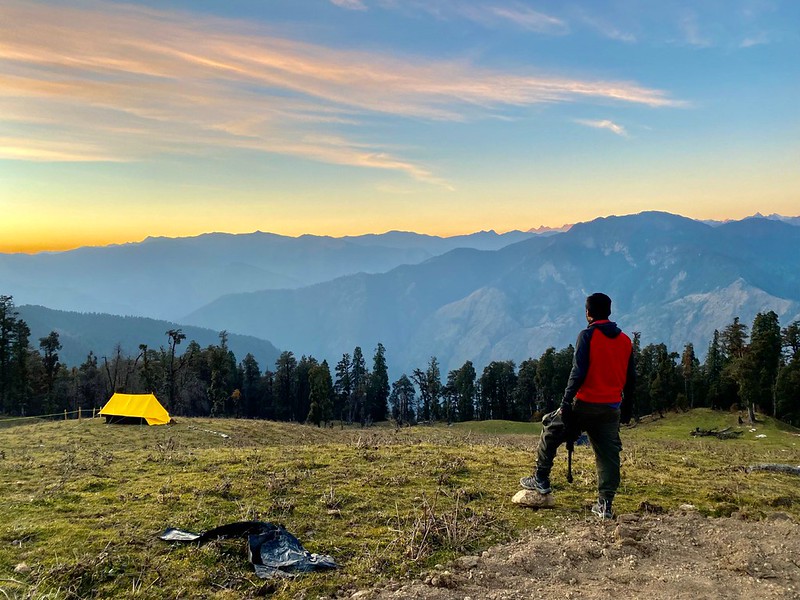
Yes, you can see parts of the Har Ki Dun region during the Kedarkantha descent. The best views usually come after you leave the summit and walk towards Hargaon and Juda Ka Talab. On a clear day, you can see famous peaks like Swargarohini, Bandarpoonch, and Black Peak (Kalanag), along with deep valleys, thick forests, and long mountain ridges. Most trekkers think the summit is the main highlight of the Kedarkantha Trek. The summit is beautiful, but many people are surprised by how good the views are on the way down. The descent gives you more time to enjoy the landscape and notice details that you may miss while climbing. Also read about the: Kedarkantha route map Can You See Har Ki Dun Valley from Kedarkantha? Yes, but you will not see the whole Har Ki Dun Valley spread out below you. What you see is the larger Har Ki Dun region. This includes nearby valleys, mountain ridges, forests, and some of the famous peaks connected to the area. Much of this landscape falls within the Govind Pashu Vihar Wildlife Sanctuary, one of the most important protected areas in Uttarakhand. This is why many trekkers search for the Har Ki Dun Valley view from Kedarkantha descent before planning their trek. They want to know if the views are worth it. The answer is yes. Why the Descent Gives Better Valley Views At the summit, most people are busy taking photos and enjoying the feeling of reaching the top. During the descent, things become quieter. You are not rushing anymore. The trail becomes easier, and you have more time to look around. The changing angle of the trail also helps. As you walk down, the valleys begin to open up. New ridges appear, and the mountains look different from every turn. Many trekkers say they spend more time looking at the scenery during the first hour of descent than they do at the summit itself. If you are curious about the complete summit experience, our guide to Kedarkantha Summit Day explains what to expect. Suggested read: Kedarkantha basecamp Where You Get the Best Views The Kedarkantha descent Har Ki Dun Valley view is not limited to one place. Different parts of the trail offer different views. Summit to Hargaon This is one of the best sections for mountain views. As you leave the summit, wide ridges stretch out in front of you. On clear days, Swargarohini stands tall in the distance. Bandarpoonch and Black Peak can also be seen from many points along the trail. You can also explore more mountains in our guide to the peaks visible from Kedarkantha summit. In winter, the snow-covered slopes make the whole scene look even better. This is one reason why the Kedarkantha winter trek is so popular. Hargaon Meadows Hargaon is a campsite that many trekkers remember for its open views. The meadows here give you a clear look at the surrounding mountains and valleys. There are fewer trees blocking the view, which makes it a great place for photos. If you stop here for a few minutes, you can really take in the size of the landscape. Also read: where is Kedarkantha Juda Ka Talab As you move closer to Juda Ka Talab, the scenery changes again. Tall pine trees line the trail. Through gaps in the forest, you can still see parts of the mountain ranges. These beautiful Kedarkantha pine and oak forests are one of the highlights of the trek. In winter, the frozen lake adds extra beauty to the area. This section feels peaceful and calm. It is very different from the open ridges higher up. Peaks You Can See Towards the Har Ki Dun Side Many trekkers want to know exactly which mountains are visible from Kedarkantha. Some of the most famous peaks include: Swargarohini (6,252 m) – The best-known peak in the Har Ki Dun region. Bandarpoonch (6,316 m) – A large snow-covered mountain. Black Peak or Kalanag (6,387 m) – One of the highest peaks in the area. Draupadi Ka Danda – A well-known peak visible on clear days. Rupin Valley ridges – Long mountain ridges that add depth to the view. Seeing these peaks helps you understand how large the Garhwal Himalayas really are. The Link Between Har Ki Dun and Kedarkantha Har Ki Dun and Kedarkantha are different treks, but they are part of the same mountain region. The journey to Kedarkantha starts from Sankri Village, often called the gateway to many famous Himalayan treks. If you are planning your visit, this guide to Sankri, Uttarakhand’s gateway treks can help. Har Ki Dun is often called the Valley of Gods. Local people connect this area with stories from the Mahabharata. Many trekkers visit Har Ki Dun because of both its beauty and its history. Villages like Osla still keep many old traditions alive. When you look towards the Har Ki Dun side from Kedarkantha, you are looking at a landscape that has been important to local people for hundreds of years. This makes the view feel even more special. Best Time to See Clear Valley Views The clearest views usually come during winter and late autumn. Cold air often means less haze. This makes the mountains look sharper and easier to see. For the best visibility: Trek between December and February for snow views. Visit in October or November for clear skies. Start early in the morning. Keep your camera ready during the descent. Check the weather before summit day. Many trekkers prefer the Kedarkantha trek in December or the Kedarkantha trek in January because visibility is often excellent. You can also check the complete guide on the best time to visit Kedarkantha Trek. Photography Tips Many trekkers save all their photos for the summit. That is a mistake. The descent gives you more variety. You can capture mountains, forests, meadows, and valleys in one section of trail. Good photo subjects include: Swargarohini in the morning light. Snow-covered ridges near the summit. Hargaon

Har Ki Dun Valley View from Kedarkantha Descent: What You’ll Actually See Read More »

Kedarkantha Winter Trek Why December & January Are Peak Months

Hargaon Base Camp Kedarkantha: A Simple Guide to This Forest Campsite

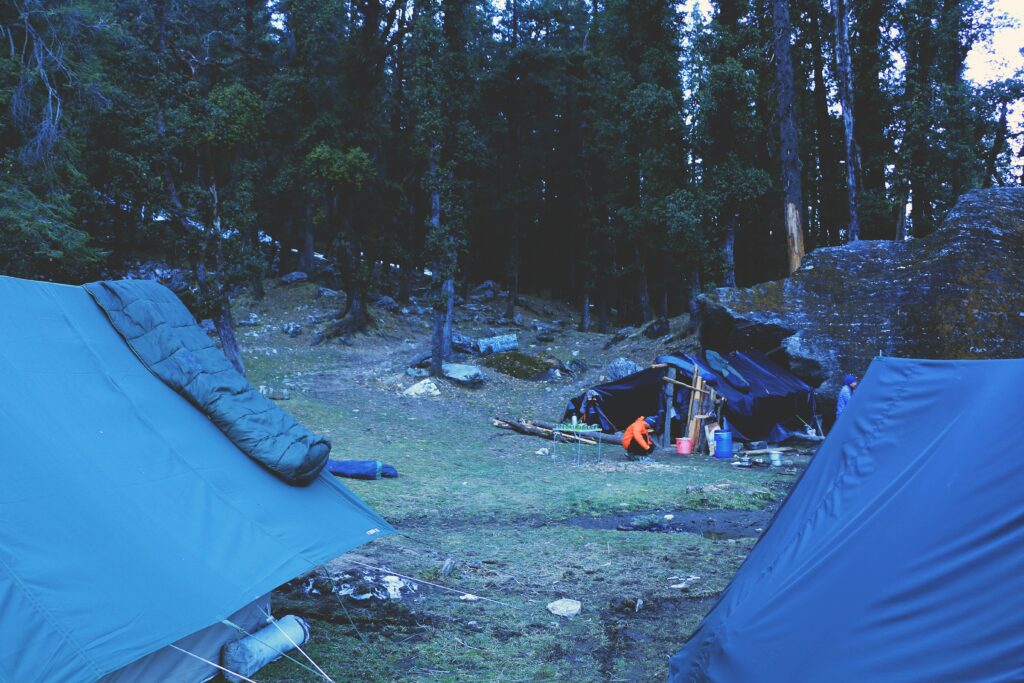
If you are trying to understand hargaon base camp kedarkantha, here is the simple truth. It is a forest campsite on the Kedarkantha trek inside the famous Kedarkantha Trek. It comes between Juda Ka Talab and Kedarkantha Base Camp. Trekkers pass through it on the way up and also on the way down. So it is not just a “base camp” or only a “rest stop after summit”. It is a normal part of the trek route that helps trekkers rest, eat, and sleep in the forest. When many trekkers reach here for the first time, they expect big views. But they mostly find tall pine trees, quiet air, and soft ground. And honestly, after a long walk, that quiet feels very good. This trek lies inside the beautiful Govind Pashu Vihar Wildlife Sanctuary, which is why the forest feels so deep and clean. Also read here about: The frozen lake Where Hargaon Sits on the Kedarkantha Trek The hargaon base camp kedarkantha is in Uttarakhand, inside a forest area near Sankri village. Sankri is the main starting point for this trek. It is around 2,600 to 2,650 metres high. It is higher than Sankri village but lower than Kedarkantha Base Camp. You will reach here in two ways: While going up the trek (after Juda Ka Talab) While coming down the trek (after summit and Base Camp) This is why people sometimes get confused. It is used in both directions. The place is full of oak and pine trees. The ground is mostly soft. The wind is less strong here compared to open snow areas. For most trekkers, the route starts after learning the how to reach Kedarkantha trek journey till Sankri. Distance and Time to Reach Hargaon To understand hargaon base camp kedarkantha, you should know how far it is on the route shown in the Kedarkantha trek route map. Simple details: From Kedarkantha Base Camp: about 2–3 km downhill From Juda Ka Talab: about 4–5 km walk Time taken: 1.5 to 3 hours The walk is not very hard, but you should still understand the Kedarkantha trek difficulty before coming. After summit day, your legs can feel tired. So it may feel longer than it looks. The path goes through forest. Sometimes there is snow in winter. In summer, it is mostly soil and leaves. Many trekkers first pass beautiful Juda Ka Talab before reaching this zone. What the Place Feels Like When you reach hargaon base camp kedarkantha, the environment changes a lot. You stop seeing open snow fields. Instead, you see trees all around you. It feels calm and quiet. You can hear birds and wind in the trees. There is less noise here. This forest is part of the rich Kedarkantha pine oak forests, which makes the air fresh and cool. After long trekking hours, many people sit down quickly and relax. Some drink tea. Some just rest their legs. This place is not about big views. It is about rest. Why Trekkers Stop at Hargaon The main reason hargaon base camp kedarkantha is important is simple. It helps trekkers rest safely. After climbing or coming down from the summit, your body feels very tired. Walking straight to Sankri or Base Camp is not always easy. So stopping here helps a lot. Main benefits: Gives your legs time to rest Makes downhill walking safer Helps groups move at a slow pace Gives time to eat and recover energy It also connects with how the full Kedarkantha trek itinerary is planned for safe pacing. How Hargaon Is Used in the Trek Plan On the Kedarkantha trek, this place is used in two ways. While going up: You walk from Juda Ka Talab You pass through forest paths You reach Hargaon and may stay here While coming down: You come back from the summit You rest at Base Camp You go down to Hargaon for the night So hargaon base camp kedarkantha is part of both directions.  What You See on the Way The route to hargaon base camp kedarkantha is full of trees. You will see tall pine and oak forests. In winter, snow covers the ground in patches. In summer, the forest looks green and brown. You may also see: Small open spaces in the forest Simple camping areas Birds and sometimes small animals Narrow walking paths There are no big mountain views here. But nearby peaks from the peaks visible from Kedarkantha summit route make the journey exciting overall. Why It Feels Special After the Summit After you climb Kedarkantha peak, your body feels very tired. Even walking becomes slow. That is when hargaon base camp kedarkantha feels very helpful. You do not need to rush here. You can sit, drink warm soup, and rest. It helps because: Your knees get rest from downhill walking You avoid long non-stop walking You get time to sleep before going to Sankri Your body recovers slowly and safely This becomes even more important in peak winter months like the Kedarkantha trek in December or Kedarkantha trek in January, when snow makes walking harder. Simple Things You Should Know Before you reach hargaon base camp kedarkantha, here are a few easy things to remember: Nights can be cold, even in forest Walking path can be slippery in snow There is no mobile network in most areas Camps are basic, not luxury Water and food are managed by trek teams Good preparation always helps. A proper Kedarkantha trek packing list makes your journey much easier. Also, winter conditions vary based on the best time to visit Kedarkantha trek. Common Mistakes Trekkers Make Many first-time trekkers make small mistakes here. Some of them are: Thinking this is the main base camp Walking too fast after summit Not drinking enough water Ignoring tired legs on descent Most of these mistakes happen when people do not understand the full how many days for Kedarkantha trek plan and push too hard on summit day. The best way is to walk slowly

Hargaon Base Camp Kedarkantha: A Simple Guide to This Forest Campsite Read More »