Beigh Sabeela

How Many Days for Kedarkantha Trek

Koti Banal Architecture: The Old Wooden Houses on the Kedarkantha Route

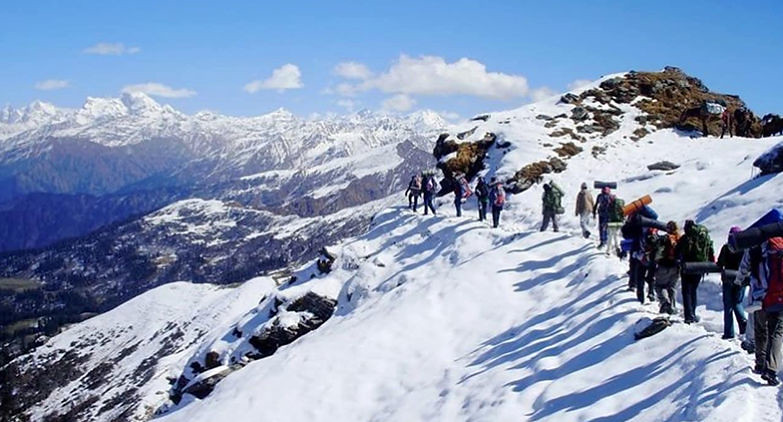
Kedarkantha Trek is not very hard, but it gives many small surprises. One of the biggest surprises is the old wooden houses you see in villages like Kotgaon. These homes are part of what people call kotgaon koti banal architecture, and they look simple, but they have a very smart design behind them. When you walk through these villages, you may first think they are just old houses. But if you look slowly, you will see they are built in a very careful way. These homes are strong, warm, and made to survive cold winters and earthquakes. Let us understand them in a simple way while also seeing how they connect with the larger experience of the Kedarkantha Trek route. kotgaon koti banal architecture and where it really comes from First, we should clear a small confusion. Koti Banal is not originally from Kotgaon. It comes from a village in Uttarkashi district in Uttarakhand. The name of this style comes from that place. But on the Kedarkantha route, especially near Kotgaon, you can still see houses built in a similar style. That is why people often say kotgaon koti banal architecture when talking about these homes. So remember this simple idea: Koti Banal is the old building style Kotgaon is a village where you see similar houses These homes are not just buildings. They are part of old mountain life you experience while passing through routes like Sankri village on the way to the trek. When you see them, you are seeing how people used to build homes using wood and stone to stay safe in harsh weather. Also read here about: Shopping in Sankri Why these wooden homes look special on the Kedarkantha route When you walk on the Kedarkantha trek, you mostly expect snow, trees, and mountains. But then you see these wooden houses, and they feel very different from city homes. The garhwal wooden homes koti banal style kedarkantha are made in a very simple but smart way. They fit nicely into the mountain land. I remember walking in Kotgaon in winter. The air was cold, and smoke was coming out of a small roof. An old wooden house stood quietly in the mist. It felt peaceful, like time had slowed down. These homes are part of the larger trekking belt of Trekking in Uttarakhand, where nature and village life stay very close. These houses are special because: They are made of wood and stone They have slanted roofs for snow They are built on stone bases They keep heat inside during cold weather They are close to each other for warmth and safety These homes are not built for beauty only. They are built for real life in the mountains. Also read: Where to stay in Sankri kotgaon koti banal architecture and how these homes are built The kotgaon koti banal architecture is very old and very smart. People did not use machines or modern tools. They used local wood, stones, and simple ideas from experience. The main idea is very easy to understand. These homes must stay strong during earthquakes and heavy snow. That is why builders used a mix of wood and stone. Here is how they are usually made: Strong stone base at the bottom Wooden walls above the stone base Slanted roof made of slate stones Small windows to keep warmth inside Strong wooden beams holding the structure This design helps the house stay safe in shaking ground and cold weather. These garhwal wooden homes koti banal style kedarkantha also reflect the natural surroundings of Govind Pashu Vihar Wildlife Sanctuary, where villages and forests exist side by side. How life inside these houses feels If you imagine going inside one of these homes, it feels warm and simple. People living here use every floor carefully. The lower part is often used for animals or storage. The upper floors are where families live, cook, and sleep. Life inside is very close to nature. Some simple things you may notice are: Food grains are stored for winter Firewood is kept inside the house Thick wool clothes are always used Animals may stay on the ground floor Families stay close during cold months This shows how kotgaon koti banal architecture is not just about houses. It is about how people live in the mountains. What trekkers should notice on the Kedarkantha route When you pass through Kotgaon, do not just walk fast. Take a small break and look around. These houses tell a story if you observe closely. You can also understand this better if you explore related experiences like Kedarkantha summit day or nearby village life. You can notice things like: Wooden beams joined without nails in old houses Stone paths made by years of walking Houses facing sunlight for warmth Slanted roofs made for heavy snow Small spaces between homes for safety These details of garhwal wooden homes koti banal style kedarkantha show how smart mountain life really is. Even a short stop can help you understand this better. Why kotgaon koti banal architecture is still important today Today, many new cement houses are being built in villages. They look modern, but they are not always better for mountain weather. Old kotgaon koti banal architecture is still studied because it works very well in hills. It keeps homes warm, safe, and strong. Even trekking experiences like Kedarkantha winter trek pass through regions where such traditional knowledge still matters. Even researchers study these houses to learn how people built earthquake-safe homes long ago. But for local people, it is very simple. It is just their home style passed from old times. That is what makes it special.

Koti Banal Architecture: The Old Wooden Houses on the Kedarkantha Route Read More »
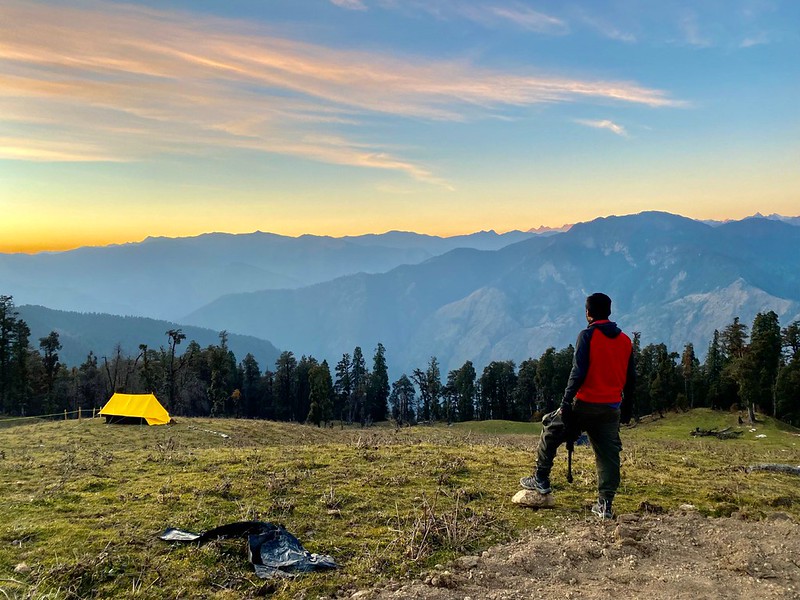
Juda Ka Talab The Frozen Lake That Stops Every Trekker in Their Tracks

Why Kedarkantha Is the Best First Summit Trek in India

Kedarkantha winter trek is one of the best first summit treks in India because it is easy for beginners and still gives a real mountain top feeling. You do not need hard training or climbing skills. Even if you have never done a trek before, you can still complete it with some basic fitness.  Many people ask one simple question before planning their first trek: “Can I really do this?” Kedarkantha answers this question in a very simple way. Yes, you can. It is a trek where you walk step by step, enjoy snow, sleep in camps, and finally reach a real summit. That is why so many beginners choose it for their first Himalayan adventure. Also read: The Queen Of Winter Trek What Makes Kedarkantha the Best First Summit Trek in India Kedarkantha is special because it gives you a real summit, not just a viewpoint. You actually climb to the top of a mountain. The height is about 12,500 feet. From the top, you can see big Himalayan peaks like Swargarohini and Bandarpoonch. The view feels wide and open, like the whole sky is in front of you. You can explore the surrounding region inside the Govind Pashu Vihar Wildlife Sanctuary. Many easy treks do not give a summit. But Kedarkantha does. That is what makes it different. Quick Facts About the Trek Here are some simple details you should know before planning: Height: Around 12,500 feet Days needed: 4 to 6 days Distance: Around 20 to 24 km Difficulty: Easy to moderate (check Kedarkantha trek difficulty) Base village: Sankri village in Uttarakhand Best time: December to April for snow (see best time to visit Kedarkantha trek) This trek is slow and steady. You climb a little every day, so your body gets used to the height.  Why Beginners Love This Trek Most first-time trekkers feel nervous before starting. That is normal. But Kedarkantha makes things simple and safe. The trail passes through forests and snow zones in the heart of Uttarakhand’s trekking region. It is one of the most popular routes in trekking in Uttarakhand. Some reasons beginners enjoy it: No rock climbing or ropes needed Safe and marked trail Small steps in height each day Friendly group environment Camps are already set up Many people also reach here through winter treks from Delhi. Also read here: Its gradual, beginner-friendly ascent What Summit Day Feels Like Summit day is the most special part of Kedarkantha. You start very early in the dark. You use a small torch called a headlamp. Everything is quiet. You only hear your steps in the snow. This climb is part of the famous Kedarkantha summit day experience. Slowly, the sky starts to change color. First it is dark blue. Then orange light spreads over the mountains. When you reach the top, you see big white peaks all around you. The air is cold, but your heart feels warm and happy. Kedarkantha vs Other Easy Treks There are many easy treks in India, but not all give a summit experience. Here is a simple comparison: Kedarkantha: Real summit + snow + great views Dayara Bugyal: Big meadows but no summit Triund: Easy but small mountain feel Brahmatal: Beautiful lake but longer trek  If you want your first real mountain top, Kedarkantha is the best choice. You can also compare it with Kedarkantha vs Chandrashila trek. The Journey from Sankri Your trek starts from a small village called Sankri, the base for all major routes. The drive from Dehradun takes many hours. Most trekkers check Kedarkantha trek from Dehradun and how to reach Kedarkantha trek before planning. Sankri is also explained in detail here: Sankri Uttarakhand gateway treks. From here, your trekking journey begins. Best Time to Go Kedarkantha looks different in every season. December to February: Full snow everywhere (Kedarkantha trek in December) January: Deep winter snow (Kedarkantha trek in January) March to April: Snow mixed with clear paths May to June: Green forests and clear skies Winter is also famous for the Kedarkantha new year trek 2026. Simple Fitness Needed You do not need to be very strong or sporty. But you should be able to walk for some time without getting tired. A simple preparation helps: Walk 30 minutes daily Light jogging if possible Climb stairs sometimes Drink enough water If you can walk 5 km easily, you are ready for this trek. You can also check gear help like best shoes for Kedarkantha trek and sleeping bag for Kedarkantha. Common Mistakes First-Time Trekkers Make Many beginners make small mistakes that can be avoided. Some of them are: Wearing heavy cotton clothes (see Kedarkantha packing list 2026) Ignoring forest terrain like pine oak forests of Kedarkantha Not drinking enough water Carrying too much luggage Ignoring cold weather You can also rent gear in Sankri using trekking gear rental in Sankri. Things You Should Think Before Going Before you book the trek, ask yourself: Do I want to see snow mountains? Can I walk for a few hours daily? Am I okay with cold nights in tents? If yes, Kedarkantha is a great choice. Quick points: Safe for beginners Short but exciting trek Real summit experience Beautiful winter views (see Kedarkantha winter trek) Clear route map available here: Kedarkantha trek route map

Why Kedarkantha Is the Best First Summit Trek in India Read More »

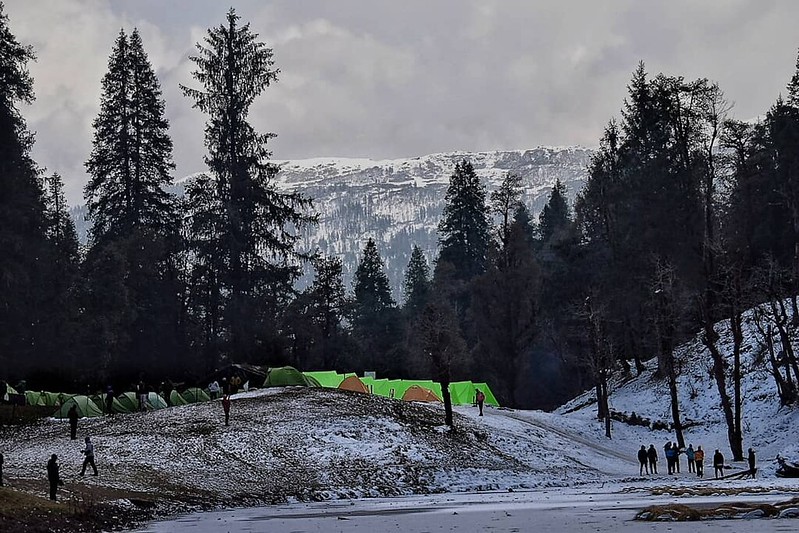
Juda Ka Talab The Frozen Lake That Stops Every Trekker in Their Tracks

Best Treks in December India 2026: 10 Winter Treks Open for Snow, Views & Adventure

If you are looking for the best options for trekking in December India, this is one of the best times to head into the mountains. December brings fresh snow, clear skies, fewer crowds, and beautiful views across many trekking trails in Uttarakhand and other parts of India. Some people want their first snowfall. Others want a short winter getaway. A few want a tough mountain challenge. The good news is that India has a December trek for every type of traveller. The biggest mistake people make is choosing a trek only because it is famous. The better way is to choose a trek that matches your fitness, the amount of snow you want to see, and the number of days you can spare. This guide will help you do exactly that. Why Trekking in December India Is So Popular December feels different in the mountains. Forests become quiet. Snow starts covering the trails. The air feels fresh and clean. This is also the time when many Himalayan peaks look their best. After the monsoon season, the skies are often clear. You get long-distance mountain views that are hard to find during other months. Winter trekking is not only about reaching a summit. It is about waking up to snowy camps, watching the sunrise over white peaks, and enjoying simple moments around a warm cup of tea. If you are looking for more inspiration, explore some of the best winter treks in India 2026. Early December vs Late December Many trekkers ask this question before booking. Early December is usually better for beginners. Temperatures are a little warmer. Snow is lighter on most trails. Walking is easier, and roads are often in better condition. Late December offers a more complete winter experience. Snowfall becomes more common. Trails turn whiter, and camps become colder. This is why the Kedarkantha Trek in December remains one of the most sought-after winter adventures in India. 1. Kedarkantha Trek, Uttarakhand The Kedarkantha Trek is one of the most popular winter treks in India. It starts from Sankri Village, often called the gateway to Himalayan treks, and usually takes five to six days. The trail passes through beautiful pine and oak forests, snowy clearings, and famous campsites such as Juda Ka Talab. In winter, the area often looks straight out of a postcard. The summit stands at about 12,500 feet. From the top, trekkers enjoy spectacular peaks visible from Kedarkantha Summit. Many first-time trekkers choose Kedarkantha because it offers a real winter experience without being too difficult. 2. Brahmatal Trek, Uttarakhand Brahmatal is a great choice for people who love mountain views. The trek starts from Lohajung and reaches around 12,250 feet. The frozen lake is one of the biggest attractions during winter. Snow-covered forests and open ridges add to the beauty of the route. On clear days, you get amazing views of Trishul and Nanda Ghunti. Many trekkers compare it with Kedarkantha before booking.  5. Chopta Chandrashila Trek, Uttarakhand Not everyone can take a week off for trekking. That is where Chopta Chandrashila shines. This short trek starts from Chopta and leads to the famous Chandrashila summit. The trail also passes through Tungnath Temple, one of the highest Shiva temples in the world. The sunrise from Chandrashila is often the highlight of the trip. On a clear day, the mountain views seem endless. Many trekkers compare it with Kedarkantha before making a choice, which makes this comparison of Kedarkantha vs Chandrashila Trek useful. Best Treks for Beginners Kedarkantha Dayara Bugyal Nag Tibba Triund Chopta Chandrashila What to Pack for December Treks Winter trekking needs proper preparation. Good gear keeps you warm, safe, and comfortable. Carry these items: Waterproof trekking shoes Thermal inner layers Fleece jacket Down jacket Woollen cap Warm gloves Thick socks Sunglasses Sunscreen Trekking pole Headlamp Water bottle Personal medicines If you are planning Kedarkantha, following a detailed Kedarkantha Trek Packing List can help you avoid common mistakes. Permits and Travel Tips Most organised trekking companies include permits in their packages. Still, it is smart to check before booking. You should also: Check weather forecasts before travel. Reach the base village one day early. Keep an extra day for weather delays. Carry some cash in remote areas. Buy travel insurance for longer treks. If Kedarkantha is on your list, it helps to understand how to reach Kedarkantha Trek before finalising your travel plans. FAQs 1. Which is better, Kedarkantha or Brahmatal? Choose Kedarkantha for a classic summit climb and higher snowfall chances. Choose Brahmatal if you want frozen lakes and mountain views.  Also read the comparison between: Kedarkantha vs Brahmatal 2. Is December a good time for trekking in India? Yes. December is one of the best months for winter trekking. Many trails have fresh snow and clear mountain views. For many trekkers, winter is also the best time to visit Kedarkantha Trek.

Best Treks in December India 2026: 10 Winter Treks Open for Snow, Views & Adventure Read More »

Kedarkantha Trek

Sankri Uttarakhand Gateway Treks: The Small Village That Starts 10+ Himalayan Treks

Sankri (the base village) is a small village in Uttarkashi district of Uttarakhand. It is located at an altitude of about 1,950 meters. This village is very important because it is the last place where roads end in this region. After Sankri, all travel happens on foot for trekking routes. When people search for sankri uttarakhand gateway treks, they usually want to know why this small village is so important. The simple answer is that Sankri is the starting point for many famous Himalayan treks like Har Ki Dun, Kedarkantha, Bali Pass, and Phulara Ridge.  Without Sankri, these treks cannot begin. If someone is planning a winter adventure like the Kedarkantha Trek, Sankri is where the journey actually starts. Why Sankri Is Called a Gateway for Treks Sankri is called a gateway because many trekking routes start from here. The village is located in a place where different valleys open into different directions. One path goes to Har Ki Dun, another goes to Kedarkantha, and higher routes go to Bali Pass and Ruinsara Tal. This is why sankri village treks har ki dun phulara ridge bali pass are all connected to one place. Sankri became the main base because it is the last place where vehicles can reach safely. After that, only mountain paths are available.  The village also lies near the Govind Pashu Vihar forest area. This is a protected wildlife region, so entry is controlled and planned from here. Also read: Katagaon Village Treks That Start From Sankri Many different treks start from Sankri, and each one is different. Har Ki Dun is a valley trek where you walk through old villages, rivers, and green meadows. Kedarkantha is a winter trek famous for snow and mountain views from the top.  If you are curious about its ecosystem, you can explore more about the flora and fauna of Kedarkantha or even the deep pine oak forests that surround the trail. Phulara Ridge is a long walking trail on a mountain ridge with wide views on both sides. Bali Pass is a very hard trek that goes very high into the mountains. Ruinsara Tal is a calm trek that leads to a mountain lake. Each trek takes a different number of days and has a different difficulty level. Some are easy for beginners, while others need experience and strong fitness. If you are unsure about planning, check our guides on:  how many days for Kedarkantha trek How to Reach Sankri (Full Travel Route) To reach Sankri, most people first travel to Dehradun. From Dehradun, the road goes through Mussoorie, Kempty Falls, Naugaon, Purola, Mori, and then Netwar before reaching Sankri.  Netwar is an important stop because it is the forest check post. Here, trekking permits are checked before entering the protected forest area. After Netwar, the road becomes narrow and goes through forests and river valleys. You can travel by bus till Purola. From there, shared jeeps or taxis go to Sankri. Private taxis are also available from Dehradun. The journey takes about 7 to 9 hours depending on road and weather conditions.  Also read about: Koti Banal Architecture Stay Options in Sankri Village Sankri has simple places to stay. There are no big hotels. Most people stay in homestays run by local families. These rooms are basic but clean. You get beds, blankets, and home-cooked food. The cost is usually between ₹500 to ₹1500 per night. During peak trekking season, prices can go higher. Food is simple and mostly vegetarian. There is no luxury stay in Sankri. Life here is simple, and everything closes early in the evening. It is a quiet village where trekkers rest before starting their journey. If you want detailed stay options, you can also check this guide on: where to stay in Sankri for Kedarkantha trek. Permits for Treks From Sankri All treks from Sankri need permits because the area is part of a protected forest zone. These permits are given by the forest department or arranged by trekking companies. Most trekkers do not apply for permits by themselves. Trek operators include it in the package. You only need a valid ID like Aadhaar or passport. Permits are checked at Netwar forest gate before you enter deeper into the trekking region. This system helps protect nature and control movement in the forest. Shops and Facilities in Sankri Sankri is a very small village, so facilities are basic. There are small shops where you can buy snacks, water, and simple items. Some shops also rent basic trekking gear like walking sticks or jackets.  There is no ATM in Sankri. The nearest ATM is in Purola, which is around 40 km away. Mobile network is weak, and only BSNL works in most areas. Medical help is very basic, so trekkers should carry their own first aid kit. You should not depend on finding everything here. Culture and Life in Sankri Sankri is part of the Jaunsari culture of Uttarakhand. People here live simple lives connected to nature and farming. Houses are mostly made of wood and stone to handle cold winters and snow. Locals are friendly and many of them work in trekking services now. You will also see small temples where people show respect to mountain gods. Some traditions here are very old and still followed today. Life in Sankri is slow and peaceful. There is no city noise or rush. Everything feels calm and natural. Best Time to Visit Sankri Sankri can be visited in different seasons, and each season gives a different experience. From March to June, the weather is good and the forests are green. From September to November, the skies are clear and views are best. From December to February, the area gets heavy snow and is best for winter treks like Kedarkantha.  If you want snow experience during the trek, check ou guide on: Kedarkantha trek in December or Kedarkantha trek in January  Why Sankri Is So Important Sankri is not just a village. It is the main starting point

Sankri Uttarakhand Gateway Treks: The Small Village That Starts 10+ Himalayan Treks Read More »

Where Is Kedarkantha?

Govind Pashu Vihar Wildlife Sanctuary: The Forest Behind Kedarkantha Trek

If you want to know where the Kedarkantha Trek really is, the simple answer is this. It lies inside the Govind Pashu Vihar Wildlife Sanctuary and Govind National Park area in Uttarkashi, Uttarakhand. This is a big protected forest zone in the Himalayas. Most people think it is just a trekking forest. But it is not just that. It is a real wildlife sanctuary with rules, animals, trees, and many trekking routes inside it. Kedarkantha is only one part of it. Once you understand this, the whole trek starts to make more sense. Also read here about: The route & trail map Quick Facts About Govind Pashu Vihar Wildlife Sanctuary Here are the basic facts in simple words: Name: Govind Pashu Vihar Wildlife Sanctuary and Govind National Park Place: Uttarkashi, Uttarakhand Started: 1955 Size: Around 957 sq km Height range: Low valleys to very high mountains Famous treks: Kedarkantha, Har Ki Dun valley, Rupin Pass Main base village: Sankri village This is a very large forest area. It is not small or limited to one trek. Why This Sanctuary Is Important The govind wildlife sanctuary national park kedarkantha region is important because it protects nature and wildlife in the Himalayas. It keeps animals safe. It also protects forests, rivers, and mountain land. This area is special because: It has tall mountains and deep valleys It is home to many rare animals It has clean rivers and snow-fed streams It connects many trekking routes When you walk here, you are walking inside a protected natural home for wildlife. Animals and Birds in the Sanctuary Many animals live here, but they are hard to see because the forest is large and quiet. Some important animals are: Snow leopard (very rare) Himalayan black bear Musk deer Barking deer Some common birds are: Himalayan monal (state bird of Uttarakhand) Golden eagle Bearded vulture Himalayan snowcock Even if you do not see animals, you may hear birds or see their signs.  If you want a deeper breakdown, you can explore:flora fauna of Kedarkantha Forest You Walk Through on Kedarkantha Trek The govind pashu vihar kedarkantha trek forest is the same forest you pass while doing the Kedarkantha trek. It changes as you go higher: First, you walk in thick pine trees Then you see oak and mixed forest Then open snow areas start  At the top, there are no trees, only snow This change makes the trek very interesting. Every part looks different. You also feel the air getting colder as you go up. If you want to understand forest zones better, check:Kedarkantha pine oak forests Other Treks Inside This Sanctuary Kedarkantha is not the only trek here. Many other treks also pass through this forest area. Some main ones are: Kedarkantha Trek (very popular winter trek) Har Ki Dun Trek (valley trek with villages) Rupin Pass Trek (long and hard trek) Phulara Ridge Trek (quiet and less crowded) All these treks start from Sankri or nearby villages. So Sankri is like the main entry point to this big forest area. Also read here: Where is Kedarkantha Permits, Gear and Trek Readiness Since this is a wildlife sanctuary, you cannot enter freely. You need a permit for trekking. Usually, your trek company arranges it. Important rules: Stay on marked trails Do not throw plastic Do not disturb animals Camping only in allowed places These rules help keep the forest clean and safe. How to Reach Sankri (Starting Point) To enter this sanctuary, most people go to Sankri village first. Simple route: Nearest airport: Dehradun Nearest railway station: Dehradun Road trip: Dehradun → Purola → Mori → Sankri You can also read full route details here:Kedarkantha trek route map The road is long but very beautiful. You will see rivers, hills, and forests on the way. Best Time to Visit Different seasons give different experiences: March to June: Green forests and good weather September to November: Clear views and nice skies December to February: Snow season for Kedarkantha trek July to August: Not safe due to heavy rain For deeper seasonal breakdown, read here about: Best time to visit Kedarkantha trek Winter is best if you want snow. Summer is best if you want green forests. Why This Forest Feels Special The govind wildlife sanctuary national park kedarkantha forest is not just about trekking. It is calm and quiet. You hear wind, birds, and sometimes nothing at all. Many trekkers feel peaceful here because: There is no city noise The air is fresh The trees are very tall Everything feels slow and simple You get clear night skies Conclusion When you walk inside Govind Pashu Vihar, you are not just doing a trek. You are walking through a protected Himalayan forest that has been here for many years. And maybe the real question is this, when you look back at your Kedarkantha journey, will you remember the snowy peak first, or the quiet forest that took you there?

Govind Pashu Vihar Wildlife Sanctuary: The Forest Behind Kedarkantha Trek Read More »

kedarkantha trek

Trekking in Uttarakhand: Top Trails Ranked by Difficulty & Season

Trekking in Uttarakhand is not just about mountains, it is about choosing the right trail for the right season and your fitness level. Most people get confused because every trek looks “beautiful” online. But in reality, each trail behaves very differently depending on snow, altitude, and weather. Some are perfect weekend walks. Some need serious endurance. So instead of randomly picking a trek, let’s break them down properly. This guide is based on difficulty, season suitability, and real trekking conditions in Uttarakhand, not just popularity. How We Ranked These Treks Before jumping in, it’s important to understand the logic behind this list. We have ranked treks based on: Daily walking distance Maximum altitude gain Trail condition (forest, snow, ridge, glacier) Seasonal accessibility Beginner suitability This is closer to how experienced trekkers actually plan routes in the Himalayas. Easy Treks in Uttarakhand (Best for Beginners) 1. Nag Tibba Trek Nag Tibba is the simplest Himalayan winter trek from Delhi. It is short, well-marked, and ideal for first-time trekkers. Altitude: 9,915 ft Duration: 2 days Best season: Year-round (snow in winter) Difficulty: Easy This is often the first step for anyone serious about trekking in Uttarakhand. 2. Kedarkantha Trek The Kedarkantha winter trek becomes magical in winter. Snow-covered pine forests make it feel like a postcard scene. Altitude: 12,500 ft Duration: 5–6 days Best season: December to April Difficulty: Easy to Moderate Winter adds charm but also cold conditions. Many trekkers chose Kedarkantha winter trek that is often combine it with nearby travel from Delhi, making it one of the most accessible Himalayan experiences. Also read here about: best season for Kedarkantha 3. Dayara Bugyal Trek Wide alpine meadows make this trek extremely scenic without being physically demanding. Altitude: 11,800 ft Duration: 4–5 days Best season: May–June, Sept–Dec Difficulty: Easy Perfect if you want open views without steep climbs. Moderate Treks in Uttarakhand (Balanced Challenge) 1. Brahmatal Trek Brahmatal is known for frozen lakes and clear views of Trishul peak. Altitude: 12,200 ft Duration: 5–6 days Best season: December to March Difficulty: Moderate Valley of Flowers Trek A UNESCO World Heritage site known for monsoon blooms. Altitude: 14,100 ft Duration: 6–7 days Best season: July to September Difficulty: Moderate Unlike snow treks, this one is about colour, rain, and biodiversity. Also checkout: Best treks in december 3. Har Ki Dun Trek A classic valley trek with villages, rivers, and open landscapes. Altitude: 11,600 ft Duration: 7–8 days Best season: March–June, Sept–Nov Difficulty: Moderate (NOT easy) This trek is often misclassified. It demands more stamina due to longer walking days. Difficult Treks in Uttarakhand (Experienced Only) 1. Kuari Pass Trek Known for direct views of Nanda Devi range. Altitude: 12,800 ft Duration: 6 days Best season: April–June, Sept–Nov Difficulty: Moderate to Difficult Rupin Pass Trek One of the most dramatic transitions in the Himalayas. Altitude: 15,250 ft Duration: 7–9 days Best season: May–June, Sept–Oct Difficulty: Difficult Bali Pass Trek A true high-altitude expedition style trek. Altitude: 16,200 ft Duration: 8–9 days Best season: May–June, Sept–Oct Difficulty: Difficult Seasonal Guide for Trekking in Uttarakhand Winter (Dec–Feb) Best for snow treks like Kedarkantha and Brahmatal. Cold but visually stunning. Spring (Mar–Apr) Rhododendrons bloom. Ideal for forest and meadow treks. Summer (May–Jun) Best for high-altitude treks like Kuari Pass and Har Ki Dun. Monsoon (Jul–Sep) Valley of Flowers becomes the highlight of this season. Autumn (Oct–Nov) Clear skies, sharp mountain views, stable weather. Trek Comparison Table Trek Altitude Duration Difficulty Nag Tibba 9,915 ft 2 days Easy Kedarkantha Trek 12,500 ft 5–6 days Easy–Moderate Dayara Bugyal 11,800 ft 4–5 days Easy Brahmatal 12,200 ft 5–6 days Moderate Valley of Flowers 14,100 ft 6–7 days Moderate Har Ki Dun 11,600 ft 7–8 days Moderate Kuari Pass 12,800 ft 6 days Moderate–Difficult Rupin Pass 15,250 ft 8–9 days Difficult Bali Pass 16,200 ft 9 days Difficult Permits You Must Know (Very Important) Many treks in Uttarakhand fall under protected forest zones. Common permits include: Govind Pashu Vihar Wildlife Sanctuary permit (for treks like Kedarkantha) Gangotri National Park permit (Gaumukh region treks) Local forest entry fees for alpine zones If you are doing a Kedarkantha solo trek, permits become even more important since you are not in a guided group. How to Reach Uttarakhand for Trekking Most treks start after reaching Dehradun or nearby towns. By Air: Jolly Grant Airport (Dehradun) By Train: Dehradun Railway Station By Road: Overnight Volvo buses from Delhi to Dehradun From Dehradun, shared taxis connect to base villages like Sankri, Sari, Joshimath, and other trekking hubs. If your route includes Kedarkantha, it usually begins from Sankri village, the main base for the trek. FAQs 1. Which is the easiest trek in Uttarakhand? Nag Tibba and Kedarkantha are the easiest beginner treks. 2. What is the best season for trekking in Uttarakhand? Winter for snow, summer for high passes, monsoon for Valley of Flowers. 3. Which trek is best for beginners? Kedarkantha is the most recommended beginner Himalayan trek. 4. Do I need permits for all treks? Not all, but many forest and high-altitude treks require permits. 5. Which trek gives best mountain views? Kuari Pass offers some of the clearest Himalayan panoramas. The real beauty of trekking in Uttarakhand is not in choosing the “best” trek, but in choosing the one that matches your first real step into the mountains. Because once you take that step, the Himalayas stop being a destination and start becoming a habit.

Trekking in Uttarakhand: Top Trails Ranked by Difficulty & Season Read More »

kedarkantha trek

Kedarkantha New Year Trek 2026: What the December 31 Batch Looks Like

The Kedarkantha Trek December 31 batch is usually the most festive and most crowded departure of the winter season, with fresh snow, sub-zero campsites, and a summit sunrise that marks the first morning of the new year from 12,500 ft. For many trekkers, this is not just another Himalayan trek. It is a chance to leave behind the old year and begin the new one in the mountains. If you are wondering whether the December 31 departure is worth it, what the snow conditions look like, and what the actual experience feels like, this guide will help you decide. Quick Facts About the Kedarkantha New Year Trek December 31 Batch Detail Information Trek Distance Approx. 20 km Maximum Altitude 12,500 ft (3,800 m) Trek Duration 5 to 6 Days Difficulty Level Easy to Moderate Starting Point Sankri, Uttarakhand Best For Beginners and First-Time Himalayan Trekkers Temperature Range -10°C to 8°C Snow Chances Very High Crowd Level High During New Year Week These facts matter because most people searching for this trek are trying to answer one simple question: “Can I do it, and will it be worth it?” Most beginners also want to know understanding the Kedarkantha trek difficulty and whether it suits their fitness level. For most reasonably fit people, the answer is yes. Why the December 31 Batch Feels Different Kedarkantha receives trekkers throughout the winter season, but the New Year batch has its own character. Unlike a regular Kedarkantha winter trek, this departure combines snowy trails with the excitement of welcoming a new year in the mountains. Most groups reach camp on the evening of December 31. The atmosphere is quite different from regular departures. People arrive from different cities, share stories over dinner, and spend the evening talking about travel, work, and future plans. The mountains create a different kind of celebration. There are no traffic jams, loud clubs, or crowded restaurants. Instead, there is fresh snow under your boots, stars above your tent, and complete silence once the conversations fade away. On clear nights, the sky often looks spectacular. Many trekkers spend part of the evening outside their tents simply looking up. If you have never experienced the famous Kedarkantha night sky, the New Year batch offers one of the best opportunities. It is also a great time for Kedarkantha trek photography because the snow reflects moonlight and creates stunning night scenes. What the Kedarkantha New Year Batch 2026 Experience Actually Feels Like Many articles describe Kedarkantha as a winter wonderland. While that sounds nice, it does not really help someone preparing for the trek. You wake up to frozen tent walls. Your water bottle feels icy. Your hands search for warmth while you wait for the morning tea. Then the first sunlight hits the snow-covered forest. The pine trees glow. The surrounding peaks become visible. The cold still exists, but suddenly it feels worth it. Walking through the famous Kedarkantha pine and oak forests is often one of the most memorable parts of the journey. Those moments often become the real highlight of the Kedarkantha New Year Batch 2026 experience. How Much Snow Can You Expect? Snow is one of the biggest reasons people choose this departure. By the last week of December, snow usually covers large sections of the trail.  A typical situation looks like this: Snow patches begin above Sankri Village Juda Ka Talab usually has good snow cover Kedarkantha Base Camp is often surrounded by snow Kedarkantha Summit Day normally involves walking through thick snow sections Fresh snowfall just before your departure can make the landscape even more beautiful. Is the December 31 Batch Too Crowded? This is something many articles avoid discussing. The truth is that Kedarkantha becomes very busy from around December 15 until the second week of January. The December 31 departure falls right in the middle of peak season. If you dream of having the entire mountain to yourself, this is probably not the right expectation. Popular campsites can host multiple trekking groups during New Year week. That said, the trail is spread across forests, ridges, and open slopes. Most trekkers still find enough quiet moments to enjoy the landscape. Also read the full guide on: Kedarkantha trek crowd guide How Much Does the Kedarkantha New Year Trek December 31 Batch Cost? This is one of the most searched questions, yet many guides ignore it. For the 2026 season, most operators are expected to charge somewhere between ₹6,000 and ₹15,000 per person. The variation depends on: Group size Transport inclusion Equipment quality Guide-to-trekker ratio Accommodation in Sankri How to Reach Sankri for the Trek Sankri is the base village for Kedarkantha. Most trekkers first reach Dehradun and then travel to Sankri. If you arrive a day early, it helps to know where to stay in Sankri for Kedarkantha Trek.  Permits and Forest Entry Rules The trek passes through the Govind Wildlife Sanctuary region. Forest permits are required for all trekkers. The sanctuary is home to several Himalayan birds, animals, and native plant species.   Summit Day: More Than Just a Viewpoint The summit stands at around 12,500 ft and offers one of the most rewarding views among beginner-friendly Himalayan treks. On clear days, you can see several famous Himalayan peaks. Many trekkers are surprised to find a small Shiva shrine near the summit. Local stories connect Kedarkantha with Lord Shiva’s meditation. How Fit Should You Be? You do not need marathon-level fitness. However, you should not arrive completely unprepared either. A practical benchmark is this: Walk 5 to 6 km comfortably Climb stairs without frequent breaks Jog 4 to 5 km at a steady pace Carry a light backpack for several hours Also read about: altitude sickness on Kedarkantha Trek  What Happens If Heavy Snow Affects the Trek? Mountain weather always has the final say. In some seasons, heavy snowfall can delay movement, change camp locations, or affect summit plans.  Essential Things to Pack Packing smart matters more than packing heavy. Before finalising your bag. Your checklist

Kedarkantha New Year Trek 2026: What the December 31 Batch Looks Like Read More »

Where Is Kedarkantha?

Kedarkantha Trek from Dehradun: Transport, Timing, Road Conditions, Cost & Itinerary Guide

The Kedarkantha Trek from Dehradun starts with a long but beautiful drive to Sankri. The drive takes about 8 to 10 hours. After that, you begin one of the most popular winter treks in India. Many people spend a lot of time planning the trek. But they often forget to plan the journey to Sankri. This can create problems later. A delayed train, a late flight, or bad weather can affect your trek plans. The good news is that reaching Sankri is not difficult. Thousands of trekkers make this trip every year. Once you know the route, the journey becomes simple and enjoyable. No matter where you are coming from, the route is almost the same: Home City → Dehradun → Sankri → Kedarkantha Trek Also read here about: Getting to the basecamp Why Start Your Kedarkantha Trek from Dehradun? Dehradun is the main starting point for the trek. It has the nearest airport and railway station. It also has the best transport options for reaching Sankri. Most trekking companies arrange pickups from Prince Chowk near Dehradun Railway Station or from ISBT Dehradun. Vehicles usually leave between 6:00 AM and 7:00 AM. If possible, reach Dehradun one day early. This gives you enough time to rest. You can start the next morning without rushing. Where Is Kedarkantha? Kedarkantha is in the Uttarkashi district of Uttarakhand. It lies inside Govind Pashu Vihar National Park. The trek starts from Sankri Village, a small mountain village surrounded by forests and snow-covered peaks. If you are new to the region, you should first learn Where Is Kedarkantha and explore more about Sankri Village, that will help you understand the area better. Dehradun to Sankri Route and Travel Time The distance from Dehradun to Sankri is about 190 to 200 kilometres. The route is: Dehradun → Mussoorie → Barkot → Purola → Mori → Netwar → Sankri The drive usually takes 8 to 10 hours. During winter, fresh snowfall can slow traffic. Road repairs may also add extra travel time. That is why most trekkers leave early in the morning. Major Stops on the Way Stop Why It Matters Mussoorie First hill section Barkot Food and fuel stop Purola Last big market town Mori Gateway to Tons Valley Netwar Last village before Sankri Sankri Trek starting point The Best Part of the Drive Many trekkers say the drive becomes special after Mori. The road runs beside the beautiful Tons River. Pine forests cover the hills. Small villages sit quietly between the mountains. During winter, you can often see snow-covered peaks in the distance. This is also where you start seeing the famous Kedarkantha Pine Oak Forests. These forests make the trek feel magical, especially after fresh snowfall. The area is also rich in wildlife.  Read here about learn more about the Flora and Fauna of Kedarkantha before your trip.  Where to Stay in Sankri Many trekkers reach Sankri one day before the trek starts. This gives them time to relax after the long drive. It also helps them prepare for the trek. How to Travel from Dehradun to Sankri There are three main ways to reach Sankri. Shared Trek Vehicles Most trekkers choose shared vehicles. Many trekking companies include transport in their packages. This is the easiest option because everything is arranged for you. If you are booking through an operator, compare different Kedarkantha Trek Packages before making a choice. Private Taxi Private taxis are a good option for families and small groups. They cost more, but you can stop whenever you want. Many people enjoy taking breaks for food, tea, and photographs. Public Transport Budget travellers sometimes use buses and shared jeeps. This option costs less money, but it takes longer. You may need to change vehicles more than once. If you plan to travel alone, the Kedarkantha Solo Trek guide can help you prepare better. FAQs 1. How long does it take to reach Sankri from Dehradun?  Most vehicles take between 8 and 10 hours depending on traffic, weather, and road conditions. 2. Where do most trek pickups happen?  Most operators arrange pickups from Prince Chowk or ISBT Dehradun early in the morning. 3. Is the road safe during winter?  Yes. The route is commonly used throughout the trekking season, though delays can happen after fresh snowfall. 4. How many days should I keep for the entire trip?  Most trekkers should plan for 6 to 7 days, including travel and a small weather buffer. You can read more in our guide on how many days for Kedarkantha Trek. 5. Can beginners do this trek?  Yes. Many people choose Kedarkantha as their first Himalayan trek because of its gradual climb and rewarding summit views. 

Kedarkantha Trek from Dehradun: Transport, Timing, Road Conditions, Cost & Itinerary Guide Read More »

Kotgaon Village The Hidden Gem That Starts the Kedarkantha Journey

How to Reach Kedarkantha Trek: Complete Guide from Delhi, Mumbai, Bangalore & Other Major Cities

The easiest way to reach Kedarkantha Trek is to travel to Dehradun or Haridwar first. From there, you take a road journey to Sankri Village, the starting point of the trek. Many people spend hours planning the trek but get confused about the travel route. That is completely normal. Kedarkantha is in a remote part of Uttarakhand, so the journey takes a few steps.  The good news is that thousands of trekkers make this journey every year. Once you know the route, planning becomes simple. Whether you are travelling from Delhi, Mumbai, Bangalore, Hyderabad, Pune, or Kolkata, the route is almost the same. Home City → Dehradun/Haridwar → Sankri Village → Kedarkantha Trek Get here: Our full Kedarkantha trek guide Quick Facts About Reaching Kedarkantha Detail Information Base Village Sankri Nearest Airport Jolly Grant Airport, Dehradun Nearest Railway Station Dehradun Alternative Railway Hub Haridwar Distance from Dehradun to Sankri About 200 km Travel Time 8–10 hours Trek Region Govind Pashu Vihar National Park Best Departure Time from Dehradun 6:00–7:00 AM Before booking your tickets, remember one thing. Reaching Sankri is often the longest part of the trip. Read the complete details on: Best trains from Delhi to Dehradun Where Exactly Is Kedarkantha? Kedarkantha is in Uttarkashi district of Uttarakhand. It lies inside Govind Pashu Vihar National Park. The trek starts from Sankri Village, a small mountain village surrounded by forests and snowy peaks. Most trekking groups start from Sankri because it is the easiest route to the summit.  How to Reach Kedarkantha Trek from Delhi Delhi is the easiest city from which to reach Kedarkantha. You can travel by train, bus, flight, or your own car. Most trekkers choose overnight trains or Volvo buses because they save both time and money. This is one reason why Kedarkantha is among the most popular winter treks in India. Several trains run between Delhi and Dehradun every day. Train schedules can change, so always check the latest timings before booking. Volvo buses leave from Kashmere Gate ISBT and usually reach Dehradun early in the morning. This option works well if you want to start your journey after work. Flights are also available through IndiGo and Air India. The flight is short, but airport transfers can add extra time. If you are travelling with friends, driving your own car can also be a good option. Also read here: Buffer day after the trek How to Reach Kedarkantha Trek from Mumbai Most trekkers from Mumbai choose flights. Train journeys can take more than a day, while flights are much faster. Most routes connect through Delhi before reaching Dehradun. A common route looks like this: Mumbai → Delhi → Dehradun → Sankri Although flights cost more, they reduce travel fatigue. This matters when you still have a long drive ahead before starting your Kedarkantha winter trek. How to Reach Kedarkantha Trek from Bangalore Bangalore is one of the farthest major cities from Kedarkantha.7 Most trekkers choose flights because train travel can take two days or even longer. Flights usually connect through Delhi before reaching Dehradun. Many trekkers suggest reaching Dehradun one day early. This gives you time to rest and also helps if your flight gets delayed. The journey is long, but the mountain views make it worth the effort. How to Reach Kedarkantha Trek from Hyderabad The route from Hyderabad is very similar to Bangalore. Flights are the fastest option and usually connect through Delhi. Booking early can help you save money, especially during the winter season.  Read here about:  Kedarkantha trek in December & Kedarkantha trek in January.  How to Reach Kedarkantha Trek from Pune Travellers from Pune usually connect through Mumbai or Delhi. Flights are the fastest and most comfortable option. Some trekkers also choose trains if they want to save money. Many trekking groups coordinate their arrivals in Dehradun so they can share transport to Sankri. How to Reach Kedarkantha Trek from Kolkata Kolkata has good flight and train connections to Uttarakhand. Many people choose flights because they save time. Trains are often cheaper but take much longer. If you are carrying extra luggage or trekking gear, flying is usually the easier choice. Haridwar vs Dehradun: Which Is Better? Many trekkers automatically choose Dehradun. But Haridwar can also be a good option. Haridwar has more train connections and is easier to reach by rail from many parts of India. Choose Dehradun if: You are flying. Your trek operator offers pickups there. You want more hotel choices. Also checkout the best: Hotels in Dehradun for trekkers Choose Haridwar if: You are arriving by train. You find better train availability. You want to save an extra transfer. Both routes eventually lead to Sankri. Dehradun to Sankri: The Journey Every Trekker Must Take No matter where you start, everyone reaches this stage. The drive from Dehradun to Sankri independently is about 200 km and usually takes 8–10 hours. The route passes through: Dehradun Mussoorie region Purola Mori, the midway stop Naitwar Sankri This drive is beautiful. Rivers flow beside the road trip to Kedarkantha offers long stretches. Forests slowly replace busy towns. Small mountain villages appear along the way. Many trekkers say the journey truly begins when they enter the Tons Valley. You also pass near Katagaon Village, a hidden gem connected to the Kedarkantha region. Also read: Kedarkantha trek from Dehradun Where to Find Transport for Sankri Many independent travellers worry about transport. Common pickup points include: Dehradun ISBT Areas near Dehradun Railway Station Trek operator Dehradun pickup points Most trekking companies arrange shared vehicles from Dehradun. If you are travelling on your own, leave early in the morning. Reaching Sankri before sunset is always a better option. Permit Information for Kedarkantha Kedarkantha lies inside a protected forest area. Because of this, trekkers need permits. If you book through a trekking company, permits are usually included in the Kedarkantha trek package. If you are trekking independently, check the latest permit rules before your trip. Many first-time trekkers forget this step and face delays after

How to Reach Kedarkantha Trek: Complete Guide from Delhi, Mumbai, Bangalore & Other Major Cities Read More »

Juda Ka Talab The Frozen Lake That Stops Every Trekker in Their Tracks

Kedarkantha Trek Family Kids: Age Limits, Safety & Real Parent Guide

Kedarkantha trek family kids planning is possible. But only if parents understand real mountain conditions. This is not a theme park walk. It is a snowy mountain trail. It needs patience, warm clothes, and slow walking from everyone. If you are not sure about your child, the answer depends on season, weather, and stamina. Age is not the only thing that matters. You can also check the trek overview here: Kedarkantha Trek Kedarkantha Trek Children Age Limit Family: What Works by Season There is no strict legal age rule. But real trekking experience gives a clear idea. Season makes a big difference here. Here is a simple breakdown: Season Minimum Age Conditions Suitability Winter (Dec–Feb) 9–10 years Heavy snow, -5°C to -14°C nights Hard but possible Spring (Mar–Apr) 7–8 years Light snow, less cold Best for families Summer (May–Jun) 5–7 years No snow, easy paths Most comfortable In winter, kids must walk in snow and face very cold nights. In spring, it feels easier and more fun. So when people search kedarkantha trek children age limit family, the simple truth is this: season matters more than age. Also read about: The best first summit trek in India What Parents Should Know Before Booking Most families do not struggle because the trek is hard. They struggle because they are not fully ready for what it feels like. The trek goes up to 12,500 ft. At this height, kids may feel tired. Some may get a mild headache or lose appetite. This is normal at altitude. The trail goes through Sankri, Juda Ka Talab, and base camp before the summit. These are safe camps, but they are very simple. They are not hotels. So ask yourself: Can my child sleep in very cold weather? Can we manage without proper toilets? Can we walk slowly without rushing? If yes, this can become a great family memory. Temperature Reality (Very Important) This is where many parents make mistakes. Winter on Kedarkantha is very cold. It is not like normal hill stations. Night temperature: -5°C to -14°C Day temperature: 0°C to 8°C Summit wind: feels even colder Kids feel cold faster than adults. Their body does not hold heat well at high altitude. That is why warm layers are very important. If you have never felt sub-zero cold, please take this seriously. Read the complete deatils on: Its gradual , beginner friendly ascent How the Trek Feels for Kids Kids often enjoy this trek more than adults. They do not worry too much. They just enjoy snow and walking. On Day 1, they enjoy forests. It feels like playtime.On Day 2, snow feels exciting.On Day 3, they start feeling tired but still happy. Adults often feel more tired because they overthink and walk fast. But summit day is different. At 4 AM, you walk in the dark with headlamps. Even kids become quiet and focused. Everyone feels the same effort at that time. Day-Wise Difficulty for Families Here is how each day feels for children: Day 1 (Drive to Sankri): Easy but long road, kids may get tired Day 2 (Sankri to Juda Ka Talab): First snow day and fun and exciting Day 3 (To Base Camp): Colder weather and walking becomes slower. Day 4 (Summit Day): Hardest day and cold and long walk. Day 5 (Return): Easy walk down but can hurt knees a little. This helps parents understand which day is tough for kids. Altitude Sickness in Children Altitude sickness can happen, but it is not common. Still, parents must watch carefully. Signs to look for: Tired all the time No hunger Headache Feeling sick or dizzy If this happens, going down is the only solution. There is no quick fix on the trail. The nearest hospital is in Dehradun, around 8–10 hours away. So guides are very important. Toilets and Basic Facilities This is important for families. Sankri has basic toilets in guesthouses Camps use portable toilet tents No running water at high camps Wet wipes are very useful It is simple life, not luxury. Kids can adjust, but parents should be ready. Mobile Network and Safety After Sankri, mobile network mostly stops. Help is available through guides, but it takes time due to mountains. There are no hospitals nearby on the trek. The nearest proper medical help is in Dehradun. So always: Tell family before starting Save offline contacts Do not depend on phone signal Packing for Kids Good packing makes the trek easy. Must carry: Warm thermal clothes (2 sets) Thick jacket for cold Waterproof outer jacket Snow gloves and gaiters Strong trekking shoes Extra woollen socks Energy snacks like chocolates and nuts Small comfort items (cap or toy) Also important: Warm sleeping bag for freezing nights Hand warmers for summit day Also read the complete details on: Packing List For Kedarkantha Trek Safety Habits Most problems happen due to small mistakes. Do not walk too fast uphill Give kids water often Take many short breaks Wear clothes in layers Let kids walk at their own pace Slow walking is the safest way here. Final Reality for Parents Kedarkantha trek family kids experience is not about testing strength. It is about sharing snow, silence, and cold air together. But it works only when parents accept: Simple comfort Real cold weather Slow walking Flexible plans And maybe the real question is not whether your child can do this trek. It is whether you are ready to let them see a world where snow, silence, and stars feel like a new kind of classroom.

Kedarkantha Trek Family Kids: Age Limits, Safety & Real Parent Guide Read More »