Beigh Sabeela

kedarkantha trek

Kedarkantha Trek for Beginners: India’s Finest First Summit Climb

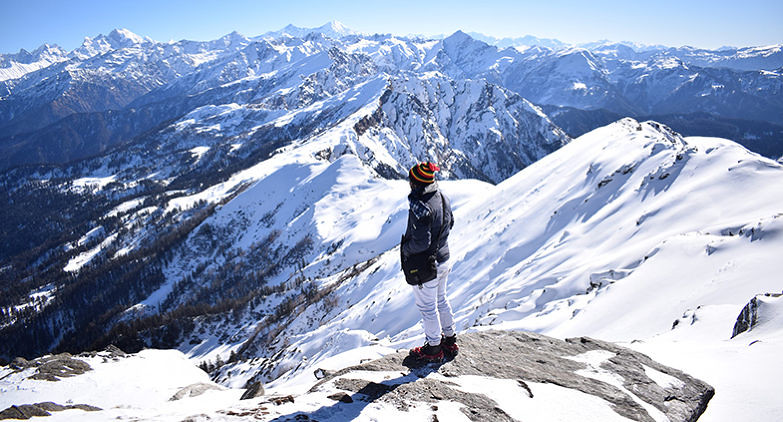
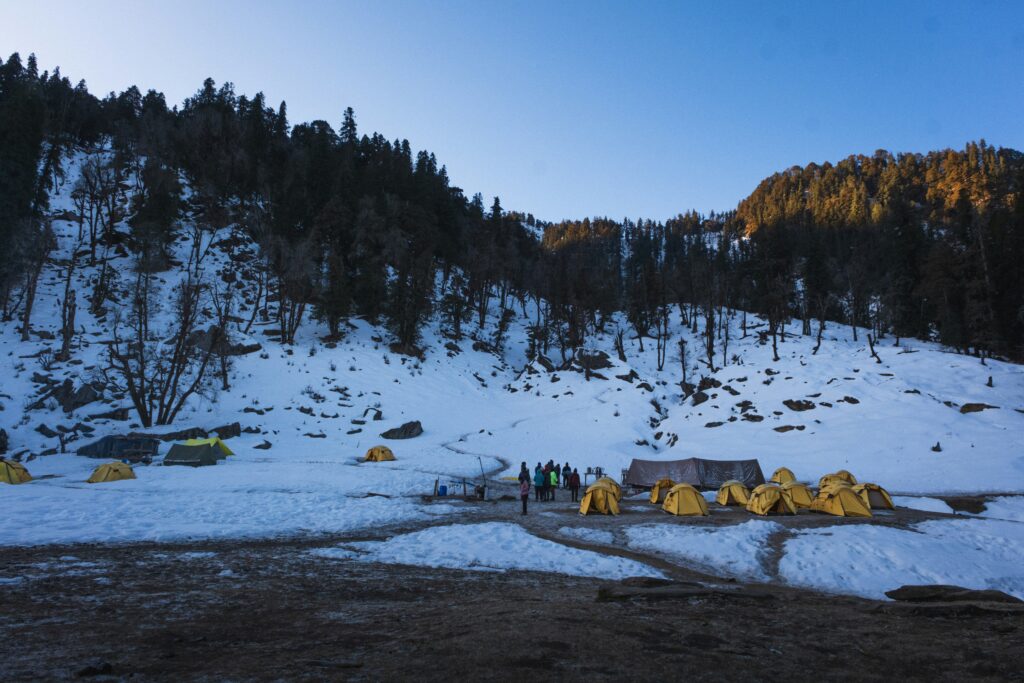
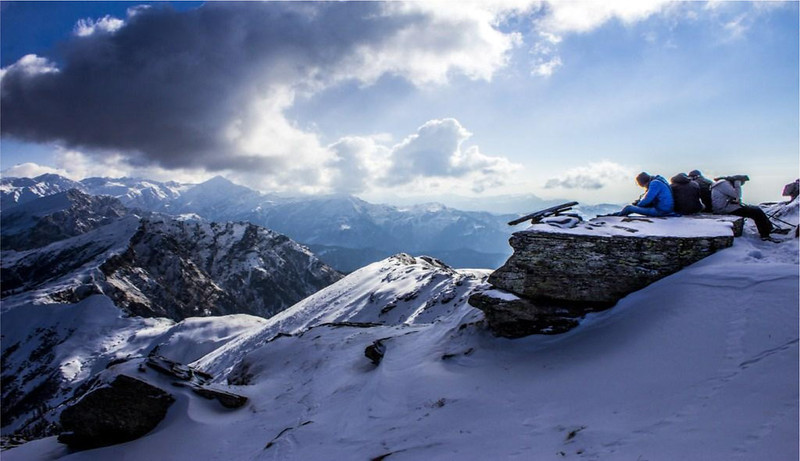
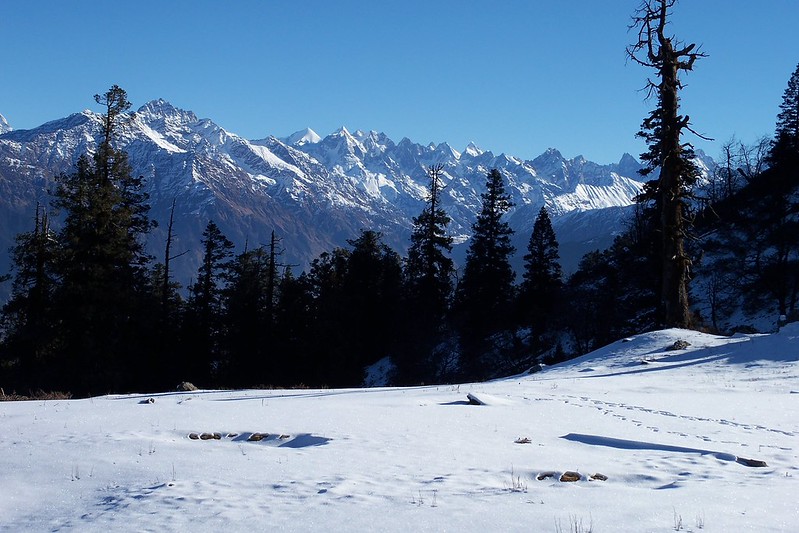
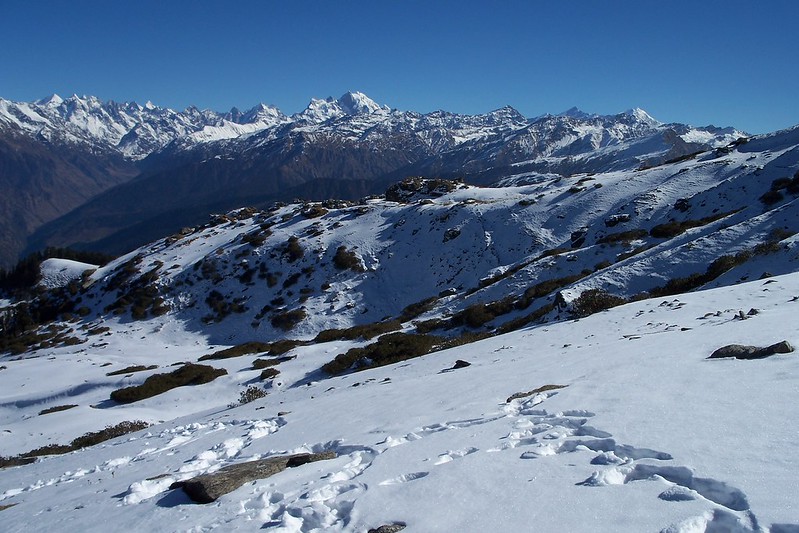
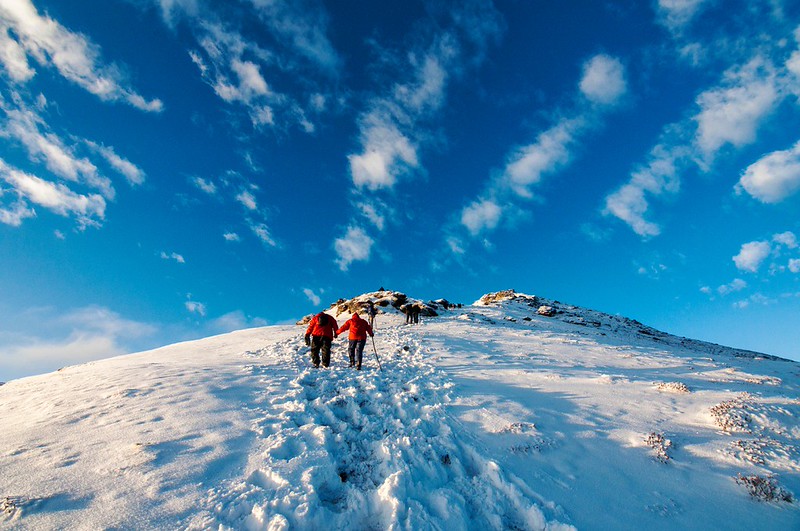
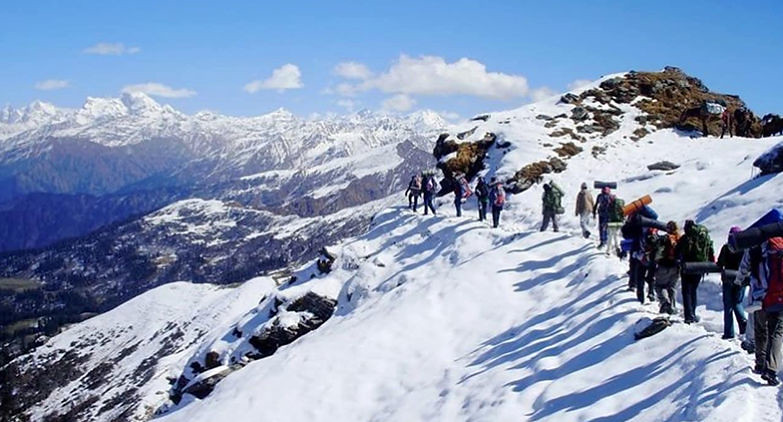
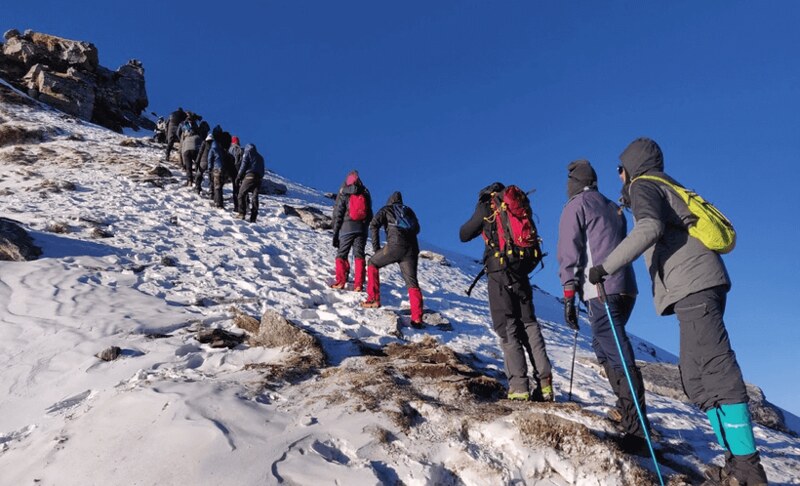
Quick Facts: Kedarkantha Trek at a Glance If you are planning your first Kedarkantha summit, this is what you should know upfront. Most beginners skip this and later feel confused, so here is the clear picture first. Summit altitude: 12,500 ft (3,800 m approx)Total trekking distance: ~20 km round tripDuration: 5 Days / 6 Days (depending on operator)Difficulty: Easy to ModerateBase village: Sankri VillageBest season: December to April (snow season peak Jan–Feb)Region: Govind Wildlife Sanctuary, Uttarakhand Now the real question is simple. Is this trek actually right for you as a beginner?Yes. Because it gives you a full summit experience without technical climbing, which is rare in India. Why Kedarkantha Trek for Beginners Is So Popular The reason this trek is almost a “first summit ritual” for Indian trekkers is not luck. It is design. The trail is structured in a way that slowly builds your confidence instead of breaking your body. You start from pine forests, move into frozen clearings, and finally climb a snowy ridge to the summit. There is no sudden altitude shock or technical section. You just walk, rest, and repeat. Many first-timers say the same thing after finishing. “It felt tough in moments, but never impossible.” That is exactly why Kedarkantha beginner summit climb first time experience is recommended by most trekking groups in India. How the Trek Actually Feels: Day-by-Day Itinerary This is the most important section for beginners. Every competitor ranks because they explain this clearly. Day 1: Dehradun to Sankri (Drive) Distance: ~200–220 kmTime: 8–10 hoursAltitude gain: ~6,400 ft A long mountain drive along rivers and small towns. You reach Sankri Village by evening. This is where real mountain silence begins. Day 2: Sankri to Juda Ka Talab Distance: 4–5 kmTime: 4–5 hoursAltitude: 9,100 ft You enter thick pine forest. Snow starts showing up in winter months. You reach Juda Ka Talab, a frozen lake surrounded by trees. Locals say Lord Shiva once created it here. Whether you believe it or not, the place feels still and almost unreal. Day 3: Juda Ka Talab to Kedarkantha Base Camp Distance: 4 kmTime: 3–4 hoursAltitude: 11,250 ft Forest opens into wide snowy clearings. You can see distant Himalayan ridges. Wind becomes stronger here. Nights are colder as you approach Kedarkantha Base Camp. Day 4: Summit Day (Kedarkantha Peak) Start time: 3:30–4:00 AMDistance: 6 km (round trip)Summit altitude: 12,500 ft This is the main climb. You walk in darkness with headlamps. Slowly, the sky turns blue. Read here about: Kedarkantha Summit Day From the top, you see major Himalayan peaks at Kedarkantha Trek like Swargarohini, Bandarpoonch, and Black Peak. This is the moment people remember forever. Day 5: Base Camp to Sankri Distance: 6 km descentTime: 4–5 hours Easy descent through forests. Body feels tired but happy. Day 6: Drive back to Dehradun Journey ends the way it started, but you are not the same person anymore. Real Difficulty: What Beginners Should Expect Kedarkantha trek for beginners is honestly beginner-friendly, but not effortless. Cold weather is the real challenge, not terrain. You will face: Cold nights below freezing Slow breathing at higher altitude Tired legs on summit push Cost of Kedarkantha Trek (Realistic Range)  Kedarkantha Trek Package ₹8,000 to ₹15,000 per personTransport (Dehradun to Sankri): ₹1,200–₹1,800 approxGear rental (if needed): ₹2,000–₹3,000 You can also compare full pricing details here: Kedarkantha Trek Cost. Cost changes with season, snow conditions, and operator. Budget trekkers often combine shared transport to reduce expenses. How to Reach Sankri Most trekkers start from Delhi or Dehradun. Delhi → Dehradun: Train / Bus / FlightDehradun → Sankri: 8–10 hour road journey. Read about the route details here: Kedarkantha Trek Route Map No airport or rail station is available near Sankri. The last stretch is fully road-based through mountain villages. Start early in the morning from Dehradun, ideally around 6:30 AM. Packing List (Beginner Friendly but Complete) Packing wrong can ruin this trek faster than difficulty. BBelow are the packing list for the trek: Thermal innerwear (top + bottom) Down jacket or heavy insulated jacket Waterproof outer shell Trekking shoes with ankle support  2–3 woollen socks Gloves (waterproof preferred) Woollen cap + sun cap Trekking pole Headlamp for summit night Sleeping bag essentials Personal medicines + ORS Sunscreen Reusable water bottle Age and Fitness Eligibility This is important for families planning together. Minimum age: ~10–12 yearsUpper age: No strict limitFitness requirement: basic walking stamina If you can walk 5–6 km comfortably, you are ready. Common Mistakes Beginners Make Most failures on this trek are not physical. They are planning mistakes. Avoid these: Starting summit too fast Wearing new shoes on trek Not drinking enough water Packing heavy unnecessary items Ignoring cold at night camps Why This Trek Stays With You There is a strange moment on the summit when everything goes silent. No crowd noise, no phone signal, no rush. Just wind and white mountains.  And suddenly, the whole idea of “difficulty” feels different. You realise it was never just about climbing a peak. It was about seeing how far a simple, steady step can actually take you. And that thought stays longer than the trek itself.

Kedarkantha Trek for Beginners: India’s Finest First Summit Climb Read More »
How Many Days for Kedarkantha Trek

Where to Stay in Sankri for Kedarkantha Trek: Guesthouses & Homestays

If you are going on the Kedarkantha Trek, staying in Sankri for one night is usually the best idea. It gives you time to rest after the long journey from Dehradun. It also helps your body get ready for the trek. Many people spend a lot of time choosing jackets, shoes, and backpacks. Then they quickly book a room in Sankri without thinking much about it. That can be a mistake. A good room, warm food, and proper sleep can make your trek much easier. Your trip starts in Sankri (gateyway to the treks), not on the trail.  Why Do Most Trekkers Stay in Sankri? Sankri Village is the starting point for the Kedarkantha Trek. Almost every trek group begins from here. The village is small, but it has everything a trekker needs. You can find homestays, guesthouses, small cafés, guides, and even trekking gear rental in Sankri. Most people reach Sankri after a long drive. The journey can take ten hours or more. By the time you arrive, you will want a hot meal and a warm bed. Staying one night here also helps your body adjust to the height. This becomes useful when you move towards Juda Ka Talab and later to Kedarkantha Base Camp. Also read here about: Shopping in Sankri Guesthouse or Homestay? Both are good choices. A guesthouse usually has bigger rooms and more facilities. It works well for families and groups. A homestay feels more personal. You stay with a local family and get a closer look at village life. The food is often home-cooked and fresh. One winter evening, I sat near a wood stove in a local home while snow fell outside. We talked about farming, weather, and mountain life. That simple evening became one of my favourite memories from Sankri. If you have some free time, you can also visit Katagaon Village. It is quiet, peaceful, and less crowded. Popular Places to Stay in Sankri GMVN Tourist Rest House This is one of the most trusted places in Sankri. The rooms are simple and clean. Many budget trekkers choose it because it is reliable and easy to book. Local Homestays Many local families rent rooms to trekkers. These places may not be fancy, but they are warm and welcoming. They are perfect if you want local food and a friendly atmosphere. Trek Operator Guesthouses Many companies running a Kedarkantha trek package have their own guesthouses. This makes things easy. Your room, meals, luggage storage, and trek briefing are all managed in one place. How Much Does a Stay in Sankri Cost? The price depends on the season. Winter is the busiest time. During the Kedarkantha trek in December and Kedarkantha trek in January, rooms fill up quickly. A rough budget is: Budget homestay: ₹500 to ₹1,200 per person Standard guesthouse: ₹1,000 to ₹2,500 per room Premium room: ₹2,500 or more Meals may be included or charged separately You can also read the full guide on Kedarkantha trek cost for a better budget estimate. Always ask what is included before booking. Some places include dinner and breakfast, others charge extra. What Facilities Should You Check? Sankri is a mountain village. It is not a luxury holiday destination. Before booking, check these things: Hot water Attached bathroom Mobile network Power backup Food availability Luggage storage Parking space Power cuts can happen in winter. Carry a power bank just in case. Can You Leave Extra Luggage? Yes. Most guesthouses and homestays allow trekkers to leave extra bags safely while trekking. This means you do not need to carry everything to the summit. Following a proper Kedarkantha trek packing list can help you decide what to take and what to leave behind. Food in Sankri The food is simple but tasty. After a long journey, even a basic meal feels amazing. Most places serve: Dal rice Rajma chawal Roti sabzi Paratha Maggi Tea Coffee What Should You Do on Your First Evening? Do not spend the whole evening inside your room. Take a short walk around the village. Drink enough water. Eat an early dinner and avoid alcohol. This gives your body time to adjust to the height. If the sky is clear, you may also enjoy the beautiful Kedarkantha night sky. It is also a good time to learn about altitude sickness on Kedarkantha trek so you know what signs to watch for. The best stay in Sankri is not always the most expensive one. Sometimes it is the place where someone welcomes you with a smile, serves hot food, and helps you feel ready for the mountains. Years later, those simple moments are often the ones we remember most.

Where to Stay in Sankri for Kedarkantha Trek: Guesthouses & Homestays Read More »

kedarkantha trek

Kedarkantha Trek Photography: Best Spots, Camera Settings & Night Sky

Kedarkantha trek is one of the best winter treks in India for photography. You get snowy forests, mountain views, golden sunrises, and bright stars on a single trek. Many treks have good views. Few give you so many different photo opportunities in just a few days. On this trek, you can photograph village life, snow-covered trees, mountain peaks, campsites, and the night sky. That is why photographers love this trail. Some carry professional cameras. Others use only a smartphone. Both can return home with amazing photos if they know where and when to shoot. Also read: The trek route Why Kedarkantha Is Great for Photography Many winter treks have snow. Many have mountain views. Kedarkantha gives you both. It also offers forests, campsites, village scenes, and open summit views.  Read our guide on: Kedarkantha vs Brahmatal Trek  The biggest reason photographers love Kedarkantha is variety. Every day looks different. One day you walk through forests. The next day you stand above the clouds. The trek becomes especially beautiful during the winter season when fresh snow covers the landscape. Best Photography Spots on the Trek Sankri Village Your photography starts before the trek starts. Sankri Village is full of beautiful scenes. You will see wooden houses, mountain views, local people, and narrow village paths. Many photographers also visit Katagaon Village, a peaceful place near the trek route. Morning light works best here. The soft sunlight gives photos a warm and natural look. Also checkout: Kedarkantha at 12,000 Pine Forest Trail The trail between Sankri and Juda Ka Talab is one of the most beautiful parts of the trek. Nature lovers should also learn about the rich Flora and Fauna of Kedarkantha. You may spot birds and small animals during the walk. Juda Ka Talab Juda Ka Talab is one of the most photographed places on the trek. The frozen lake, snow-covered trees, and quiet campsite create amazing photo opportunities. Early morning usually gives the best light. Many photographers wake up before sunrise to capture the peaceful atmosphere. Kedarkantha Base Camp Kedarkantha Base Camp is one of the best places for sunset photography. As the sun goes down, the mountains slowly change colour. First they turn golden. The colours often continue changing even after sunset. Stay a little longer and you may capture the best photo of your trip. Kedarkantha Summit The famous Kedarkantha Summit Day gives photographers the biggest reward of the trek. From the top, you can see many Himalayan peaks.  The best photos usually come shortly after sunrise. In December and January, the golden light often reaches the peaks between 6:45 AM and 7:30 AM. Best Time for Photography Snow lovers usually prefer the Kedarkantha Trek in December or January. Get the complete details on: Best Time to Visit Kedarkantha Trek. Kedarkantha Night Sky Photography The Kedarkantha Night Sky is one of the biggest reasons photographers visit this trek. Once you leave the city behind, the stars become much brighter. On clear nights, the sky looks full of stars from one side to the other. A new moon is usually best for night photography because moonlight can hide many stars. What Camera Gear Should You Carry? You do not need expensive equipment. A simple setup is enough: Wide-angle lens for landscapes Tripod for night photography Extra batteries Extra memory cards Lens cleaning cloth Waterproof camera cover Get the complete details on: Digital detox on the trek Planning Your Photography Trek Research the route, weather, and sunrise timings before you go. Pack extra batteries, memory cards, and weather protection for your gear. Prioritize lightweight equipment and keep essentials accessible. Build flexibility into your schedule so you can pause for changing light and unexpected photographic opportunities.

Kedarkantha Trek Photography: Best Spots, Camera Settings & Night Sky Read More »

kedarkantha trek

Kedarkantha Solo Trek: Complete Safety, Cost & Logistics Guide

Yes, you can do a Kedarkantha trek solo. It is one of the safest winter treks in India for beginners. But you still need to plan well and respect the mountains. Many people want to do Kedarkantha on their own. Some want a break from busy city life. Some cannot find friends to join them. Others simply enjoy travelling alone. Kedarkantha is a good choice for solo trekkers. The trail is easy to follow. Many people visit in winter. Local guides and homestays are easy to find. Before you start planning, read the full Kedarkantha trekking to understand the route, weather, and travel plan. The trek gives you almost everything people want from the Himalayas. You walk through forests. You camp in the snow. You watch the sunrise from a high peak. The best part is that you do not need to be an expert trekker. Is Kedarkantha Safe for Solo Trekkers? For most people, yes. In winter, many groups use this trail every day. You will often meet other trekkers on the way. This makes the trek feel safer than many remote mountain routes. That is one reason why the Kedarkantha winter trek is so popular. Still, the mountains can be tricky. Heavy snow can cover the trail. Cold weather can make simple things harder. Some people also feel sick at high places. This is called altitude sickness. Before your trip, learn about altitude sickness on Kedarkantha trek and how to spot the warning signs. A lot of first-time trekkers worry about getting lost. That rarely happens during the main season. The bigger risk is poor planning. People often carry the wrong clothes, drink too little water, or walk too fast.  Is Kedarkantha Safe for Women Travelling Alone? Yes. Many women do this trek every year. The base village, Sankri Village, sees trekkers from all over India. Homestays, guest houses, and trekking teams are used to helping people who travel alone. Try to reach Sankri during the day. Book your stay before you arrive. Share your travel plan with someone you trust. These simple steps make the journey much easier. Many women say they felt more worried before the trek than during it. Once they reached the trail, they found plenty of other trekkers around. Things You Must Know Before You Go This part is very important. The last good ATM is usually in Purola. Carry enough cash before you reach Sankri. Online payments may not always work. Phone signals become weak after Mori. Once you start the trek, your phone may stop working. Tell your family about this before you leave. Some trekkers also spend time exploring Katagaon Village before starting the trek. There are no big hospitals near the higher camps. If you become very sick, you may need to return to Sankri. How Much Does a Kedarkantha Solo Trek Cost? This trek does not cost too much compared to many other Himalayan trips. Most people spend between ₹9,000 and ₹18,000 for the full journey. Your total cost depends on how you travel and where you stay. Read a full guide on Kedarkantha trek cost if you want exact numbers. Most people spend money on: Travel from Delhi to Dehradun Travel from Dehradun to Sankri Stay in Sankri Trek package or guide Food and snacks Personal shopping A Simple Day-by-Day Trek Plan Day 1: Delhi to Dehradun Most people travel by bus or train at night. Day 2: Dehradun to Sankri The drive takes around 10 hours. Sankri is the starting point of the trek. Many people ask how many days for Kedarkantha trek. Most travellers need six to seven days for the full trip. Day 3: Sankri to Juda Ka Talab The trail passes through beautiful Kedarkantha pine oak forests. You may hear birds singing in the trees. Nature lovers can also learn more about the flora and fauna of Kedarkantha. You spend the night at Juda Ka Talab, one of the most famous camps on the trek. Day 4: Juda Ka Talab to Base Camp The climb becomes steeper today. By evening, you reach Kedarkantha Base Camp. Nights here can get very cold. Day 5: Summit Day This is the day everyone waits for. Most groups start before sunrise. The climb is slow but exciting. On clear days, you can see many snowy peaks. Read about the peaks visible from Kedarkantha summit before your trip and try to spot them from the top. Day 6: Return to Sankri The walk down is easier. Even then, walk slowly on snow-covered paths. Day 7: Travel Back Home Most trekkers return to Dehradun and then continue their journey home. Also checkout: Kedarkantha with family & kids What Should You Pack? When you travel alone, every item matters. There is no friend nearby to lend you a jacket or gloves. That is why a good Kedarkantha packing list is useful. Carry: Warm jacket Thermal wear Woollen cap Gloves Sunglasses Sunscreen Water bottles Headlamp Power bank Personal medicines Trekking pole If you do not own trekking gear, rent a trekking in Sankri.  Many trekkers choose December or January for kedarkantha trek because of the snow. On clear nights, do not miss the beautiful Kedarkantha night sky. It is one of the most memorable parts of the trip. A solo trek is not only about reaching the top. It is also about learning to trust yourself. The mountains are waiting. The real question is simple. When will you take the first step? Also read about: Best first summit trek in India.

Kedarkantha Solo Trek: Complete Safety, Cost & Logistics Guide Read More »

kedarkantha trek

Winter Treks from Delhi: Kedarkantha & 7 Other Weekend Options Ranked

Kedarkantha trek is the best winter trek from Delhi for most people because it gives you snow, great views, and beginner-friendly trails without needing expert trekking skills. Every winter, the same question pops up in travel groups and family chats. Which trek should we do from Delhi when the mountains turn white? It sounds like a simple question, but it is not. Some treks have better snow. Some are easier for first-timers. Others need more travel time than most people expect. If you are planning a winter trip seriously, the goal is not to pick the most famous trek. The goal is to pick the trek that matches your time, fitness, and budget. That is why we have ranked these options not just on beauty, but also on how practical they are for a weekend or short break from Delhi. Also checkout: When to do the trek Quick Look at the Best Treks from Delhi in Winter Before we go deeper, here is a quick overview. Kedarkantha Trek Nag Tibba Trek Chopta Chandrashila Trek Dayara Bugyal Trek Brahmatal Trek Kuari Pass Trek Deoriatal Chandrashila Trek Triund Trek Get the full details on: Best Treks in December Kedarkantha Trek: The Best Choice for Most People Kedarkantha sits at the top because it gets the balance right.  The trek is not too hard. The snow experience is usually excellent between December and February. This is exactly why the Kedarkantha winter trek remains one of the most popular Himalayan adventures for beginners. The summit stands at about 12,500 feet, which feels like a real Himalayan adventure without being too demanding. Most people travel from Delhi to Dehradun and then continue by road to Sankri Village, the base village. If you are wondering exactly where is Kedarkantha, understanding the location and approach route makes planning much easier. The full trek usually takes four to six days. Packages often range between ₹6,000 and ₹12,000 depending on what is included. What we like most about Kedarkantha is the variety. One day you walk through pine forests. The next day you cross snow-covered campsites. Then comes the Kedarkantha summit day. You step out before sunrise, feeling cold enough to question your life choices, and a few hours later you are standing above the clouds. Many trekkers are amazed by the number of peaks visible from Kedarkantha summit on a clear winter morning. That moment alone makes the journey worth it. Also checkout here: Kedarkantha vs Brahmatal Treks from Delhi Winter Travellers Should Consider for Short Weekends Not everyone can take five or six days off. Many people only have a weekend. If that sounds like you, Nag Tibba should be on your radar. Nag Tibba is one of the easiest Himalayan treks near Delhi. The highest point is around 9,900 feet, and the trek can be completed in two days. The route starts from Pantwari village, which is easily reached from Dehradun. This trek works well for beginners because it teaches the basics. You learn how to walk on mountain trails, carry a backpack, and spend a night outdoors. Think of it as your first chapter before moving to bigger Himalayan adventures. Chopta Chandrashila Trek: Small Effort, Big Reward Some treks make you work hard for every view. Chopta Chandrashila is not one of them. The effort is reasonable, but the views feel much bigger than what you put in. The trek takes around three to four days and reaches nearly 13,100 feet. Most travellers first reach Haridwar or Rishikesh and then continue to Chopta by road. The summit of Chandrashila offers some of the best mountain views in Uttarakhand. On a clear winter morning, peaks like Nanda Devi and Chaukhamba seem close enough to touch. Of course, they are not, but your camera will happily pretend otherwise. Dayara Bugyal Trek: A Snow Playground Dayara Bugyal feels different from many winter treks. Instead of spending most of your time inside forests, you get huge open meadows covered in snow. The trek starts from Raithal village and usually takes four to five days. At around 12,100 feet, it offers plenty of mountain views without feeling too difficult. Many first-time trekkers love Dayara because the landscape feels open and welcoming. Children, families, and casual hikers often enjoy it. If Kedarkantha feels too crowded for your taste, Dayara Bugyal is a strong alternative. Brahmatal Trek: For People Who Want More Snow Some trekkers are not satisfied with a few snowy patches. They want frozen lakes, white forests, and snow-covered ridges. That is where Brahmatal shines. The trek reaches about 12,250 feet and usually takes five to six days. Most people travel from Delhi to Kathgodam and then continue to Lohajung, the starting point. The views during winter are stunning. Snow often covers large parts of the trail, and the frozen lake adds a special touch. If someone asks us which trek feels the most like a winter movie scene, Brahmatal is usually near the top of the list.  Kuari Pass Trek: Big Mountain Views Kuari Pass is famous for one thing. The views never seem to end. This trek reaches roughly 12,750 feet and takes around five to six days. The journey normally starts near Joshimath after travelling from Delhi through Haridwar or Rishikesh. The trail passes through forests, open ridges, and snowy sections. On clear days, you get wide views of some of India’s highest peaks. If mountain scenery matters more to you than deep snow, Kuari Pass deserves serious thought. Winter Treks Delhi Weekend Ranked Options for Nature Lovers Not every trekker wants a summit. Some people simply want peace, fresh air, and beautiful scenery. Deoriatal Chandrashila is perfect for that kind of traveller. The trek begins from Sari village and combines a peaceful lake with a rewarding climb. The reflection of the mountains in Deoriatal Lake often becomes the highlight of the trip. The route is not overly difficult, which makes it suitable for many beginners. It is also a good option for people who enjoy

Winter Treks from Delhi: Kedarkantha & 7 Other Weekend Options Ranked Read More »

Kedarkantha Trek in Autumn

Best Winter Treks in Uttarakhand: Kedarkantha vs Brahmatal vs Nag Tibba

If you are planning a winter trek in Uttarakhand, the confusion usually starts early. Every trek operator will tell you their trek is “best”, but your real question is simpler.You want to know which trek actually fits your time, snow expectations, and fitness level. In Uttarakhand, winter trekking is not one single experience. It changes completely with altitude, forest type, and snow depth. That’s why we are comparing three very different experiences here. Kedarkantha, Brahmatal, and Nag Tibba. Each one gives a different version of winter in the Himalayas. Quick Comparison Table: Uttarakhand Winter Trek Comparison Ranked Here is a clean snapshot so you can decide fast. Parameter Kedarkantha Brahmatal Nag Tibba Altitude 12,500 ft ~12,250 ft 9,915 ft Duration 5–6 days 5–6 days 1–2 days Difficulty Easy–Moderate Easy–Moderate Easy Snow Reliability High High Low–Moderate Starting Point Sankri Lohajung Pantwari Best Season Dec–Mar Dec–Mar Year-round Experience Type Full snow trek Frozen lakes + ridges Weekend forest hike This table already tells the core story. Now let’s understand what it actually feels like on ground. Kedarkantha: Full Winter Trek Experience in Uttarakhand Kedarkantha is one of the most complete winter treks in Uttarakhand. It is not just about the summit. It is about the journey through snow-covered forests, frozen camps, and silent nights. The trek starts from Sankri village, a small Himalayan settlement that feels like the last edge of civilisation. From Sankri Village, the trail moves through pine forests and camps like Juda Ka Talab.  Kedarkantha feels like a slow build-up. Every day adds more snow, more silence, and more altitude. Read here the complete details on: Kedarkantha Trek Brahmatal: Frozen Lakes and Quiet Winter Trails Brahmatal is often called the “calm version” of Kedarkantha. It has less crowd, more open ridge walks, and frozen lake views that feel almost surreal. The trek starts from Lohajung, a small village in Chamoli district. From here, the trail climbs slowly towards twin lakes — Brahmatal and Bekaltal. These lakes freeze in peak winter and reflect snow-covered peaks like Trishul. Brahmatal is not about rush or summit pressure. It is about long ridge walks and stillness. If Kedarkantha feels like a story, Brahmatal feels like silence. Nag Tibba: Weekend Snow Trek from Delhi Nag Tibba is the most accessible winter trek in Uttarakhand. It is often chosen for short weekends rather than full trekking holidays. The trail starts from Pantwari village and climbs through forest patches. But here is the honest part. Snow is not guaranteed here.Some winters give full white trails. Some give only patches near the top. It works well if you want a quick escape, not a full Himalayan immersion. Snow Experience: Where You Actually Get the Best Winter Feel Snow is the real reason most people search for winter treks in Uttarakhand. Here is the simple truth. Kedarkantha gives the most consistent snow experience Brahmatal gives snow + frozen lakes combination Nag Tibba gives unpredictable snow If your main goal is snow camping, Kedarkantha wins easily.If your goal is peaceful winter walking, Brahmatal feels better.If your goal is just a quick snowy outing, Nag Tibba is enough. Difficulty and Fitness Reality Check Most first-time trekkers misunderstand this part. All three treks are beginner friendly, but they feel different. Kedarkantha has longer walking days, especially summit day.Brahmatal is steady but slightly longer overall.Nag Tibba is short but steep in patches. None of them require technical skills. But winter conditions change everything. Cold, snow, and altitude make simple walking slower.  Read about the complete  details on: Kedarkantha Trek Difficulty Best Time for Winter Treks in Uttarakhand Timing decides everything in winter trekking. December: Fresh snow begins January: Peak snow conditions February: Stable snow, best visibility March: Snow starts melting For a proper Uttarakhand winter trek comparison ranked by snow quality, January and February are the best months overall. Kedarkantha and Brahmatal perform best in this window. Nag Tibba depends more on luck and altitude snowfall.  Also read here about: When to do the trek Real Experience Difference: What You Actually Feel This is where most articles fail, but this matters most. Kedarkantha feels like a full Himalayan journey. You sleep in camps, walk through forests, and earn a summit. Brahmatal feels open and quiet. You walk long ridges and suddenly see frozen lakes below. Nag Tibba feels like a quick reset. You go up and come down in a short loop. If you are sitting in Delhi on a Friday night deciding, this is what matters more than altitude numbers. Also read the complete details on: Best winter treks in India  Which Winter Trek Should You Choose? Let’s simplify this decision. Choose Kedarkantha if you want: Proper snow camping experience Multi-day Himalayan trek Summit feeling Choose Brahmatal if you want: Frozen lakes Fewer crowds Calm trekking experience Choose Nag Tibba if you want: Short weekend trek Quick snow exposure Easy access from cities There is no “best” trek for everyone. There is only the trek that matches your winter mood. Read the complete details on: Trekking in Uttarakhand Conclusion Winter in Uttarakhand is not one experience. It is three different worlds stitched into the same mountains. One gives you a full snow journey. One gives you silence and frozen lakes.One gives you a quick escape before Monday arrives. So before you book anything, ask yourself one simple thing. Do you want a memory that lasts a weekend, or a story that stays longer than winter itself?

Best Winter Treks in Uttarakhand: Kedarkantha vs Brahmatal vs Nag Tibba Read More »

How Many Days for Kedarkantha Trek

Best Winter Treks in India 2026: Where Does Kedarkantha Rank?

If you are planning for best winter treks in India, the real confusion is simple. You don’t just want a list. You want to know which trek actually fits your time, fitness, and snow expectations. The best winter treks in India depend on one thing more than anything else. How much time you have versus how much snow experience you want. Some treks are long winter journeys. Some are quick snow hikes with big views. And Kedarkantha sits somewhere in between. Not the hardest. Not the shortest. But one of the most balanced winter treks in India. Let’s break it down properly, like someone would explain it over chai in Rishikesh before you book your trip. Best Winter Treks in India (2026 Ranked List) This is what most trekkers actually search for. A clear comparison, not confusion. 1. Kedarkantha Trek (Uttarakhand) Kedarkantha is one of the most popular best winter treks in India for beginners. It is famous for snow camps, forest trails, and a proper summit experience. Altitude: 12,500 ftDuration: 5–6 daysDifficulty: Easy to moderateBest time: December to MarchStarting point: Sankri The reason it ranks so high is simple. You don’t just reach a viewpoint. You complete a full winter journey. Snow-covered pine forests, frozen camps like Juda Ka Talab, and a sunrise summit make it a complete package. If you want a deeper breakdown of how the route actually flows, this guide: Kedarkantha winter trek. 2. Brahmatal Trek Brahmatal is a quieter alternative to Kedarkantha. It feels more open and less crowded. Altitude: ~12,250 ftDuration: 5–6 daysDifficulty: Easy to moderateBest time: December to March 3. Chadar Trek (Ladakh) This is the extreme winter trek of India. Not for beginners at all. Altitude: ~11,000 ft (river level trek)Duration: 7–9 daysDifficulty: DifficultBest time: January–February You walk on the frozen Zanskar River. It feels like stepping into another planet. Cold here is not mild. It is survival cold. 4. Sandakphu Trek (West Bengal) Sandakphu is special because of the view it offers. Altitude: 11,930 ftDuration: 6–7 daysDifficulty: ModerateBest time: December to April From here, you can see Everest, Kanchenjunga, Lhotse, and Makalu in one frame. That alone makes it one of the best winter treks in India December January ranked for views. 5. Kuari Pass Trek Kuari Pass is a classic winter trek in Garhwal. Altitude: 12,516 ftDuration: 5–6 daysDifficulty: Easy to moderateBest time: December to March It is known for direct views of Nanda Devi and Dronagiri peaks. The trail is less crowded compared to Kedarkantha. 6. Dayara Bugyal Trek This is more of a snow meadow experience. Altitude: 12,000 ftDuration: 4–5 daysDifficulty: EasyBest time: December to February Wide grasslands turn into a white carpet. It is one of the easiest snow treks in Uttarakhand. Where Does Kedarkantha Rank? Now the real question. If we talk about overall best winter treks in India, Kedarkantha sits in the top tier for beginners. But its ranking depends on what you want: For first-time trekkers → Top 1–2For snow experience → Top 3For difficulty challenge → Mid rangeFor extreme adventure → Below Chadar Trek So Kedarkantha is not “the best” in every category. But it is the most balanced winter trek in India. And that balance is exactly why it stays so popular every season. How to Choose the Right Winter Trek This is where most people get stuck. So let’s simplify it. Pick Kedarkantha if you want: Proper snow camping Beginner-friendly summit trek 5–6 day experience Forest + snow mix Pick Brahmatal if you want: Less crowded trails Frozen lake scenery Calm trekking experience Pick Chadar if you want: Extreme adventure Once-in-a-lifetime challenge Harsh winter conditions Pick Sandakphu if you want: Big Himalayan views Longer walking days Photography-focused trek Best Time for Winter Treks in India Timing changes everything in winter trekking. December → Early snow, fewer crowdsJanuary → Peak snow conditionsFebruary → Deep winter feel, stable trailsMarch → Snow starts melting If you are planning winter treks India December January ranked, then Kedarkantha, Brahmatal, and Kuari Pass are the safest bets. Chadar is strictly January–February only. For deeper seasonal planning around Kedarkantha read: Best Time to Visit Kedarkantha Trek. Basic Gear Reality Check (Most People Ignore This) Winter trekking is not just booking a package. You need proper gear or your experience drops fast. Insulated jacket (must) Waterproof trekking shoes Thermal layers Gloves + wool cap Trekking pole Read this complete guide on: Kedarkantha Trek Packing List 2026.  Safety Reality You Should Know Most winter treks in India stay under 13,000 ft. That is why they are considered beginner friendly. But still: Nights can drop below -10°C Snow blindness risk exists in bright sun Altitude sickness can still happen Kedarkantha and Brahmatal are safe when done with guides. Chadar is a different league altogether. If you want to understand symptoms and prevention better, read this guide: Altitude Sickness on Kedarkantha Trek.  Conclusion If you strip away all confusion, it comes down to this: Kedarkantha = complete winter experienceBrahmatal = quiet snow trekSandakphu = Himalayan panorama trekChadar = extreme survival trekDayara = easiest snow meadow trek And that is how best winter treks in India actually split in real life. Not by popularity. But by experience type.  So the real question is not which trek is best. It is which kind of winter you actually want to walk into this year. Also read here: trekking in Uttarakhand

Best Winter Treks in India 2026: Where Does Kedarkantha Rank? Read More »

Kedarkantha Trek Package 2026

Kedarkantha vs Chandrashila Trek: Two Peaks Compared

Kedarkantha vs Chandrashila trek is not a style debate. It is a planning decision. One is a long winter snow trek with camps. The other is a short sunrise summit from a temple trail. If you are choosing between them, this breakdown will make it simple in one go. If you want a deeper routes, seasons, and trek basics,  do Kedarkantha winter trek for a wider understanding of the region. Quick Comparison Table Parameter Kedarkantha Chandrashila Max Altitude 12,500 ft (3,800 m) 13,123 ft (4,000 m) Duration 5–6 days 2–3 days Trek Distance ~20 km ~7 km Difficulty Easy to Moderate Easy Best Season Dec to March April to Nov (snow in winter) Starting Point Sankri (Uttarkashi) Chopta (Rudraprayag) Nearest Base City Dehradun (~200 km) Rishikesh (~220 km) Approx Cost ₹8,000–₹18,000 ₹4,000–₹10,000 One look at this table already tells half the story. The rest is experience. Kedarkantha vs Chandrashila Trek quick verdict Kedarkantha vs Chandrashila trek comes down to time and depth. Kedarkantha feels like a full winter journey. You camp in snow, walk through forests, and climb gradually. It gives you multiple days of mountain life. Not just a summit. Chandrashila feels like a sharp mountain moment. You climb from Chopta, pass Tungnath temple, and reach the summit in a short burst. The reward comes fast. Which one feels right for you? Slow build or quick peak? Both are beginner friendly. But they don’t feel similar at all. Read the comparison between: Kedarkantha vs Brahmatal Trek Kedarkantha vs Chandrashila Trek difficulty and first summit feel Kedarkantha vs Chandrashila trek difficulty is often misunderstood. Kedarkantha has longer walking days. You move through snowfields and pine forests. The climb is steady. No technical sections. But cold nights test you more than the trail. Chandrashila is shorter but steeper near the top. The climb from Tungnath can feel tight on breath. Altitude hits quickly because ascent is fast. Chandrashila trek vs Kedarkantha first summit choice often depends on this: Kedarkantha = endurance over days Chandrashila = short effort, strong finish Kedarkantha feels like you earn every camp. Chandrashila feels like you earn one big view. Understand difficulty in more details:  Kedarkantha Trek Difficulty  Kedarkantha vs Chandrashila Trek how to reach Kedarkantha starts from Sankri village in Uttarkashi district. You reach Sankri from Dehradun via Mussoorie, Purola, and Mori. The road is long and narrow in parts. It feels remote by the end. Sankri Village is the village that most treks in this region start from here. Chandrashila starts from Chopta. You reach Chopta from Rishikesh via Rudraprayag and Ukhimath. The road is more direct compared to Sankri. Simple split: Kedarkantha route = longer + deeper travel experienceChandrashila route = shorter + easier access Kedarkantha vs Chandrashila Trek best time to visit Kedarkantha is mainly a winter trek. Snow starts from late December and lasts till March. January and February give the best snow cover. Camps are fully white. Nights are extremely cold. If you are planning specifically for peak snow conditions, this breakdown helps: Kedarkantha Trek in December and Kedarkantha Trek in January. Chandrashila works almost year-round. April to June gives clear skies. September to November gives sharp Himalayan views. Winter adds snow near the top but does not block the trek. One clear difference: Kedarkantha = snow guaranteed in winterChandrashila = views guaranteed across seasons Kedarkantha vs Chandrashila Trek day-wise feel Kedarkantha takes 5–6 days. Typical flow: Drive to Sankri Trek to Juda Ka Talab Base camp day Summit push early morning Descend over 2 days Read the complete details on: best season for Kedarkantha Chandrashila takes 2–3 days. Typical flow: Reach Chopta Trek to Tungnath Summit Chandrashila early morning Return same day or next It is fast and direct. No long camping loop here. Kedarkantha vs Chandrashila Trek summit views Chandrashila gives one of the widest Himalayan sunrise views in Uttarakhand. From the top you see: Nanda Devi Chaukhamba Trishul Kedarnath peaks (on clear days) The sunrise light hits peaks directly. It feels sharp and clean. Kedarkantha gives a different kind of view. From the summit you see: Swargarohini range Bandarpunch Black Peak The real thing is the snow ridge walk just before summit. That stretch stays in memory more than the view itself. Tungnath Temple factor in Chandrashila Chandrashila has one major difference Kedarkantha cannot match. You pass Tungnath, the world’s highest Shiva temple. It is part of the Panch Kedar circuit. The stone path, prayer bells, and thin air create a very specific mood. Even non-religious trekkers stop here longer than expected. Kedarkantha does not have a cultural stop like this on route. Kedarkantha vs Chandrashila Trek cost breakdown Kedarkantha costs more because it is longer. Kedarkantha: ₹8,000–₹18,000Includes more days, camping, food, and guides. Read her the full breakdown on: Kedarkantha Trek Cost. Chandrashila: ₹4,000–₹10,000Short trek, fewer logistics, faster turnaround. Transport adds extra in both cases from Delhi or Rishikesh. Simple rule: More days = higher cost. No surprise here. FAQs 1. Which is better for first time trekkers? Both work, Chandrashila is shorter. Kedarkantha builds better trekking habits. 2. Which has more snow? Kedarkantha trek is a full winter snow trek. For snow lovers, this is the best winter treks in India. 3. Which is harder? Kedarkantha is longer. Chandrashila is steeper in one section. 4. Can both be done in winter? Yes. Kedarkantha is peak winter trek. Chandrashila gets snow near summit. 5. Which gives better sunrise view? Chandrashila. It is one of the best sunrise points in Uttarakhand. Conclusion Kedarkantha vs Chandrashila trek is not about better or worse. It is about what you want to feel. If you want snow camps, slow days, and a full mountain rhythm, Kedarkantha fits. If you want a short climb with a powerful Himalayan sunrise, Chandrashila wins. Both are simple treks. But they leave very different memories. So what are you picking this season — a long winter story or a single sunrise moment? Also read here: Best winter treks in Uttarakhand

Kedarkantha vs Chandrashila Trek: Two Peaks Compared Read More »

where is kedarkantha

Kedarkantha vs Brahmatal Trek: Which Winter Summit to Choose?

If you are stuck between Kedarkantha vs Brahmatal trek, the real decision is simple. Do you want a short, structured snow summit experience near Sankri, or a longer Himalayan journey starting from Lohajung with wider ridge walks and clearer high-mountain views? Both are winter treks in Uttarakhand. Both give snow. But they don’t feel the same on the ground. One is sharper and more direct. The other is longer and more open. Let’s break it down properly so you don’t choose blindly. Also checkout: The complete Kedarkantha Trek Guide Quick Comparison: Kedarkantha vs Brahmatal Trek Factor Kedarkantha Trek Brahmatal Trek Base Village Sankri (Uttarkashi) Lohajung (Chamoli) Summit Altitude ~3,800 m ~3,734 m Trek Duration 4–5 days 5–6 days Trek Distance ~20 km ~24–26 km Difficulty Easy to Moderate Moderate Best Snow Months Dec to Mar Dec to Feb Famous For Quick summit, dense forests Frozen lakes, Mt. Trishul views Crowd Level High Moderate to Low This table alone answers 60% of the decision. Everything else is detail. Kedarkantha vs Brahmatal Trek: Location and First Impressions Kedarkantha starts from Sankri village, a busy trekking hub in Uttarakhand’s Uttarkashi region. The road from Dehradun is long but straightforward. Brahmatal starts from Lohajung in Chamoli district. The drive is longer, and the village feels quieter. Less commercial. More spaced out. This matters more than people think.  Because your trek doesn’t start at the first step on the trail. It starts on the road. And the road shapes your mindset. Kedarkantha vs Brahmatal Trek Difficulty and Trek Style Kedarkantha is easier to process mentally. The trail is well-marked. Camps are closer. You gain altitude in a steady rhythm. Brahmatal stretches your walking hours more. The trail feels longer between camps. You spend more time in forest walks and ridge sections. In simple terms: Kedarkantha: shorter walking days, easier flow Brahmatal: longer walking days, more endurance needed A first-time winter trekker often feels more confident on Kedarkantha. But someone with basic fitness and patience will enjoy Brahmatal more. Get here the complete details on: The fitness & difficulty guide Kedarkantha vs Brahmatal Trek Snow Experience Snow is the main reason people search kedarkantha vs brahmatal trek. Kedarkantha gets consistent winter snow from late December onward. The forest sections turn white quickly. Summit climbs often happen in deep snow. Brahmatal also gets strong snowfall, but it behaves slightly differently. Snow spreads across open slopes and lake zones. A key difference: Kedarkantha: thicker forest snow experience Brahmatal: open snow fields and ridge snow Also checkout: The best time to visit Kedarkantha vs Brahmatal Trek Highlights and Peaks This is where Brahmatal clearly stands apart. From Brahmatal, you get direct views of: Mt. Trishul (7,120 m) Mt. Nanda Ghunti (6,309 m) These peaks stay visible across multiple sections of the trek. Kedarkantha, on the other hand, is famous for its summit sunrise. From the top, you see peaks like Swargarohini, Bandarpoonch, and Black Peak. Read the complete details on: Kedarkantha summit day. So the contrast is clear: Kedarkantha: summit-focused payoff Brahmatal: journey-wide mountain views Kedarkantha vs Brahmatal Trek Forests and Trail Feel Kedarkantha moves through dense pine forests like those described in Kedarkantha pine oak forests. The trail feels enclosed at lower altitudes. Snow sits heavily on branches. Brahmatal has a mix of oak and rhododendron forests. As you climb, forests open into ridge walks. Even the silence feels different. Kedarkantha: active, enclosed winter corridor Brahmatal: open, spaced-out landscape Also read here about: Best winter treks in Uttarakhand Kedarkantha vs Brahmatal Trek Crowd and Atmosphere Kedarkantha is one of the most popular winter treks in India. Expect multiple groups on the trail. Camps feel lively. Brahmatal is quieter. Fewer trekkers. Longer stretches where you may not see anyone. So the choice becomes personal: Want energy and group vibe? Kedarkantha Want space and silence? Brahmatal Read the comparison guide between: Kedarkantha vs Chandrashila Kedarkantha vs Brahmatal Trek Cost and Time Commitment Kedarkantha usually fits into 4–5 days. That keeps cost lower and makes it ideal for short winter breaks. Brahmatal takes around 5–6 days. Slightly longer travel time also adds to total cost. If you are planning a full Kedarkantha experience, details like Kedarkantha trek cost and Kedarkantha trek package help in planning better. So: Kedarkantha: quicker, lighter on budget Brahmatal: longer, more immersive Kedarkantha vs Brahmatal Trek Best Choice for You Now the real question. Choose Kedarkantha if: It’s your first snow trek You want a quick summit experience You prefer structured trails and camps You have limited days Choose Brahmatal if: You want Mt. Trishul views You like quieter trails You enjoy long ridge walks You have more time and patience Both are beginner-friendly in different ways. One builds confidence fast. The other builds experience slowly. Kedarkantha vs Brahmatal Trek Final Thought In the end, kedarkantha vs brahmatal trek is not about which one is better. It is about how you want winter to feel. Do you want a sharp summit moment in deep forest snow? Or a longer Himalayan walk where peaks like Trishul stay in your line of sight for days? Both give you winter. Just not the same version of it. And once you’ve walked either one in fresh snow, you’ll understand why people keep coming back to this debate.

Kedarkantha vs Brahmatal Trek: Which Winter Summit to Choose? Read More »

Where Is Kedarkantha?

Flora & Fauna of Kedarkantha: Wildlife, Birds, Plants & Animals on Trail

The Kedarkantha trek flora fauna wildlife is far richer than most trekkers expect. The trail passes through thick forests, quiet lakes, open meadows, and snowy ridges. Each zone supports different plants and animals. That is what makes this trek special. Many people come to Kedarkantha trek for snow.  Others come for the summit views. But the forests often become the highlight of the trip. A sudden bird call. Fresh animal tracks in the snow. A troop of langurs moving through the trees. These moments stay with people. The trek lies inside Govind Pashu Vihar sanctuary and Wildlife Sanctuary in Uttarkashi. This protected area helps preserve many Himalayan species. That matters. Without this protection, much of the wildlife seen today would be harder to find. Most trekkers will not see bears or leopards. Wildlife sightings are never guaranteed. Still, the forests around Kedarkantha support a surprising range of animals, birds, and plants. Knowing what lives here makes the trek far more interesting. If you’re new to the region, start by understanding where Kedarkantha is and how the trail passes through these protected forests. Also read about: The trek route Kedarkantha Trek Flora Fauna Wildlife by Trail Section The landscape changes as you gain height. So does the wildlife. A common mistake is to treat the entire trek as one ecosystem. It is not. The forest near Sankri Village looks very different from the slopes near the summit. Keep that in mind. Sankri to Juda Ka Talab The trek starts in dense woodland. Tall pine trees line parts of the trail. Oak forests become common as you climb higher. Deodar trees also appear in many sections. This part of the trail feels alive. Birds move through the canopy. Langurs often sit on branches above the path. If you’re lucky, you may spot a barking deer moving through the undergrowth. Common plants in this zone include: Chir pine Oak Deodar cedar Ferns Wild grasses Medicinal herbs The forest here stays cool and shaded. It feels very different from the open slopes higher up. Much of this section leads towards Juda Ka Talab, one of the most scenic spots on the trek. Juda Ka Talab to Kedarkantha Base Camp The forest begins to change. Silver fir trees appear more often. Rhododendron trees grow across many slopes. Visit during spring and the hills show off bright red blooms. The colour stands out against the dark forest. It is hard to miss. Bird activity also increases in this zone. Early mornings are best. That is when the forest feels most active. You may spot: Himalayan Monal Koklass Pheasant Yellow-billed Blue Magpie Black-headed Jay Himalayan Woodpecker Many local guides believe this section offers the best birdwatching on the trek. And they’re right. As you move higher, you’ll pass through areas close to Kedarkantha Base Camp, where forests gradually give way to open slopes. Kedarkantha Base Camp to Summit Trees begin to thin out. The landscape feels harsher. Snow often covers the ground during winter.Only tough plants survive here. Juniper shrubs grow in exposed areas. Moss and lichens cling to rocks. Alpine grasses appear during warmer months. Animal sightings become less common. Yet tracks often tell a story. Fresh footprints in the snow can reveal more than the animals themselves. Trekkers sometimes find tracks from: Himalayan Tahr Musk Deer Himalayan Black Bear Red Fox Most animals stay hidden. They hear people long before people see them. From the top, many trekkers also enjoy the views of the peaks visible from Kedarkantha summit. Animals Found on the Kedarkantha Trek Langurs are the animals most trekkers notice first. They often move in groups. Their long tails make them easy to spot. Barking deer also live in these forests. They are shy. Most disappear before anyone gets close. Musk deer are far rarer. Their natural camouflage helps them blend into the landscape. Spotting one is unusual. The Himalayan Tahr lives on steep slopes. It has thick fur and strong hooves. Both help it survive mountain weather. Leopards also live inside Govind Wildlife Sanctuary. So do snow leopards in remote areas. Sightings are extremely rare. Most trekkers will never see one. That’s normal. Also read here about: The har ki dun valley view Birds of Kedarkantha Bird lovers often enjoy Kedarkantha more than expected. The forests support many Himalayan species. The star attraction is the Himalayan Monal. This colourful bird is also the state bird of Uttarakhand. Its feathers shine in shades of blue, green, and copper. Other birds seen on the trail include: Himalayan Monal Koklass Pheasant Khalij Pheasant Black-headed Jay Yellow-billed Blue Magpie Himalayan Griffon Himalayan Woodpecker Spring and early summer usually bring the best bird activity. Start walking early. That’s when the forest wakes up. Can You See Brahma Kamal on Kedarkantha? Many trekkers ask about Brahma Kamal. It is the state flower of Uttarakhand. It also holds deep cultural value across the region. The flower grows at very high elevations. It blooms during the monsoon season. Most winter trekkers will not see it. Still, it remains one of the most famous Himalayan plants linked to Uttarakhand’s mountain landscapes. Wildlife Sightings: What Are Your Real Chances? Most travel blogs oversell wildlife sightings. This article won’t. Seeing langurs is common. Spotting birds is also likely. Deer sightings happen now and then. Bears, leopards, and musk deer are different. Those encounters are rare. Why? Wild animals avoid noise. Trek groups make plenty of it. By the time trekkers arrive, most animals have already moved away. Tracks are often easier to find than the animals themselves. That is part of the fun.  FAQs 1. Are there leopards on the Kedarkantha trek? Yes. Leopards live inside Govind Wildlife Sanctuary. Sightings are extremely rare. 2. Which bird is most famous on Kedarkantha? The Himalayan Monal attracts the most attention. 3. Can you see bears on Kedarkantha? Black bears live in the region. Most trekkers never encounter them. 4. When do rhododendrons bloom? The best blooms usually appear between late March and May. This

Flora & Fauna of Kedarkantha: Wildlife, Birds, Plants & Animals on Trail Read More »