If you are wondering what Day 3 of the Kedarkantha Trek is like, this is the day you trek from Juda Ka Talab to Kedarkantha Base Camp, gain around 2,000 feet in height, and get some of the best mountain views of the entire trek.
For many trekkers, this is the most beautiful day before the summit climb. The trail leaves the thick forest behind and slowly opens to wide views of snow-covered peaks. You start the day beside Juda Ka Talab and end it at the foot of Kedarkantha Peak. That change in scenery makes Day 3 special.
Most trekking groups leave Juda Ka Talab after breakfast. The climb is not very long, but you will gain height steadily throughout the day. Walking at a slow and steady pace is the best way to enjoy the journey.
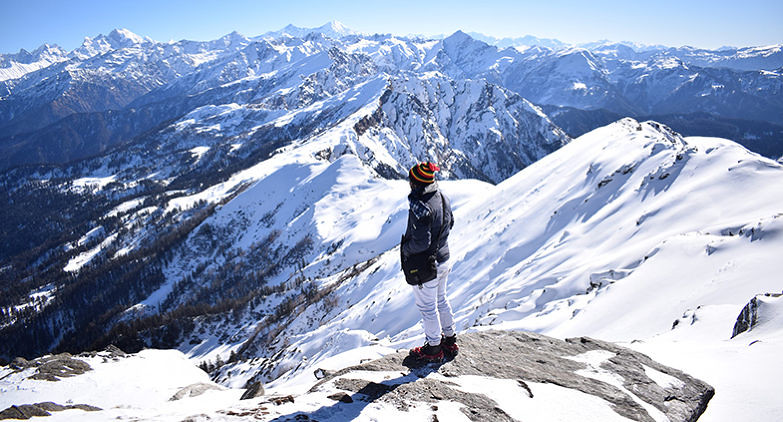
Kedarkantha Trek Day 3 Juda Ka Talab Base Camp Overview
The distance from Juda Ka Talab to Kedarkantha Base Camp is usually between 3 km and 4 km. Some trekking companies mention 3.5 km, while others may list a slightly different distance because campsite locations can vary.
The trek normally takes 3 to 5 hours. Snow conditions, fitness level, and weather can affect the time. If you are following a complete Trek itinerary, this is usually the third day of trekking before the summit attempt.
Quick Facts
- Starting Point: Juda Ka Talab
- Ending Point: Kedarkantha Base Camp
- Distance: Around 3 to 4 km
- Starting Altitude: Around 9,100 ft
- Base Camp Altitude: Around 11,250 ft
- Trek Time: 3 to 5 hours
- Difficulty Level: Easy to Moderate
The distance may seem short, but the climb is steady. You gain a good amount of altitude in a few hours.
What to Expect on the Trail
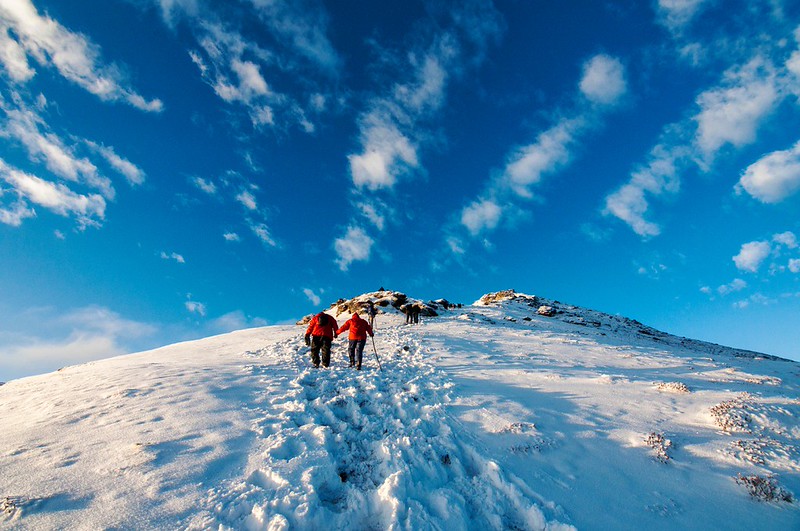
The day starts with a walk through the famous pine and oak forests of Kedarkantha. During winter, snow often covers the entire trail. Early in the morning, the snow can feel hard and crunchy under your boots.
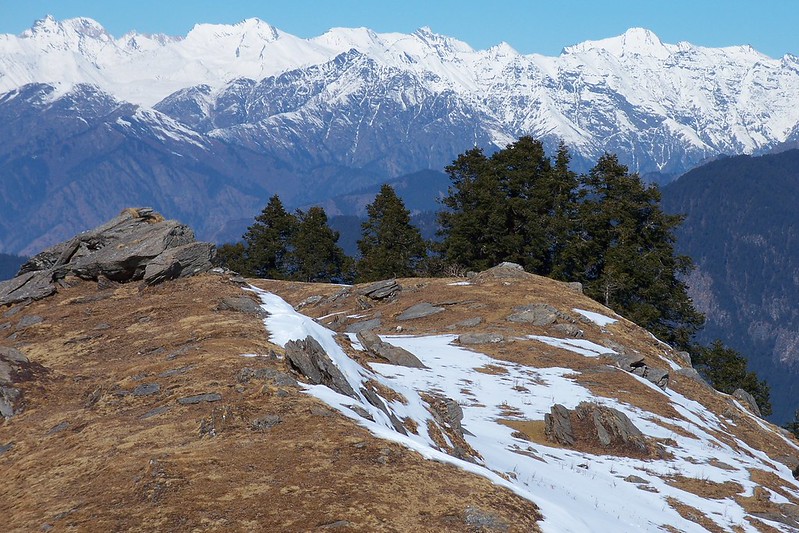
After about an hour of trekking, the forest begins to open up. You start getting wider views of the valleys and nearby peaks. This is usually where many trekkers stop for a short break and take photos.
As you move higher, you may come across open meadows that local shepherds use during the warmer months. In summer, these meadows are green and full of life. In winter, they often lie under a thick layer of snow.
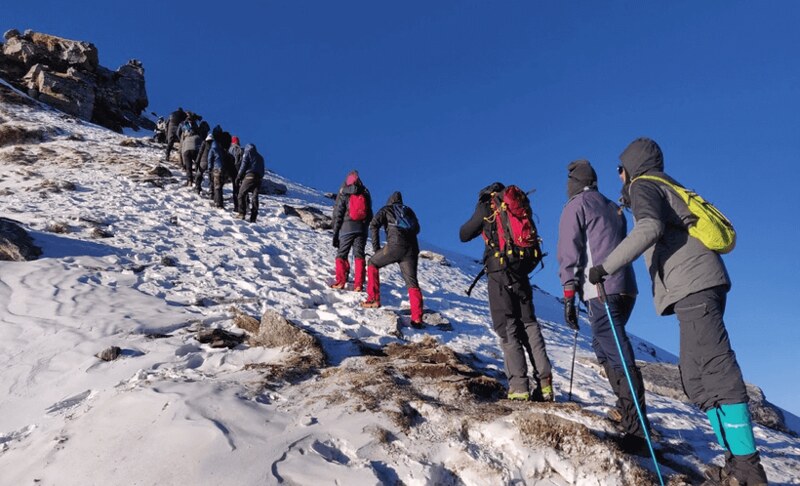
The final section towards base camp is slightly steeper than the earlier part of the trail. It is not difficult, but you may feel the effect of the altitude. Taking small steps and keeping a steady pace helps a lot.
Route Landmarks on Day 3
One thing many trekkers want to know is what they will see along the way. The trail is not just a simple uphill walk.
Here is what the route usually looks like:
- Leave Juda Ka Talab after breakfast.
- Walk through thick pine and oak forests.
- Reach open clearings and small shepherd meadows.
- Cross sections where the tree line starts thinning.
- Get your first big mountain views.
- Climb the final slope to Kedarkantha Base Camp.
The exact route may change slightly depending on snow conditions and campsite location.
Why Day 3 Feels Different
The first two days focus on getting deeper into the mountains. Day 3 feels different because the mountains finally become the main attraction. At Juda Ka Talab, trees surround you from all sides. At base camp, the landscape feels much bigger and more open. You can see long mountain ranges stretching across the horizon.
I still remember reaching the base camp on a clear winter afternoon. The first thing that caught my eye was Swargarohini Peak standing tall in the distance. Everyone in our group stopped talking for a few moments and simply enjoyed the view. Those are the moments people remember long after the trek ends.
Views from Kedarkantha Base Camp
The base camp offers some of the finest views on the trek.
On a clear day, you may see:
- Swargarohini Peak
- Bandarpoonch Peak
- Black Peak
- Ranglana Peak
- Several Himalayan ridges and valleys
If you want to know more about the surrounding mountain ranges, check out these peaks visible from Kedarkantha Summit.
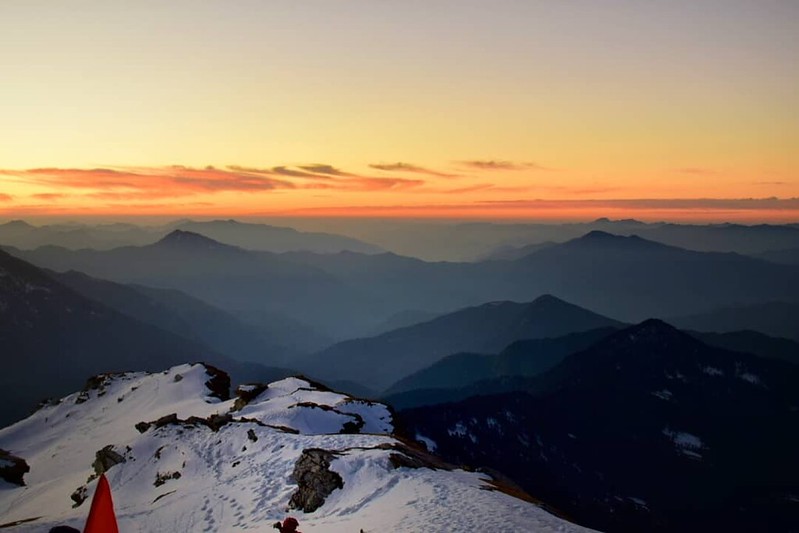
Sunset is often the highlight of the evening. As the sun goes down, the snow-covered peaks turn golden and orange. Many trekkers spend an hour simply watching the colours change.
Weather at Kedarkantha Base Camp
Weather becomes colder as you climb higher. During the winter season, daytime temperatures at base camp often stay between 2°C and 8°C. At night, temperatures can drop below -5°C. During December and January, temperatures sometimes fall below -10°C. Clouds can build up quickly in the afternoon. Light snowfall is also common during the winter months. This is why most trekking groups try to reach base camp before noon or early afternoon.
Read here about: best time to visit Kedarkantha Trek.
Day 3 in December vs March
The experience can feel very different depending on when you visit. In December and January, the trail is usually covered with fresh snow. Trees, meadows, and campsites all look like a winter postcard. Snow can sometimes reach ankle or knee height. Many trekkers choose the Kedarkantha in December specifically for these snowy landscapes.
By March, the weather becomes milder. Snow starts melting on lower sections of the trail. The days feel warmer, and walking becomes easier for beginners.
If you want deep snow, choose December or January. If you prefer slightly easier trekking conditions, March can be a better option.
Altitude and Safety Tips
The climb from Juda Ka Talab to base camp takes you above 11,000 feet. Most trekkers do not face serious problems, but it is still important to watch for altitude-related symptoms.
Common signs include:
- Headache
- Nausea
- Dizziness
- Loss of appetite
- Unusual tiredness
If any symptoms become worse, tell your trek leader immediately. Before your trek, it is worth reading about altitude sickness on Trek.
Drink enough water during the day. Avoid rushing uphill. The mountains reward patience.
What to Carry on Day 3
A small daypack is enough for this section of the trek.
Carry the following items:
- Water bottles
- Sunglasses
- Sunscreen
- Energy bars
- Waterproof gloves
- Warm jacket
- Trekking pole
- Personal medicines
If snow is deep, gaiters can help keep your feet dry. During icy conditions, trekking companies often provide microspikes for better grip. Carrying the right gear is important, and a proper trek packing list
The Story Behind Juda Ka Talab
Many locals believe Juda Ka Talab has a connection with Lord Shiva. According to local stories, the lake was formed from drops of water that fell from Shiva’s hair.
You may also hear stories linking Kedarkantha with Lord Shiva and the Kedarnath region. While these are local beliefs, they add an interesting cultural touch to the trek. Some of these stories are connected with the Kedarkantha Summit temples near the top.
Preparing for Summit Day
Once you reach base camp, most of the day’s work is done. After lunch, trekkers usually rest, enjoy the views, and prepare for the summit climb. Trek leaders often hold a short briefing in the evening.
The summit trek usually starts before sunrise. This means an early dinner and an early night. Before heading up, read Kedarkantha Summit Day so you know what to expect.
Many people feel excited and nervous at the same time. After all, the summit is now only a few kilometres away.
FAQs
How long does it take to trek from Juda Ka Talab to Kedarkantha Base Camp?
Most trekkers take between 3 and 5 hours depending on weather, snow conditions, and fitness level.
Is the climb from Juda Ka Talab to Base Camp difficult?
The trail is easy to moderate. There are no technical climbing sections, but there is a steady uphill walk.
Can beginners complete this section?
Yes. Most beginners complete this part comfortably if they walk slowly and stay hydrated. If you are new to trekking,
Read our guide on the: Kedarkantha Trek for beginners.
What is the altitude of Kedarkantha Base Camp?
Kedarkantha Base Camp sits at approximately 11,250 feet above sea level.
What mountains can be seen from base camp?
On clear days, trekkers can see Swargarohini, Bandarpoonch, Black Peak, Ranglana, and several Himalayan ridges.
Is there snow on Day 3 of the trek?
During winter months, especially from December to February, snow is very common on the trail.
The Day 3 Juda Ka Talab Base Camp section is not the longest day of the trek, but it is often the most rewarding. Every step brings bigger views, colder air, and a growing sense of excitement. When you reach base camp and see the summit waiting above you, one question naturally comes to mind: are you ready for the final climb tomorrow?