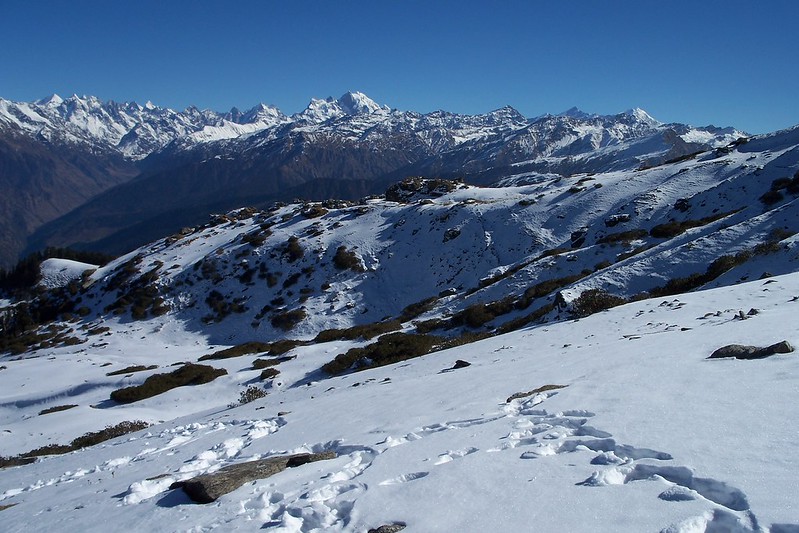
The Kedarkantha trek Day 4 summit day is the biggest highlight of the trek. You wake up before sunrise, climb to the 12,500 ft summit, enjoy stunning Himalayan views, and then descend through snowy trails back to Juda Ka Talab.
For many trekkers, this is the day they remember long after the trek ends. It is the hardest day of the trek, but it is also the most rewarding.
Quick Facts:
- Start Time: 3:00 AM to 4:00 AM
- Summit Altitude: 12,500 ft (3,800 m)
- Distance to Summit: Around 4 km
- Total Distance for the Day: Around 8 km
- Time to Reach Summit: 2 to 4 hours
- Total Trekking Time: 7 to 9 hours
- End Point: Juda Ka Talab Camp
- Difficulty Level: Moderate
What Happens on Day 4?
Day 4 starts while it is still dark outside. Most trekking groups leave the campsite with headlamps and warm layers. The goal is to reach the summit around sunrise when the mountain views are at their best.
The climb feels very different from previous days. The air is colder. The trail is steeper. The excitement is higher too. Every step takes you closer to one of the most famous winter summits in India and the highlight of the entire Kedarkantha Trek.
Once you reach the top, you spend some time enjoying the views, taking photographs, and resting. After that, the descent begins towards Juda Ka Talab, where you spend the night.
Why We Start Before Sunrise
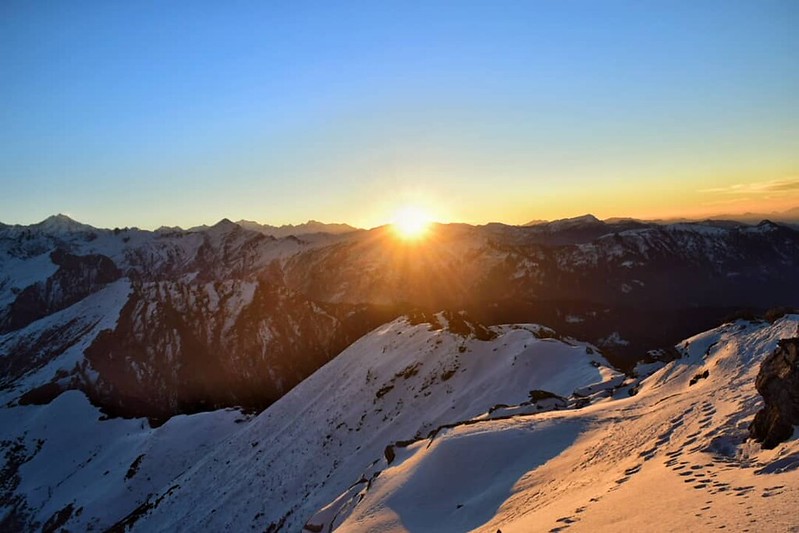
Many first-time trekkers ask the same question. Why wake up at 3 AM when the summit is only a few kilometres away? The answer is simple. Sunrise from Kedarkantha is one of the main reasons people do this trek. Watching the first sunlight touch the snow-covered peaks is an unforgettable experience.
The early start also helps trekkers walk on firmer snow. Later in the day, the snow can become softer because of the sun. There is another reason too. Summit day is long. Starting early gives enough time to climb, descend safely, and reach camp before evening.
Kedarkantha Trek Day 4 Summit Day Route
The route from Kedarkantha Base Camp to the summit can be divided into four sections. Knowing what comes next makes the climb much easier mentally.
Base Camp to the Forest Edge
The trek starts in darkness. Your headlamp lights up the trail while the stars shine above. On clear nights, the famous night sky creates an unforgettable start to summit day.
Most trekkers find this part comfortable. The trail passes through snowy patches and open areas around the campsite.
Forest Edge to Open Snow Slopes
After some time, the trees become fewer and the mountain opens up. This is where you begin to see wider views of the valley below. As dawn approaches, the sky slowly changes colour. Many trekkers stop for a few moments just to enjoy the scene.
The Final Climb
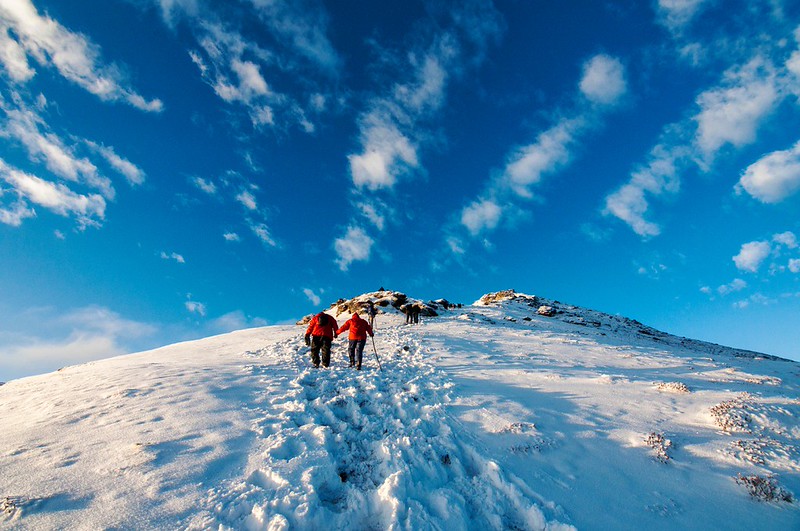
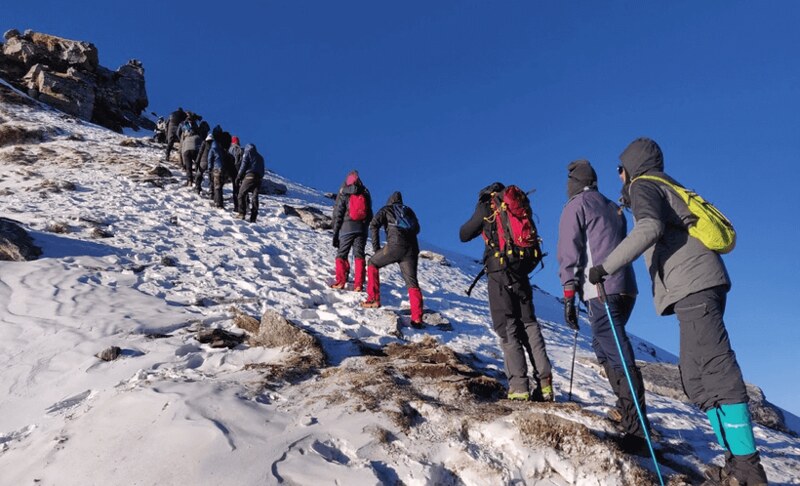
This is the steepest section of the day. Depending on snow conditions, some parts can feel quite demanding. The final slope is often the part people talk about most after the trek. During winter, fresh snow can make the climb slower. Small and steady steps work best here. If you feel tired, do not rush. Almost everyone slows down on this section.
Reaching the Summit
The summit comes into view suddenly. After hours of climbing in the cold, standing at the top feels special. Most trekkers spend 20 to 40 minutes here depending on weather conditions.
What You See at the Kedarkantha Summit
The summit is much more than just a viewpoint. At the top, you will find a stone platform with a large Trishul standing proudly against the sky. This is one of the most photographed spots on the trek.
If you are interested in the spiritual side of the mountain, you can explore more about the Kedarkantha summit temples.
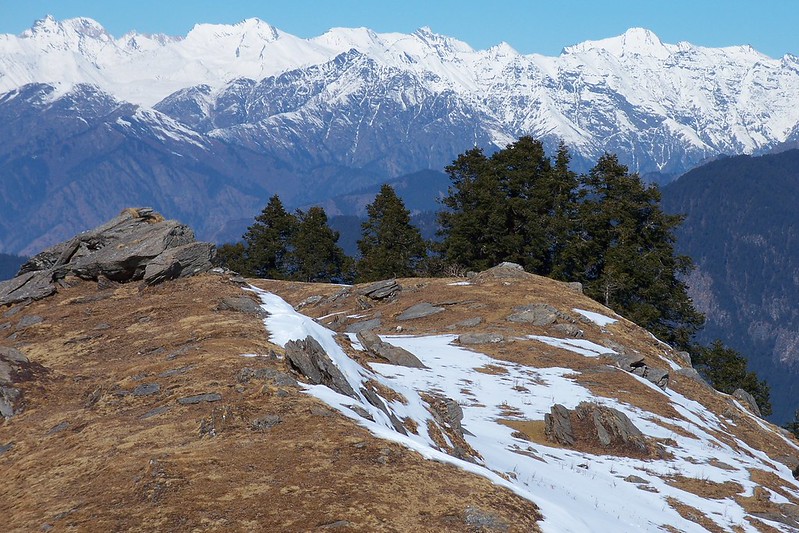
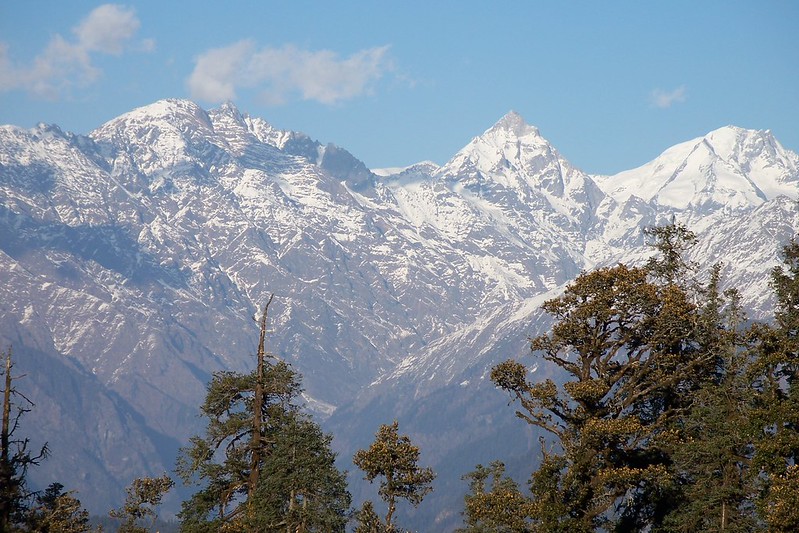
There is also a small shrine linked to local beliefs about Lord Shiva and Lord Ganesha. Every year, local villagers visit the summit as part of traditional worship. On a clear day, you can see several famous Himalayan peaks and valleys.
Read our guide to the: peaks visible from Kedarkantha summit.
Some of the major sights include:
- Swargarohini Peak
- Bandarpoonch Peak
- Black Peak
- Ranglana Peak
- Gangotri Range
- Yamunotri Range
- Har Ki Dun Valley
- Chaainsheel Pass
- Kinner Kailash Range
The 360-degree view is one of the reasons Kedarkantha is loved by first-time trekkers and is often considered one of the reasons why it is the best first summit trek in India.
The Story Behind Kedarkantha
Many local people believe that Lord Shiva once chose this mountain as a place for meditation. According to a popular story, Shiva was disturbed while meditating here. He later moved to the place where the famous Kedarnath Temple stands today.
Whether you believe the story or not, it adds a special feeling to the summit. The Trishul at the top reminds visitors of this local connection.
The Descent Back to Juda Ka Talab
After enjoying the summit, it is time to head down. Many trekkers think the hardest part is over. In reality, the descent needs just as much attention. Snow-covered trails can be slippery, especially later in the day.
The first section back to base camp is usually the steepest. Trekking poles help a lot here. Many trekkers also choose a trek offloading porter if they prefer not to carry a heavy backpack during steep sections.
Once you reach base camp, most groups take a short break and have lunch. After resting, the journey continues towards Juda Ka Talab. The trail passes through beautiful pine oak forests that look completely different in daylight compared to the early morning climb.
Most trekking groups reach Juda Ka Talab by late afternoon. After a long day on the mountain, the calm atmosphere of the campsite feels well earned.
What If You Cannot Reach the Summit?
Many beginners worry about this before summit day.p The good news is that you are never expected to trek alone. Trek leaders and support staff keep an eye on the group throughout the climb.
If someone feels unwell, becomes too tired, or faces difficulty because of weather conditions or mild altitude sickness , the trek leader will decide the safest option. In some cases, trekkers return to camp before reaching the summit. There is no shame in that. Mountain safety always comes first. A summit is optional. Returning safely is not.
Challenges You May Face on Day 4
Summit day is exciting, but it also brings a few challenges.
Some common ones are:
- Very cold temperatures before sunrise
- Strong winds near the summit
- Steep snow-covered sections
- Long hours of walking
- Tired legs during descent
- Reduced energy because of altitude
Most healthy trekkers can complete the day comfortably if they walk at a steady pace. If you are unsure whether this trek is right for you.
Check here the complete guide on: Kedarkantha trek difficulty.
What Should You Wear on Summit Day?
Summit morning is usually the coldest part of the trek. Winter temperatures can range between -10°C and 5°C depending on the month and weather conditions.
A good clothing system includes:
- Thermal inner layers
- Fleece jacket
- Insulated jacket
- Waterproof outer layer
- Warm gloves
- Woollen cap
- Trekking shoes with good grip
- Thick socks
Good footwear is especially important during the summit climb. Avoid wearing too many heavy layers at once. It is easier to remove a layer than to walk while feeling overheated.
Tips for a Better Summit Day
A few simple habits can make the day much easier.
- Keep your headlamp ready before sleeping.
- Carry water in an insulated bottle.
- Eat snacks during the climb.
- Walk slowly and steadily.
- Follow your trek leader’s instructions.
- Use trekking poles during descent.
- Take short breaks instead of long ones.
Most importantly, enjoy the journey. The summit is only one part of the experience.
FAQs
What time does Kedarkantha summit day start?
Most trekking groups start between 3:00 AM and 4:00 AM.
How difficult is the summit climb?
It is moderate. The final section is steep, but most beginners complete it successfully.
How long does it take to reach the summit?
Most trekkers reach the summit in about 2 to 4 hours from base camp.
Can beginners do the Kedarkantha summit climb?
Yes. It is one of the best Himalayan summit treks for beginners. You can also read our detailed guide on the Kedarkantha trek for beginners.
Is the summit safe during winter?
Yes, when you trek with experienced guides and follow safety instructions.
What is the altitude of Kedarkantha summit?
The summit stands at approximately 12,500 ft above sea level.
Will there be snow on summit day?
From December to March, snow is usually present on most sections of the trail, especially during the peak Kedarkantha winter trek season. As the sun sets over Juda Ka Talab and the summit fades into the distance, most trekkers realise something interesting. The best part was not standing on top of the mountain. It was every step taken to get there.