Kedarkantha Base Camp (Bhoja Dhadi): Sunset Views & What to Expect
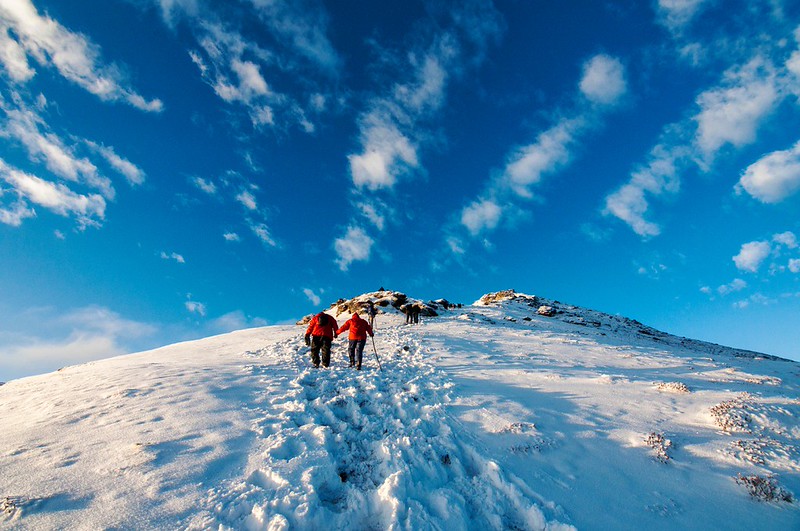
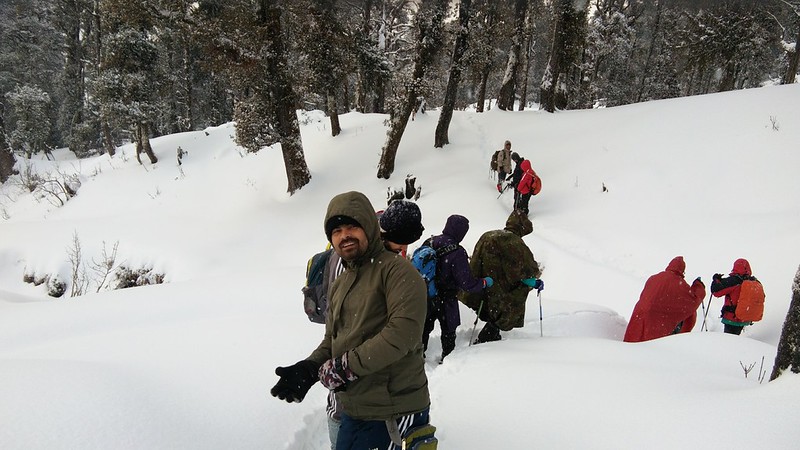
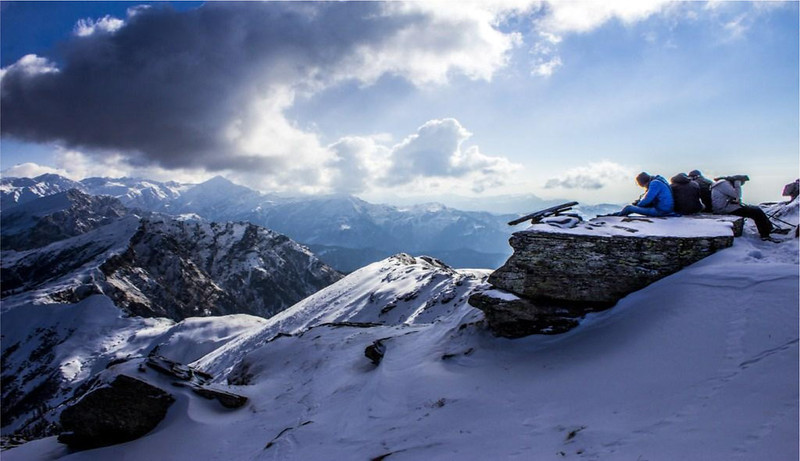
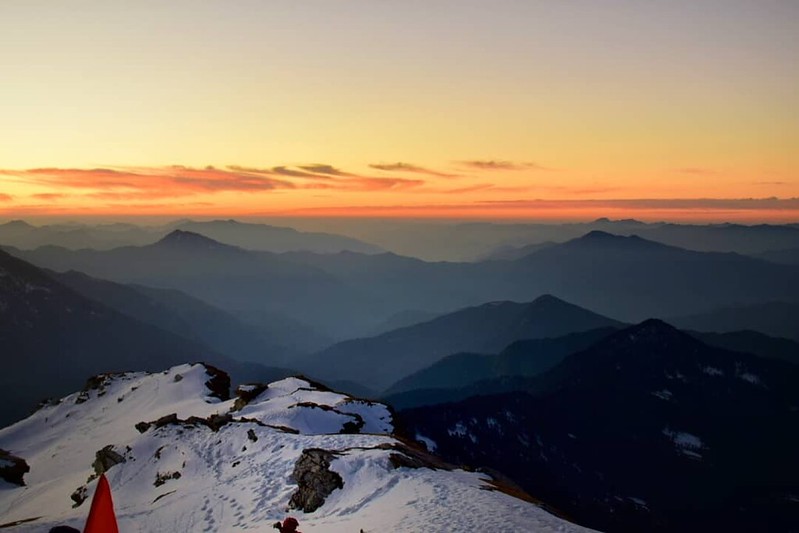
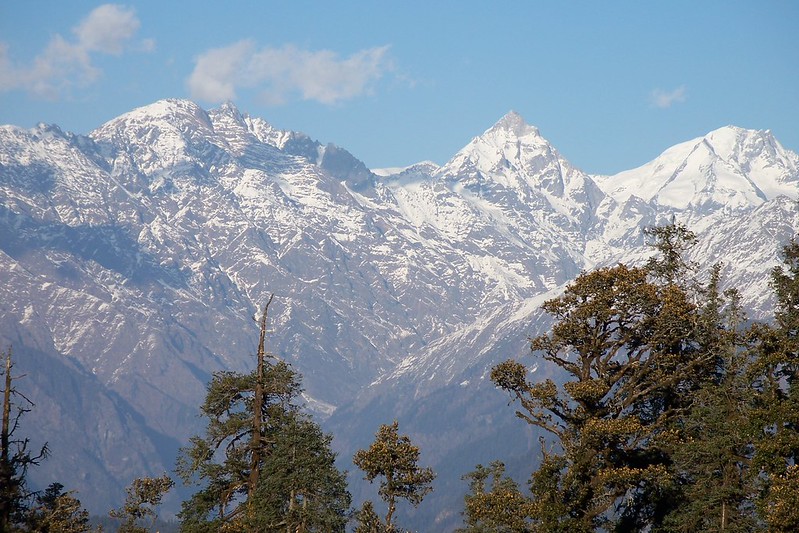
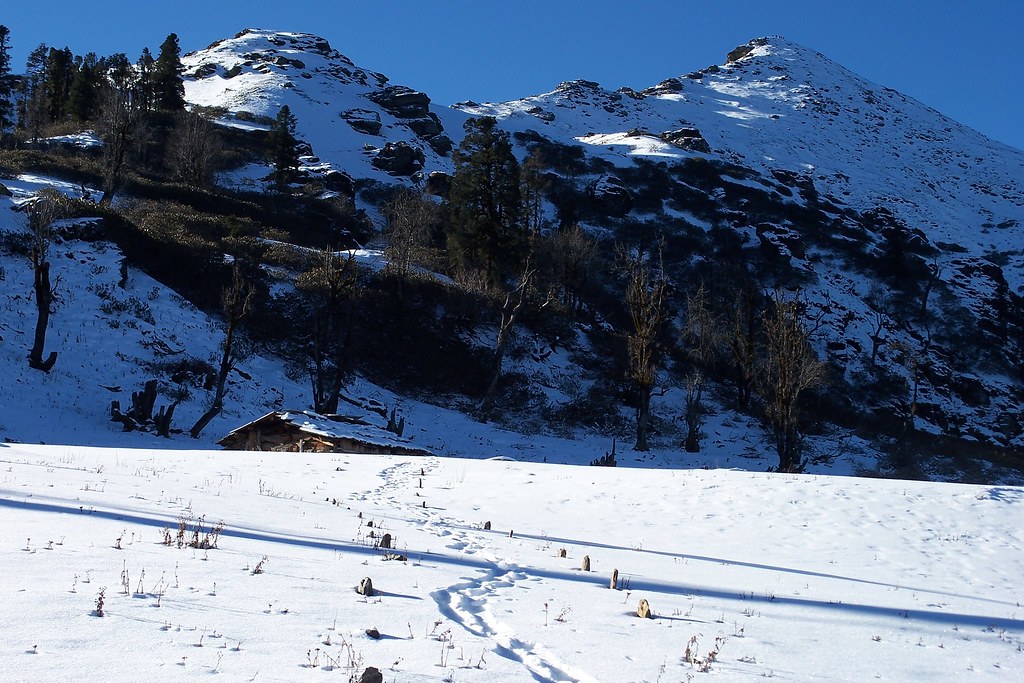
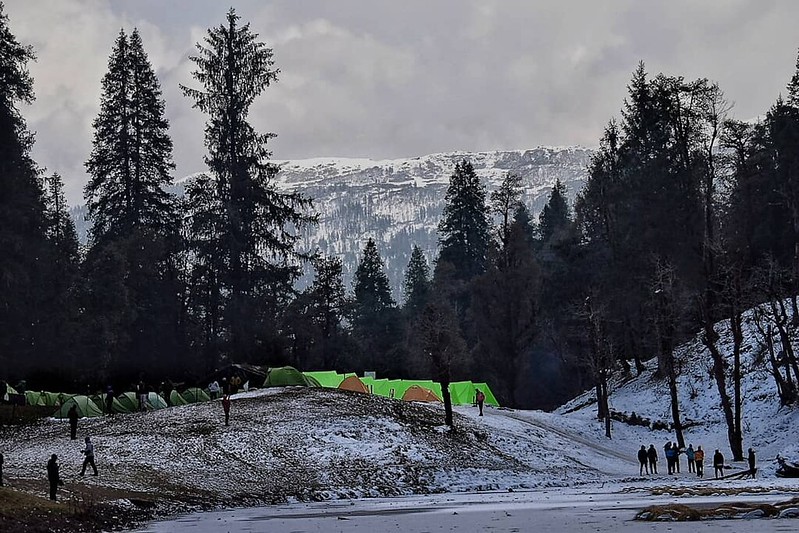
Kedarkantha Base Camp at Bhoja Dhadi is one of the most beautiful camping spots on the Kotgaon route, known for its quiet forest setting, glowing sunset views, and wide Himalayan panorama at roughly 10,700 ft (around 3,260 metres). Most trekkers expect the Kedarkantha summit to be the emotional high point of the journey. Then they reach Bhoja Dhadi in the evening, sit outside their tents with hot chai, and realise the campsite itself is half the experience. That is the thing about this part of Uttarakhand. The mountains do not always impress you loudly. Sometimes they work slowly. A cold wind through pine trees. Snow crunching under your shoes. A sky turning orange behind Swargarohini. Bhoja Dhadi has that kind of beauty. If you are still planning your overall kedarkantha trek, understanding the base camp experience helps you prepare mentally for what many trekkers consider the most memorable part of the journey. Also read: Kedarkantha route map Where Is Kedarkantha Base Camp Bhoja Dhadi Located? One important thing many blogs confuse is the route itself. Bhoja Dhadi lies on the Kotgaon route to Kedarkantha, not the classic Sankri to Juda Ka Talab trail. Trekkers who start from Kotgaon usually move through Khujaai before reaching Bhoja Dhadi base camp. The usual trekking route looks like this: Kotgaon to Khujaai Khujaai to Bhoja Dhadi Base Camp Bhoja Dhadi to Kedarkantha Summit Return toward Kotgaon The trek distance from Khujaai to Bhoja Dhadi is roughly 4 km, depending on the exact camping location and snow conditions. This route feels quieter than the crowded Sankri side during peak winter months. Many experienced trekkers now prefer it because the forests feel less commercial and the campsites remain more peaceful. Kedarkantha Base Camp Altitude Views: What Makes Bhoja Dhadi Special? The campsite sits at approximately 3,260 metres, which gives Bhoja Dhadi a sweet spot between accessibility and dramatic mountain scenery. You are high enough to experience proper Himalayan views, but not so high that beginners struggle badly with altitude. The real magic begins near sunset. As evening light spreads across the valley, the surrounding snow slopes slowly change colour. First pale gold. Then orange. Then soft pink. On clear winter evenings, you can see famous Himalayan peaks glowing in the distance. From Bhoja Dhadi and nearby upper sections, trekkers often spot: Swargarohini massif Bandarpoonch peak Black Peak (Kalanag) Parts of the Gangotri range Snow ridges stretching toward Har Ki Dun valley The alpenglow effect here feels surprisingly intense during December and January. Even people who normally do not care much about photography end up standing quietly outside their tents watching the peaks change colour. If you are specifically planning a winter departure, both the Kedarkantha trek in December and the Kedarkantha trek in January And honestly, photos rarely capture the scale properly. The silence, cold air, and fading sunlight together create the real experience. What Bhoja Dhadi Feels Like During Winter Winter completely transforms the campsite. Fresh snow settles around the tents, pine branches turn white overnight, and the forest trail leading into Bhoja Dhadi starts looking like something out of an old mountain film. During heavy snowfall weeks, trekkers sometimes walk through knee-deep snow near the upper sections. The temperature at Bhoja Dhadi in peak winter usually ranges around: Daytime: 5°C to 10°C Night: -5°C to -10°C Wind chill can make it feel even colder after sunset. This is where many first-time trekkers get surprised. Walking during the day feels manageable. Sitting still after dark feels freezing within minutes. Your water bottle may partly freeze overnight. Phone batteries drain fast. Wet gloves become a nightmare. Still, this is also when Bhoja Dhadi looks its absolute best. The experience changes slightly depending on the month you choose Read the complete deatails on: best time to visit Kedarkantha trek The Forest Section Before Bhoja Dhadi The trail before reaching camp deserves its own mention because it shapes the whole mood of the trek. From Khujaai onward, the route enters dense pine and oak forest. Sunlight filters through tall trees in broken patches. During snowy weeks, the entire forest floor turns white while the dark trunks stand sharply against the snow. You keep hearing small sounds throughout the trail. Wind through branches. Snow slipping from trees. Distant voices from another trekking group somewhere behind you. Many trekkers say this section feels calmer than the summit climb itself. And unlike crowded tourist spots, the silence here feels genuine. Not staged. Not curated for social media. Good winter trekking shoes make a huge difference on these snowy forest sections, especially during icy mornings, the best shoes for Kedarkantha trek can make the walk far more comfortable and safer. Local Stories and Mythology Around Kedarkantha The Kedarkantha region carries strong mythological connections in local Garhwali culture. According to local stories linked to the Mahabharata era, Lord Shiva is believed to have meditated in these mountains while taking refuge from the Pandavas in his bull form. Some locals also connect the region spiritually to the journey toward Kedarnath. Whether you believe the mythology literally or not, the landscape does carry a strange stillness. You understand why mountain communities attach stories to places like this. The forests feel ancient. The valleys feel untouched. Older villagers around the Sankri and Kotgaon side still speak about these mountains with deep respect rather than as tourist products. That difference matters. What Facilities Can You Expect at Bhoja Dhadi Camp? Trekkers sometimes arrive expecting luxury camps because travel reels make everything look glamorous. Bhoja Dhadi is much simpler than that. You should expect basic mountain camping conditions. Most trekking camps provide: Shared alpine tents Sleeping bags and mats Simple vegetarian meals Temporary toilet tents Limited charging options Little to no mobile network Water availability depends heavily on season and snow conditions. During winter, trekking staff often melt snow or carry water from nearby sources. The food tastes much better than you expect after trekking all day. Hot dal, rice, soup, and chai somehow feel deeply satisfying in
Kedarkantha Base Camp (Bhoja Dhadi): Sunset Views & What to Expect Read More »